





Keep Learning: The First 48 Hours: Fleet Readiness for Real-World Disaster Response
Your Suppliers Are Part of Your Disaster Plan
Your suppliers can make or break disaster response. Here’s how fleets can reduce vendor risk and keep critical parts flowing when storms hit.
May 4, 2026

Credit:
Work Truck
5 min to read
- Fleets can mitigate risks by ensuring reliable suppliers are part of their disaster response strategy.
- Vendor reliability is crucial to maintaining the flow of critical parts during unforeseen events like storms.
- Effective supplier management can significantly influence a fleet's ability to respond to and recover from disasters.
*Summarized by AI
When fleets build disaster response strategies, the focus usually lands on vehicles, routes, and staffing. Suppliers tend to sit quietly in the background… right up until something breaks. Then they become the whole story.
Vendor relationships aren’t just operational; they’re foundational. If they fail, your response fails. And according to Josh Peters, Vice President of Government Sales at Vector Fleet Management, an Amerit Fleet Solutions Company, that’s exactly where many fleets get caught off guard.
Where Supplier Plans Break First
The most common failures aren’t complicated; they’re the basics that get overlooked until it’s too late.
“Ensuring that the inventory has enough batteries and tires for emergency vehicles in stock is priority number one,” Peters said. “These items can take up a lot of space in a parts room, so making sure that there is ample storage space for increased inventory on these critical items is important in your planning.”
It’s not just about what you have, it’s about whether you physically planned for it. Staffing is another pressure point. Disasters don’t run on business hours, and neither can your supply chain response.
“Prior to an emergency, it is critical to have an already established staffing plan, especially if the event is going to require 24-hour operation,” Peters said.
And then there’s the issue that quietly causes the biggest headaches: relying too heavily on one supplier.
“Making sure to have back-up suppliers for critical parts needs” is essential, he added.
Spotting Risk Before it Shows Up
The tricky part about supplier risk is that it often looks fine… until it isn’t. That’s why relationship-building during normal operations matters more than anything you scramble to do during a crisis.
“Establishing first call relationships with critical suppliers throughout the normal course of business will help suppliers better understand critical parts needs and inventory turnover trends,” Peters said.
In other words, if you’re not a priority on a normal Tuesday, you won’t magically become one during a hurricane. There’s also a surprisingly simple but critical step fleets miss: keeping account details current.
“Making sure your account is up to date with points of contact, accounts payable information, ship-to address, and any special delivery requirements” helps avoid delays when timing matters most, Peters said.
Because nothing slows down an emergency order like paperwork confusion.
Balancing Inventory vs. Relationships
One of the biggest balancing acts fleets face is how much to stock versus how much to rely on suppliers.
Too much inventory creates its own problems, but too little leaves you exposed. With that in mind, Peters pointed to a data-driven approach as the middle ground.
“At Vector Fleet Management, when we manage clients’ parts inventories, our primary objective is to satisfy fill rates based on actual demand,” he said. “Most FMIS systems will allow for managed inventory practices that focus on min/max levels, obsolescence, predictive seasonality trends, and inventory turnover.”
The takeaway is simple. Inventory should be intentional, not reactive.
“Excess inventory increases the risk of obsolescence and space constraints for good working inventory,” Peters added.
So instead of stockpiling everything, fleets should focus on stocking smarter.
Contracts matter more than you think
When disaster hits, relationships help. But contracts decide who actually gets parts first.
“There are many different cooperative agreements in the marketplace that will allow fleets to partner with national OE and aftermarket suppliers,” Peters said.
Still, agreements alone aren’t enough. Priority access comes down to consistency.
“Establishing solid working relationships with local suppliers and maintaining first call status with them will help secure priority access to critical parts during emergencies,” he said.
If you’re not regularly doing business with a supplier, don’t expect to jump the line when demand spikes.
Lessons from the Pandemic
If there was one global stress test for supply chains, it was the pandemic. And it exposed a gap many fleets didn’t see coming. Even if parts are available, you can’t move quickly without the financial structure in place.
“The biggest lesson learned from the pandemic is ensuring that you have funding for emergency and critical parts and supplies,” Peters said. “If you do not have accounts set up with vendors with terms and conditions prior to an emergency, there could be significant delays in obtaining critical parts supplies.”
That’s where internal coordination becomes just as important as external partnerships.
“Working with your internal finance department to determine where funds will come from to cover emergency supplies, overtime, and other cost-sensitive operational necessities is important so that your normal budget is not drained during an extended event,” Peters said.
Watching for Early Warning Signs
Supplier instability doesn’t usually happen overnight. There are signals, if you know where to look. And right now, one of the biggest disruptors is economic pressure.
“Tariffs are the current disruption in the supply chain,” Peters said. “Understanding your annual budget for parts spend with planned cost of goods increases is critical.”
That means proactive conversations with suppliers should be part of your planning cycle, because price surprises can quickly lead to shortages.
“Talk with your primary suppliers on what cost increases they anticipate during the next fiscal year,” he added.
Planning Ahead for Seasonal Disasters
Different disasters require different supplier strategies, and timing is everything. For example, in winter events, preparation starts earlier than many fleets expect.
“Make sure to get your winter snowplow parts orders in August/September for most East Coast and Northern municipalities,” Peters recommended.
The common thread is simple. If you’re ordering during the event, you’re already behind. For hurricanes, the approach shifts to prebuilt readiness.
“In the event of a hurricane, fleet managers should have a ready-made stock order for critical parts and supplies with key suppliers,” he said.
What Smaller Fleets Can Do Right Now
Not every fleet has a dedicated supply chain team. That doesn’t mean they’re out of options. Peters outlined practical steps that smaller operations can take immediately.
“Smaller fleets can make sure that they have space allocated for emergency inventory,” he said. They can also prepare “ready-made stock orders for key suppliers” and ensure “accounts are set up with suppliers to buy in bulk if needed.”
Even assigning a single point person can make a difference, and collaboration shouldn’t be overlooked.
“Smaller fleets can have an appointed parts liaison during emergencies,” Peters added. “They can always establish relationships with larger fleets in their area for support and assistance during emergencies.”
Looking at the Bigger Picture
At the end of the day, disaster readiness isn’t just about what you own. It’s about who you rely on and how well those relationships hold up under pressure.
Suppliers aren’t a backup plan, they’re part of the plan, and the fleets that treat them that way will be the ones still moving when everything else slows down.
Quick Answers
Suppliers play a crucial role in ensuring the continuous flow of critical parts needed for operations. Their reliability can significantly impact a fleet's ability to respond effectively to disasters.
*Summarized by AI
Subscribe to Our Newsletter
More Disaster Response
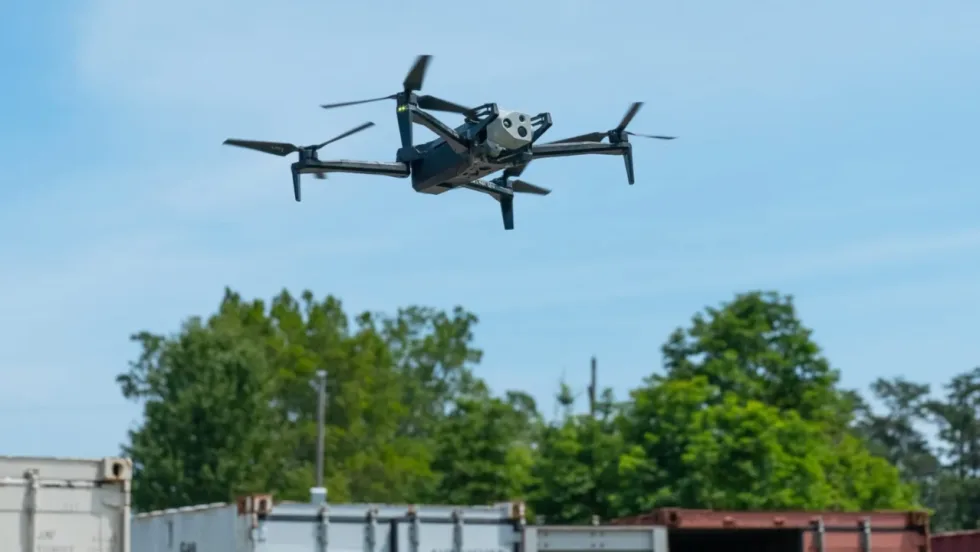
When Disaster Response Goes Mobile
Drones and robotic systems can give emergency teams a view of a disaster before crews ever reach the scene. But the real challenge is keeping those machines, vehicles, operators, and command centers connected when traditional infrastructure may already be compromised.
Read More →
Experts Forecast Broader Impact of Wildfires in 2026
This year’s wildfire season will likely be more intense than in 2025. The 2026 wildfire forecast from AccuWeather is for fewer fires, but even more acreage will be impacted this year.
Read More →
Farmers Insurance Backs Red Cross Disaster Response Efforts With $250,000 Commitment
Farmers Insurance joined the Red Cross Disaster Responder Program to help support emergency response and recovery during disasters nationwide.
Read More →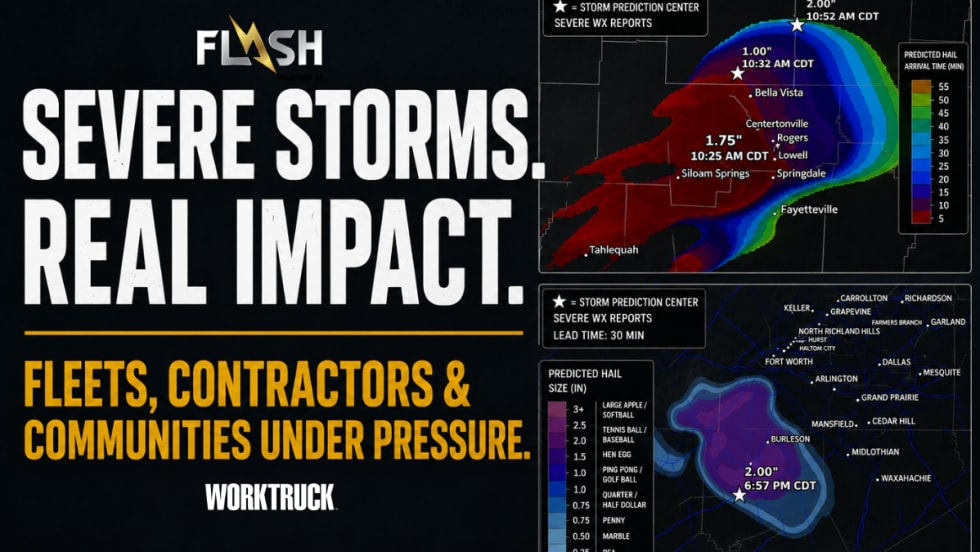
Severe Storms Are Reshaping Recovery Operations for Contractors and Work Truck Fleets
Hailstorms are creating costly new challenges for work truck fleets, from damaged onboard tech to longer recovery timelines and tactical storm planning.
Read More →
After the Storm Clears: Why Cargo Risk Spikes During Disaster Recovery
When the storm ends, cargo theft risk can spike. Here’s why the restart phase is the danger zone and what fleets can do to stay ahead.
Read More →
When the Process Breaks (Why Fleet Workflows Collapse During Disaster Response)
When disaster hits, fleet workflows don’t collapse all at once. They unravel quietly. Here’s where breakdowns start and how to build resilience before it’s too late.
Read More →
How Federal Disaster Declarations Work and Why Fleet Leaders Need to Know
How federal disaster declarations work and why fleet leaders should care about funding, reimbursements, infrastructure repairs, and recovery timelines.
Read More →
Disaster Readiness Is Not a Fleet Count, It’s a Stress Test of the Whole System
Fleet readiness isn’t about your vehicle count. It’s about condition, capacity, and whether your system can actually perform under stress.
Read More →
Disaster-Proofing Fleet Operations: How to Maintain Uptime When Conditions Are Anything but Normal
When disaster strikes, fleet uptime depends on prep, mobile maintenance, clear visibility, and disciplined execution before, during, and after the event.
Read More →
Finding the Vital Strand: Equipment Repairs in Remote Locations
When a stranded excavator stalled a remote Alaska project, disciplined troubleshooting and teamwork uncovered the one connection that made it run again.
Read More →