




Disaster Readiness for Work Truck Fleets Isn’t Optional, It’s Operational
The Next Big Threat to Fleet Operations Isn’t on the Road: It’s in the Air
Wildfire danger is now year-round. Are your fleet facilities hardened and ready to withstand the next blaze?
by Joe Demers, Alpha Structural, Inc.
December 30, 2025
Wildfires aren’t just burning in the distance anymore. They’re closing in on the buildings fleets depend on, turning facility hardening into the next big fight for operational survival.
5 min to read
When fleet managers evaluate risk, their attention is rightfully on the road, paying attention to driver safety, vehicle maintenance, and logistical challenges. But a growing threat is emerging not from the highways, but from the air.
Wildfire season is no longer seasonal. It has become a year-round menace, and its impact on fleet operations extends far beyond smoke-filled skies. What happens when wildfires threaten the very facilities that keep a fleet running?
Fleet yards, maintenance shops, and storage buildings, many of which are located near the wildland-urban interface, are increasingly at risk. Embers, radiant heat, and wind-driven flames can cause catastrophic property damage in minutes, disrupting supply chains, destroying vehicles, and endangering staff.
With total damage and economic loss from the Southern California wildfires estimated at up to $150 billion, they rank among the most costly wildfires and natural disasters in recent U.S. history. As a result, proactive facility hardening has become one of the most cost-effective ways to protect both people and property.
The conversation must shift from focusing solely on vehicles to addressing the structural integrity of the buildings that house them.
Facility Vulnerability: The Industry’s Blind Spot
Most fleet risk assessments focus on mobile assets, overlooking the stationary hubs that are essential to operations. This is a critical blind spot. Many commercial facilities, particularly older ones, have inherent vulnerabilities that can turn a distant fire into a devastating loss.
Aging roof assemblies, unprotected vents, and poorly managed storage yards create perfect ignition pathways for wind-borne embers, which can travel more than a mile ahead of a fire front.
A single facility fire can halt operations for weeks or even months, depending on the extent of damage to vehicles, power systems, and infrastructure. The financial pressure is immense and growing. Commercial property insurance premiums are projected to increase by nearly 80% by 2030, with some estimates averaging $4,890 per month per building. Relying on insurance alone is an unsustainable strategy. The focus must turn from reconstruction to resilience.
Building for Resilience, Not Just Compliance
In engineering, “resilience” refers to a building’s ability to withstand and recover quickly from damage. In the context of wildfire risk, it means designing and upgrading facilities to remain structurally sound after a fire: intact enough to be repaired, without rebuilding from scratch. When the core structure is preserved, operations can be restored faster and at a fraction of the cost of a total replacement.
Building codes continue to evolve, but simple compliance is not enough to guarantee protection. Proactive upgrades and deliberate material choices make the real difference. Wood framing, still common in many older facilities, is highly susceptible to fire. It can be treated with fire-resistant coatings or covered with non-combustible materials, such as stucco.
Still, the most resilient solution is to replace or reinforce it with light-gauge steel or other non-combustible assemblies. These materials offer superior resistance to both fire and structural degradation over time.
When a wildfire closes in, every second counts. Clear exits, working equipment, and a prepared team can be the difference between a close call and a catastrophic loss.
Practical Steps to Fortify Fleet Facilities
Strengthening a facility against wildfire does not require a complete overhaul. Strategic, targeted improvements can dramatically reduce risk.
First, harden the building envelope. This starts with upgrading to Class A fire-rated roofing materials, designed to withstand severe fire exposure. Sealing entry points prone to ember intrusion, such as vents and eaves, is also crucial. Regularly inspect and replace any combustible siding or exterior features with non-combustible alternatives.
Second, create defensible space. This is one of the simplest and most effective preventive measures. Maintain clear zones around all structures by removing dry vegetation, flammable debris, and unnecessary clutter. Fuel, chemicals, and spare parts should be stored in designated, fire-resistant areas away from primary buildings. It is also vital to ensure that fire lanes and first responder access routes remain clear and unobstructed.
Finally, fortify foundations and utility systems. During a fire, the ground can become superheated, compromising foundations and underground utilities. Facility managers should ensure that gas shutoff valves are accessible and seismic shutoff valves are installed. Regular inspections of electrical, water, and gas systems by licensed professionals can identify vulnerabilities before a disaster strikes.
Integrating Resilience into Routine Operations
The most effective approach to facility hardening is to treat it as part of ongoing maintenance, not a standalone, cost-prohibitive project. Resilience upgrades can be integrated into scheduled remodels or system updates.
For example, if you are planning an HVAC or electrical overhaul, that is the ideal time to incorporate structural enhancements. This approach minimizes operational disruption and spreads costs over time.
Regular inspections are also key. Seemingly minor issues like poor drainage, vegetation overgrowth, or small cracks in the structure can compound over time, weakening a building’s ability to withstand stress. Water infiltration, for instance, is a common and often overlooked cause of structural deterioration. By maintaining roofing, drainage, and grading, you can prevent slow, unseen damage that compromises your facility’s integrity long before a fire or earthquake occurs.
A Competitive Advantage in a High-Risk World
As insurers tighten coverage and raise premiums in high-risk zones, businesses that invest in fire and seismic resilience will gain a significant competitive advantage. A hardened facility is not only safer but also helps preserve brand reputation, protects staff, and ensures vehicles are ready to roll when needed most.
Collaboration with local fire departments and emergency agencies for site assessments and pre-incident planning can further strengthen these efforts.
The question for fleet operators is no longer if wildfires will disrupt their operations, but how prepared their facilities will be when they do. By shifting focus to include the structural resilience of their buildings, fleet managers can safeguard their assets, ensure business continuity, and build a more secure future in an increasingly uncertain world.
Subscribe to Our Newsletter
More Safety
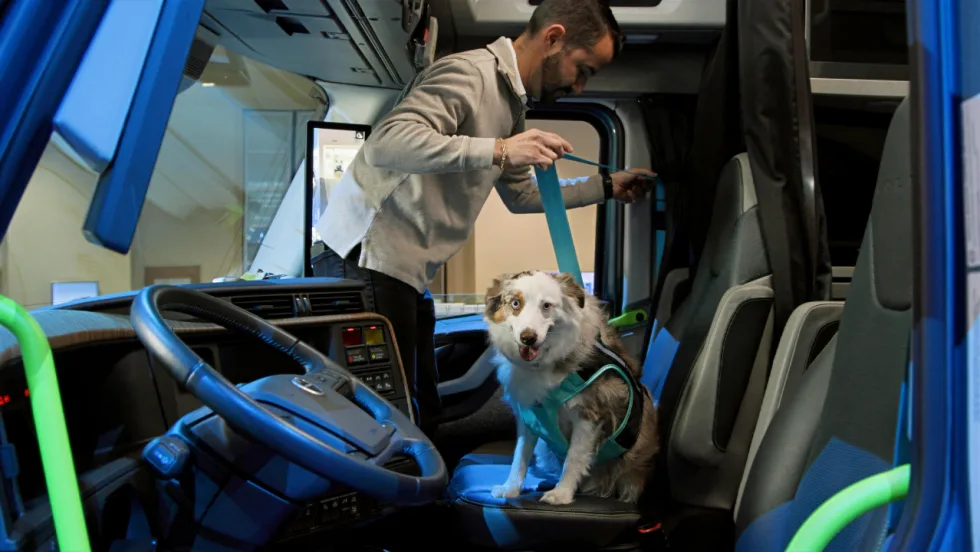
Volvo Trucks Releases New Safety Recommendations for Traveling with Pets
One of the most important recommendations for professional drivers traveling with pets is to ensure pets are properly restrained while the truck is moving. Other tips are available in the new guide from Volvo Trucks North America and Center for Pet Safety.
Read More →
API Issues Refueling Safety Guidelines
The American Petroleum Institute offers a list of safe vehicle refueling guidelines, including ways to avoid potential problems with static electricity discharges in fall, winter, and early spring.
Read More →
Winter Fleet Prep: Expert Tips to Keep Vehicles Running Smoothly
Cold weather can expose weak batteries, tires, fuel systems, and maintenance gaps fast. Use this winter fleet checklist to prepare trucks and drivers before temperatures drop.
Read More →
When a Work Truck Breaks Down, the Job Can Stop, Too
A work truck breakdown can stop more than the vehicle. Discover how payloads, jobsites, and specialty equipment change the roadside response.
Read More →
What Stronger Long-Term Fleet Service Partnerships Actually Require
Fleet service partnerships rarely fall apart all at once. Learn the three warning signs that trust is eroding and what fleets and providers can do before downtime, frustration, and lost revenue follow.
Read More →
Applause & TRUCE Software Partner to Improve Driver Safety Through AI-Powered Telematics & Employee Performance Management
Applause has integrated TRUCE driving metrics directly into its employee-first performance and safety platform that transforms mobile devices into AI-powered telematics.
Read More →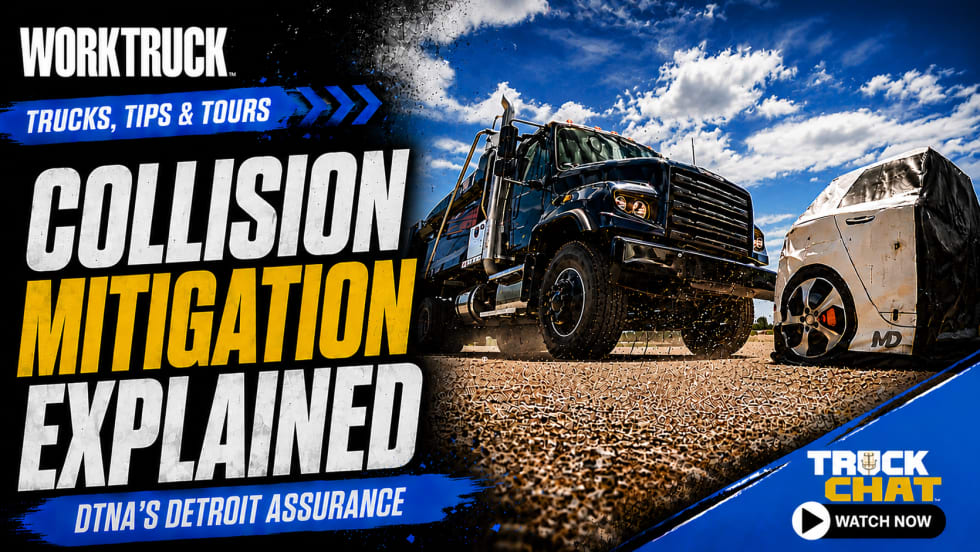
How Detroit Assurance with Active Brake Assist Works
Do you want to see what it is like to experience Detroit Assurance’s Active Brake Assist? In this video, Work Truck will put you in the cab to see how it all works and then hear more details from DTNA’s Mike Young.
Read More →
Get Left of Loss: A 5-Step Workplace Violence Prevention Framework for Fleet Operators
Violence risks do not stop at the driver’s door. Learn five practical steps fleets can take to spot threats early and protect workers before loss occurs.
Read More →
Sponsored•July 17, 2026
How Better Visibility Cut Speeding Violations by 48%
Fleet leaders don't need more data, they need clearer visibility into what the data is saying. This case study explores how one utility replaced speeding-event counts with a single metric — miles driven in violation — to strengthen safety and significantly reduce speeding violations.
Read More →
13 Safe Driving Tips for Commercial Vehicle Drivers
Make sure you are spending time on the road safely with these important tips.
Read More →