




Learn More: The First 48 Hours: Fleet Readiness for Real-World Disaster Response
When the Process Breaks (Why Fleet Workflows Collapse During Disaster Response)
When disaster hits, fleet workflows don’t collapse all at once. They unravel quietly. Here’s where breakdowns start and how to build resilience before it’s too late.
by Drake Bauer, Proaction
May 4, 2026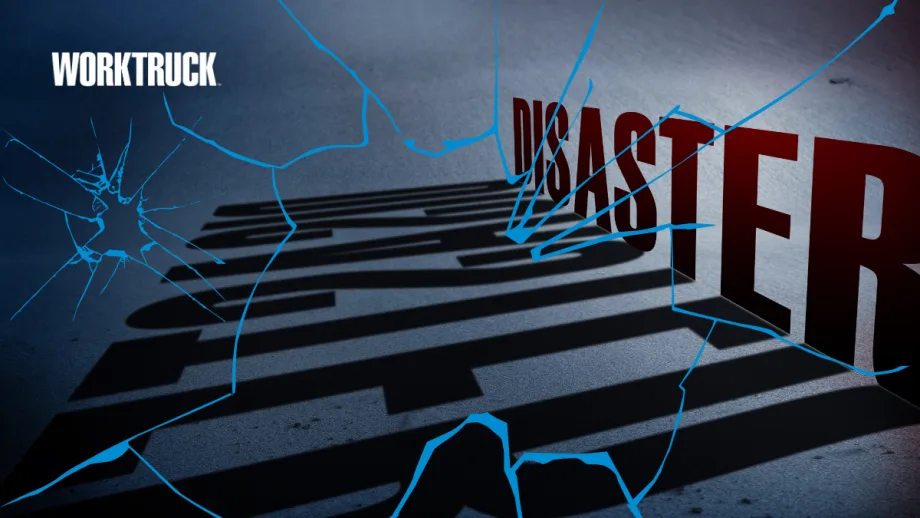
Cracked glass overlay on bold “Disaster” text casting long shadows, symbolizing how fleet operations and workflows fracture under pressure during emergency conditions
Credit:
Work Truck
5 min to read
- Fleet workflows during disaster response gradually unravel, rather than collapsing all at once.
- Initial breakdowns often go unnoticed, highlighting the need for early identification of vulnerabilities.
- Building resilience in fleet operations before a disaster occurs is crucial to maintaining effective response efforts.
*Summarized by AI
When disaster strikes, most fleet operations don’t fail because of missing technology or absent plans. They fail because the workflows that run smoothly under normal conditions quietly depend on assumptions disasters oftentimes disrupt: reliable connectivity, available personnel, functioning vendor networks, and predictable timelines. The result is not a dramatic collapse but a slow, compounding breakdown where teams lose the situational awareness required to make key fleet decisions.
This article examines why fleet processes break during multi-hazard events and outlines practical changes that improve execution reliability when normal operations no longer apply.
Why Functional Processes Fail Under Disaster Conditions
In stable conditions, fleet workflows absorb small inefficiencies without visible consequences. A technician manually logs an inspection. A dispatcher sends a text message to coordinate a tow. A supervisor checks a spreadsheet for asset status. These workarounds function because volume is manageable and time pressure is low.
During a disaster, each of these individual gaps can become a failure point. The manual processes and tribal knowledge that held processes together walk out the door with whoever isn’t on shift.
The root issue is that most fleet processes are designed for throughput under stable conditions, not resilience under stress during a potential disaster event.
The Workflows Most Vulnerable to Breakdown
Four operational areas tend to fail first and create the widest downstream impact:
- Inspection and damage documentation. Field teams are suddenly asked to document conditions across dozens or hundreds of assets under time pressure, often with degraded connectivity. Without a pre-defined process, documentation is inconsistent, incomplete, or skipped entirely. This creates problems that surface weeks later during claims and recovery.
- Maintenance coordination. Work order volume surges while vendor availability drops. Shops may be closed, parts may be unavailable, and towing services may be overwhelmed. Fleets relying on a single maintenance system or manual dispatch find they cannot triage repair requests at the speed disaster conditions can demand.
- Cross-team handoffs. Operations, maintenance, safety, and risk teams must coordinate at a pace they rarely practice. Without defined roles or shared visibility, handoffs stall and information gets trapped in email threads, text messages, or individual devices that may be offline.
- Asset status and location visibility. Telematics data alone is not enough. Leadership needs operationally relevant status. This is more than just where an asset is; it's also whether it’s deployable, damaged, awaiting repair, or staged for relocation. When that context lives in someone’s head rather than in a system, decision-making slows at the wrong moment.
How to Identify Failure Points Before a Disaster Hits
The most revealing diagnostic is simple: walk through a realistic disruption scenario and ask at each step, “What happens when this person, system, or vendor is unavailable?” Fleets that do this consistently find that their processes depend on a small number of individuals, a single communication channel, or a vendor relationship with no backup.
Early warning signs of operational strain include growing reliance on manual workarounds, rising exception rates in inspections or work orders, inconsistent data across systems, and communication that defaults to informal channels rather than documented workflows. These patterns are visible in normal operations, but often become catastrophic under pressure.
Practical Changes That Improve Execution Reliability
Redesigning for resilience does not require new technology. It requires rethinking how existing tools, roles, and processes connect under degraded conditions. Several changes consistently improve outcomes:
- Build simplified, field-ready playbooks. Create condensed, role-specific checklists for pre-event readiness, event-time execution, and post-event recovery. These should define clear owners, decision thresholds, and escalation paths. These should be actionable steps someone can follow at 2 a.m. with limited connectivity.
- Standardize asset status definitions. Establish a common vocabulary for asset condition and availability that all teams use. When multiple fleet teams share the same definitions, decisions move faster and with fewer miscommunications.
- Pre-define damage documentation standards. Waiting until after an event to determine which photos, notes, and condition data are needed can lead to delays and disputes. Set documentation requirements in advance and ensure teams have been trained so it’s easy to follow the process under stress, just as it is on a normal weekday.
- Map vendor and infrastructure dependencies. Shops, towing services, parts suppliers, fuel stations, and charging infrastructure often become bottlenecks during disasters. Identify critical dependencies and establish backup options as part of a team’s pre-event checklists.
The Role of Automation and System Integration
Automation is most valuable during disasters, helping reduce the cognitive load on people who are already stretched thin. Automated status updates, threshold-triggered alerts, and pre-built reporting templates remove repetitive tasks, so teams focus on decisions that require context and judgment.
System integration matters because fragmented visibility is one of the fastest ways to lose control during a disruption. When telematics, maintenance, inspection, dispatch, and operational systems of record share data, teams maintain a coherent picture even if individual systems are intermittently available. The goal should be a connected ecosystem where critical data flows between solutions without manual re-entry.
One Priority Before Storm Season
If a fleet could make only one operational improvement before the next major event, it should be this: define and practice the handoff between field execution and back-office coordination. The gap between what happens on the ground and what management sees in their systems is where most breakdowns originate. Closing that gap through standardized status definitions, documented disaster workflows, and practiced communication processes can deliver the most immediate return on preparation effort.
Disasters are more than a test of whether a fleet has a disaster plan, but can a team truly execute the plan when the conditions they trained for no longer exist.
About the Author: Drake Bauer is the co-founder and CEO of Proaction, a company focused on building a platform with automation in mind. This article was authored and edited following Work Truck editorial standards and style. Opinions expressed may not reflect those of WT.
Free Download: BBM Checklist - Fleet Workflow Stress Test: A Pre-Season Diagnostic Checklist
Get a printable checklist designed to help you stay prepared and recover faster from a disaster. Fill out the form and download today!
Quick Answers
Fleet workflows unravel during disasters due to increased operational demands, communication breakdowns, and logistical challenges that arise unexpectedly, causing the system to become overstrained and inefficient.
*Summarized by AI
Subscribe to Our Newsletter
More Disaster Response
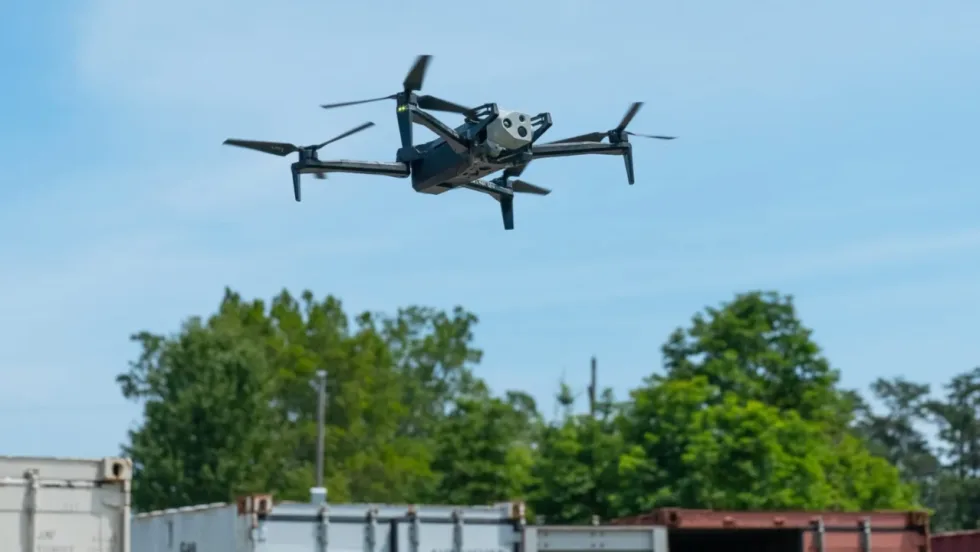
When Disaster Response Goes Mobile
Drones and robotic systems can give emergency teams a view of a disaster before crews ever reach the scene. But the real challenge is keeping those machines, vehicles, operators, and command centers connected when traditional infrastructure may already be compromised.
Read More →
Experts Forecast Broader Impact of Wildfires in 2026
This year’s wildfire season will likely be more intense than in 2025. The 2026 wildfire forecast from AccuWeather is for fewer fires, but even more acreage will be impacted this year.
Read More →
Farmers Insurance Backs Red Cross Disaster Response Efforts With $250,000 Commitment
Farmers Insurance joined the Red Cross Disaster Responder Program to help support emergency response and recovery during disasters nationwide.
Read More →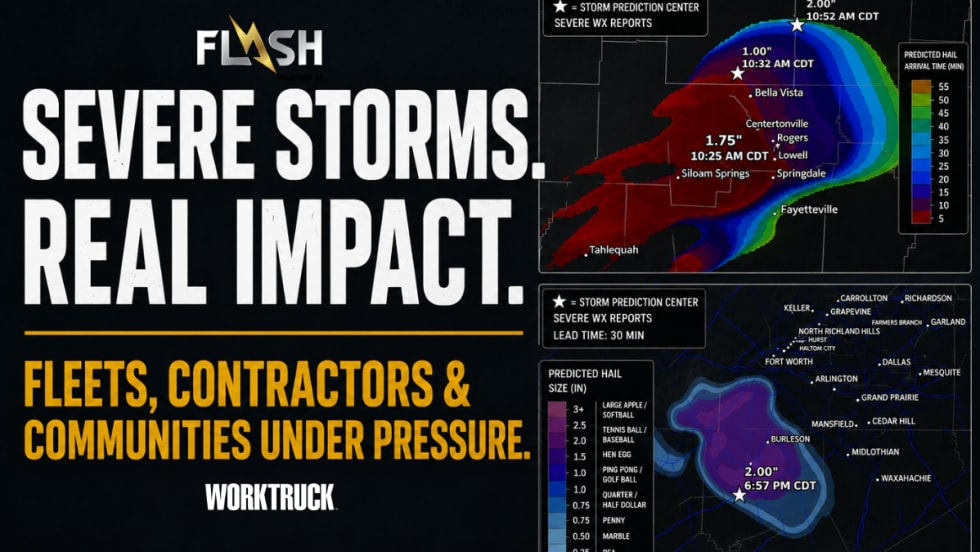
Severe Storms Are Reshaping Recovery Operations for Contractors and Work Truck Fleets
Hailstorms are creating costly new challenges for work truck fleets, from damaged onboard tech to longer recovery timelines and tactical storm planning.
Read More →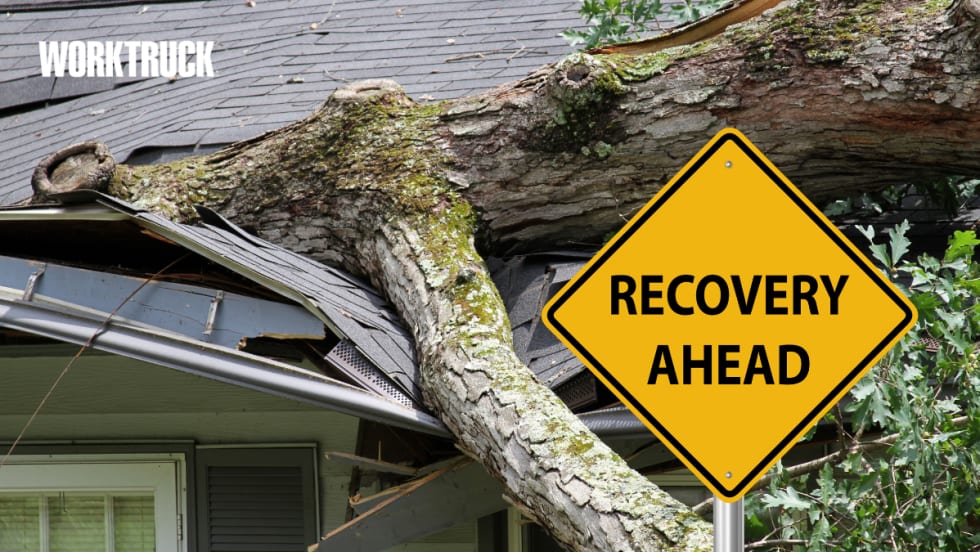
After the Storm Clears: Why Cargo Risk Spikes During Disaster Recovery
When the storm ends, cargo theft risk can spike. Here’s why the restart phase is the danger zone and what fleets can do to stay ahead.
Read More →
Your Suppliers Are Part of Your Disaster Plan
Your suppliers can make or break disaster response. Here’s how fleets can reduce vendor risk and keep critical parts flowing when storms hit.
Read More →
How Federal Disaster Declarations Work and Why Fleet Leaders Need to Know
How federal disaster declarations work and why fleet leaders should care about funding, reimbursements, infrastructure repairs, and recovery timelines.
Read More →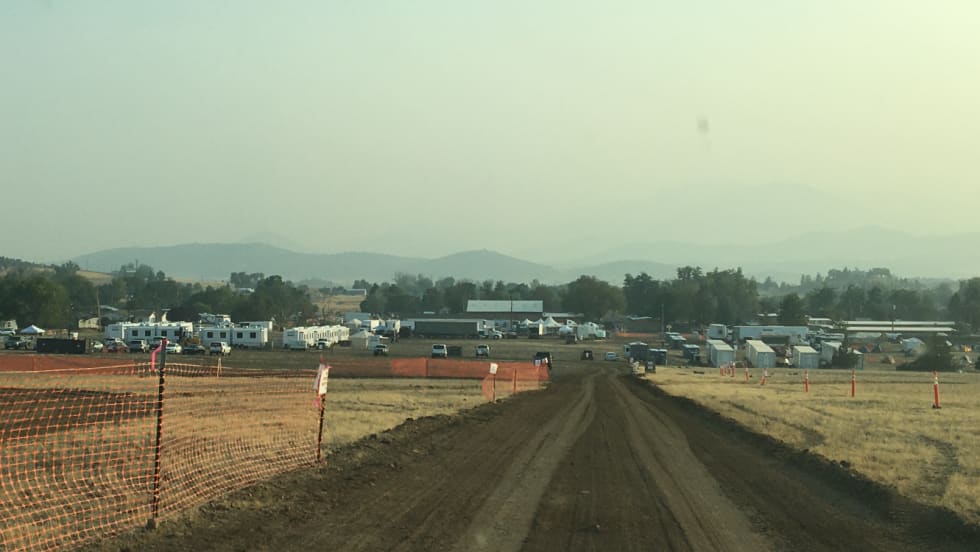
Disaster Readiness Is Not a Fleet Count, It’s a Stress Test of the Whole System
Fleet readiness isn’t about your vehicle count. It’s about condition, capacity, and whether your system can actually perform under stress.
Read More →
Disaster-Proofing Fleet Operations: How to Maintain Uptime When Conditions Are Anything but Normal
When disaster strikes, fleet uptime depends on prep, mobile maintenance, clear visibility, and disciplined execution before, during, and after the event.
Read More →
Finding the Vital Strand: Equipment Repairs in Remote Locations
When a stranded excavator stalled a remote Alaska project, disciplined troubleshooting and teamwork uncovered the one connection that made it run again.
Read More →