Fleet Facilities Face Collapse: Why Small Businesses Can’t Afford Earthquake Inaction
Fleet facilities are critical to America’s supply chain, but many small businesses are unprepared for earthquakes. Retrofitting now could save your livelihood later.
by Kyle Tourjé, Alpha Structural, Inc.
October 21, 2025
Fleet facilities are the backbone of America’s supply chain. Earthquake preparedness isn’t optional, it’s essential for protecting people, trucks, and operations.
Photo: Work Truck
5 min to read
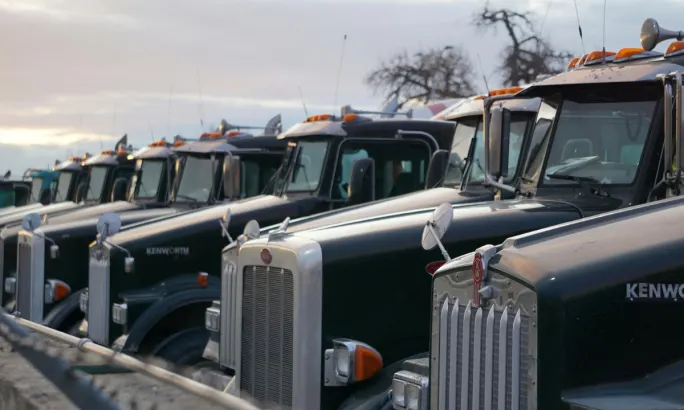
The ground beneath America’s supply chain is more fragile than most business owners realize. With trucks carrying 72.5% of the nation’s freight, the fleet facilities that house these critical assets are the unsung heroes of our economy. Yet, many of these depots and garages are dangerously unprepared for the seismic risks that lie beneath them.
Ad Loading...
The U.S. Geological Survey estimates that earthquakes cause up to $15 billion in losses each year, but for a small business, the cost is far more personal and often permanent. If a fleet facility fails, it’s not just trucks that can be lost; it’s the livelihoods of drivers, mechanics, and technicians, as well as the very continuity of the business itself.
Ad Loading...
Proactive seismic retrofitting is not an expense; it is a fundamental investment in resilience, protecting lives, assets, and our collective economic stability.
A Dangerous Gap Between Risk and Readiness
Many fleet facilities operate out of older, unreinforced masonry (URM) buildings (structures notoriously vulnerable to collapse during an earthquake). Built with heavy, rigid walls and minimally connected roofs, these buildings often lack the synchronization needed to withstand seismic forces.
During an earthquake, the walls can move independently of the roof, leading to catastrophic failure. This movement poses a direct threat to the people inside and the valuable vehicles they maintain. The financial fallout is just as devastating. Fleet downtime alone costs an estimated $448 to $760 per vehicle per day, which can exceed $245,000 annually for a mid-sized fleet.
The issue isn’t just about recoverable damage; it’s about business extinction. According to the SBA, a staggering 90% of small businesses fail within two years of a major disaster, and 40% never reopen their doors at all.
For these companies, an earthquake doesn’t mean a temporary operational pause; it means a permanent shutdown. They lose their headquarters, their systems, and their core infrastructure in a single, unexpected blow. While business owners may feel overwhelmed by the prospect of another capital expense, the reality is that the cost of inaction is infinitely higher. We must shift our mindset from reactive recovery to proactive fortification.
Ad Loading...
Older fleet depots often lack proper seismic reinforcement. Simple upgrades like roof-to-wall connections can make the difference between damage and collapse.
Photo: Alpha Structural, Inc.
Strategic Opportunity: Proactive Retrofitting is a Feasible and High-Return Investment
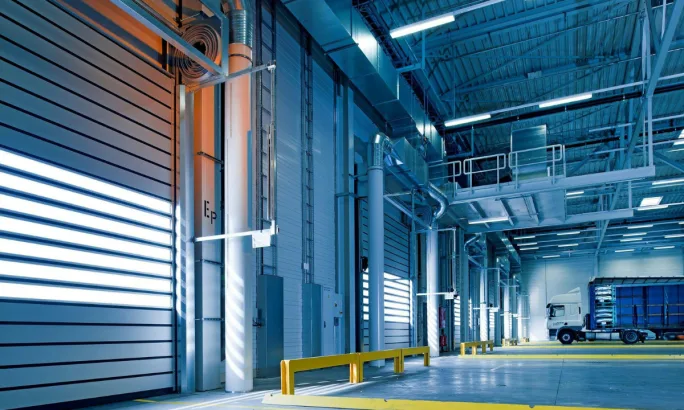
The good news is that protecting these vital facilities is more achievable than many believe. Unlike finished commercial or residential properties, fleet depots are often large, open warehouse-style buildings with exposed walls and roof structures. This accessibility makes them comparatively easier and more affordable to retrofit.
Even basic, targeted upgrades can yield an outsized return on safety and business continuity. A professional evaluation is the crucial first step to understanding a building’s specific vulnerabilities, from seismic weaknesses to deferred structural maintenance that can compound risk.
Reinforce Critical Connections: One of the most effective retrofitting strategies is augmenting the connections between the roof and the walls. Strengthening these points and ensuring continuity throughout the structure helps the building move as a single, synchronized unit during a seismic event, drastically reducing the risk of roof collapse.
Anchor and Brace: For many structures, anchoring the foundation and bracing the walls provides an enormous boost in resilience. These enhancements can reduce the risk of collapse, buying invaluable time for employees to evacuate and for critical assets to be moved to safety. It isn’t just about preventing total failure; it’s about mitigating damage to a recoverable level.
Invest in Resilience on Your Own Terms: A planned retrofit, although it incurs significant costs, is a manageable step that positions a business for long-term security. It enables a business, whether large or small, to schedule downtime, manage finances, and control the process. This advanced planning stands in stark contrast to the chaos of a post-disaster scenario, where a business is forced to operate on Mother Nature’s destructive terms. Every dollar invested in mitigation saves an estimated $11 in recovery costs, making it one of the most financially savvy decisions a business owner can make.
Upgrade Building Materials: Replacing outdated or weakened building materials with modern, high-performance alternatives can significantly improve a structure’s ability to withstand seismic forces. Materials such as reinforced concrete, steel, or even fiber-reinforced polymers offer durability and flexibility, thereby reducing the likelihood of catastrophic failure during an earthquake.
Implement Energy Dissipation Systems: Installing energy dissipation devices, such as dampers or base isolators, can help absorb and redirect seismic forces away from critical structural components. These systems not only protect the building during a major event but also reduce the need for extensive repairs afterward, ensuring faster recovery and minimized operational downtime.
When an earthquake strikes, the trucks aren’t the only assets at risk, their storage and maintenance facilities are, too. Retrofitting keeps fleets rolling.
Photo: Alpha Structural, Inc.
The Future Outlook: From Individual Risk to Collective Resilience
The path from risk awareness to genuine preparedness is paved with practical support. Financing is often the biggest hurdle for small businesses considering a seismic retrofit. These projects are not inexpensive and can temporarily disrupt operations.
This is where policy and financial incentives play a decisive role. By establishing low-interest loans, subsidies, and other programs specifically for seismic resilience, we can empower the private sector to upgrade our nation’s infrastructure. Incentivizing these projects saves a substantial amount of money in catastrophic disaster response, thereby lessening the burden on federal agencies such as FEMA and the SBA.
Ad Loading...
As business leaders, we cannot afford to gamble with our futures. The first step is simple: evaluate your facility. Understand its structural weaknesses. Ensure your insurance policies provide adequate coverage for seismic events.
If you own your building, investing in its structural integrity not only builds equity but also protects your livelihood. If you lease, understanding the risks enables you to advocate for safety and make informed decisions about your operational base.
Ultimately, the resilience of our individual businesses contributes to the strength of our national supply chain and the ability of our communities to recover after a disaster. Taking smart, proactive steps today is the only way to ensure that when the ground shakes, your business remains on solid footing.
About the Author: Kyle Tourjé is a second-generation contractor specializing in structural retrofitting, repair, and geohazard mitigation throughout Southern California. As Executive Vice President of Alpha Structural, Inc., he oversees all engineering and construction operations. Tourjé’s focus is on advancing straightforward, lasting solutions that improve safety and resilience for communities across the region.
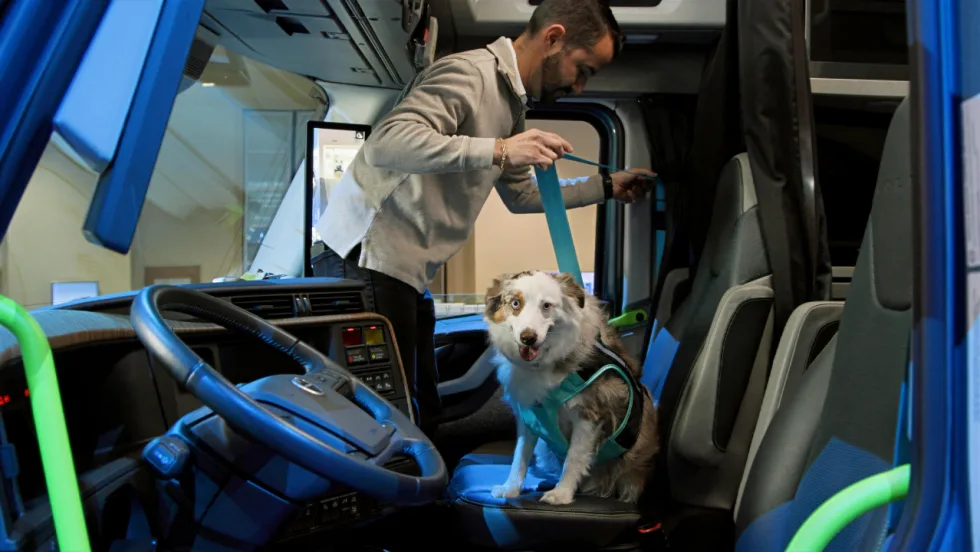
One of the most important recommendations for professional drivers traveling with pets is to ensure pets are properly restrained while the truck is moving. Other tips are available in the new guide from Volvo Trucks North America and Center for Pet Safety.
The American Petroleum Institute offers a list of safe vehicle refueling guidelines, including ways to avoid potential problems with static electricity discharges in fall, winter, and early spring.
Cold weather can expose weak batteries, tires, fuel systems, and maintenance gaps fast. Use this winter fleet checklist to prepare trucks and drivers before temperatures drop.
Fleet service partnerships rarely fall apart all at once. Learn the three warning signs that trust is eroding and what fleets and providers can do before downtime, frustration, and lost revenue follow.
Applause has integrated TRUCE driving metrics directly into its employee-first performance and safety platform that transforms mobile devices into AI-powered telematics.
Do you want to see what it is like to experience Detroit Assurance’s Active Brake Assist? In this video, Work Truck will put you in the cab to see how it all works and then hear more details from DTNA’s Mike Young.
Violence risks do not stop at the driver’s door. Learn five practical steps fleets can take to spot threats early and protect workers before loss occurs.
Fleet leaders don't need more data, they need clearer visibility into what the data is saying. This case study explores how one utility replaced speeding-event counts with a single metric — miles driven in violation — to strengthen safety and significantly reduce speeding violations.