




Stay Ready When Disaster Strikes: Summer heat brings more than breakdowns — it fuels wildfires, storms, and extreme weather. Get ahead of it with expert fleet tips at DisasterResponseGuide.com. Stay prepared, keep your fleet moving, and protect your bottom line.
Beat the Heat: Your Fleet's Summer Survival Strategy
Summer heat strains your fleet. Avoid breakdowns with four key maintenance tips for tires, batteries, cooling systems, and A/C. Keep drivers safe and productive.
by Mike Hagaman, FleetNet America by Cox Automotive
July 24, 2025
Hot weather strains every truck system. Focus on tires, batteries, cooling systems, and A/C to prevent costly summer breakdowns.
Photo: Work Truck
3 min to read

Summer doesn’t just bring heat: it brings pressure. As temperatures rise, so does the strain on every component of your fleet.
In today’s high-demand logistics environment, a single breakdown during peak season can send shockwaves through your operation: missed deliveries, halted productivity, frustrated clients, and emergency repair costs that eat into your bottom line.
The real question isn’t ifsummer will test your fleet, it’s whether you’ve prepared it to perform under pressure.
How to Beat the Summer Heat for Your Work Truck Fleet
To beat the heat before it beats your operation, center your preventive maintenance strategy on these four critical areas:
1. Tire Yard Checks: Your First Line of Defense
Low tire pressure is the leading cause of tire-related breakdowns. Regular yard checks allow you to identify and address underinflated or damaged tires before vehicles leave the lot. Whenever possible, schedule these checks during business hours to avoid after-hours labor rates.
A good rule of thumb? Never adjust the pressure on hot tires immediately after they've been off the road — it can result in dangerous inaccuracies and premature tire failures.
2. Batteries and Charging Systems: The Overlooked Summer Risk
While winter often gets the blame, high summer temperatures degrade batteries even faster. Heat accelerates chemical reactions, which can shorten battery life and increase the risk of failure, often without warning.
It's also worth addingroutine load testing, making sure terminals and posts stay clean, and verifying charging systems are functioning at full capacity. Don’t wait for a roadside no-start to expose weaknesses in your electrical system.
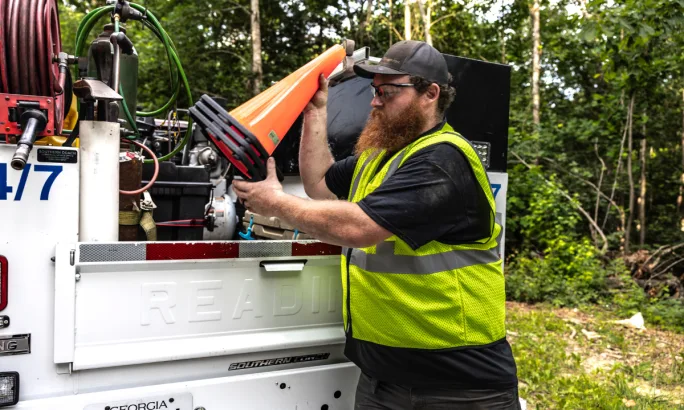
A fleet worker preps for roadside safety by unloading traffic cones during a summer job site visit. High temperatures mean high stakes and smart prep like this keeps downtime in check and operations moving.
Photo: FleetNet America by Cox Automotive
3. Cooling Systems: Meeting the Demands of Modern Engines
Today’s engines operate under hotter conditions, placing increased stress on the cooling system. To prevent overheating, inspect all belts, including idler pulleys, hoses, and coolant protection levels.
Visual checks alone don’t cut it. Belts and hoses deteriorate from the inside out. As a preventive best practice, replace any components that are five years or older. Also, keep radiator screens clean and free of debris to ensure optimal air flow and performance.
4. A/C System Inspections: Comfort, Safety & Reliability
Driver comfort isn’t just a perk; it’s a safety and performance factor. Malfunctioning air conditioning systems can lead to discomfort, fatigue, and distracted driving. On top of that, roadside A/C repairs are notoriously costly and complicated.
Prevent those headaches with scheduled inspections: check system operation, clear condensation drains, fix refrigerant leaks, and always replace the air dryer when the system has been opened. A cool, comfortable driver is a focused and productive one.

Don’t overlook A/C checks! Driver comfort reduces fatigue, cuts down on distractions, and keeps your fleet safer on the road.
Photo: Work Truck
Summer Heat is Inevitable, but Breakdowns Don’t Have to Be
Proactive maintenance is your best defense against rising temperatures and unexpected repair costs. Every effort you invest now pays off in increased uptime, improved driver safety, enhanced customer satisfaction, and increased operational efficiency.
By incorporating these four key areas into your regular summer maintenance routine, you can keep your fleet running smoothly and reliably, regardless of the season's heat.
Subscribe to Our Newsletter
More Safety & Compliance

Recalls You Need to Know About in October 2026
In October 2026, what recalls might impact your fleet? Work Truck has the answers in this comprehensive overview of recent NHTSA recalls.
Read More →
Construction Fleets Show Telematics Adoption Alone May Not Reduce Driving Risk
SambaSafety found construction fleets monitor roughly 92% of their vehicles but recorded the highest severe speeding rate among industries studied.
Read More →
Lytx Launches 360 Hub Kit for Expanded Fleet Camera Visibility
Lytx’s new AI-ready gateway and HD auxiliary camera ecosystem, the Lytx 360 Hub Kit, extends visibility across side, rear, cargo, and blind-zone views to help fleets see more and respond faster.
Read More →From Our Partners



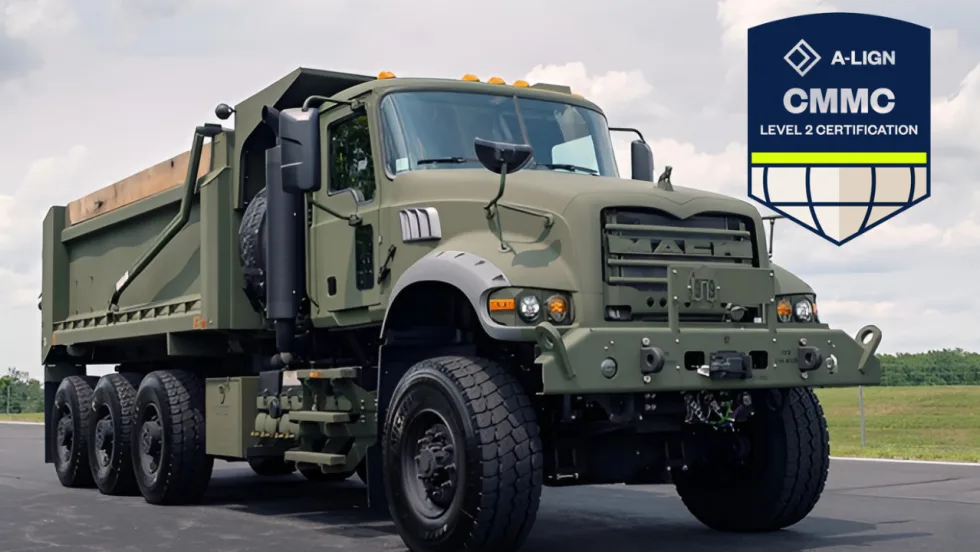
Mack Defense Achieves Cybersecurity Maturity Model Certification Level 2
After an assessment conducted by an authorized Certified Third-Party Assessment Organization (C3PAO), Mack Defense has achieved Cybersecurity Maturity Model Certification (CMMC) Level 2.
Read More →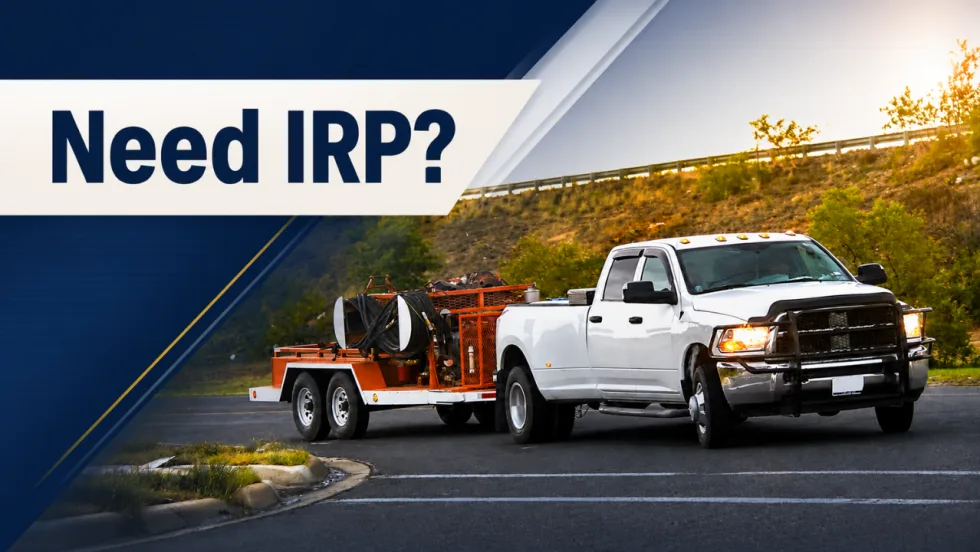
When Work Trucks Under 26,001 Pounds Need IRP Registration
Think trucks under 26,001 pounds are automatically in the clear when it comes to IRP? Not always. Learn where lighter vehicles can still run into trip permit, apportioned registration, and IFTA compliance requirements when crossing state or provincial lines.
Read More →
Smith System Wants Work Truck Fleets to Look Beyond the Driver Alert
Smith System’s new Driver Risk Management program is built to help mixed work truck fleets turn telematics alerts and observations into specific behaviors, coaching actions, and measurable follow-up.
Read More →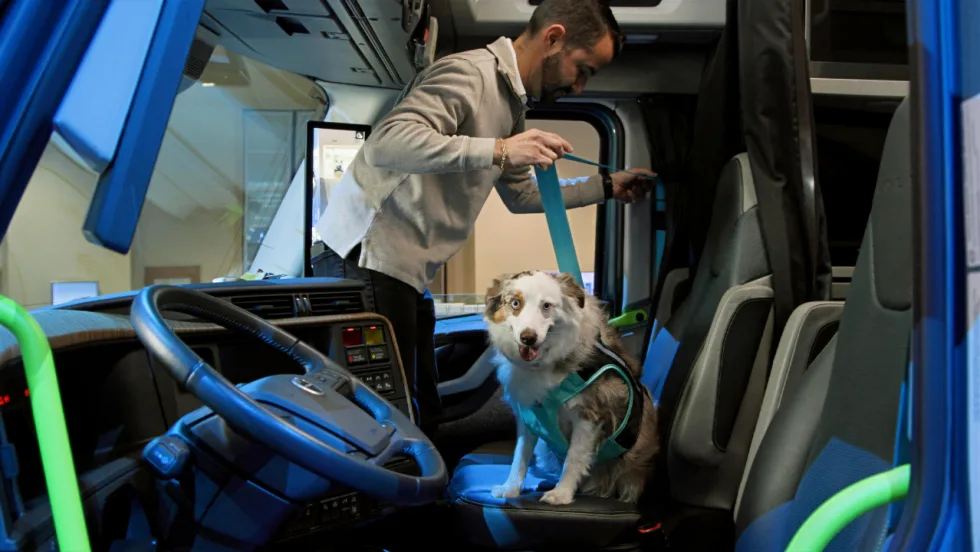
Volvo Trucks Releases New Safety Recommendations for Traveling with Pets
One of the most important recommendations for professional drivers traveling with pets is to ensure pets are properly restrained while the truck is moving. Other tips are available in the new guide from Volvo Trucks North America and Center for Pet Safety.
Read More →
Are Work Truck Drivers Warming Up to Dash Cams and GPS Tracking?
A new survey finds field-service drivers may be more comfortable with dash cams and GPS tracking than fleet managers think, especially when the technology helps protect them after a crash.
Read More →
Recalls You Need to Know About in September 2026
If you have Altec, Chrysler, Ford, Heil, General Motors, International, Mack Trucks, Paccar, Rivian, Royal Truck, Toyota, US Truck Body, or Volvo Trucks vehicles in your fleet, you should check these important recalls issued by the National Highway Safety Administration.
Read More →
API Issues Refueling Safety Guidelines
The American Petroleum Institute offers a list of safe vehicle refueling guidelines, including ways to avoid potential problems with static electricity discharges in fall, winter, and early spring.
Read More →