




2024 Work Truck Trends: Emissions and Regulatory Impacts
Fleet managers face a crossroads: CARB rules, EPA mandates, and EV momentum. Explore how 2024 trends impact vehicle choices and strategies.

Medium-duty electric trucks are proving their value as fleets adapt to evolving regulations and shifting fuel landscapes.
Photo: Work Truck
In 2024, fleets are navigating a rapidly changing regulatory environment that continues to impact product availability, vehicle choices, and operational strategies. With regulations like California’s Advanced Clean Fleets (ACF) rule and federal greenhouse gas (GHG) mandates driving change, fleet managers are balancing compliance with operational efficiency.
This article is part of our seven-part series exploring 2024 commercial vehicle market trends, from new inventory recovery to evolving buyer behaviors.
CARB Regulations and Diesel-Powered Challenges
The California Air Resources Board (CARB) remains a driving force in emissions standards, particularly in California and CARB-aligned states. For fleets dependent on diesel-powered vehicles, the transition has been challenging.
“Regulatory challenges — mainly CARB's ACF and low NOx regulations — have had an impact on the availability of diesel-powered products and forced fleets operating in California to look at EVs as a solution,” said Shaun Skinner, President of Isuzu Commercial Truck of America.
Skinner added that the supply side has finally shown signs of recovery. “After several years of demand exceeding supply, 2024 saw OEMs (and some body companies) able to finally catch up and start to meet the demands of fleets,” he added.
However, understanding the varying emissions regulations across states remains a hurdle. “Emissions for different states and having everyone understand what is in front of us is a major issue,” said Brian Tabel, VP of Marketing at Isuzu Commercial Truck of America.
With CARB regulations expanding their reach, fleet operators must stay informed and prepared to adjust their vehicle choices and long-term strategies significantly.
EPA Mandates and the Shift Toward Zero Emissions
At the federal level, the Environmental Protection Agency’s (EPA) upcoming greenhouse gas mandates are already influencing fleet decision-making.
“Wide-scale industry changes related to the latest EPA mandates are influencing the production and sales numbers of used commercial vehicles,” explained Mac Molli, Account Supervisor at Commercial Truck Trader.
Starting with model year 2027, new trucks will feature technology designed to reduce greenhouse gas emissions. While these regulations are essential for sustainability, they have also introduced uncertainty.
“Consumers are concerned about the reliability of these future models, so the government has issued further vehicle warranties to safeguard purchases,” Molli said. “This provides extra value at a lower cost and has sparked a flood of pre-buys. Consequently, more pre-owned models are available on the current market with a superior selection in terms of price and quality.”
This pre-buy trend presents a strategic opportunity for fleets to secure reliable assets before regulatory changes drive up costs or introduce untested technology.
Electrification Gains Momentum in Medium-Duty Fleets
While regulations are pushing fleets to explore alternative fuel vehicles, medium-duty trucks have emerged as an ideal proving ground for electrification.
“As the industry works to find the right mix and timeline for ICE and alternative fuel vehicles, 2024 confirmed that the medium-duty segment is in the current sweet spot for electrification,” said Ryan Gaul, President Commercial Vehicles at Workhorse.
Gaul pointed out that these vehicles (typically running predictable routes with manageable payloads) are well-suited for EV technology. “These vehicles are proving EV technology is ready to deliver real-world value for fleets,” he said.
The benefits of electrification extend beyond emissions reductions.
“Fleets leaned into electrification not just for sustainability but for resilience,” Gaul added. “Medium-duty EVs offer a stable alternative to volatile fuel prices and shifting regulatory environments. With lower maintenance costs and predictable energy use, they’ve become a dependable asset, regardless of external disruptions.”
A Balancing Act for Fleets
The road to emissions compliance remains complex, with evolving regulations and timelines creating challenges and opportunities. Fleets must balance the immediate need for reliable vehicles with the long-term push toward sustainability.
“From pre-buys ahead of new EPA mandates to exploring the growing benefits of electrification, fleets are taking proactive steps to navigate an uncertain regulatory landscape,” said Molli. Staying ahead of the curve, whether by embracing EVs, managing diesel phaseouts, or optimizing vehicle procurement, will be critical for fleet managers aiming to remain compliant and competitive.
Check Out the Full 2024 Trends Series
Don’t miss the rest of the series:
Overall Market and Used Vehicle Outlook – A recovery in new inventory, challenges in used markets, aging fleets, and shifting buyer demands.
Navigating Disruptions: Supply Chain Resilience – How fleets are overcoming parts shortages and global challenges.
Electrification and EV Adoption – Why medium-duty fleets are leading the EV charge.
Technology and AI Innovation – Transforming safety, efficiency, and decision-making.
Labor and Workforce Shortages – How fleets are fighting back with training and retention strategies.
Cost Management and Resiliency – Strategies to control TCO and build economic stability.
More Green Fleet

Fleet Forward Conference Introduces One-Day Passes for 2026
New one-day registration gives fleet professionals the flexibility to attend Tuesday, Wednesday, or Thursday, with passes available for $199 through Sept. 18.
Read More →
CALSTART Rebrands as Catalyst Mobility, Will Combine with Forth in 2027
CALSTART has rebranded as Catalyst Mobility and will combine with Forth at the start of 2027. The new organization said it is poised to become one of the world's largest, strongest, and most impactful clean transportation nonprofits.
Read More →
Electric Truck and Charging Programs to Boost Sustainability at NY & NJ Ports
Together, the Port Authority of New York and New Jersey and CALSTART will electrify drayage and terminal operations serving the East Coast’s busiest container port. A pair of incentive programs totaling $45 million has launched to accelerate adoption of zero-emission drayage trucks and terminal tractors.
Read More →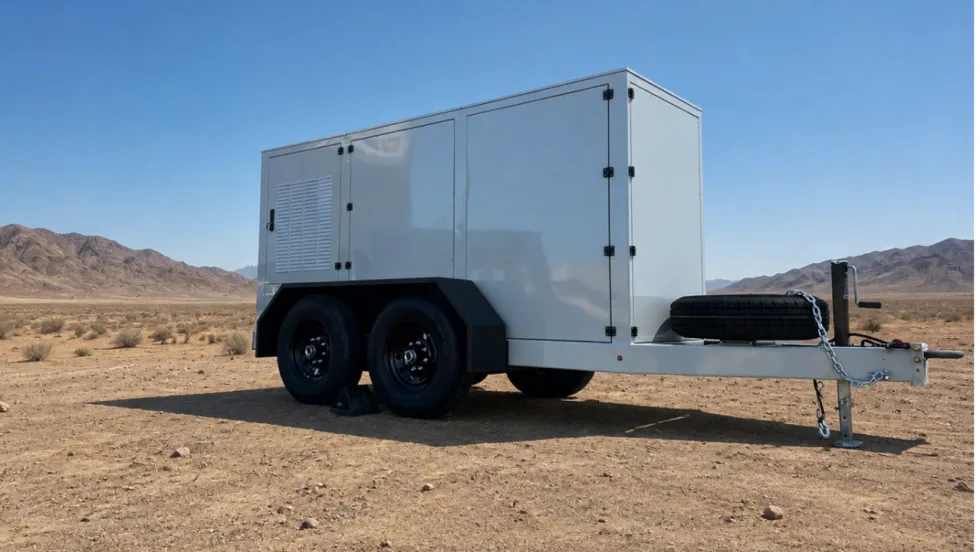
Xos Hub Surpasses One Gigawatt-Hour of Energy Delivered in the Field
A single Xos Hub has surpassed one gigawatt-hour of energy across more than 33,600 charging sessions in the field, demonstrating performance that supports Xos' expansion across new products and markets.
Read More →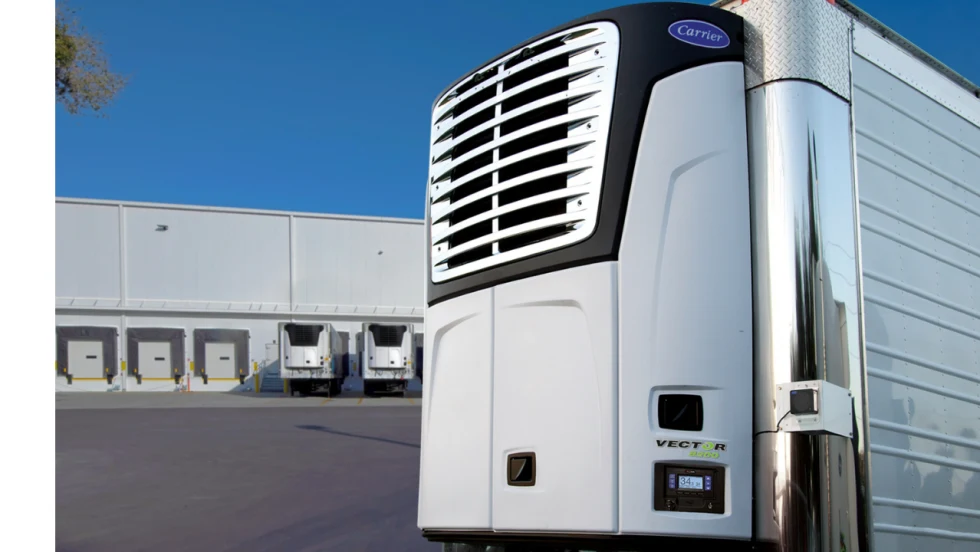
Carrier Transicold Launches All-Electric Vector 8200 TRU for Diesel-Free On-Site Cold Storage
Carrier Transicold’s first engineless multi-temperature TRU helps fresh- and frozen-food fleets add supplemental cold storage capacity during seasonal peaks.
Read More →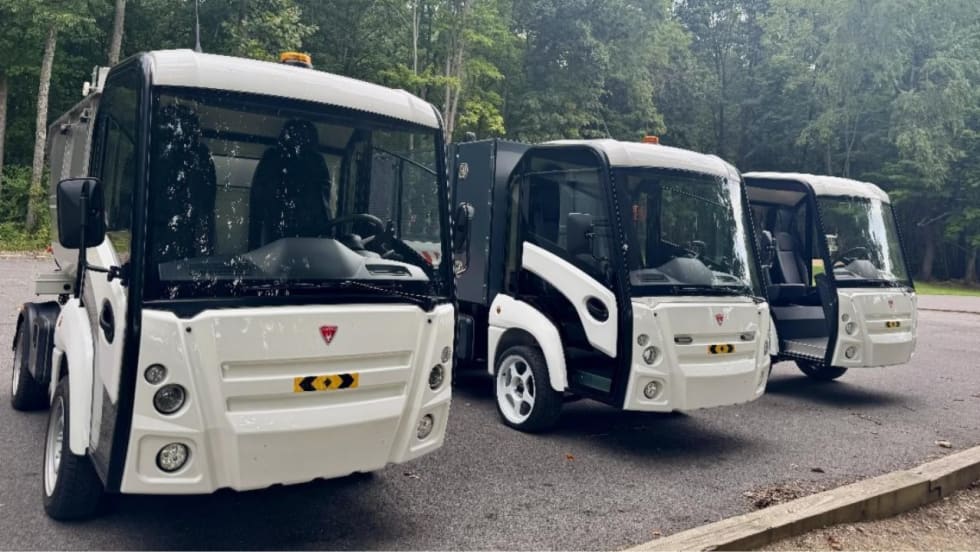
Narro Trucks Introduces Electric Utility Vehicle
Narro Trucks officially launched its operations on Aug. 20 and hosted a ride and drive to showcase its electric truck, which will be produced in Virginia.
Read More →
Samsung SDI Takes Full Control of GM Battery JV as Indiana Plant Pivots to Energy Storage
Samsung SDI is taking full control of its Indiana battery plant with GM, marking a major shift from the EV-focused joint venture Charged Fleet first covered in 2023.
Read More →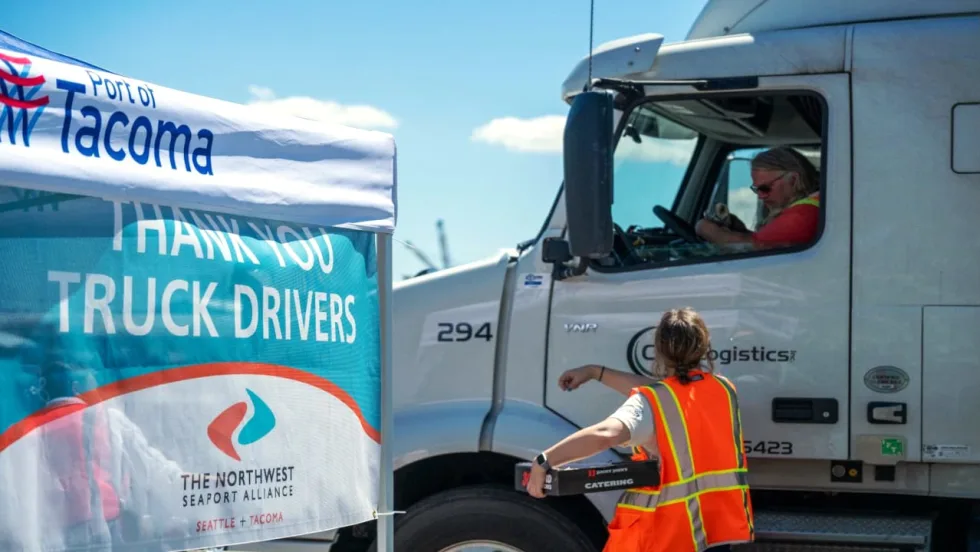
NWSA Taps CALSTART to Administer Zero-Emission Drayage Assistance Program
CALSTART will provide free technical assistance services to drayage fleets serving the Ports of Seattle and Tacoma and looking to transition to cleaner technologies and help decarbonize freight hubs.
Read More →
EV Fleet Reality Check: What Operators Wish They Knew Before Electrifying Their Work Vans
Electric work truck upfits bring new compatibility questions. Learn how parts availability, OEM guidance, power demands, and route planning can affect fleet performance.
Read More →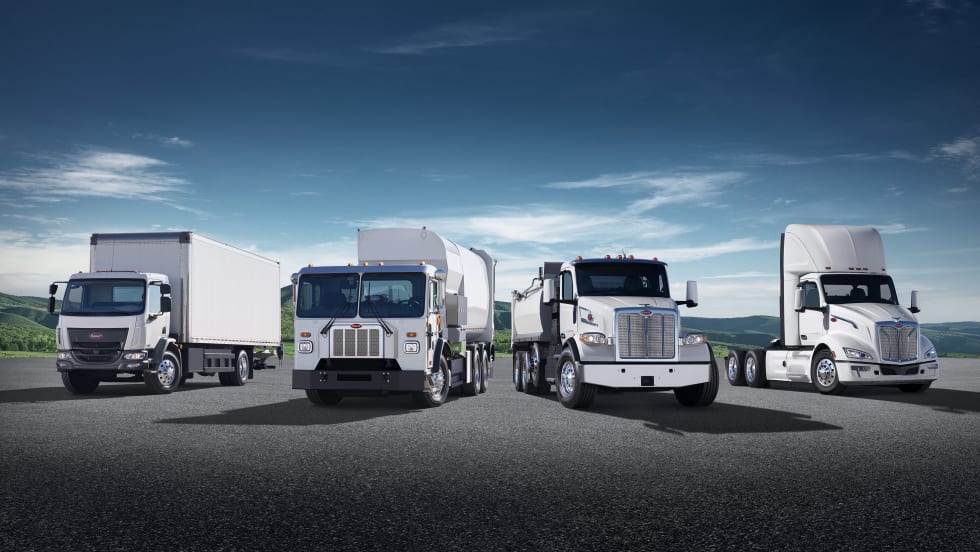
Peterbilt Expands Sourcewell Partnership with Electric Vehicle Lineup
Peterbilt Motors Company’s cooperative purchasing agreement with Sourcewell and its Canadian partner, Canoe Procurement Group, now includes including Peterbilt's battery-electric vehicle lineup.
Read More →