




Proactive Grid Investments for Electric Trucks Could Save Millions
Proactive grid upgrades for electric trucks and buses could save millions and reduce delays, offering major benefits for work truck fleets and utilities.
December 3, 2024


Proactive grid planning supports the electrification of work truck fleets, reducing costs and enabling faster charging infrastructure deployment.
Photo: Work Truck
3 min to read
A new study from the Environmental Defense Fund (EDF) and Black & Veatch highlights the potential cost savings for ratepayers when utilities proactively upgrade the electric grid to meet the demands of medium- and heavy-duty electric trucks and buses.
The study, titled Pro-Active Grid Investment Assessment Medium- and Heavy-Duty Vehicle Transportation Electrification, analyzed grid buildout scenarios using data from CenterPoint Energy Houston and Con Edison in New York. Findings suggest that early investment in grid upgrades could save millions—approximately $20 million in Con Edison's territory and $10–13 million in CenterPoint's area—compared to a reactive approach.
Michael Zimmerman, senior attorney for EDF electrification, emphasized the importance of early action: "Investing in the grid proactively tends to cost less, even where future charging demands are uncertain. 'Wait and see' is not a strategic option for utilities when it comes to electric truck charging infrastructure."
Work truck fleets stand to benefit significantly from proactive grid planning. Early utility investments can help reduce delays in connecting fleet charging sites to the grid, offering more predictable timelines and operational continuity for electrification projects.
Addressing the 'Chicken or Egg' Dilemma
The growing adoption of electric trucks and buses presents a significant challenge for utilities and regulators: Should infrastructure be built in anticipation of increased demand, or should they wait for demand to materialize?
The study tackled this dilemma by modeling various investment scenarios and comparing the risks and costs of overestimating versus underestimating future EV loads.
Findings suggest that proactive investment strategies, such as building substations to accommodate anticipated long-term growth, can yield significant cost savings. The lowest-cost planning approach often involves proactive and sequential strategies tailored to specific circumstances.
These approaches are especially critical in areas with high fleet density, such as industrial parks and urban centers.
Managed charging strategies, like scheduling charging during off-peak hours or using smart charging software, can further reduce costs for both utilities and fleet operators.
Broader Implications for Fleet Clusters
Proactive planning in regions with multiple fleet operators, such as industrial hubs, can enable faster service and reduced costs for fleet electrification.
Case studies in the report, including the Logan Bus Company in New York and a Maersk distribution center in Houston, underscore the importance of utilities and fleets coordinating early to align infrastructure planning with fleet electrification goals.
Regulatory Drivers and Cost Implications
Policies like the Advanced Clean Trucks (ACT) rule and other zero-emission mandates are accelerating the transition to electric vehicles in the work truck sector. Proactive grid upgrades can help utilities and fleets comply with these regulations while minimizing long-term costs.
Additionally, aligning proactive utility investments with grant timelines for EV adoption ensures fleets can access charging infrastructure without delays, maximizing the benefits of state and federal incentives.
Planning for the Future of Work Truck Electrification
The study concludes that utilities should prioritize proactive planning to meet the needs of fleet operators better and support the broader transition to clean transportation. Engaging with utilities early and sharing fleet electrification plans can help streamline interconnections, minimize delays, and reduce costs.
For work truck fleets, this proactive approach offers clear benefits: faster infrastructure readiness, predictable timelines, and cost savings over the long term. As electrification continues to gain momentum, these insights provide a roadmap for utilities and fleets to collaborate effectively and ensure a smooth transition to cleaner, more sustainable operations.
More Sustainability
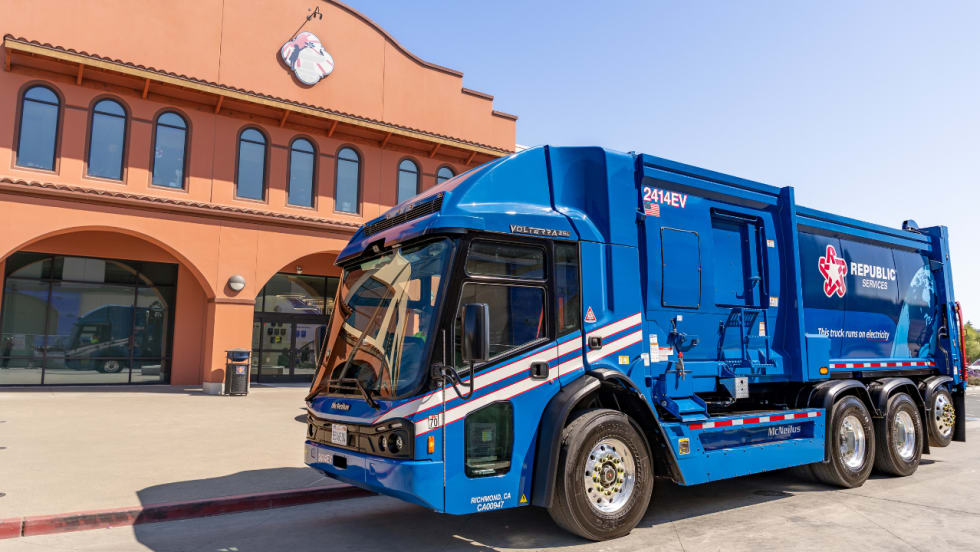
What Republic Services Learned Moving Electric Trucks Beyond the Pilot
With 250 electric refuse trucks now in service, Republic Services is learning that scaling a new powertrain depends as much on routes, drivers, technicians, and daily operations as it does on the truck itself.
Read More →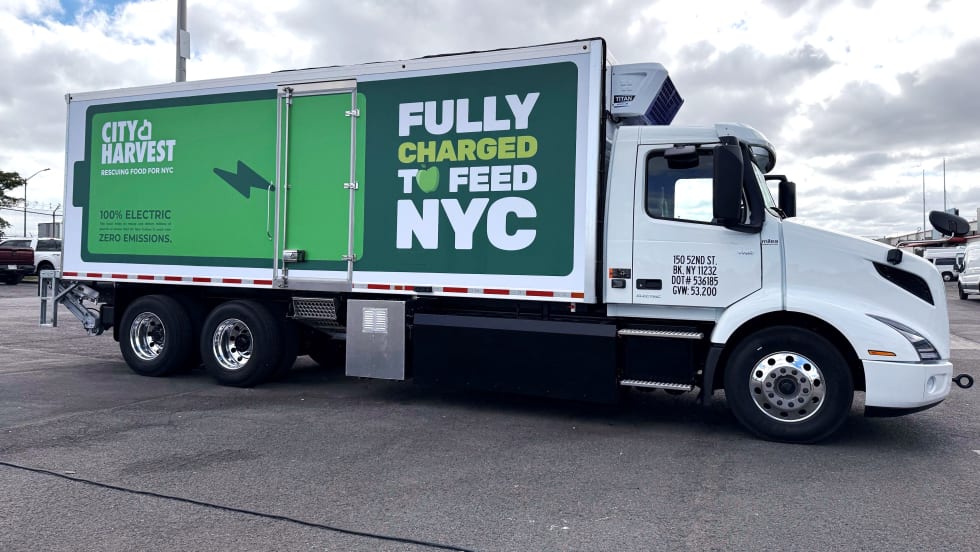
City Harvest Begins Using Volvo VNR Electric Trucks to Rescue Food Across New York City
Volvo Trucks North America and the Bronx Is Breathing project team handed over three new Volvo VNR Electric trucks to City Harvest, which will use the trucks to rescue and deliver food throughout the Bronx and across all five boroughs of New York.
Read More →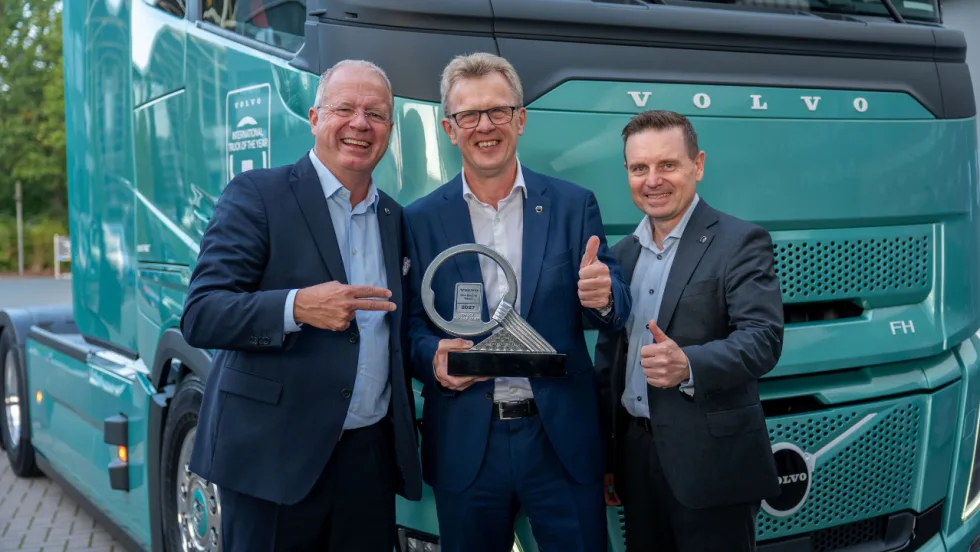
Volvo Trucks Wins International Truck of the Year 2027 for its Global Electric Range
Volvo Trucks' global heavy-duty electric range has been named International Truck of the Year 2027. Since 2019, more than 7,000 electric Volvo trucks have driven more than 310 million miles worldwide.
Read More →


Fleet Forward Conference Introduces One-Day Passes for 2026
New one-day registration gives fleet professionals the flexibility to attend Tuesday, Wednesday, or Thursday, with passes available for $199 through Sept. 18.
Read More →
CALSTART Rebrands as Catalyst Mobility, Will Combine with Forth in 2027
CALSTART has rebranded as Catalyst Mobility and will combine with Forth at the start of 2027. The new organization said it is poised to become one of the world's largest, strongest, and most impactful clean transportation nonprofits.
Read More →
Electric Truck and Charging Programs to Boost Sustainability at NY & NJ Ports
Together, the Port Authority of New York and New Jersey and CALSTART will electrify drayage and terminal operations serving the East Coast’s busiest container port. A pair of incentive programs totaling $45 million has launched to accelerate adoption of zero-emission drayage trucks and terminal tractors.
Read More →
The Smart Way to Build a Mixed-Energy Fleet Isn’t About Picking a Side
Mixed-energy fleets aren’t about picking a winning fuel. Sarah Booth of WEX explains how vehicle data, duty cycles, charging strategy, and real-world costs can help fleets choose the right energy source for each job.
Read More →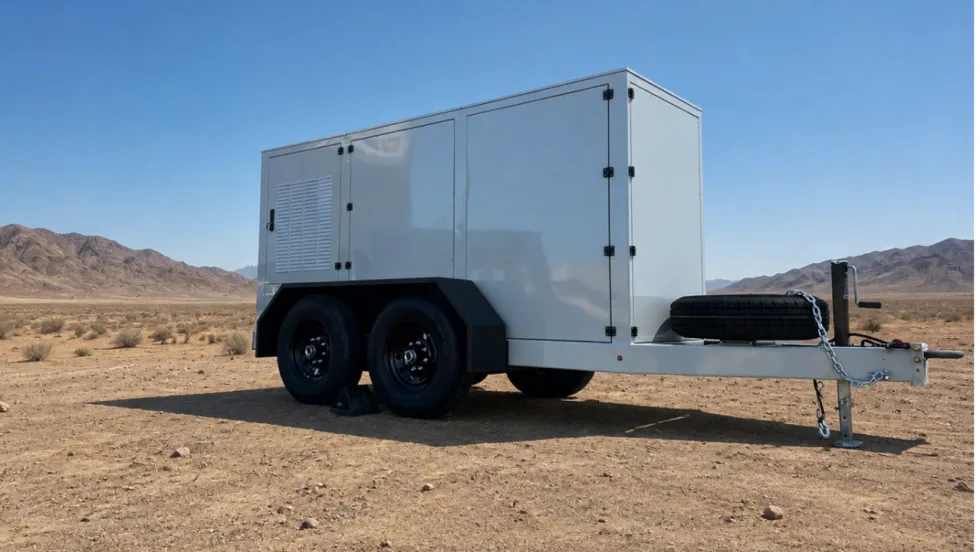
Xos Hub Surpasses One Gigawatt-Hour of Energy Delivered in the Field
A single Xos Hub has surpassed one gigawatt-hour of energy across more than 33,600 charging sessions in the field, demonstrating performance that supports Xos' expansion across new products and markets.
Read More →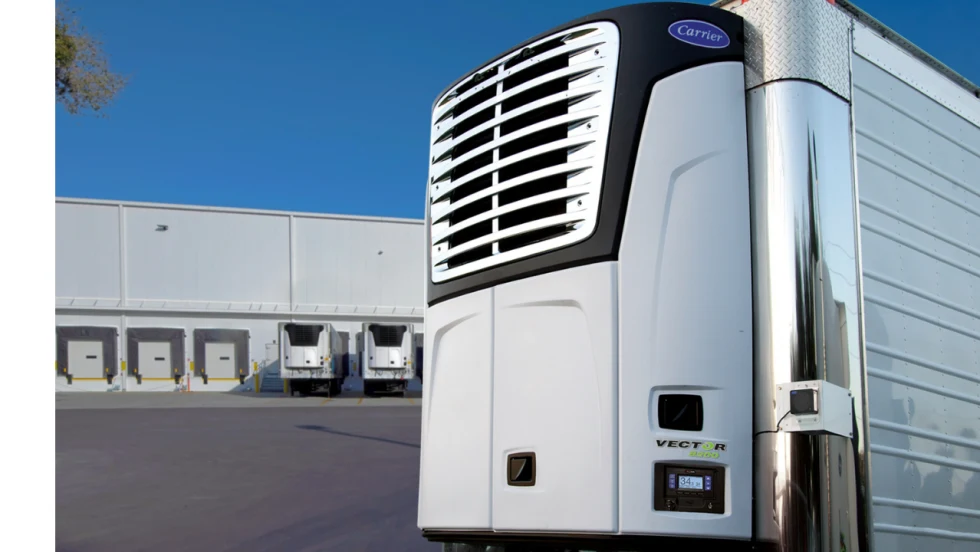
Carrier Transicold Launches All-Electric Vector 8200 TRU for Diesel-Free On-Site Cold Storage
Carrier Transicold’s first engineless multi-temperature TRU helps fresh- and frozen-food fleets add supplemental cold storage capacity during seasonal peaks.
Read More →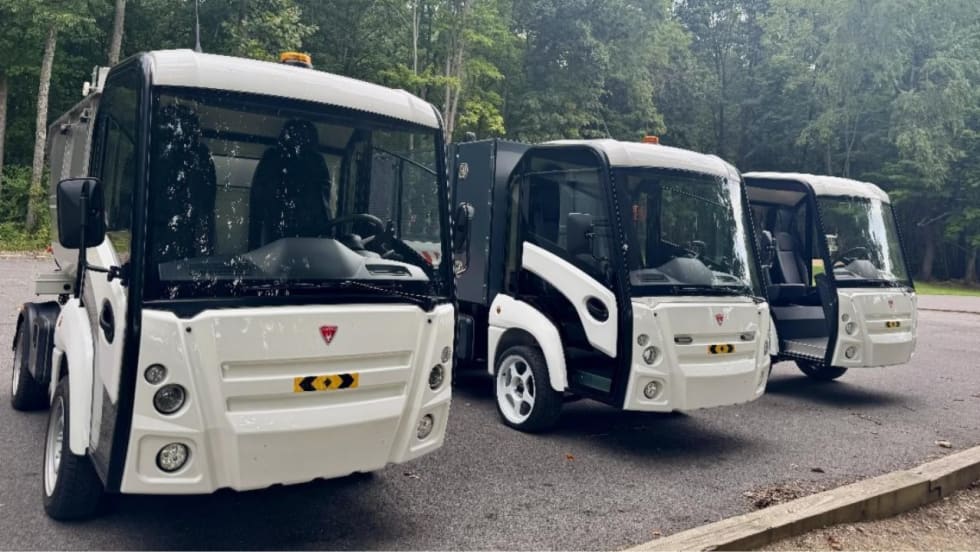
Narro Trucks Introduces Electric Utility Vehicle
Narro Trucks officially launched its operations on Aug. 20 and hosted a ride and drive to showcase its electric truck, which will be produced in Virginia.
Read More →