





RELATED: SoCalGas Helps Calif. Fleets Acquire Natural Gas Trucks
Food Express Expands Truck Fleet
Southern California Gas Co. and Food Express, Inc. (FXI) announced the addition of 11 new, ultra-low emission natural gas trucks to the FXI fleet with 35 more trucks on order.
August 15, 2018
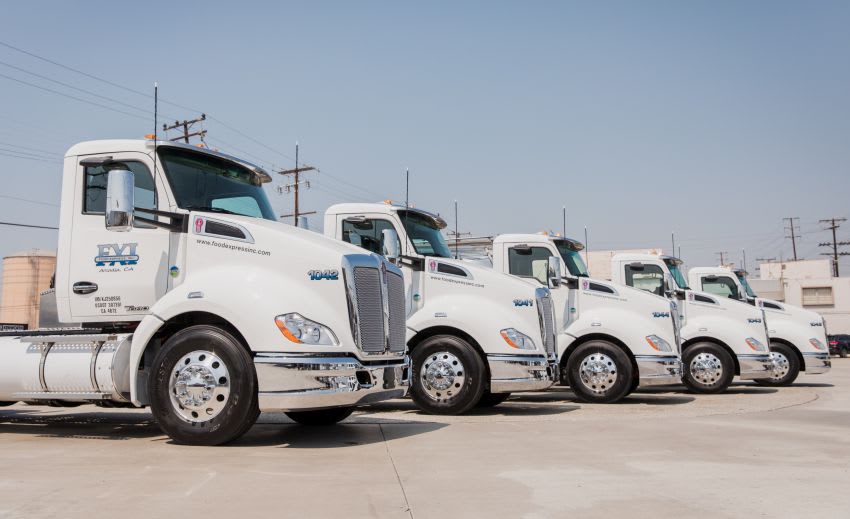
The purchase of 46 new trucks represents about 50% of FXI’s California fleet.
Photo courtesy of SoCalGas
3 min to read
Southern California Gas Co. and Food Express, Inc. (FXI) announced the addition of 11 new, ultra-low emission natural gas trucks to the FXI fleet with 35 more trucks on order.
SoCalGas assisted the company, which transports flour and malt barley throughout California, apply for and received $1.1 million in grant funding for the new trucks that started making deliveries Aug. 14, 2018. Funding was received from the Prop 1B program administered by the San Joaquin Valley Air Pollution Control District and the California Hybrid and Zero-Emission Truck and Bus Voucher Incentive Program (HVIP).
The purchase of 46 new trucks represents about 50% of FXI’s California fleet. The company is on the wait list for an additional $900,000 in Prop 1B grants from the San Diego Air Pollution Control District, which would be used to purchase another nine trucks. According to the company, replacing 55 diesel trucks with new ultra-low emission natural gas trucks is the equivalent of taking more than 3,100 passenger cars off the road.
“As the owner of a local business that’s been in my family for four generations, it is important that our company be part of the clean air solution,” said Kevin Keeney, vice president of Arcadia, Calif.-based Food Express, Inc. “We’ve heard from many customers over the last few years about ways we can make our operation more environmentally-friendly. Our fleet travels about 7.5 million miles in California each year and the technological advancements of these new heavy-duty engines made our decision to switch to natural gas trucks an easy choice.”
Over the past year, the utility company has helped customers such as Food Express with more than 400 applications for incentive funding to use for the trade in of existing diesel trucks for new natural gas ones.
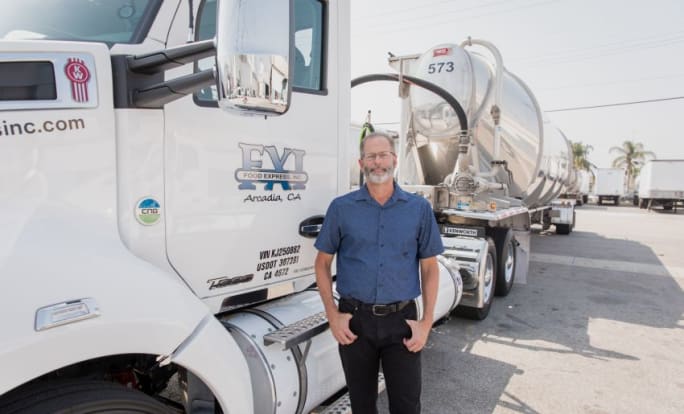
Over the past year, the utility company has helped customers such as Food Express with more than 400 applications for incentive funding to use for the trade in of existing diesel trucks for new natural gas ones.
Photo courtesy of SoCalGas
The transportation sector is responsible for about 41% of California’s greenhouse gas emissions and more than 80% of the state’s NOx emissions. These new heavy-duty natural gas trucks cut smog-forming emissions by more than 90% compared to the cleanest heavy-duty diesel trucks on the road today.
When these ultra-low emission natural gas trucks are fueled by renewable natural gas, greenhouse gas emissions are reduced by at least 80%. Already, close to 70% of natural gas fleets in California are fueled with renewable natural gas.=
Results from a recent study conducted by the University of California, Riverside helps to understand one reason replacing these diesel trucks is so important. The study showed that NOx (smog-forming) emissions from diesel trucks are “actually much higher” than California Air Resources Board certification standards. In addition, the study cited poor performance of aftertreatment systems for diesel vehicles as the main reason. FXI replacing some of the oldest diesel trucks in its fleet with the ultra-low emission natural gas trucks will help achieve California’s clean air goals.
More Sustainability
What Republic Services Learned Moving Electric Trucks Beyond the Pilot
With 250 electric refuse trucks now in service, Republic Services is learning that scaling a new powertrain depends as much on routes, drivers, technicians, and daily operations as it does on the truck itself.
Read More →
City Harvest Begins Using Volvo VNR Electric Trucks to Rescue Food Across New York City
Volvo Trucks North America and the Bronx Is Breathing project team handed over three new Volvo VNR Electric trucks to City Harvest, which will use the trucks to rescue and deliver food throughout the Bronx and across all five boroughs of New York.
Read More →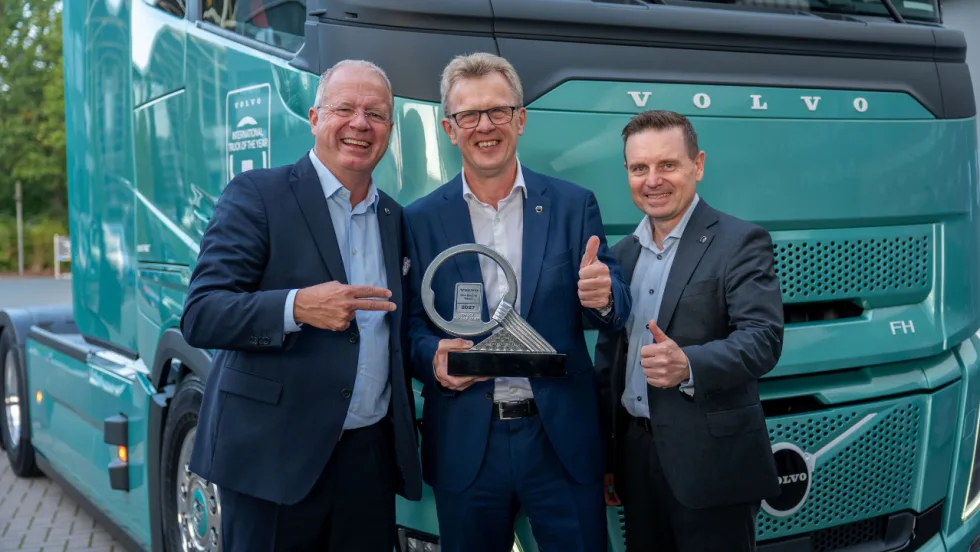
Volvo Trucks Wins International Truck of the Year 2027 for its Global Electric Range
Volvo Trucks' global heavy-duty electric range has been named International Truck of the Year 2027. Since 2019, more than 7,000 electric Volvo trucks have driven more than 310 million miles worldwide.
Read More →


Fleet Forward Conference Introduces One-Day Passes for 2026
New one-day registration gives fleet professionals the flexibility to attend Tuesday, Wednesday, or Thursday, with passes available for $199 through Sept. 18.
Read More →
CALSTART Rebrands as Catalyst Mobility, Will Combine with Forth in 2027
CALSTART has rebranded as Catalyst Mobility and will combine with Forth at the start of 2027. The new organization said it is poised to become one of the world's largest, strongest, and most impactful clean transportation nonprofits.
Read More →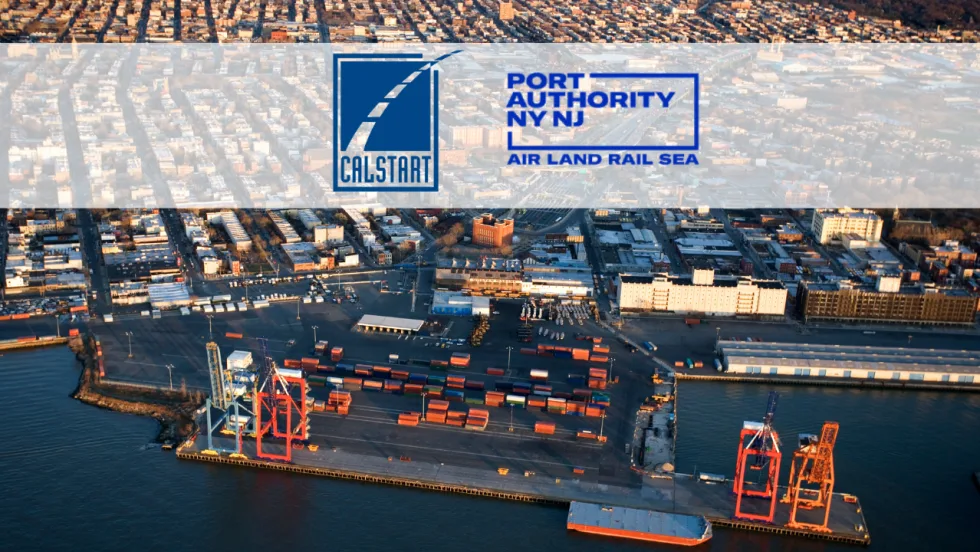
Electric Truck and Charging Programs to Boost Sustainability at NY & NJ Ports
Together, the Port Authority of New York and New Jersey and CALSTART will electrify drayage and terminal operations serving the East Coast’s busiest container port. A pair of incentive programs totaling $45 million has launched to accelerate adoption of zero-emission drayage trucks and terminal tractors.
Read More →
The Smart Way to Build a Mixed-Energy Fleet Isn’t About Picking a Side
Mixed-energy fleets aren’t about picking a winning fuel. Sarah Booth of WEX explains how vehicle data, duty cycles, charging strategy, and real-world costs can help fleets choose the right energy source for each job.
Read More →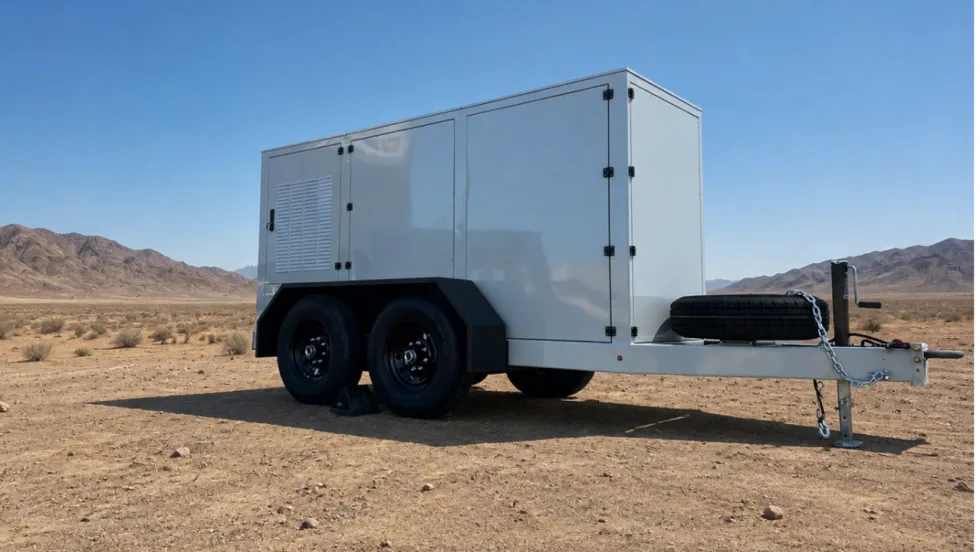
Xos Hub Surpasses One Gigawatt-Hour of Energy Delivered in the Field
A single Xos Hub has surpassed one gigawatt-hour of energy across more than 33,600 charging sessions in the field, demonstrating performance that supports Xos' expansion across new products and markets.
Read More →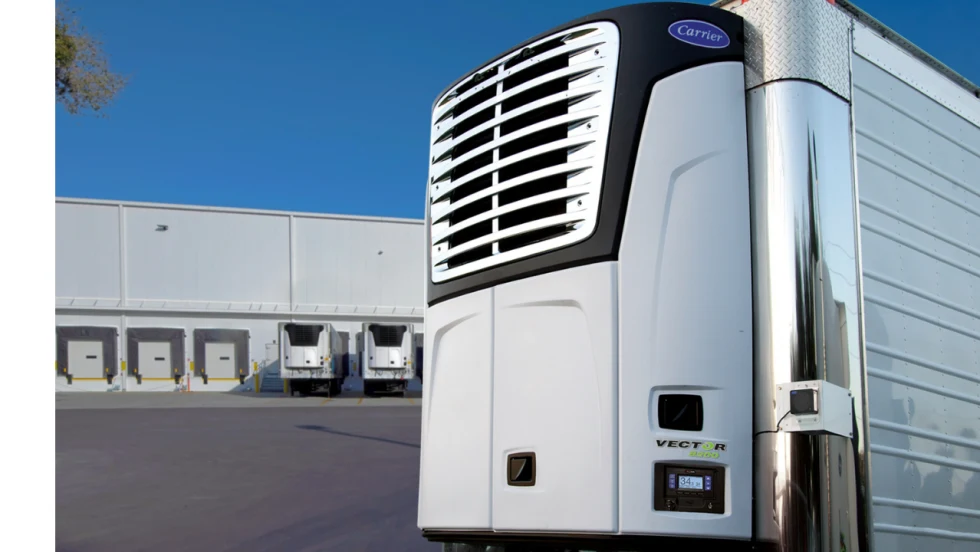
Carrier Transicold Launches All-Electric Vector 8200 TRU for Diesel-Free On-Site Cold Storage
Carrier Transicold’s first engineless multi-temperature TRU helps fresh- and frozen-food fleets add supplemental cold storage capacity during seasonal peaks.
Read More →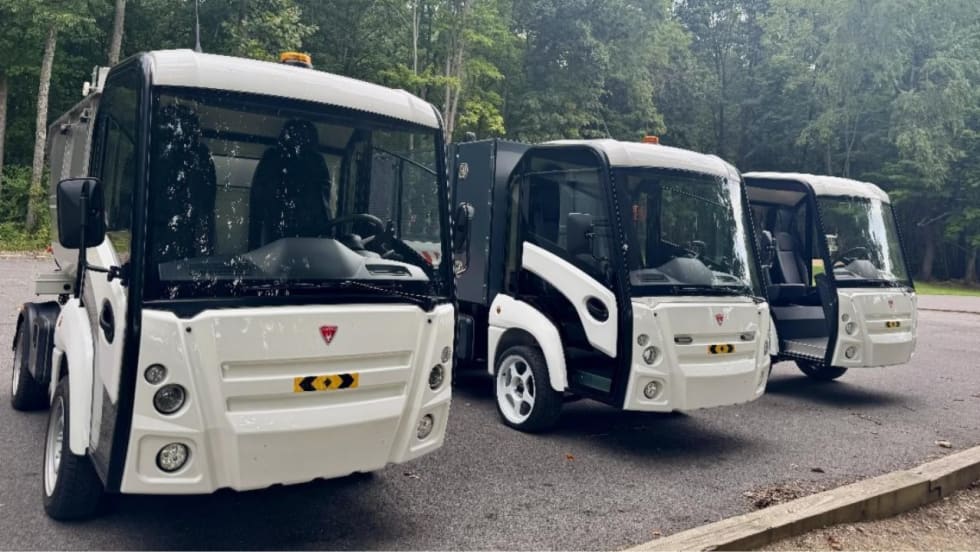
Narro Trucks Introduces Electric Utility Vehicle
Narro Trucks officially launched its operations on Aug. 20 and hosted a ride and drive to showcase its electric truck, which will be produced in Virginia.
Read More →