




Ford Approves Trio of Shell Oils for Diesel Trucks
Ford Motor Company has officially approved three Shell Rotella diesel oils for use in its Super Duty trucks that comply with the API CK-4 specification.
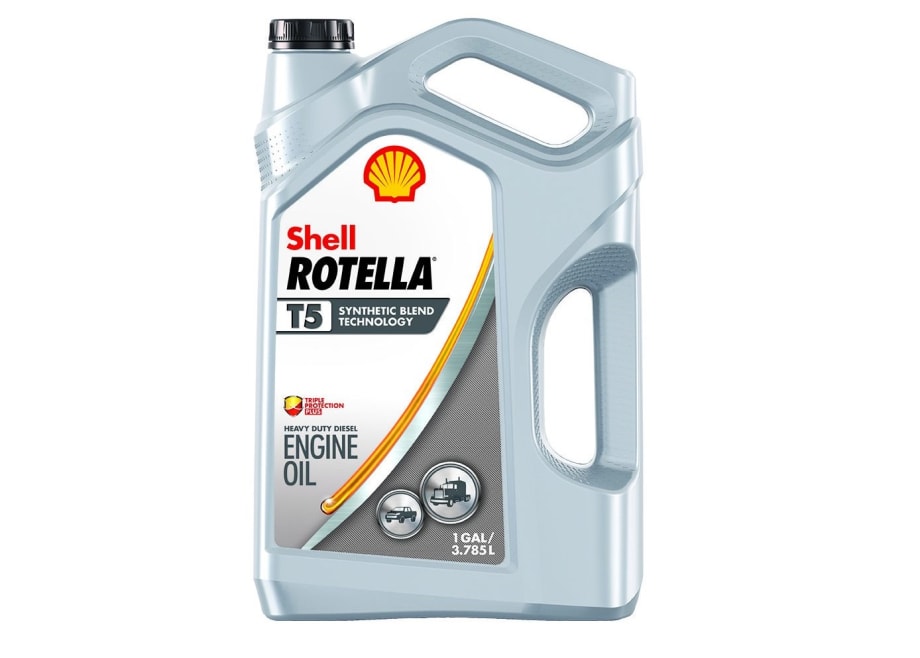
Shell's T5 10W-30 Synthetic Blend is one of the three Shell oils approved for Ford's Super Duty trucks that meet the API CK-4 specification. Photo: Shell Rotella
Shell's T5 10W-30 Synthetic Blend is one of the three Shell oils approved for Ford's Super Duty trucks that meet the API CK-4 specification.Photo: Shell Rotella
Ford Motor Co. has approved three Shell Rotella heavy-duty engine oils for its diesel-powered Super Duty trucks that meet the API CK-4 specification, Shell has announced.
The approved oils include the Shell Rotella T4 15W-40 Triple Protection, T5 10W-30 Synthetic Blend, and T6 5W-40 Full Synthetic. These oils meet the Ford Material Engineering Specification WSS-M2C171-F1, according to Shell.
“During the API category development process, the technology team for Shell Rotella designed our CK-4 engine oils to surpass the specification requirements so that they can meet or exceed the needs of different engine and vehicle manufacturers,” said Dan Arcy, global OEM technical manager of Shell Lubricants. “We have worked closely with Ford to demonstrate that Shell Rotella engine oils meet the WSS-M2C171-F1 specification and provide the protection they require.”
In March, Ford recommended a formulation from its parts division, Motorcraft, instead of other CK-4 or FA-4 oils that could cause damage to the engine.
Shell Lubricants spent more than five years developing and testing their CK-4 specification heavy-duty diesel engine oils, which have been tested over more than 45 million miles. The new Shell Rotella CK-4 formulations provide superior wear protection compared to Shell Rotella legacy CJ-4 formulations, according to Shell.
The API CK-4 diesel specification was launched by the American Petroleum Institute in 2016 as a replacement criteria for the older API CJ-4 specification. CK-4 is a standard for oils used in high-speed four-stroke cycle diesel engines (model year 2017 or older). These motor oils are intended to provide a variety of performance benefits, protecting against phenomena such as oxidation, catalyst poisoning, engine wear, and viscosity loss from shear.
Selecting the Right Engine Lubricant
Diesel engines have particular performance needs that call for specialized types of motor oils. It’s worth taking the time to go over the different types of motor lubricants out there, and the relative benefits of each type.
Conventional motor oil - The old reliable among motor lubricants, this is essentially distilled crude oil with certain performance-enhancing additives.
Synthetic motor oil - This high-performance option combines a synthetic base oil with various additives. This type of oil offers a wide range of benefits for diesel engine maintenance. Compared to conventional oils, synthetic oils offer better viscosity, cleaner engines, lower volatility, and longer oil change intervals. For trucks, it’s especially useful for counteracting the engine strain from hauling heavy loads.
Synthetic blend motor oil - Also known as semi-synthetic oil, this is a mix of synthetic and conventional oils (the relative quantity of each varies by manufacturer). Often used in older diesel engines, it is considered a good compromise between the previous two auto lubricant options, providing improved performance over conventional oils, but at a lower price point than full synthetic motor oils.
As a general rule, the higher the level of synthetic diesel oil, the better performance you get. Remember always to consult the manufacturer's guide for recommended diesel oil change intervals and other guidelines.
Oil Viscosity: A Quick Guide
Viscosity refers to an oil's degree of resistance to flow—in other words, how easily the engine lubricant travels through a system. It's a very important concept in fleet management, as using oil of the wrong viscosity, as determined by operating conditions, can be harmful to an engine and shorten its lifespan. Fortunately, oil manufacturers include a handy code that conveys the information necessary to determine the product's viscosity. It looks something like this:
15W-40
This can be divided into two components: “15W” and “40.” The first number, preceding the "W," refers to the viscosity level during winter use (as tested at zero degrees Fahrenheit). The second number refers to the viscosity level during hot conditions (as tested at 212 degrees Fahrenheit). That’s because the viscosity of oil—or its “thickness”—changes according to temperature.
A low number means low viscosity: the oil is thinner. Our 15W-40 diesel oil will not flow as easily in cold conditions as, for instance, 10W-40 oil. However, their viscosity will be the same in hot temperatures.
Low (“thin”) viscosity oil will circulate through the system more easily but may fail to provide adequate protection. High (“thick”) viscosity oil adheres better but may not reach vital components quickly enough. The “right” viscosity for your diesel engine oil depends on circumstances. The best practice is to follow the guidelines of the vehicle manual.
Was this article helpful? Feel free to leave a comment or subscribe to our newsletter.
Originally posted on Automotive Fleet
More Maintenance & Uptime

Kooner and Global Partners Connect Mobile Fleet Maintenance and Fueling Services
A new referral partnership connects on-site fueling and maintenance services, with a focus on reducing off-site trips and making better use of fleet downtime.
Read More →
Maintenance Failures That Sideline Work Trucks and the Inspection List That Catches Them Early
Unplanned downtime hurts efficiency and even profitability for work truck fleets, but catching potential problems early can help prevent it. Here is an inspection list that can help potentially prevent that downtime.
Read More →
Hunter Engineering Enters Collaborates with Bosch for Remote Diagnostics Service Through ADASLink
Hunter Engineering’s collaboration with Bosch enables ADASLink to connect directly with Bosch diagnostic experts through an integrated remote support platform, allowing shops to service more vehicles.
Read More →From Our Partners
How JASPER Keeps Fleets Moving and Profitable
Sponsored by Jasper Engines & Transmissions

Basic Tracking vs Next Generation Fleet Technology
Sponsored by AT&T Business

5 Facts Every Fleet Manager Should Know About Embedded Telematics
Sponsored by Stellantis/Mobilisights

How AI Video Telematics Boosts Driver Safety and Helps to Avoid Unnecessary Costs
Sponsored by Verizon Connect

Charting the 8 Bottom-Line Benefits of Workforce Optimization
Sponsored by Verizon Connect

Mack Adds Chassis Coverage Options for Fleet Repair Costs
Mack Trucks introduced four system-specific chassis coverage plans, giving fleets more flexibility to manage repair costs for driveline, HVAC, electronics, safety systems, and other components.
Read More →
GM Launches ‘30 Under 30’ Program to Elevate Automotive Service Technicians and Inspire the Next Generation
The GM Automotive Service Technicians 30 Under 30 program honors GM service technicians under the age of 30 who demonstrate continuous technical training, exemplary customer service, mentorship, and leadership.
Read More →
Kooner Fleet Management Solutions Named Exclusive On-Site Fleet Maintenance Provider for Safe Truck Parking
A strategic partnership between Kooner Fleet Management Solutions and Safe Truck Parking brings mobile maintenance and 24/7 repair services directly to Safe Truck Parking locations, beginning in San Diego, California, with nationwide expansion planned.
Read More →
Building a Better Vehicle Replacement Model
Meter readings still matter, but engine hours, idle time, maintenance trends, and utilization can help fleets spot costly vehicles before the odometer does.
Read More →
How JASPER Keeps Fleets Moving and Profitable
Every business decision within fleet management ultimately comes down to financial performance. Investing in dependable replacement powertrain components and responsive support can measurably impact the bottom line.
Read More →
Ryder Honors 2026 Top Technician at 25th Anniversary Skills Competition
Hosted in Nashville, Ryder’s 25th annual Top Technician Skills Competition honored the best technicians across the U.S. and Canada. Top Tech celebrates technician expertise while promoting growth, recognition, and camaraderie. Here are the winners.
Read More →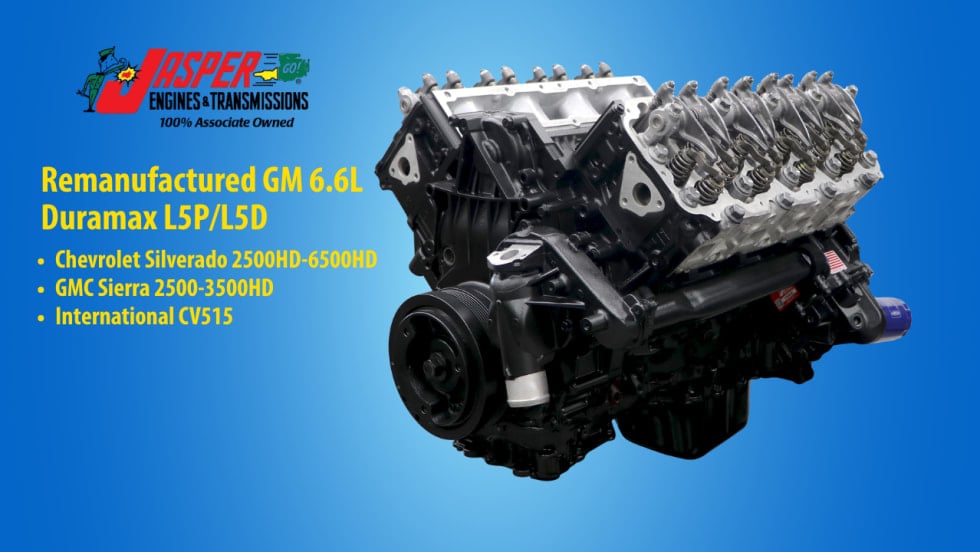
Jasper Offers GM 6.6L Duramax L5P/L5D Complete Format Diesel Engines
Jasper Engines & Transmissions now offers the remanufactured GM Duramax 6.6L L5P/L5D as a complete format engine for several General Motors and International 2017-2023 HD pickup trucks.
Read More →