




Workhorse Electric Vehicles Surpass 20 Million Miles
More than 1,100 Workhorse trucks, buses, and shuttles have displaced the use of 2.3 million gallons of gas and prevented the emissions of 45 million pounds of CO2. Those vehicles have amassed more than 20 million miles combined.

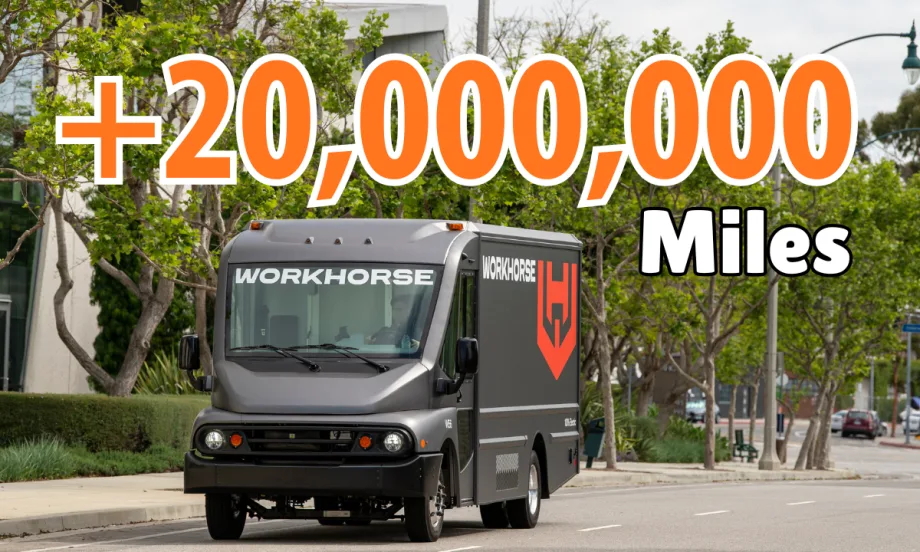
Workhorse vehicles, collectively, have now traveled more than 20 million miles.
Credit: Workhorse/Work Truck
Workhorse Group, a North American OEM and provider of all-electric trucks, shuttles, and buses, announced that its 1,100-plus electric vehicles deployed to customers have surpassed a combined 20 million miles of in-service travel.
The company said this deep real-world experience enables Workhorse to be a true partner in fleet electrification for its customers today and, at the same time, drives the design and engineering of the company’s 7th-generation platform and expanded vehicle lineup.
“Twenty million miles is a significant threshold which reflects not only the quality and performance of our vehicles, but the trust that our many repeat customers have placed in Workhorse. This achievement reinforces the view that medium-duty is the sweet spot for electrification,” said Scott Griffith, CEO of Workhorse. “Every day our vehicles safely and reliably transport the goods, packages, and people that are the lifeblood of our economy, all with zero tailpipe emissions and pollution, helping to make life better for everyone along the route.”
Impact on Total Cost of Ownership
With more than a decade of producing, deploying, and supporting electric vehicles, Workhorse has developed a significant body of data, knowledge, and expertise about not just trucks, but also fleet electrification and fleet management, including:
Workhorse said its vehicles delivering meaningful returns in total cost of ownership by:
Maintaining the high vehicle uptime and deployment success
Ergonomic vehicle design and engineering, considering the entire truck, not just the powertrain
Battery chemistry and software design and configuration, including optimization for fleet applications
Vehicle software, hardware, and powertrain expertise and best practices
Battery and range optimization through smart route planning
Cost-effective and efficient depot-based charging infrastructure
Customer service responsiveness & in-house fleet technician training
Operator training and deployment best practices
Cold-weather operations best practices
Maintenance best practices
Customer Feedback & Insights
In addition to insights gained from customer feedback, Workhorse also derives deep operational insights and real-world verifications of last-mile delivery trucks through its ownership and operation of Stables by Workhorse, an Independent Service Provider for FedEx Ground. This business operates a mixed fleet of electric and internal combustion engine step vans year-round in Ohio.
7th Generation Platform
All of these experiences and learnings are informing the current design and engineering of Workhorse’s 7th Generation (Gen 7) platform, a truly software-defined vehicle whose modular/building-block approach features a common set of scalable, interchangeable sub-systems. This system will enable Workhorse to rapidly create new vehicle configurations without expanding engineering complexity.
By commonizing modular subsystems and standardizing parts across classes 4-6, Workhorse believes it is continuing to extend its total cost of ownership advantage over gas- and diesel-powered trucks and progressing toward reducing unit costs to ultimately close the purchase price gap with internal combustion trucks.
The flexible Gen 7 platform is being designed to help fleets meet today’s operational needs, while enabling vehicles to easily adopt future technological advancements in safety, autonomy, and other software-driven performance upgrades as they become available in the marketplace.
“Unlike any other electric truck OEM, Workhorse is also its own customer, running our W56 through its paces in actual operations in our Stables subsidiary, and benchmarking performance and cost against internal combustion counterparts,” Griffith said. “As we design and engineer our next generation, our plan is to move the industry from an era of unconnected, static hardware assets to always-on, smart nodes in an intelligent network.”
Dealer Network & 3rd Party Sales
Workhorse sells its vehicles through a national network of trusted dealers and 3rd party service providers, with comprehensive post-sale support bolstered by trained Workhorse technicians located regionally.
Today, 10 of the largest medium-duty truck fleets in North America have deployed Workhorse vehicles, including Purolator, Vestis (formerly Aramark Uniform Services), Cintas, several FedEx independent service providers, and other leading brands.
Workhorse’s “Better Trucks. Better World” vision is being advanced by the successful W56 and EPIC4 vehicles currently in production at the company's commercial-scale manufacturing facility in Union City, Indiana. Vehicles produced here include step vans, school buses, shuttles, box trucks, stake beds, and refrigerated trucks.
“In a little more than a year, we’ve sold and delivered more than 50 Workhorse trucks, and the feedback has been overwhelmingly positive,” said Jerry Smith, president at California-based Kingsburg Truck Center. "Our customers report the Workhorse trucks consistently meet their needs for performance, durability, and uptime, while offering significant savings on fuel and maintenance. We get frequent feedback that indicates 2026 will be a solid year for repeat orders.”
Reducing CO2 Emissions
Since inception, the electric vehicles provided by Workhorse1 have avoided the use of more than 2.3 million gallons of petroleum-based fuel (equivalent to the use of approximately 5,700 cars in a year) and reducing CO2 emissions by more than 45 million pounds (the equivalent of taking approximately 4,500 cars off the road for a year).
More Green Fleet

Fleet Forward Conference Introduces One-Day Passes for 2026
New one-day registration gives fleet professionals the flexibility to attend Tuesday, Wednesday, or Thursday, with passes available for $199 through Sept. 18.
Read More →
CALSTART Rebrands as Catalyst Mobility, Will Combine with Forth in 2027
CALSTART has rebranded as Catalyst Mobility and will combine with Forth at the start of 2027. The new organization said it is poised to become one of the world's largest, strongest, and most impactful clean transportation nonprofits.
Read More →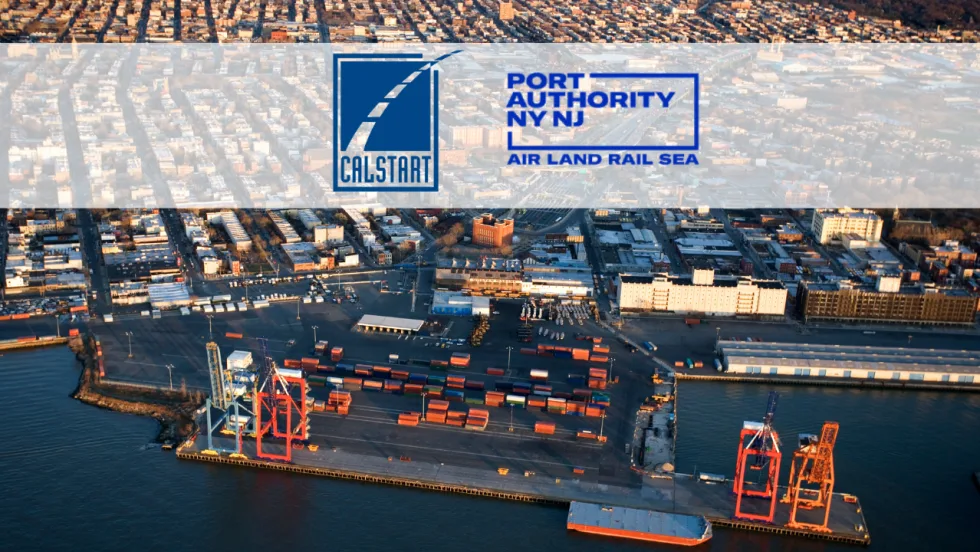
Electric Truck and Charging Programs to Boost Sustainability at NY & NJ Ports
Together, the Port Authority of New York and New Jersey and CALSTART will electrify drayage and terminal operations serving the East Coast’s busiest container port. A pair of incentive programs totaling $45 million has launched to accelerate adoption of zero-emission drayage trucks and terminal tractors.
Read More →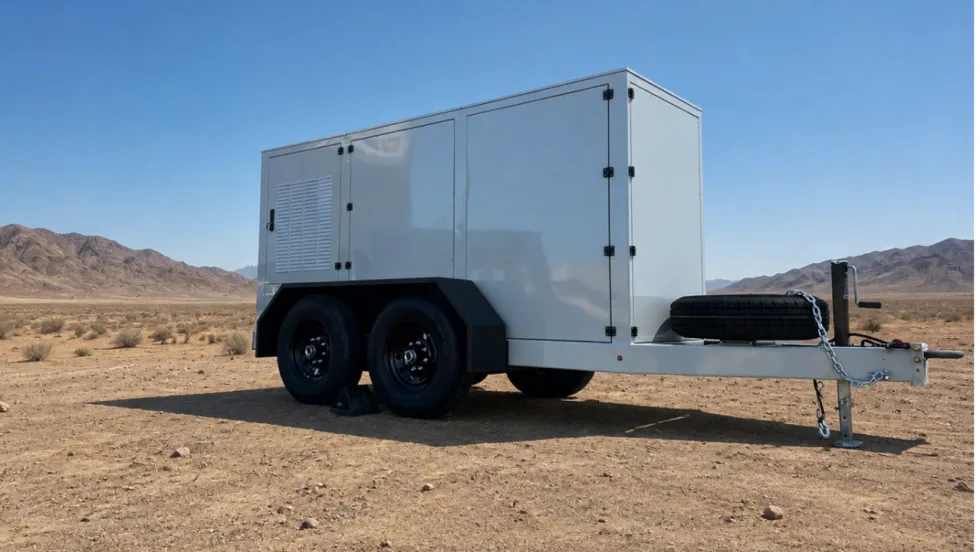
Xos Hub Surpasses One Gigawatt-Hour of Energy Delivered in the Field
A single Xos Hub has surpassed one gigawatt-hour of energy across more than 33,600 charging sessions in the field, demonstrating performance that supports Xos' expansion across new products and markets.
Read More →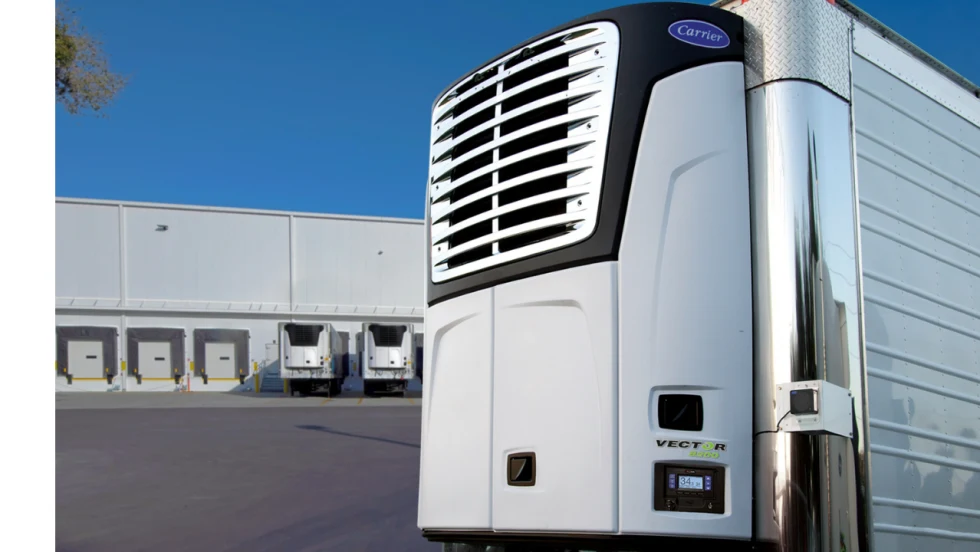
Carrier Transicold Launches All-Electric Vector 8200 TRU for Diesel-Free On-Site Cold Storage
Carrier Transicold’s first engineless multi-temperature TRU helps fresh- and frozen-food fleets add supplemental cold storage capacity during seasonal peaks.
Read More →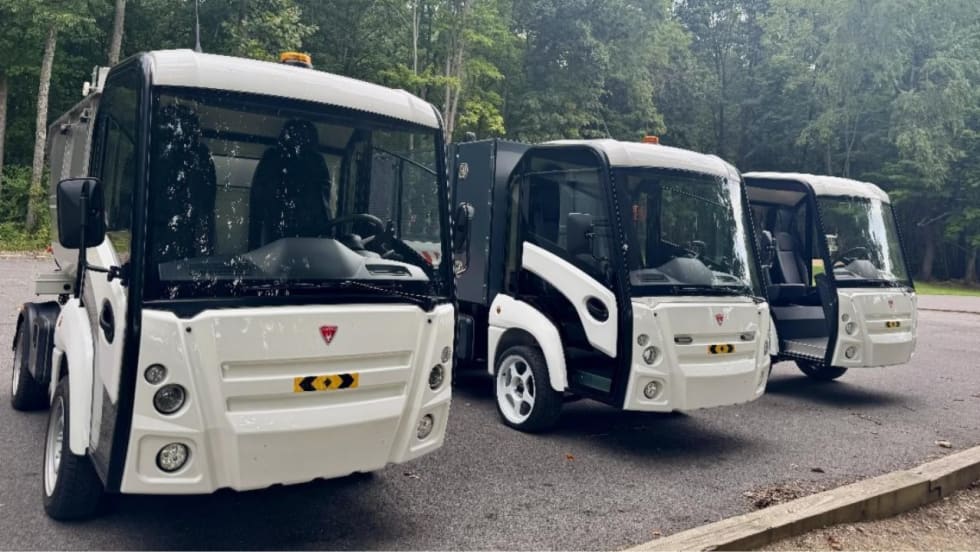
Narro Trucks Introduces Electric Utility Vehicle
Narro Trucks officially launched its operations on Aug. 20 and hosted a ride and drive to showcase its electric truck, which will be produced in Virginia.
Read More →
Samsung SDI Takes Full Control of GM Battery JV as Indiana Plant Pivots to Energy Storage
Samsung SDI is taking full control of its Indiana battery plant with GM, marking a major shift from the EV-focused joint venture Charged Fleet first covered in 2023.
Read More →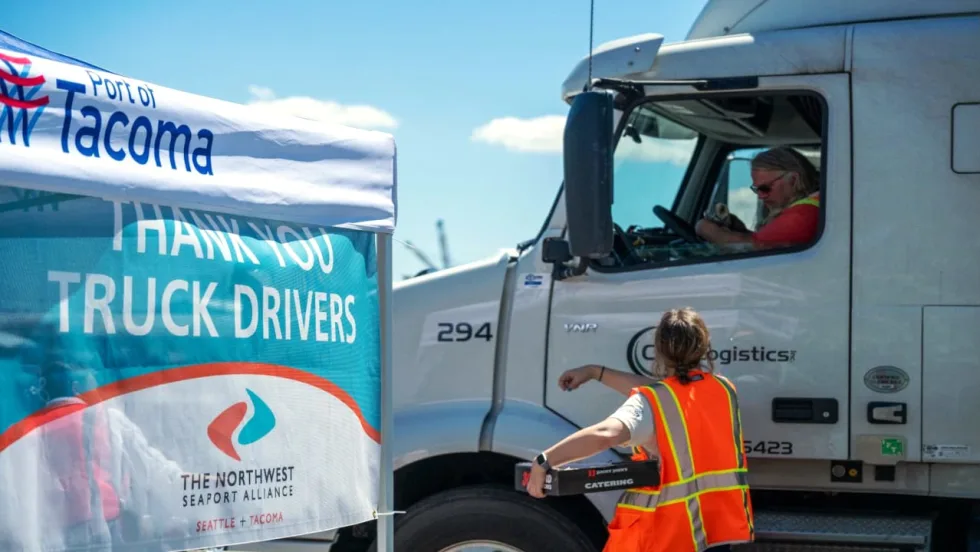
NWSA Taps CALSTART to Administer Zero-Emission Drayage Assistance Program
CALSTART will provide free technical assistance services to drayage fleets serving the Ports of Seattle and Tacoma and looking to transition to cleaner technologies and help decarbonize freight hubs.
Read More →
EV Fleet Reality Check: What Operators Wish They Knew Before Electrifying Their Work Vans
Electric work truck upfits bring new compatibility questions. Learn how parts availability, OEM guidance, power demands, and route planning can affect fleet performance.
Read More →
Peterbilt Expands Sourcewell Partnership with Electric Vehicle Lineup
Peterbilt Motors Company’s cooperative purchasing agreement with Sourcewell and its Canadian partner, Canoe Procurement Group, now includes including Peterbilt's battery-electric vehicle lineup.
Read More →