




Record Scratch: Stertil-Koni On Track for Record Vehicle Lift Orders in 2022
6 Tips for Maximizing Work Truck Uptime
A new industry overview from Stertil-Koni recommends a six-step approach to help large truck and bus operators maximize vehicle uptime using vehicle lifts.
from Stertil-Koni
August 26, 2022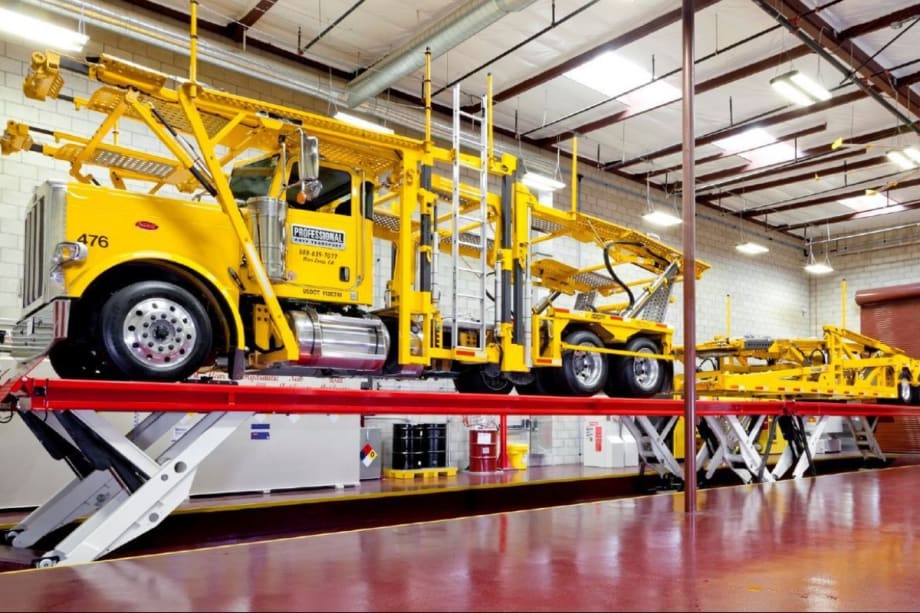
The average cost of unscheduled commercial vehicle downtime can approach $760 per vehicle each day.
Photo: Stertil-Koni
4 min to read
With supply chain disruptions approaching their worst levels in nearly 50 years, combined with escalating business and consumer demand for product deliveries and passenger transport, a new industry overview from Stertil-Koni recommends a six-step approach to help large truck and bus operators maximize vehicle uptime.
The stakes have never been higher — and some quick math shows why. The average cost of unscheduled commercial vehicle downtime can approach $760 per vehicle each day. Assuming 10% of the nearly 12.5 million commercial large trucks and buses registered in the U.S. need repair on any given day, vehicle downtime can conservatively cost $950 million per day.
“That’s why the proper selection and ongoing maintenance of vehicle lifts — which help service these vehicles — is particularly critical in this business climate,” said Jean DellAmore, president of Stertil-Koni. “After all, for vehicle maintenance shops across North America that already operate on tight schedules, the requirement to keep preventative maintenance and repairs on-time is essential.”
It is also why Stertil-Koni is recommending a six-step approach to ensure optimal technician safety combined with top vehicle performance.
1. Certification is Key
Consider purchasing lifts certified by the industry’s independent, third-party watchdogm the Automotive Lift Institute. The ALI Lift Certification Program is the only accredited program in North America to independently test and validate that a vehicle meets all ANSI/ALI ALCTV (current edition) safety and performance requirements.
2. Lift Selection
Vehicle weight and height matter. That is why facility maintenance workers should know in advance the weight of the heaviest vehicle they intend to lift and make certain that the lift selected is certified to meet or exceed that capacity. As for height, always measure the height clearance of the facility — prior to selecting a lifting system — to ensure ample room to raise a vehicle for servicing. Note the height of the tallest vehicle you intend to lift and make certain there is sufficient room to raise the vehicle to a height that permits a technician to work comfortably underneath the vehicle.
3. Safety First
During lift setup, check the perimeter of the lift to confirm that nothing obstructs its path and there are no hazards in the lifting area. Lift the vehicle no more than 12 inches off the ground, pause, and do another sweep of the area to check that there are no impediments. Then, lift the vehicle to a proper height that allows the technician to work comfortably underneath the vehicle.
Also, it is advisable to select lifts that include an independent mechanical locking system as standard. This feature allows the lift to be lowered into its locks — at a convenient height — as technicians perform their work.
4. Maintain a Strict Maintenance Schedule
Make certain that all lifts are subject to a regular program of scheduled maintenance in accordance with the manufacturer’s recommended schedule and receive an annual lift inspection by an ALI Certified Lift Inspector.
5. Technology Matters
Look for vehicle lifts that offer new technologies to enhance operator safety and lift performance. For example, Stertil-Koni lifts feature a full-color touch-screen control console, putting all lifting information directly at the fingertips of the tech on the shop floor. Stertil-Koni has also introduced a Continuous Recess system for its inground scissor-style Ecolift and telescopic piston Diamondlift. This technology allows the lifting bolster to recess flush to the floor while moving horizontally under even the most low-profile buses and trucks. It also facilitates lift set-up, minimizes the possibility of vehicles hitting the lift upon approach, and reduces tripping hazards.
6. Create a Culture of Safety
Promoting a positive culture of safety at the shop is essential. Service bulletins, safety messages, and continuously updating technicians’ skills are vital to a smooth-running maintenance facility. Stertil-Koni also suggests using Wireless Mobile Column Lifts and selecting shop equipment specifically designed to ensure operator safety and proper ergonomics, such as the high-lift wheel dolly.
“While we are not going to solve the supply chain challenge overnight, vehicle maintenance facilities can help ensure that their fleets are always properly serviced and ready-to-go with support from a carefully planned, heavy-duty vehicle lifting approach," DellAmore said. "That in turn will definitely help maximize your uptime.”
More Operations
It's 10 p.m... Do You Know Who Has Access to Your Fleet?
Preventing cargo theft requires investment in technology, operational processes, and employee training. In an industry with tight margins, it can be difficult to justify investments whose value is measured by incidents that might never occur.
Read More →
GeoFencing Adds to Your Truck Security Arsenal
Geofencing is a familiar fleet tool today, but its early adoption marked a major shift in vehicle tracking, route monitoring, and the debate over employee privacy.
Read More →
Truckers’ Strike Rumors, New GM Engines, and Hidden Idling Costs Lead This Week’s News
Truckers’ strike rumors, GM’s new 2027 engines, hidden idling costs, racing lessons, IRP rules, and more headline this week’s Truck Chat Weekly Cheat Sheet.
Read More →From Our Partners
Basic Tracking vs Next Generation Fleet Technology
Sponsored by AT&T Business
5 Facts Every Fleet Manager Should Know About Embedded Telematics
Sponsored by Stellantis/Mobilisights
How AI Video Telematics Boosts Driver Safety and Helps to Avoid Unnecessary Costs
Sponsored by Verizon Connect

Charting the 8 Bottom-Line Benefits of Workforce Optimization
Sponsored by Verizon Connect


Shades of Fleet Wants to Hear From You About Building a Culture of Care
Fleet leaders, we want to hear from you. Share how empathy, trust, and creating space for people can strengthen your team, improve performance, and support retention.
Read More →
What Racing Can Teach Work Truck Fleets About the Work Nobody Sees
Race car driver and mechanical engineer Isaac Johnson shares practical lessons on preparation, relationships, setbacks, and building teams that perform when it counts.
Read More →
New Fleet Guides, Hidden Truck Wear, and Driver Fit Lead This Month
Our latest Truck Chat recap covers new Fleet Guides, hidden idling costs, driver fit, lighter-truck registration rules, and year-round technician appreciation.
Read More →
Work Truck Takes Fleet Rivalry Downhill to Support Skilled Trades
Team Fletcher claimed a head-to-head win and second overall as Work Truck and Automotive Fleet helped raise $22,000 for the Hourglass Foundation.
Read More →
From Ledger Books to AI Patti Earley Shares 40 Years of Fleet Lessons
Patti Earley, CAFM, shares what four decades in fleet have taught her about using data, building relationships, and listening to the people behind the vehicles.
Read More →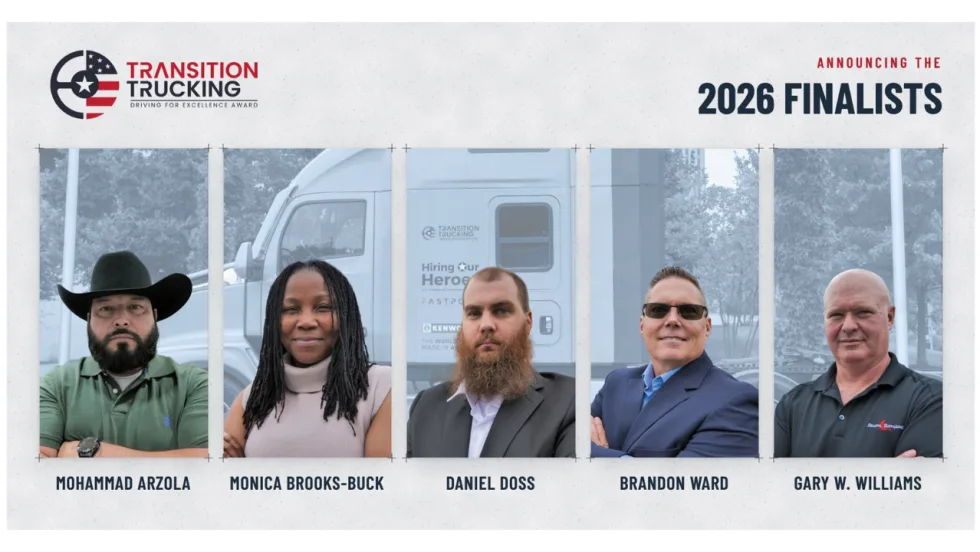
Finalists Announced for 2026 Transition Trucking: Driving for Excellence Award
Kenworth Truck Company, Fastport, and the U.S. Chamber of Commerce Foundation's Hiring Our Heroes program have announced the five finalists for the 2026 Transition Trucking: Driving for Excellence Award.
Read More →
Toyota West Virginia Celebrates Three Decades of Manufacturing in the Mountain State
Toyota West Virginia celebrated 30 years of manufacturing. Toyota assembles both engines and drivetrain components in West Virginia to support its North American operations.
Read More →