




Is Retirement in Fleet Now More Like ‘Rewiring’?
Fleet professionals rarely retire for good. They return as advisors, mentors, and consultants, keeping hard-won experience in the industry.

The more you look at it, the less “retirement” feels like the right word for fleet. It’s not a clean break. It’s more of a pivot. A chance to step back from the grind without losing the purpose. To trade urgency for perspective. To stay connected without being consumed by it.
Credit: Work Truck
- Fleet professionals often continue working even after retirement by taking on roles as advisors and consultants.
- The industry's wealth of experience is retained as retired professionals mentor and guide others.
- Retirement in fleet management increasingly resembles a 'rewiring' rather than a complete cessation of work.
*Summarized by AI
There’s something a little funny about the idea of “retirement” in fleet. Not funny ha-ha. Funny as in… it rarely sticks. You hear the announcement: a fleet manager or industry veteran is finishing a long career. There’s a send-off, maybe a plaque, and the usual stories. People wish them well and say, “Enjoy your retirement.”
But a few months later, they’re back.
Maybe not in the same job or full-time, but they return. They consult, advise, serve on advisory boards, help smaller operations, and show up at industry events as if they had never left.
Fleet doesn’t really DO retiring…. It does rewiring.
You Don’t Just ‘Work’ in Fleet
Fleet is one of those industries that gets under your skin in a very specific way. It’s operational, yes. It’s technical, absolutely. But it’s also deeply human.
You spend years working through problems that rarely have simple answers. You juggle safety, cost, uptime, and people. Over time, vendors, drivers, technicians, and peers become like a second family.
That experience doesn’t just disappear overnight. For many people, stepping away completely feels less like a reward and more like… a loss of rhythm. The calls stop. The decisions aren’t yours anymore. The problems still exist, but you’re no longer in the room helping solve them.
And for people wired to fix things, that’s a tough adjustment.
The Industry Doesn’t Close the Door
Fleet is different from many other industries in that it welcomes people back.
There’s a real respect for experience here. Not in a ceremonial way, but in a practical one. If you’ve spent 25 or 30 years navigating procurement cycles, spec’ing vehicles, managing shops, or dealing with compliance headaches, that knowledge is incredibly valuable.
And frankly, it’s hard to replace.
So when someone retires, the industry doesn’t say goodbye. It just changes how they contribute.
Maybe they don’t want the 60-hour weeks anymore. Totally fair. But a few days of consulting? Advising a younger fleet manager? Helping a company avoid a costly mistake they’ve seen before? That’s a different story.
Fleet creates space for that kind of contribution.
Experience Becomes a Second Act
What’s interesting is how many people don’t just come back. They come back differently.
Some move into consulting and start new businesses. Others work in technology, training, or supplier roles. A few become known for their advice, speaking, writing, and mentoring in the industry.
It’s not about keeping the old job, but about finding a new way to use your experience. That’s the rewiring.
The pressure changes, and the hours are lighter. The impact can be just as strong, sometimes even more, because it’s about sharing knowledge instead of running everything.
The Mentorship Gap Is Real
There’s also a bigger opportunity here that the industry is still figuring out.
Fleet, like many industries, is dealing with a talent pipeline challenge. New professionals are coming in, but they don’t always have direct access to the kind of institutional knowledge that used to be passed down more naturally.
That’s where these “retired but not really” professionals can play a huge role.
They’ve seen the cycles. They’ve made mistakes. They know what works and what doesn’t, often before the data catches up. That kind of perspective is hard to teach in a classroom or pull from a manual.
When they re-enter the industry in a flexible way, they become a bridge between generations. Not necessarily in a formal mentorship program, but in conversations, quick calls, event meetups, and advisory roles where real learning happens.
Maybe Retirement Needs a Rebrand
The more you look at it, the less “retirement” feels like the right word for fleet. It’s not a clean break. It’s more of a pivot. A chance to step back from the grind without losing the purpose. To trade urgency for perspective. To stay connected without being consumed by it.
That’s part of why fleet keeps people around. People don’t just work in fleet; they become part of it. So when the time comes to “retire,” they don’t really walk away.
They just rewire how they show up.
And if you’ve been in fleet long enough, you know exactly who I’m talking about. They’re probably already back on your calendar.
Have anything to add? Or are you one of the recently "rewired"? Drop a comment below, or email me and let's chat!
More Blog Posts

Can America Replace Canadian Truck Production Without Hurting U.S. Fleets?
U.S. tariffs are targeting Canadian truck production, but Ford and GM show why moving that manufacturing south isn’t so simple. After 60 years of building one North American supply chain, what could fleets lose by pulling it apart?
Read More →
The Fleet Skills We Keep Missing on Veterans’ Resumes
What if some of the strongest candidates are already out there, but we are overlooking them because their experience is written in a language our industry does not always recognize?
Read More →
Technicians Are Doing More Than Turning Wrenches
Technicians do far more than repair vehicles. Six professionals reveal the problem-solving, pressure, and pride behind keeping fleets moving.
Read More →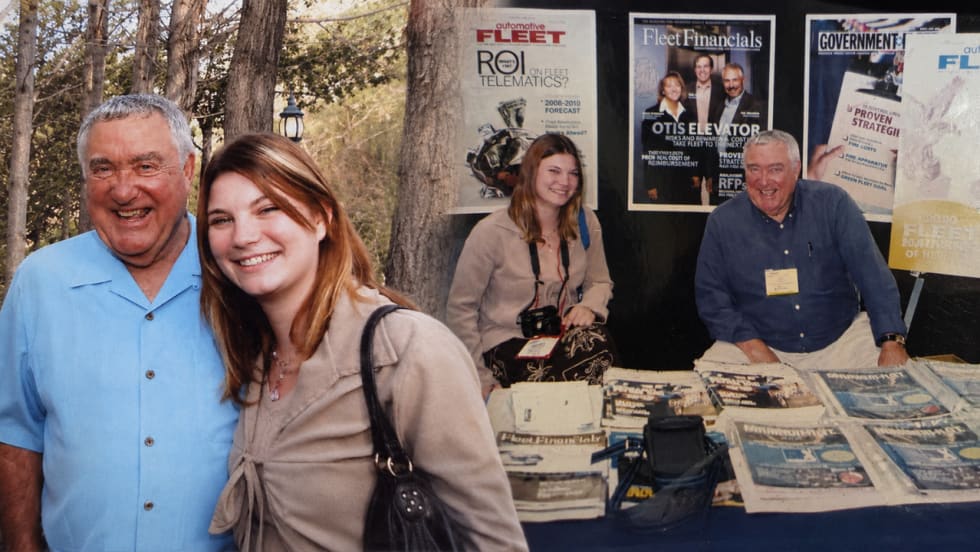
WWCD? What Would Coach Do?
A personal reflection on Ed "Coach" Bobit, the mentor who shaped my career, and why I still ask myself one question 12 years later: WWCD?
Read More →
What the Fleet Industry Still Gets Wrong About Talent
What can the fleet industry learn from the women helping shape its future? A look at talent, leadership, sponsorship, and why new perspectives drive progress.
Read More →
AI Isn’t Killing Content, but Lazy Expertise Is
Thought leadership loses value when AI does the thinking. Here’s why authentic industry voices still matter most.
Read More →
Do I Need a U.S. DOT Number?
Whether you operate a small fleet of light-, medium-, or heavy-duty units, or are merely the owner of one truck wanting to ensure you adhere to the law, knowing if you can need a U.S. DOT number can be confusing.
Read More →
What Does Visibility in Fleet Really Look Like?
Advocacy changes things. Visible trust changes things. Structure changes things. Access changes things. A willingness to share connections, rooms, and opportunities, and a belief in someone before it is convenient, changes things.
Read More →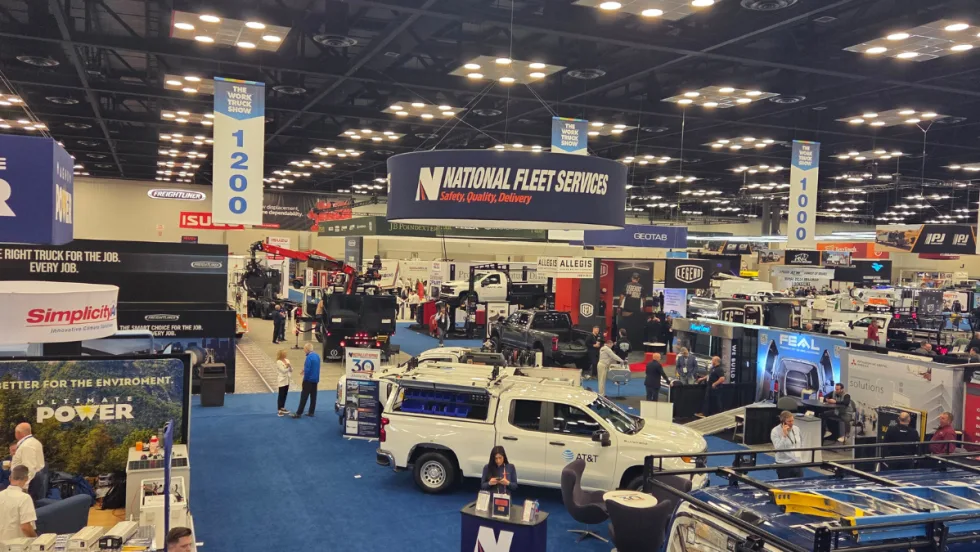
Work Truck Week 2026 Shows an Industry Focused on Practical Progress
Taken together, these themes show an industry that is not chasing a single technological solution. Instead, it is building a broader toolkit designed to support the diverse and demanding jobs fleets perform every day.
Read More →
What New Fleet Voices Need From the Rest of Us
The fleet learning curve hits fast. Here’s how new pros push through the overwhelm, find their voice, and start thriving in the work.
Read More →