





Dig Deeper: How Geotab Helps Fleets Use Data and AI to Drive Smarter
Geotab Predicts High-Integrity Data and AI Will Shape Fleet Survival in 2026
Geotab predicts AI, autonomy, and high-integrity data will drive major shifts in fleet efficiency and maintenance strategies in 2026.
December 3, 2025
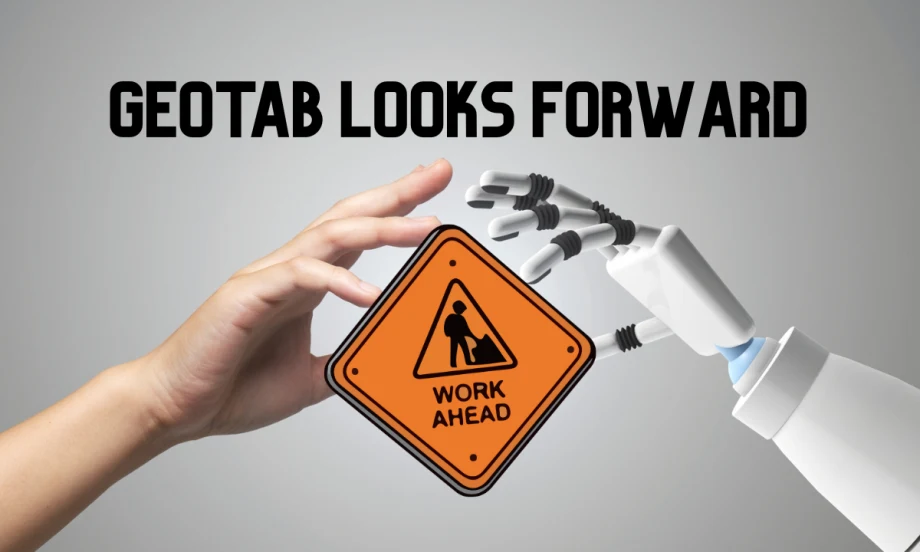
Geotab outlines four key trends for 2026, highlighting how AI and high-quality data will play a growing role in fleet operations and future planning.
Photo: Work Truck
4 min to read
Geotab released its 2026 industry predictions and the message to fleets is direct. The companies that embrace high-quality data and start using AI for real operational work will be the ones that stay competitive in a tight-margin economy.
During a media briefing with reporters, Founder and CEO Neil Cawse told Work Truck that the turning point in 2026 will not be the arrival of new technology. It will be how fleets choose to use it.
“AI is going to run operations, not just conversations. It is going to be part of the business processes that run through organizations,” Cawse said.
Geotab identified four key trends it expects to shape the year ahead.
1. AI Will Run Operations, Not Just Conversations
AI is expected to move far beyond chatbots and support tasks. Instead, it will begin managing scheduling, coordinating workflows, supporting maintenance strategies, and automating daily tasks that slow down teams today.
“Digitization has laid the groundwork. AI is now the seal on top of that,” Cawse noted.
With faster software development cycles and new AI-driven tools, Geotab believes operational AI will become a standard part of working life much sooner than most people expect.
2. The Freight Economy Will Feel Hot and Cold at the Same Time
Geotab predicts an uneven 2026 where freight remains essential, but profitability remains challenging. In this environment, Cawse said fleets using real-time data and AI insights will have more control over costs and performance.
“You are going to see companies that leverage AI pull ahead fast, and you will see others struggle to keep up. Some will feel like they are in a recession while others feel like they are in a boom at the same time,” he told reporters.
He acknowledged that smaller fleets may feel the pressure more intensely early on, but also pointed out that AI-driven solutions eventually become accessible to everyone.
“Smaller fleets are going to go through a rough stage, but those services will be democratized. Eventually the tools big companies use today will be available to everyone,” he said.
3. Autonomous Driving Adoption is About to Accelerate
Autonomy has been a long-running promise, but Geotab believes several indicators show the curve is shifting. Technology reliability is improving, the cost curve is beginning to move, and large-scale autonomous pilots are expanding across North America.
“It is a given that the technology works. The cost will come down. It is inevitable,” Cawse said.
While work truck fleets may not feel this immediately, Geotab suggests the industry should pay attention now, especially to emerging changes in long-haul operations, yard automation, and safety workflows.
4. Data-Rich Companies Will Power Enterprise AI
This is the area Cawse described as most important for fleet survival. High-integrity data will be the foundation for every new AI model, predictive tool, and decision-making system.
“Data quality really does matter. If you are using simple use cases like productivity or routing, OEM data is good enough. But if you are using advanced prediction models, you really need to focus on the quality of the data,” he told Work Truck.
Cawse explained that data integrity comes down to accuracy, frequency, and relevance. To show why frequency matters, he shared a clear example.
“We can predict when a battery is going to fail, but we need to sample the battery voltage at crank 100 times a second. If you are only giving it to me once a second, I cannot do that job,” he said.
He expects conversations around data quality to grow across the entire mobility sector.
“It comes down to how accurate it is, how frequently you are measuring it, and what you are measuring,” he said.
What Does The Future Hold for Work Truck Fleets?
Cawse highlighted preventive maintenance as one of the strongest near-term AI opportunities for light- and medium-duty fleets. With accurate data and predictive models, fleets can target what actually reduces downtime.
“If I can detect unplanned downtime accurately, then I can start seeing which maintenance practices actually reduce it, vehicle by vehicle,” he explained.
He also encouraged fleets to start digitizing anything that is still manual.
“Digitization is essential. The food for AI is data. If your data is sitting on paper, you cannot take advantage of AI. Even a spreadsheet is fine. Just get it into electronic form,” he told Work Truck.
Navigating the Shifts Ahead
Cawse acknowledged that adopting new processes can feel uncomfortable, but said the long-term payoff is worth the adjustment.
“Change never comes without friction. But the organizations that push through the discomfort and move with conviction will come out ahead,” he said.
Looking ahead to 2026, he encouraged fleets to see the opportunity rather than the fear.
“Fleets should not be terrified of this. They should be a little excited. The upside is enormous,” Cawse said.
More Technology & AI
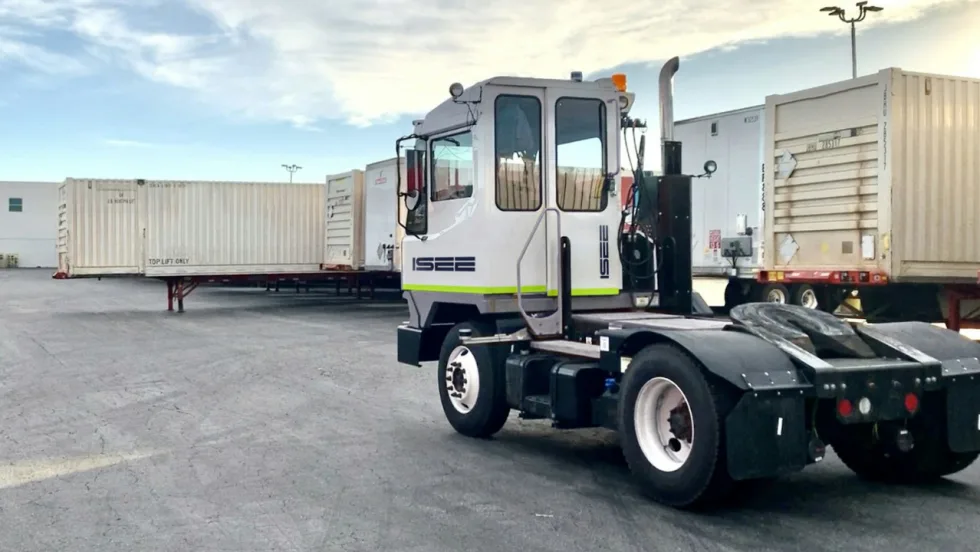
Holman and ISEE Partner to Expand Autonomous Yard Truck Operations
The partnership combines Holman's fleet management and upfitting capabilities with ISEE's autonomous driving technology to help businesses deploy and manage driverless yard trucks.
Read More →
Who You Gonna Call? Rivian Turns Electric Vehicles Into Ghostbusters Rides
Rivian teams up with Sony Pictures for a Ghostbusters-inspired Halloween software update, complete with custom sounds, lighting effects, and a special Ecto-R1.
Read More →
The Second Trip and What Missing Tools Really Cost a Service Business
For service fleets, missing tools and equipment can lead to second trips, lost technician time, higher operating costs, and delayed jobs. Equipment tracking can help HVAC, plumbing, electrical, landscaping, and other service businesses improve visibility and reduce downtime.
Read More →From Our Partners
Basic Tracking vs Next Generation Fleet Technology
Sponsored by AT&T Business

5 Facts Every Fleet Manager Should Know About Embedded Telematics
Sponsored by Stellantis/Mobilisights
How AI Video Telematics Boosts Driver Safety and Helps to Avoid Unnecessary Costs
Sponsored by Verizon Connect

Charting the 8 Bottom-Line Benefits of Workforce Optimization
Sponsored by Verizon Connect

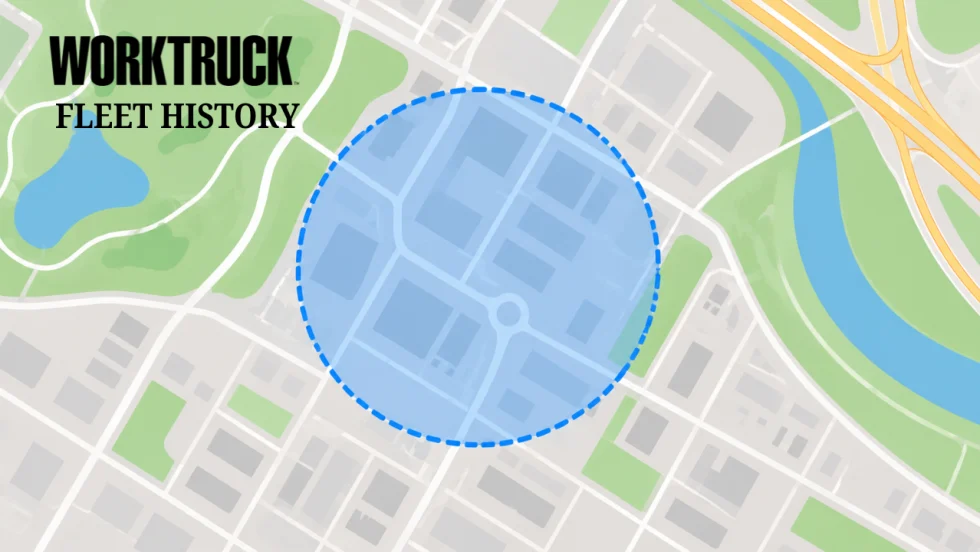
GeoFencing Adds to Your Truck Security Arsenal
Geofencing is a familiar fleet tool today, but its early adoption marked a major shift in vehicle tracking, route monitoring, and the debate over employee privacy.
Read More →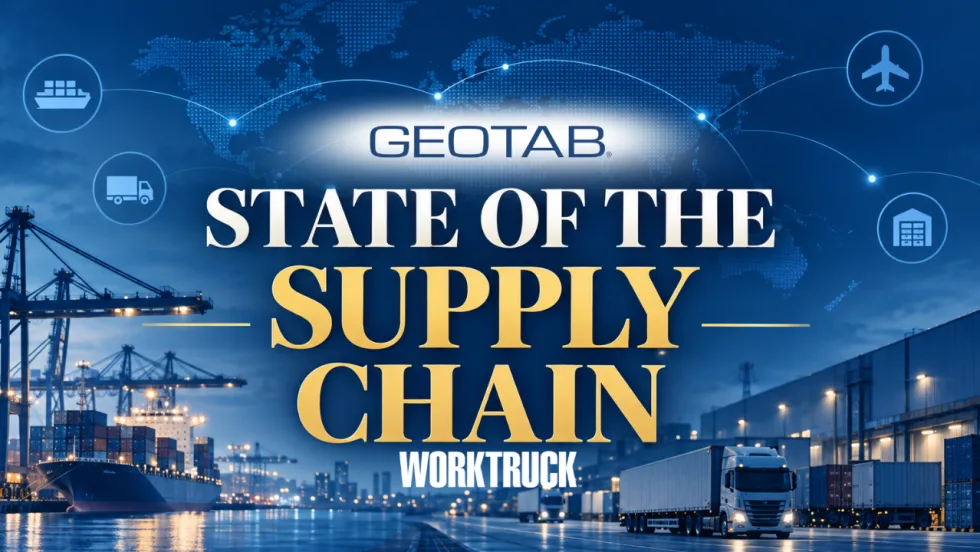
Geotab Data Shows Regional Trucking Growing Faster as Last Mile Routes Get Denser
Geotab's first U.S. supply chain report finds stable long-haul activity, stronger regional freight movement, tighter hub-and-spoke utilization, and more last-mile trips on shorter routes.
Read More →
When Fleet Technology Helps and When It Just Adds Complexity
New technology can help fleets work smarter, but only if it solves the right problem. Lauren Fletcher talks with AP Fleet’s Alex Coveney about innovation, AI, data, and knowing when a new solution is actually worth adopting.
Read More →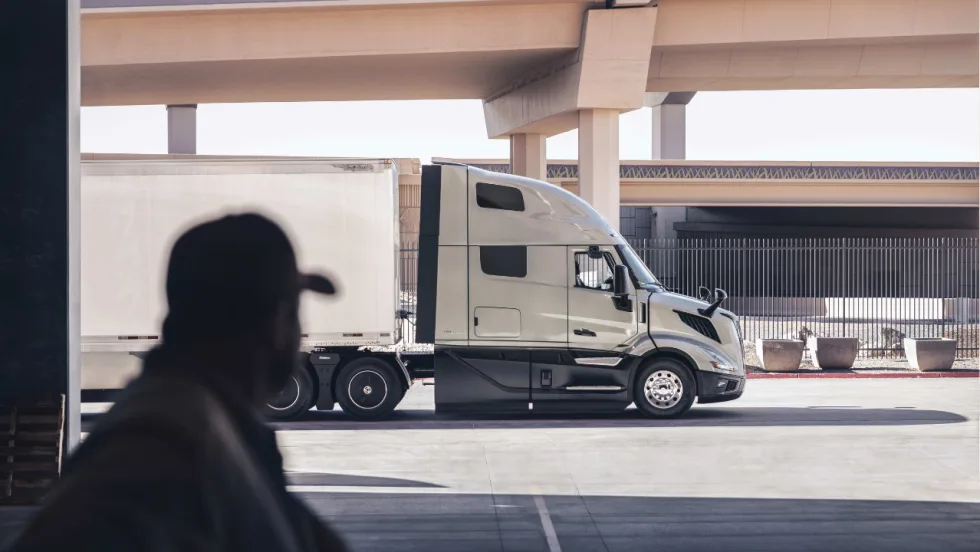
Volvo Trucks’ 'Lock and Leave' Software Updates Go Live Across North America
Unattended over-the-air software updates are now available in Volvo trucks across the U.S. and Canada. The new capability lets trucks stay current with the latest software without interrupting operations or requiring a dealership visit.
Read More →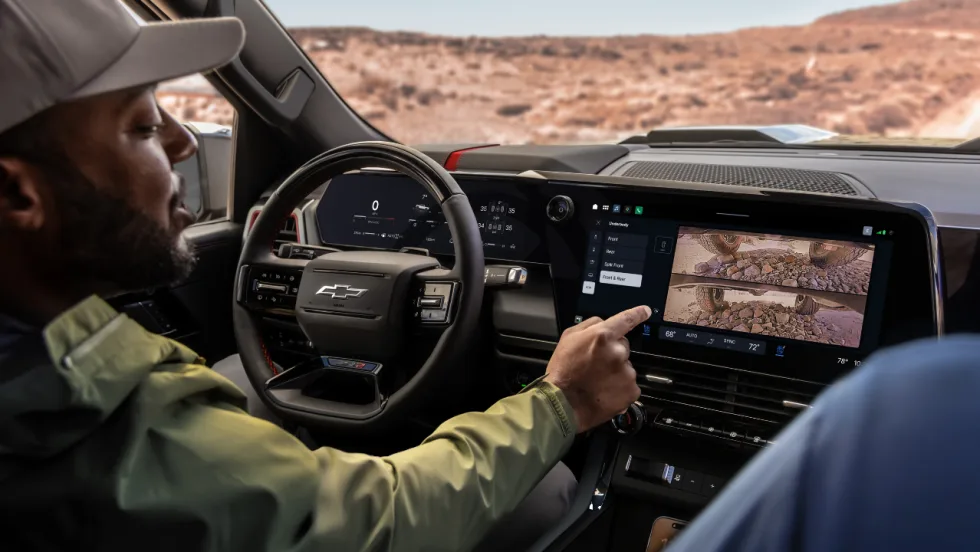
GM Brings New Truck Focused Interface to 2027 Silverado and Sierra
GM's new pickup interface puts trailering data, camera views, vehicle controls, and smartphone integration closer to the driver in the 2027 Silverado and Sierra.
Read More →
Samsara Driver Perks Expands Rewards Beyond the Long Haul Driver
Samsara’s new driver rewards program was built with a broader professional driver in mind, including employees who split their day between driving, job sites, service calls, and other work.
Read More →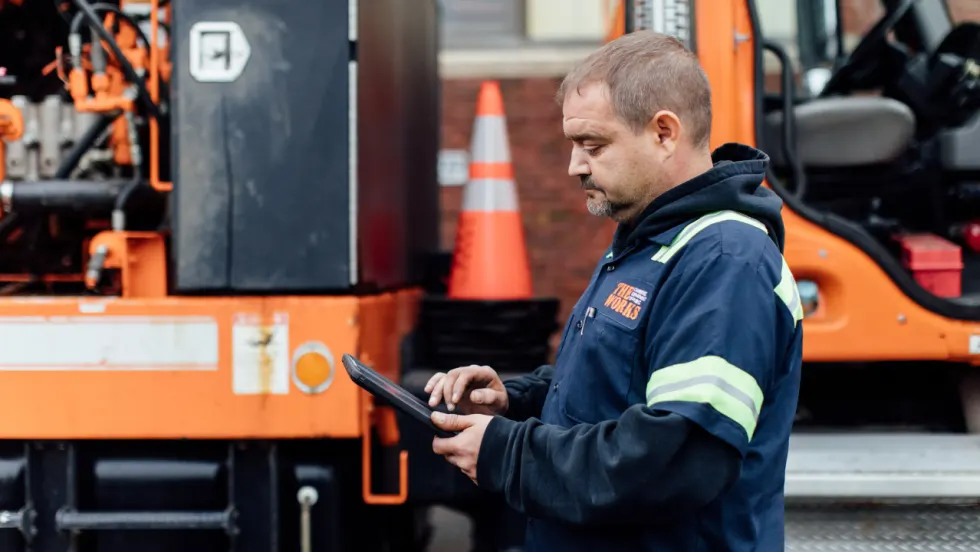
AI Service Advisor Aims to Cut Fleet Repair Downtime
Fleetio said its AI Service Advisor can help fleets cut repair downtime by an average of 2.5 hours per repair while reducing manual maintenance work.
Read More →