





Q&A: IntelliShift’s Henry Popplewell Shares Vision for Innovation & Growth
IntelliShift and Data-Basics Strengthen DBFleet Integration to Boost Field Service and Fleet Efficiency
IntelliShift and Data-Basics expand DBFleet integration to boost fleet visibility, cut costs, and optimize field service operations with real-time insights.
October 10, 2025

A connected view of fleet and field operations, combining real-time GPS insights with hands-on work in the field for smarter, more efficient service management.
Photo: Work Truck
2 min to read
IntelliShift, a connected fleet intelligence platform for safety and operations teams, and Data-Basics Inc., provider of the SAMPro Enterprise field service and construction management software, have announced enhanced results from their DBFleet integration. The expanded collaboration delivers real-time visibility, streamlined workflows, and smarter resource management for organizations managing vehicles and field service teams.
The combined solution unifies IntelliShift’s fleet intelligence with SAMPro’s operational insights, giving companies a single, connected platform that reduces costs and improves decision-making.
“Partnering with Data-Basics and integrating DBFleet supports our mission to help organizations make informed operational and safety decisions,” said Greg Mattes, chief product & technology officer at IntelliShift. “By merging fleet intelligence with business operations, we’re changing how organizations improve efficiency, ensure safety, and grow sustainably.”
Real-Time Data for Real-World Results
Since the integration’s launch, customers have seen measurable improvements in both fleet and field service operations, according to a press release. Companies are reducing payroll discrepancies by comparing work order times with actual vehicle movements, cutting technician travel times through live route alignment, and improving scheduling accuracy with real-time visibility. These combined benefits are helping organizations run leaner, more reliable operations.
DBFleet brings IntelliShift’s data, such as GPS tracking, vehicle diagnostics, routes, fuel usage, and driver behavior, together with SAMPro’s business data, including work orders, payroll, and workflow management. Managers can validate payroll against vehicle activity, automatically flagging discrepancies and streamlining reconciliation.
The integration also allows teams to reference historical travel and stop data alongside work orders for greater operational context.
“Working with IntelliShift enables us to deliver unmatched visibility and operational intelligence,” said Che Baird, President of Data-Basics. “By combining SAMPro’s business management tools with IntelliShift’s advanced fleet insights, we’re helping customers reduce costs, optimize workflows, and gain confidence in their scheduling and payroll accuracy.”
Looking ahead, IntelliShift and Data-Basics plan to continue enhancing DBFleet’s capabilities, expanding insights across safety, compliance, and operational workflows to help organizations future-proof their service and fleet operations.
More Technology & AI
Fleet Downtime, Truck Theft, and Electric Growth Lead This Month
Where is your fleet losing time? This Truck Chat recap connects repair delays, theft risks, storm planning, and lessons from scaling electric trucks.
Read More →
HCSS Partners with Verizon Connect to Deliver Fleet Intelligence for Construction Fleets
HCSS has integrated with Verizon Connect to provide near real-time fleet insights so contractors can spend less time tracking assets and more time keeping projects on schedule.
Read More →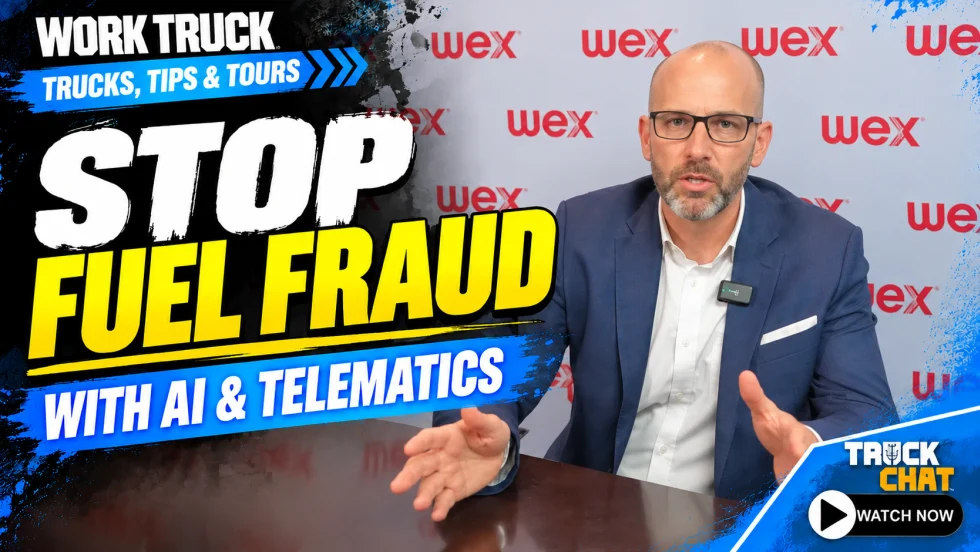
How Fleets Can Use Technology to Fight Fuel Fraud
Fuel fraud and theft remain significant challenges for commercial fleets, whether the problem involves third-party fraud or driver misuse. In this video, David Abraham of WEX explains how SecureFuel uses vehicle geolocation, telematics, transaction information, and AI to help fleet managers identify suspicious fuel purchases and make more informed decisions.
Read More →From Our Partners
Basic Tracking vs Next Generation Fleet Technology
Sponsored by AT&T Business

5 Facts Every Fleet Manager Should Know About Embedded Telematics
Sponsored by Stellantis/Mobilisights

How AI Video Telematics Boosts Driver Safety and Helps to Avoid Unnecessary Costs
Sponsored by Verizon Connect

Charting the 8 Bottom-Line Benefits of Workforce Optimization
Sponsored by Verizon Connect

Can AI Agents Help Small Work Truck Fleets Do More With Less?
Motive's new AI Agents automate fleet safety, maintenance, compliance, and dispatch tasks. Here's how they work for smaller fleets, what managers control, and what early users are seeing.
Read More →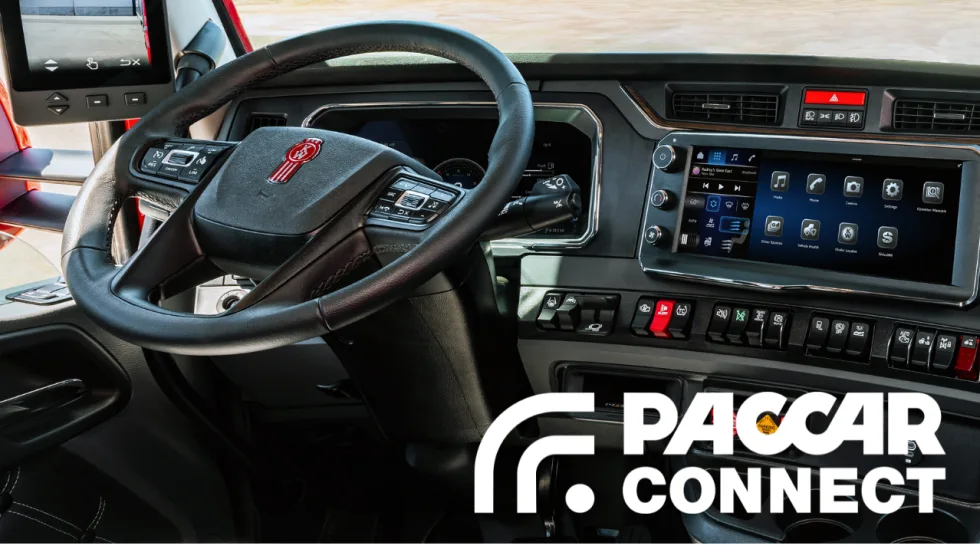
Paccar Launches Paccar Connect for Peterbilt and Kenworth Trucks
The new Paccar Connect offers touchscreen displays, telematics capabilities, and an expanding app ecosystem to boost productivity and streamline driver workflows.
Read More →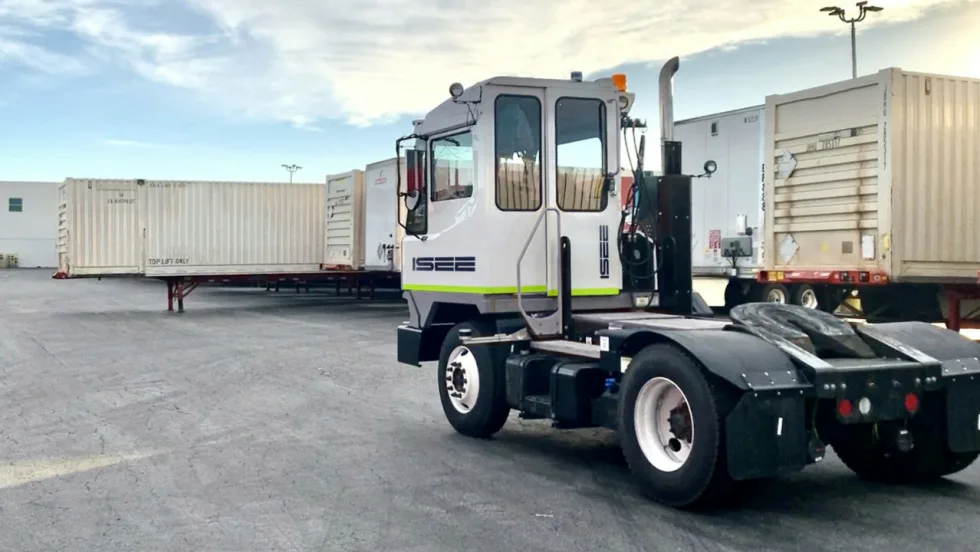
Holman and ISEE Partner to Expand Autonomous Yard Truck Operations
The partnership combines Holman's fleet management and upfitting capabilities with ISEE's autonomous driving technology to help businesses deploy and manage driverless yard trucks.
Read More →
Who You Gonna Call? Rivian Turns Electric Vehicles Into Ghostbusters Rides
Rivian teams up with Sony Pictures for a Ghostbusters-inspired Halloween software update, complete with custom sounds, lighting effects, and a special Ecto-R1.
Read More →
The Second Trip and What Missing Tools Really Cost a Service Business
For service fleets, missing tools and equipment can lead to second trips, lost technician time, higher operating costs, and delayed jobs. Equipment tracking can help HVAC, plumbing, electrical, landscaping, and other service businesses improve visibility and reduce downtime.
Read More →
GeoFencing Adds to Your Truck Security Arsenal
Geofencing is a familiar fleet tool today, but its early adoption marked a major shift in vehicle tracking, route monitoring, and the debate over employee privacy.
Read More →
Geotab Data Shows Regional Trucking Growing Faster as Last Mile Routes Get Denser
Geotab's first U.S. supply chain report finds stable long-haul activity, stronger regional freight movement, tighter hub-and-spoke utilization, and more last-mile trips on shorter routes.
Read More →