





Fun Fact: We are saving time, not "savings" time, so make sure you write Daylight Saving Time (just one S!).
Navigating the Effects of Daylight Saving Time on Work Truck Fleets
Discover how daylight saving time impacts work truck fleets and get essential tips for fleet managers and drivers to navigate the "fall back" transition.
October 30, 2025
Fleet drivers adapt to earlier sunsets after daylight saving time, navigating routes with increased vigilance and safety measures.
Photo: Work Truck
3 min to read
With daylight saving time (DST) behind us and the "fall back" adjustment settling in, fleet managers and drivers feel the impacts firsthand. It's only an hour's difference, but anyone in the industry knows it can significantly ripple through work truck operations.
For some, the extra morning light brings relief and even some unexpected benefits. For others, it introduces new challenges that demand attention. Now that the clocks have rolled back let's break down how this time shift affects fleet operations and share some practical tips to help everyone adapt.
The Immediate Impact: A Mixed Bag for Fleets
Waking up to earlier sunrises has been a welcome change for many drivers. More morning daylight means better visibility and can give drivers an alertness boost right at the start of their shifts. That natural light isn't just a perk—it's a game changer for early-morning safety and driver morale.
But, as with most things, there's a flip side. The downside? Earlier sunsets. Daylight is cut short in the late afternoon, leaving more drivers navigating their routes in the dark.
This shift can increase the risk of accidents and calls for extra vigilance from drivers who now face low-light conditions during parts of their routes that were previously illuminated.
Add to this the fact that adjusting to DST takes a toll on our internal clocks. Some drivers might find that sleep patterns are off-kilter, leading to fatigue and reduced alertness—especially during those suddenly darker evening shifts.
Tips to Navigate the Post-DST Transition
Fleet managers and drivers don't need to settle for just getting by. A few practical steps can help maintain safety and productivity as everyone adjusts:
Reinforce Evening Safety Practices: Remind drivers about defensive driving, especially during dusk and evening hours when light conditions change quickly. A refresher on vigilance can go a long way.
Prioritize Driver Well-being: Sleep routines can still be out of whack in the days after the time change, so emphasize the need for quality rest. Encourage short, restorative power naps if schedules allow, and make sure drivers start their shifts well-rested to stave off fatigue-related issues.
Check on Vehicle Tech: Ensure that adaptive headlights, automatic emergency braking systems, and other safety features are in top condition. These tools are invaluable as drivers adjust to darker evenings.
Monitor Driver Performance: Watch for signs of slower reaction times or fatigue. Catching these indicators early can help prevent issues and maintain fleet safety.
Adjust Route Schedules if You Can: If flexibility allows, tweak delivery or route schedules to make the most of available daylight. Shifting routes earlier in the day could cut down on extensive after-sunset driving.
Making the Most of This Adjustment Period
The week after daylight saving time ends can be tricky for drivers and fleet managers. But the transition can be smoother and safer for everyone with clear communication, a focus on driver safety, and minor operational tweaks.
As fleets and drivers ease into the new routine, remember that preparation and adaptability are key. A little foresight now can go a long way toward maintaining safe and efficient operations, even as the sun sets a little sooner.
Editor’s Note: Some advice never goes out of style. This piece first ran in November 2024, but it’s worth another look.
Subscribe to Our Newsletter
More Safety & Compliance

Tips for Driving Safely on Halloween Night
This video features a reminder from the Connecticut Department of Transportation (DOT) and the Connecticut Police Chiefs Association, urging drivers to prioritize safety this Halloween.
Read More →
Re-rating Gross Vehicle Weight Ratings (GVWR): Why and How it's Done
Sometimes, it is not in a fleet’s best interests to have a vehicle at a given GVWR. Changing the GVWR to a special value can be done, but the process is complicated.
Read More →
When a Work Truck Gets Stolen, the Real Loss Is Time
A stolen work truck can take more than a vehicle off the road. From tools and access cards to crew downtime, here’s how fleets can prepare for theft before it disrupts the entire workday.
Read More →From Our Partners



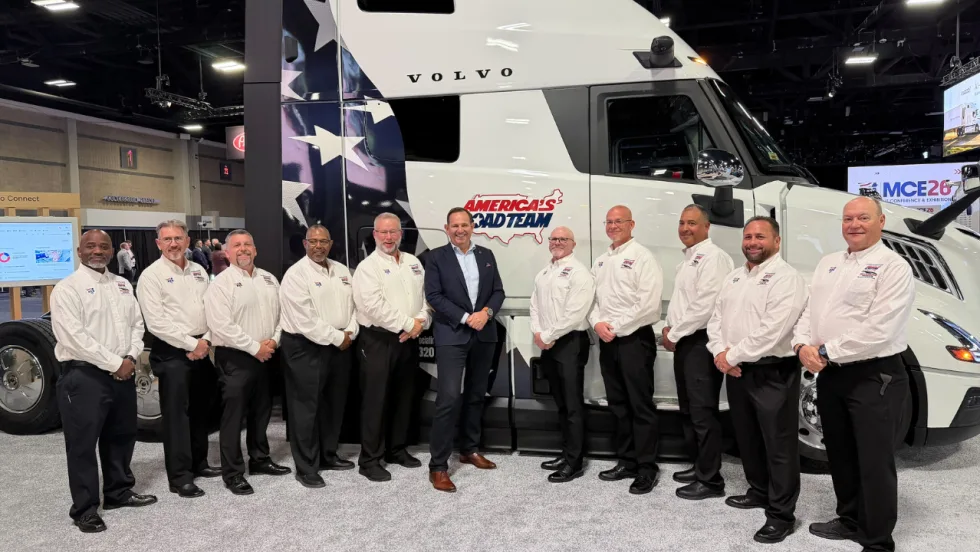
Volvo Trucks Marks 25 Years as Exclusive Sponsor of America's Road Team
Volvo Trucks North America will serve as the exclusive sponsor of the American Trucking Associations' America's Road Team, marking 25 years of Volvo sponsorship. The group of professional drivers promotes safety and the industry as they travel the country.
Read More →
Streamlight’s High-Output Scene Light Recognized with Occupational Safety Award
Streamlight’s Portable Scene Light III (PSL III) won the 2026 Occupational Health & Safety (OH&S) New Product of the Year Award in the Lighting category.
Read More →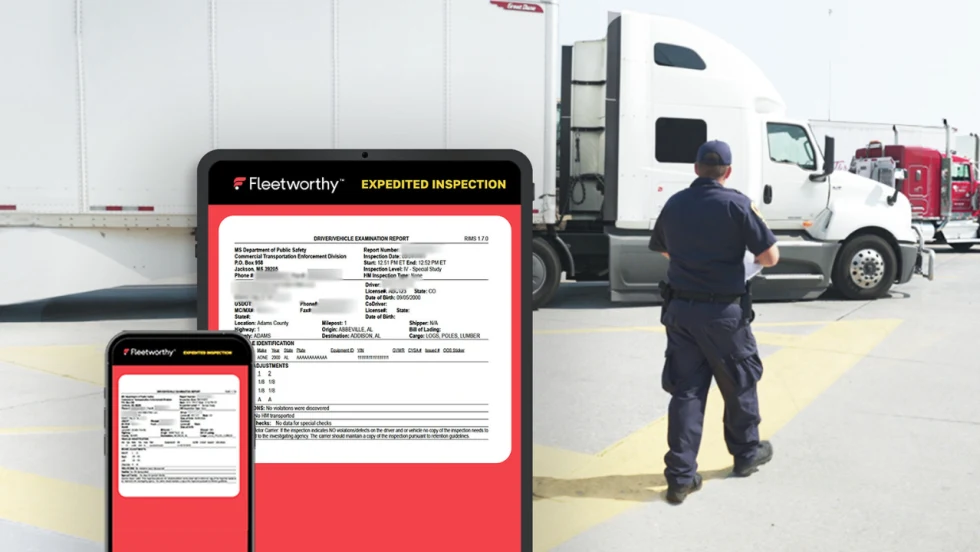
Fleetworthy Expands Expedited Inspection to 5 States
Following its industry-first launch in Nevada, Fleetworthy’s automated inspection technology is now live in California, Michigan, Vermont, and Maine.
Read More →
Crossing State Lines in a Light-Duty Work Truck? Check These Rules First
Crossing state lines in a lighter work truck? J.J. Keller's Kathy Close explains when IRP registration, trip permits, and towing rules come into play.
Read More →
Simple Tire Checks That Help Keep Your Business Fleet Moving
A survey found that nearly one in every 10 passenger vehicles has at least one bald tire. What's more, 27% -- more than one in four -- of vehicles are driven with one or more severely under-inflated tires.
Read More →
GeoFencing Adds to Your Truck Security Arsenal
Geofencing is a familiar fleet tool today, but its early adoption marked a major shift in vehicle tracking, route monitoring, and the debate over employee privacy.
Read More →
Recalls You Need to Know About in October 2026
In October 2026, what recalls might impact your fleet? Work Truck has the answers in this comprehensive overview of recent NHTSA recalls.
Read More →