





Did You Know? Popular Trucking Tech Used on Elephants
Solving Fleet Pain Points with Smart Dash Cams
Get ahead of the game and learn how ORBCOMM's video AI and telematics solutions are becoming a game-changer for fleets.
January 11, 2024
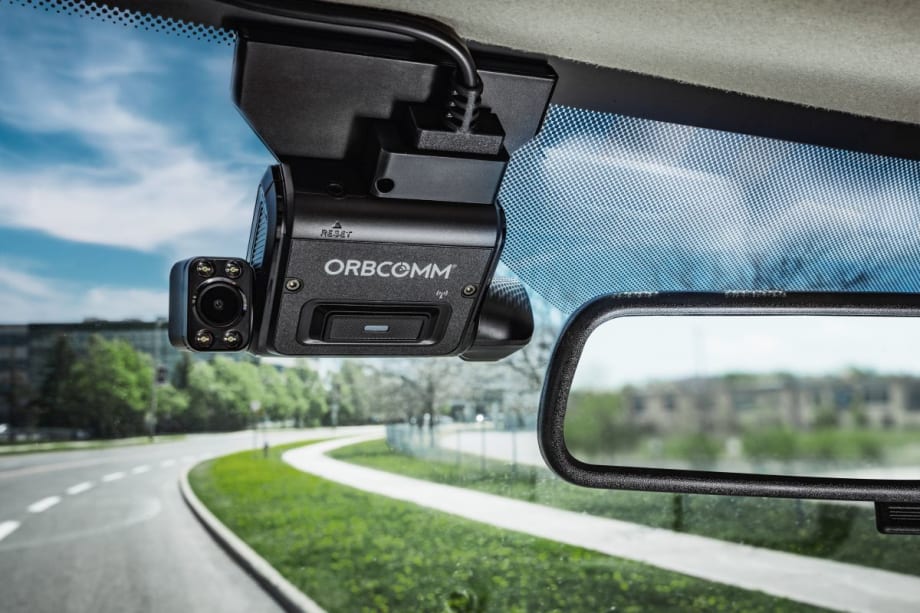
The FM 6510 detects unsafe driving behavior and coaches your drivers to promote safety and fuel economy, tracks your vehicles and helps reconstruct accidents with data and video footage, which may help shield you from insurance claims.
Photo: ORBCOMM
4 min to read
In recent years, the use of in-cab cameras and technology in fleet operations has increased substantially. While this technology provides an added layer of protection and creates end-to-end accountability, its adoption has been met with pushback from both fleet operators and drivers.
However, ORBCOMM’s video AI and telematics solutions are revolutionizing how fleets operate, offering a wide range of benefits that address the challenges faced by fleets.
Look at how ORBCOMM’s telematics and video AI solutions can help address the challenges faced by fleets.
The Adoption of Video AI in Fleet Operations
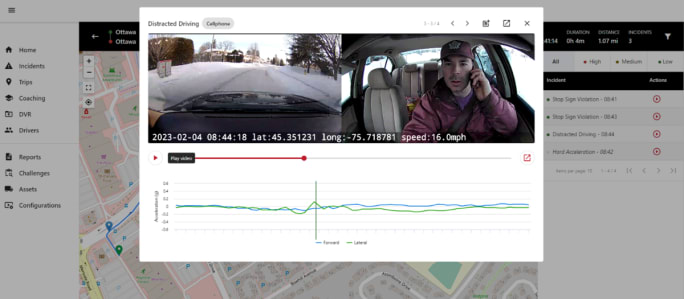
While cameras are increasingly used in trucking, primarily road-facing cameras are being adopted. And drivers are seeing the benefits.
Photo: ORBCOMM
In-vehicle cameras are nothing new. And their use is growing. According to the American Transportation Research Institute (ATRI), the North American marketplace is considered the largest in-vehicle camera market in the world, with 2.9 million camera units in 2021 and an annual growth rate of 16.5%.
Driver-facing cameras are still receiving some pushback for “Big Brother” and privacy concerns by drivers, as well as concerns by fleets that driver negligence would be highlighted.
While cameras are increasingly used in trucking, primarily road-facing cameras are being adopted. And drivers are seeing the benefits. Recent Federal Motor Carrier Safety Administration (FMCSA)-sponsored research led by the American Transportation Research Institute (ATRI) found that road-facing cameras were a truck driver’s second most preferred in-cab technology.
ORBCOMM’s Newest Solution
ORBCOMM has developed an innovative solution for fleets that combines video AI, engine data, and sensors to detect unsafe driving practices. This technology enables fleet managers to monitor drivers and promote safer driving habits.
The Video Telematics Smart Dashcam solution is designed with driver privacy in mind and does not record audio. This means that drivers can make calls without worrying about being recorded.
With over 30 years of experience in industrial IoT technology, ORBCOMM has helped enterprise companies, small local carriers, and everyone in between to make data-driven decisions using their pioneering telematics solutions. These solutions are built to be deployed quickly and easily, and their global sales, service, and technical support teams are always ready to serve.
Safety Benefits for Commercial Fleets
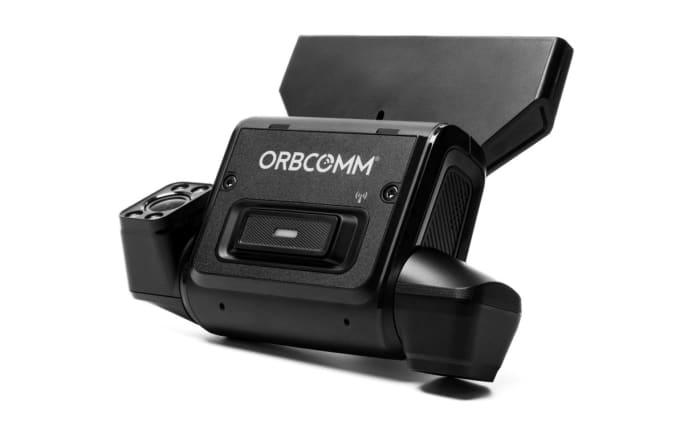
The FM 6510 smart dashcam combines video footage and telematics data to help light commercial vehicle fleets keep sight of their operations around the clock.
Photo: ORBCOMM
In today's transportation industry, the issue of "nuclear verdicts" and lawsuits related to fleet drivers has become a growing concern. Fleet managers need to be proactive in mitigating the risk of such lawsuits. In-vehicle smart dashcams have emerged as a valuable tool that can make all the difference between a verdict that puts your business at risk and one that exonerates your driver and operation.
Investing in this technology can be a wise decision for fleet managers who want to ensure the safety of their drivers and protect their business from potential legal liability. The new dashcam solution from ORBCOMM provides an added layer of protection and creates end-to-end accountability.
“The telematics system also allows fleet managers to warn drivers against aggressive or too-fast driving—behavior changes that translate into fewer moving violations and fines,” said John Phillips, senior product manager at ORBCOMM.
Dash cameras provide valuable evidence of theft, vandalism, or fraud and provide visual proof about who was responsible for an incident or collision.
Providing real-time evidence in case of an accident or other incident with dash cameras for trucks can save time and money when processing insurance claims—which can mean up to a 10% reduction in premiums, according to industry data.
Coaching Solution for Drivers
ORBCOMM encourages fleets to use the data to coach safer driving practices but also to remember to use the information to highlight/call out positive results and behaviors.
“Share driver metrics in a way that motivates drivers. Acknowledge that no driver is perfect, but we should strive for perfection. Instead of stating, ‘You rolled through four stop signs this week,’ try: ‘You traveled 150 city miles in a row without any safety events this week!’” Phillips said.
Safety programs and reporting can be implemented with incentives to gain trust and initial buy-in.
“Dash cameras can offer reassurance to drivers after an accident, especially if the accident is bad. The driver might worry that it was their fault, that there was maybe something more they could have done. Video can quickly show that it wasn’t their fault, allowing them to sleep easier at night and get back to work quicker,” Phillips said.
Subscribe to Our Newsletter
More Safety & Compliance
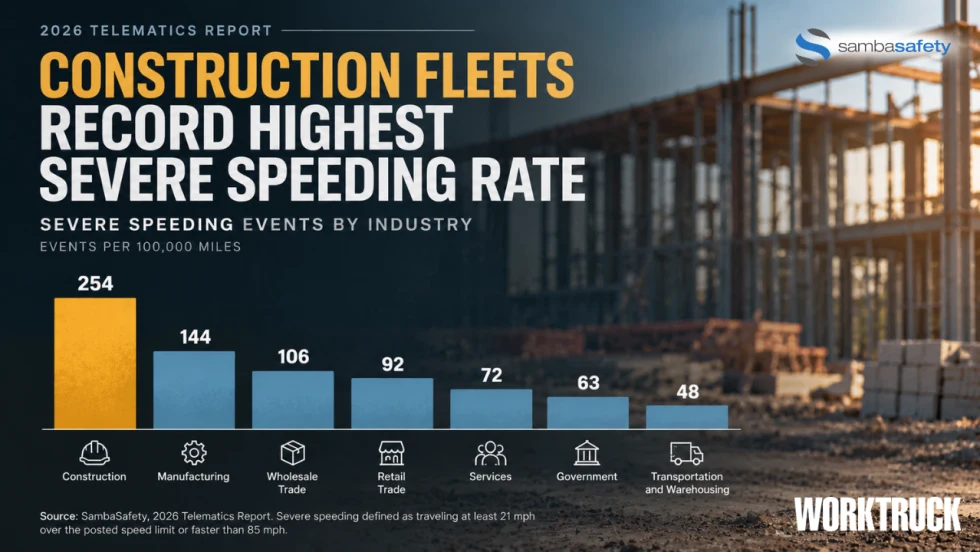
Construction Fleets Show Telematics Adoption Alone May Not Reduce Driving Risk
SambaSafety found construction fleets monitor roughly 92% of their vehicles but recorded the highest severe speeding rate among industries studied.
Read More →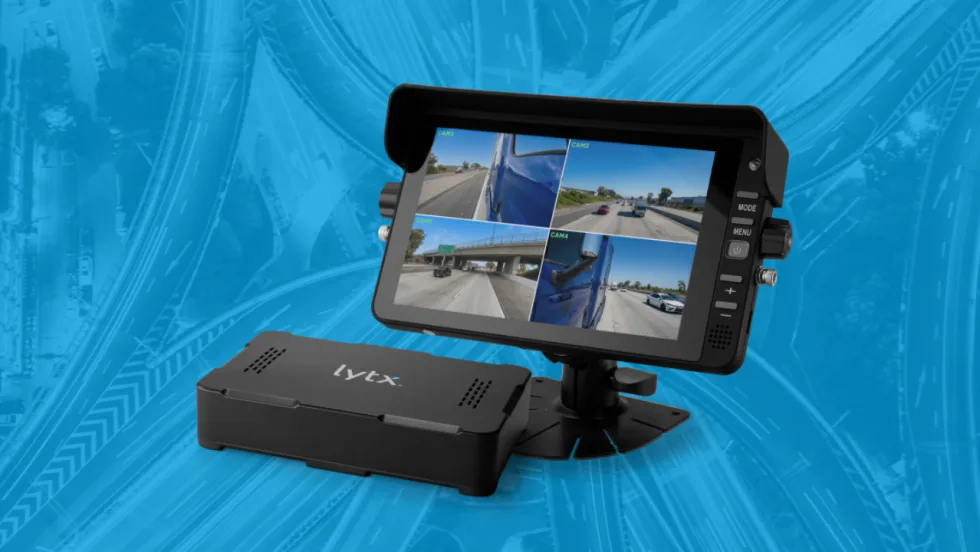
Lytx Launches 360 Hub Kit for Expanded Fleet Camera Visibility
Lytx’s new AI-ready gateway and HD auxiliary camera ecosystem, the Lytx 360 Hub Kit, extends visibility across side, rear, cargo, and blind-zone views to help fleets see more and respond faster.
Read More →
Mack Defense Achieves Cybersecurity Maturity Model Certification Level 2
After an assessment conducted by an authorized Certified Third-Party Assessment Organization (C3PAO), Mack Defense has achieved Cybersecurity Maturity Model Certification (CMMC) Level 2.
Read More →From Our Partners


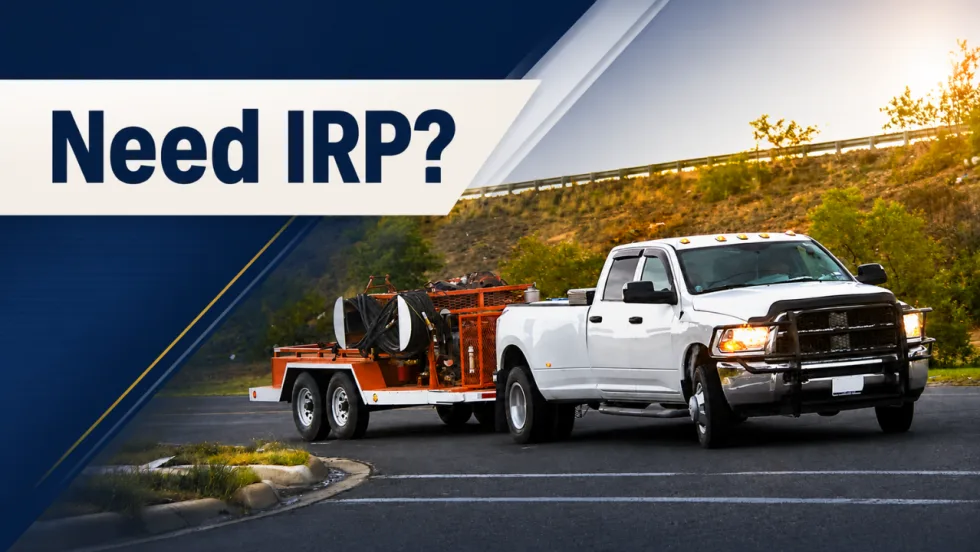
When Work Trucks Under 26,001 Pounds Need IRP Registration
Think trucks under 26,001 pounds are automatically in the clear when it comes to IRP? Not always. Learn where lighter vehicles can still run into trip permit, apportioned registration, and IFTA compliance requirements when crossing state or provincial lines.
Read More →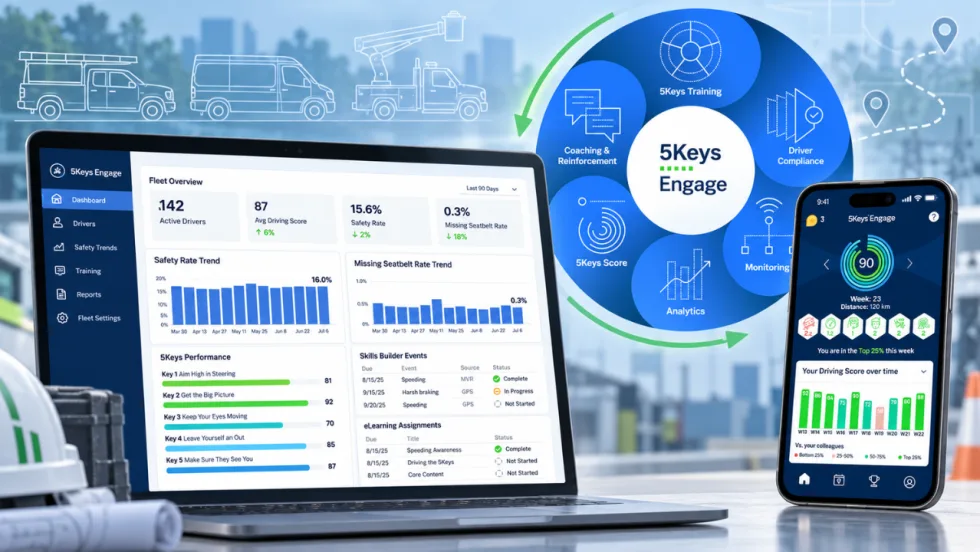
Smith System Wants Work Truck Fleets to Look Beyond the Driver Alert
Smith System’s new Driver Risk Management program is built to help mixed work truck fleets turn telematics alerts and observations into specific behaviors, coaching actions, and measurable follow-up.
Read More →
Volvo Trucks Releases New Safety Recommendations for Traveling with Pets
One of the most important recommendations for professional drivers traveling with pets is to ensure pets are properly restrained while the truck is moving. Other tips are available in the new guide from Volvo Trucks North America and Center for Pet Safety.
Read More →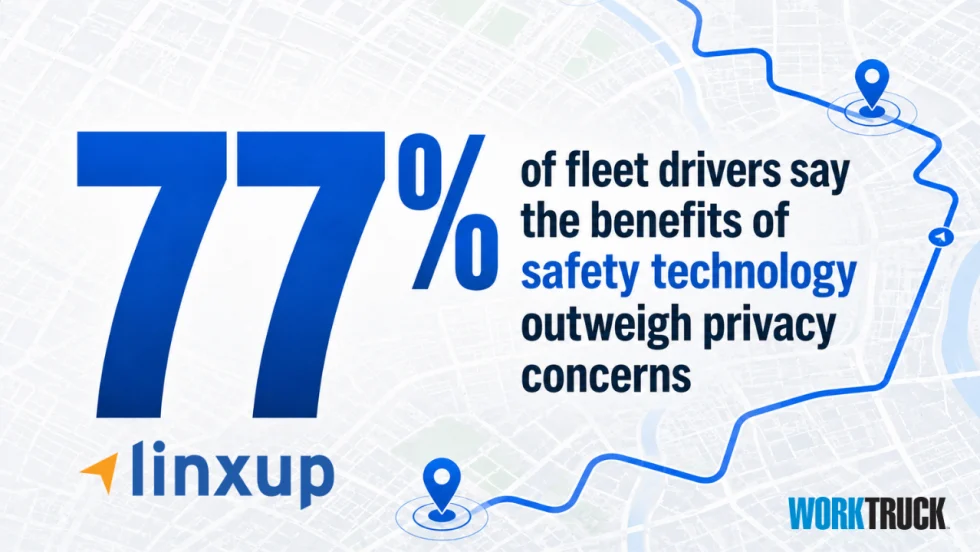
Are Work Truck Drivers Warming Up to Dash Cams and GPS Tracking?
A new survey finds field-service drivers may be more comfortable with dash cams and GPS tracking than fleet managers think, especially when the technology helps protect them after a crash.
Read More →
Recalls You Need to Know About in August 2026
If you have Altec, Chrysler, Ford, Heil, General Motors, International, Mack Trucks, Paccar, Rivian, Royal Truck, Toyota, US Truck Body, or Volvo Trucks vehicles in your fleet, you should check these important recalls issued by the National Highway Safety Administration.
Read More →
API Issues Refueling Safety Guidelines
The American Petroleum Institute offers a list of safe vehicle refueling guidelines, including ways to avoid potential problems with static electricity discharges in fall, winter, and early spring.
Read More →
Winter Fleet Prep: Expert Tips to Keep Vehicles Running Smoothly
Cold weather can expose weak batteries, tires, fuel systems, and maintenance gaps fast. Use this winter fleet checklist to prepare trucks and drivers before temperatures drop.
Read More →