





Related: SoCalGas to Test Tech That Could Transform Hydrogen Distribution
Worthington Industries Introduces Solution For Transporting, Storing Hydrogen Gas
ThermaGuard hydrogen cylinders are developed with advanced composite materials and are warranted for their service life at 250 degrees Fahrenheit operating temperature.
February 11, 2021
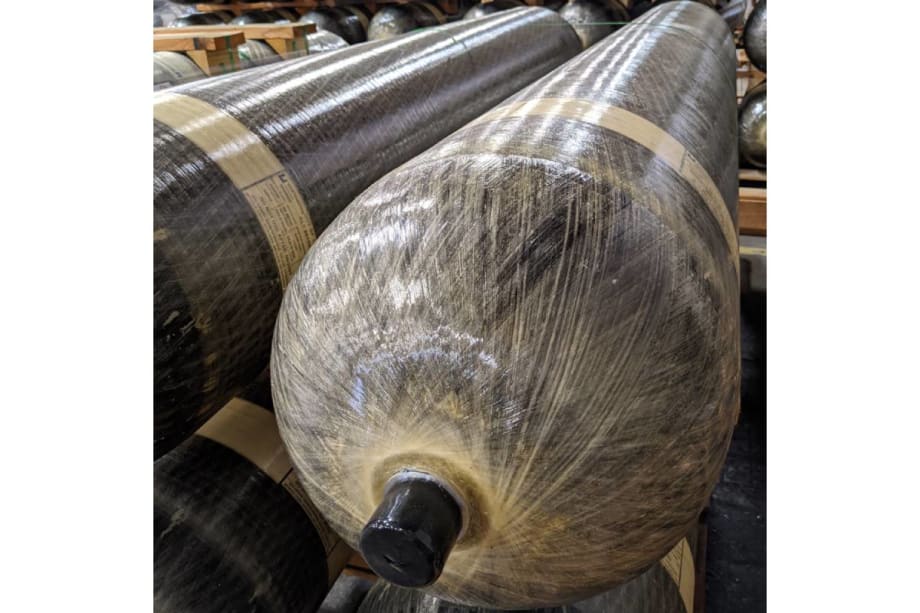
ThermaGuard hydrogen cylinders are developed with advanced composite materials and are warranted for their service life at 250 degrees Fahrenheit operating temperature.
2 min to read
Worthington Industries announced Feb. 3 the release of ThermaGuard hydrogen cylinders, a new product optimized to meet the needs of hydrogen fuel. Developed using Worthington’s aerospace-grade standards, ThermaGuard hydrogen cylinders are proven to be a more efficient means of transporting and storing high-pressure hydrogen gas.
ThermaGuard hydrogen cylinders are developed with advanced composite materials and are warranted for their service life at 250 degrees Fahrenheit operating temperature. This eliminates the need for hydrogen pre-chilling, and cylinder replacement is not necessary when chilling equipment malfunctions or otherwise goes out of calibration. Older composite cylinder designs are limited to operating temperatures of 185 degrees Fahrenheit, requiring hydrogen to be pre-chilled to protect cylinders from overheating. Chilling hydrogen is expensive and slows the filling process.
ThermaGuard cylinders will help fuel cell and hydrogen powertrain developers and hydrogen refueling stations with:
Faster filling: ThermaGuard hydrogen cylinders make for faster filling by using aerospace-grade composite materials that have a higher temperature rating and an aluminum liner to prevent significant cylinder temperature increases. Without hydrogen pre-chilling, heavy-duty vehicles, like Class 8 trucks and transit buses equipped with ThermaGuard hydrogen cylinders, can be filled in 10-15 minutes versus 25-45 minutes.
Reduced fuel costs: Hydrogen pre-chilling increases the dispensed cost of hydrogen by $0.22 to $2 per kilogram depending on the filling parameters. ThermaGuard hydrogen cylinders can eliminate this extra operating cost.
Reduced capital expenditure: Hydrogen chilling equipment can have a capital cost of $250,000 to $500,000 depending on the fill station operating parameters. ThermaGuard hydrogen cylinders eliminate these capital expenses.
Reduced range anxiety: ThermaGuard hydrogen cylinders can meet or exceed SAE J2601 objectives for completeness of fill, without hydrogen pre-chilling.
Extended life cylinders: Chilling equipment and temperature sensors are prone to failure and are difficult to keep running continuously. Should chilling equipment fail, ThermaGuard hydrogen cylinders do not need replaced after being exposed to high temperatures. ThermaGuard hydrogen cylinders have passed 10,000-cycle fill and vent testing.
ThermaGuard hydrogen cylinders are designed to capture, contain, and use hydrogen with service pressures ranging from 248–700 bar (3,600–10,150 psi) for usage as motor vehicle fuel containers and in mobile pipeline applications for zero-emission and sustainable mobility solutions.
More Fuel

The Smart Way to Build a Mixed-Energy Fleet Isn’t About Picking a Side
Mixed-energy fleets aren’t about picking a winning fuel. Sarah Booth of WEX explains how vehicle data, duty cycles, charging strategy, and real-world costs can help fleets choose the right energy source for each job.
Read More →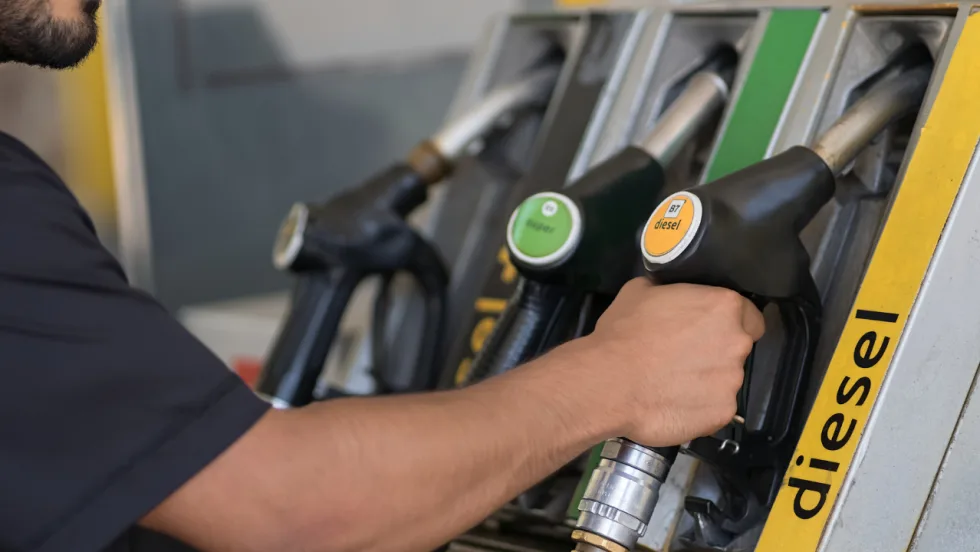
Ignoring This Dashboard Warning Could Cost Your Fleet Thousands in Fuel
New research suggests neglected diesel aftertreatment systems could waste up to $30 in fuel per vehicle each day. Here's why vocational fleets should pay attention.
Read More →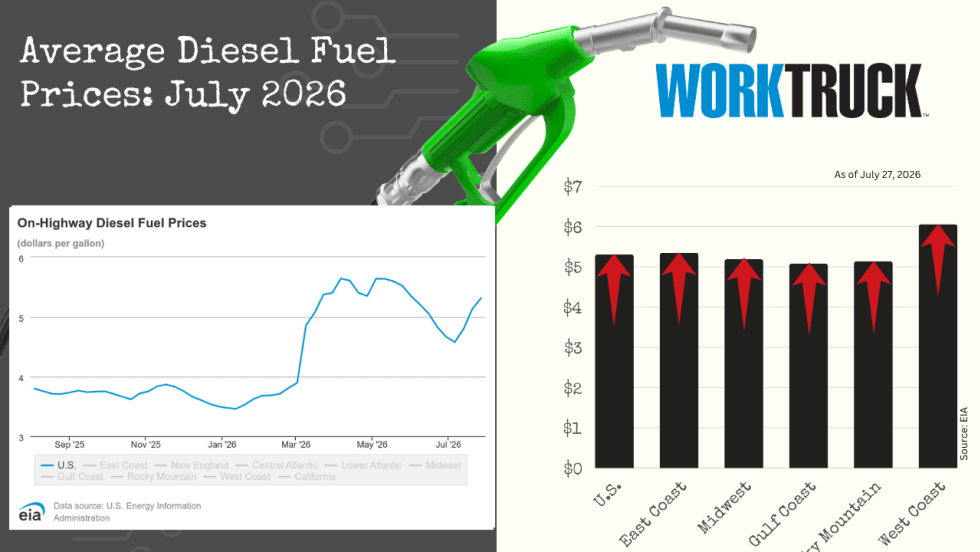
July Diesel Trends Update
The average price of a gallon of diesel increased again this week, and the EIA reported a new national average of $5.31 at the start of the week.
Read More →
WEX Brings Standard Fleet's Connected Vehicle Platform to Fleet Customers
This week’s product launch with Standard Fleet’s connected vehicle platform reflects WEX Venture Capital's strategy of turning startup innovation into customer solutions. Standard Fleet is now available to WEX fleet customers.
Read More →
Teletrac Navman Adds Mixed-Energy Fleet Tools to TN360
The new Energy Hub combines fuel transactions, EV charging data, vehicle range, and energy costs in one dashboard for fleets operating multiple vehicle and energy types.
Read More →
WEX DriverDash adds CITGO, Expands Nationwide Access for Fleets
The DriverDash mobile payment app, by WEX, has been integrated into the CITGO merchant network, which means WEX has expanded its U.S. station footprint with the addition of approximately 4,000 CITGO locations.
Read More →
Mixed Energy Fleet Tips for Balancing EVs, Gas and Diesel Vehicles
Mixed energy fleets are becoming the new normal. Learn how fleet managers are balancing EVs, gas and diesel vehicles while controlling costs and planning for the future.
Read More →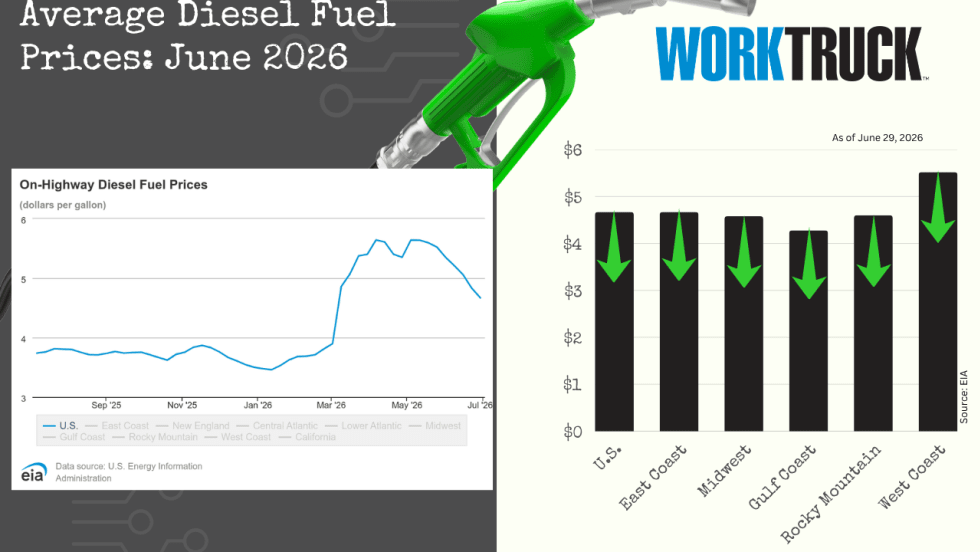
June Diesel Trends Update
The national average price of a gallon of diesel has dropped again, this week by more than 16 cents. All five regions reported lower average prices, ranging from almost 13 cents to more than 28 cents cheaper than a week ago.
Read More →
RoadFlex Launches RoadFlex Direct Open API Platform
RoadFlex Direct connects fuel cards, controls, and data to the telematics and fleet management systems fleets already run, from Geotab and Samsara to Fleetio and RTA, with no separate dashboard or double data entry.
Read More →
The Key to Fuel Efficiency Sits in the Cab
Learn how driver behavior, telematics, coaching, and fuel data can help fleets improve fuel efficiency, lower costs, and reduce emissions.
Read More →