





Related: 50 Ways to Reduce Fuel Spend
WEX Identifies Fuel Overspending by Industry
Retail industry drivers purchase more premium fuel and higher-priced fuel on average than other industries, while telecommunications, insurance and government fleets keep overspending in check, according to data from WEX Inc.
November 11, 2016
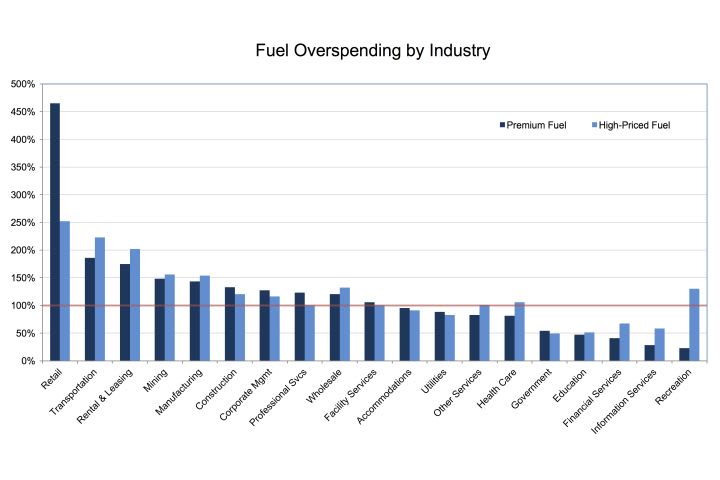
Chart courtesy of WEX Inc.
3 min to read
Chart courtesy of WEX Inc.
Retail industry drivers purchase more premium fuel and higher-priced fuel on average than other industries, while telecommunications, insurance and government fleets keep overspending in check, according to data from WEX Inc.
The analysis comes from the WEX ClearView fleet analytics platform, and looks at nearly 40 million fuel purchase transactions by large fleet clients from January through October. The data set included fuel purchases for Class 1 to 6 vehicles.
The data underscores the importance of managing driver behavior when it comes to fuel purchases with fleet vehicles, because low fuel prices have resulted in fleet drivers purchasing premium fuel for non-luxury vehicles rather than regular unleaded, said Kurt Thearling, WEX's vice president of analytics.
The WEX analysis also identified "high-priced fuel" purchases that were expensive compared to gas stations in the immediate surrounding area with lower prices to produce more relevant comparisons than a national benchmark, Thearling said.
Fleets typically provide WEX fuel cards to their drivers to track fuel purchasing costs.
"We looked at two kinds of overspending," Thearling said. "If a driver bought premium, what was the cost of the difference between premium and regular? We also looked at high-priced fuel, so we looked at alternatives to the transaction. Was there a nearby purchase opportunity, another gas station? If there was, then what was the difference in prices? These are the two primary kinds of overspending and waste our customers care about."
Fuel transactions in the retail industry, including appliance stores, car dealers, and vending machine operators, were more than more than four times likely to include premium fuel when it wasn't needed (465% over the average) and almost three times as likely to include high-priced fuel (252% over the average).
Other industries with a penchant for premium fuel included transportation, including passenger vehicles, limousines, and busses (186% over); rental and leasing, including equipment rental and vehicle rental (175% over); mining, including oil and gas operations (148% over); manufacturing, including bakeries, concrete, and dairy products (143% over); and construction, including electrical contractors, builders, and drywall contractors (133% over).
"If you look at rental and leasing, there's an interesting dynamic going on there," Thearling said. "If the gasoline is paid by the rental company, for example Zipcar, there's zero motivation by the consumer to pay attention to the cost. They pay a flat rate to use the vehicle for an hour."
Industries that have effectively held down premium fuel purchases include recreation, including fitness clubs and sports centers (23% above the average); information services including cable television and telecommunications (28%); financial services, including insurance and financial transaction processing (41%); and government agencies, including urban planners (54%).
"Cable TV and telecommunications fleets are are large companies that have substantial fleet management organizations that are staying on top of this," Thearling said. "Some of these telecommunications companies may be making more of an investment related to managing fuel spending."
Among purchasers of high-priced fuel, the retail industry again topped the list by purchasing fuel at more than two times higher prices (252% over the average) followed by transportation (223% above), rental and leasing (202% above), mining (156% higher), and manufacturing (154% above).
The largest disparity came with the recreation industry, which kept premium fuel prices in check, but spent 130% of the average on high-priced fuel.
Industries that effectively managed high-priced fuel purchases included government (49% above); education, including schools and colleges (51% above); information services (58% above); financial services (67% above); utilities, including electricity, gas and water (83% above); and accommodations, including restaurants and hotels (91% above).
Some construction fleet managers have told WEX they don't want their drivers looking around for lower fuel prices, when they're driving trucks to a job site. Construction purchases for high-priced fuel were 120% above.
"These companies want their drivers to get to the job site quickly rather than driving around looking for lower fuel prices," Thearling said. "Our goal is to quantify the opportunity for cost savings so fleet manger can make informed decisions. Right now, they don’t know what making a poor purchase decision costs them."
Originally posted on Automotive Fleet
More Fuel

The Smart Way to Build a Mixed-Energy Fleet Isn’t About Picking a Side
Mixed-energy fleets aren’t about picking a winning fuel. Sarah Booth of WEX explains how vehicle data, duty cycles, charging strategy, and real-world costs can help fleets choose the right energy source for each job.
Read More →
Ignoring This Dashboard Warning Could Cost Your Fleet Thousands in Fuel
New research suggests neglected diesel aftertreatment systems could waste up to $30 in fuel per vehicle each day. Here's why vocational fleets should pay attention.
Read More →
July Diesel Trends Update
The average price of a gallon of diesel increased again this week, and the EIA reported a new national average of $5.31 at the start of the week.
Read More →
WEX Brings Standard Fleet's Connected Vehicle Platform to Fleet Customers
This week’s product launch with Standard Fleet’s connected vehicle platform reflects WEX Venture Capital's strategy of turning startup innovation into customer solutions. Standard Fleet is now available to WEX fleet customers.
Read More →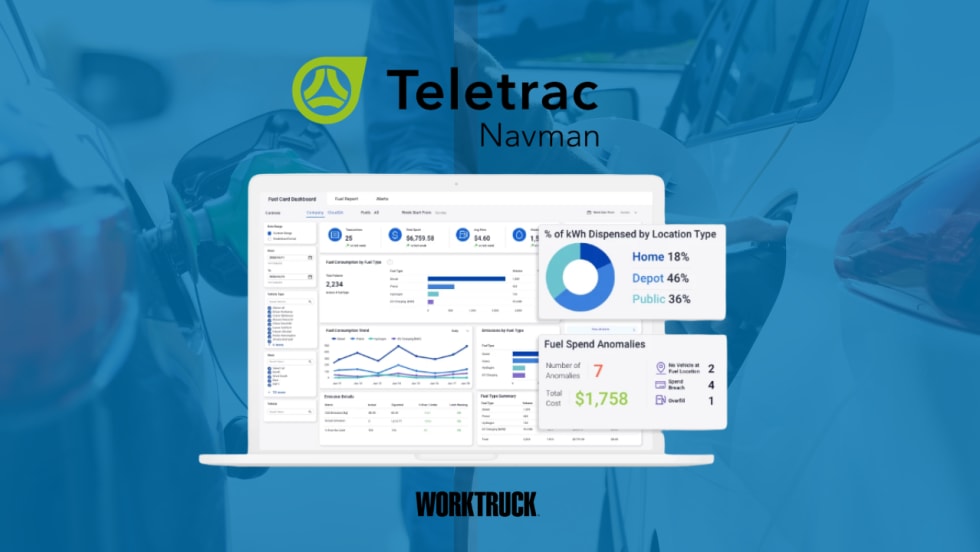
Teletrac Navman Adds Mixed-Energy Fleet Tools to TN360
The new Energy Hub combines fuel transactions, EV charging data, vehicle range, and energy costs in one dashboard for fleets operating multiple vehicle and energy types.
Read More →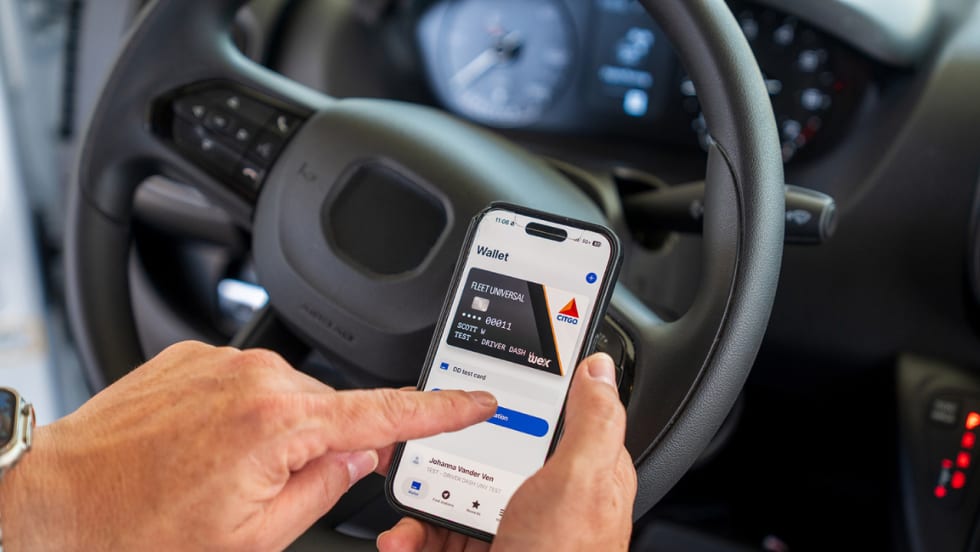
WEX DriverDash adds CITGO, Expands Nationwide Access for Fleets
The DriverDash mobile payment app, by WEX, has been integrated into the CITGO merchant network, which means WEX has expanded its U.S. station footprint with the addition of approximately 4,000 CITGO locations.
Read More →
Mixed Energy Fleet Tips for Balancing EVs, Gas and Diesel Vehicles
Mixed energy fleets are becoming the new normal. Learn how fleet managers are balancing EVs, gas and diesel vehicles while controlling costs and planning for the future.
Read More →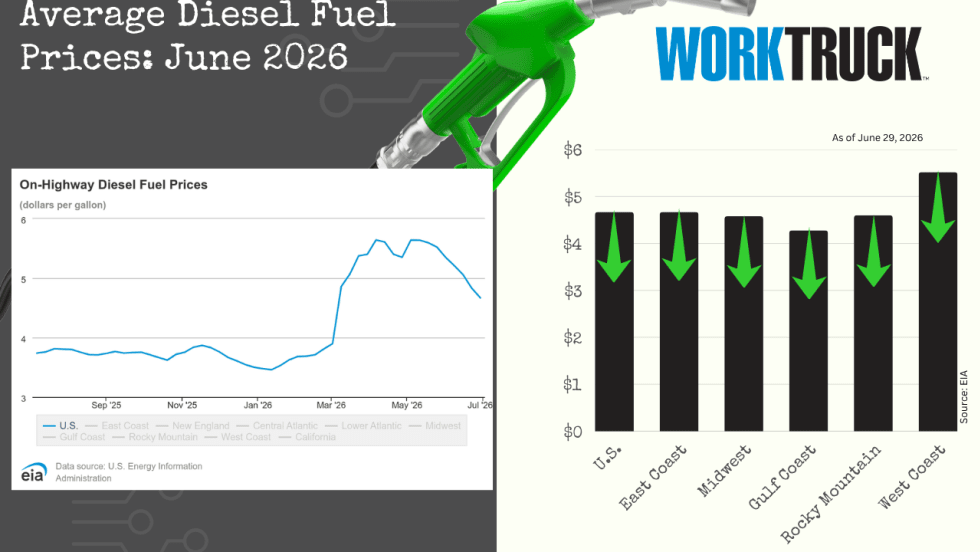
June Diesel Trends Update
The national average price of a gallon of diesel has dropped again, this week by more than 16 cents. All five regions reported lower average prices, ranging from almost 13 cents to more than 28 cents cheaper than a week ago.
Read More →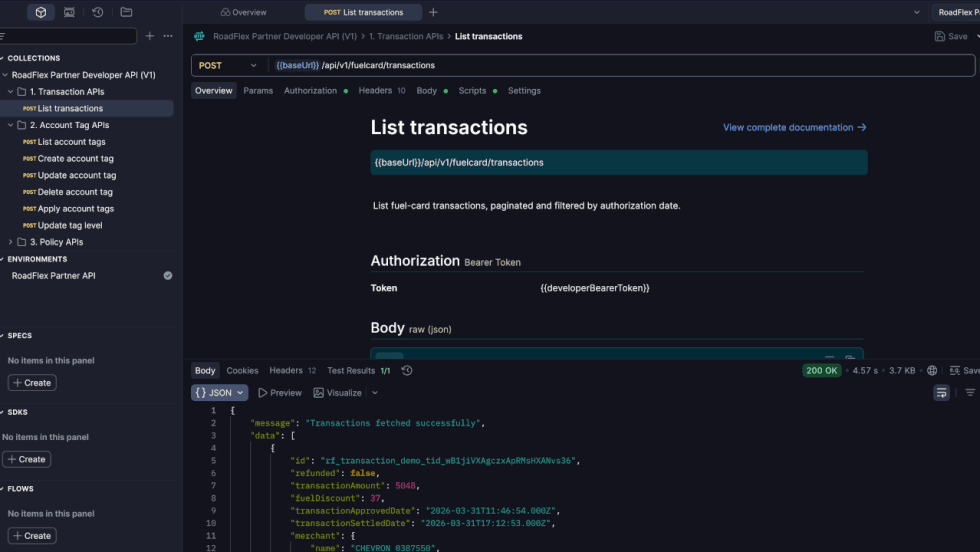
RoadFlex Launches RoadFlex Direct Open API Platform
RoadFlex Direct connects fuel cards, controls, and data to the telematics and fleet management systems fleets already run, from Geotab and Samsara to Fleetio and RTA, with no separate dashboard or double data entry.
Read More →
The Key to Fuel Efficiency Sits in the Cab
Learn how driver behavior, telematics, coaching, and fuel data can help fleets improve fuel efficiency, lower costs, and reduce emissions.
Read More →