




Washington Allows Mobile Fueling During Coronavirus Crisis
Demand for mobile fueling has shot up across the country as consumers observe shelter-in-place guidelines in response to the coronavirus crisis.
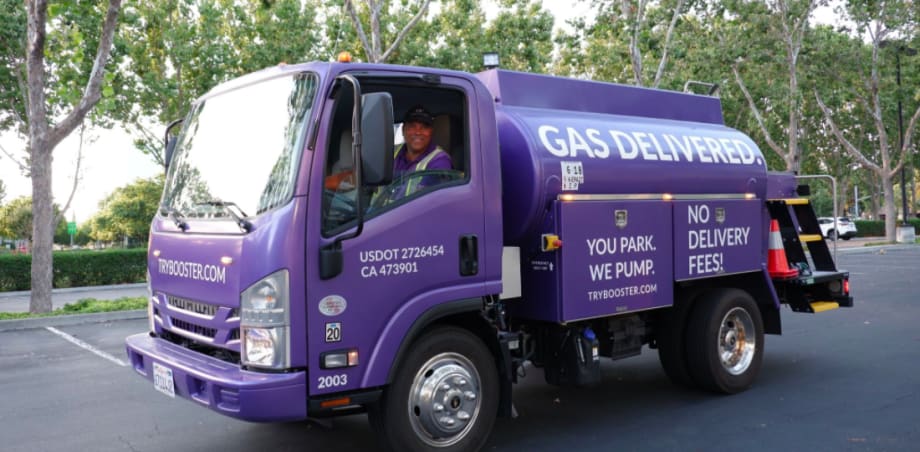
Booster delivers fuel in its signature purple mini-tankers directly into both fleet and consumer vehicles.
Screenshot via Booster.
Washington State has passed House Bill 2783, which will enable operations for the mobile fuel on-demand (MFOD) industry.
The bill, sponsored by Rep. Dan Griffey, provides for an expedited permitting process for MFOD services to operate in jurisdictions across the state while protecting industry safety standards. The bill results in a regulatory environment that reduces duplication for regulators, serves communities more efficiently, and upholds rigorous International Fire Code (IFC) safety requirements. The legislation affords industry operators the ability to respond quickly to urgent fueling needs related to the coronavirus response.
"I applaud Governor Inslee for the passage and Rep. Griffey for championing this legislation, an important step in providing on demand mobile fuel delivery across the state," Frank Mycroft, Booster Fuels CEO, said in a statement. "This is a rare example of industry and regulators working together towards a common-sense approach, and comes just in time to respond to a public health crisis.”
A clean, contactless gas station on wheels, Booster can provide its service at a time of increased need related to the coronavirus response.
Demand for mobile fueling has shot up across the country as consumers observe shelter-in-place guidelines in response to the coronavirus crisis. Considered an essential business service which helps companies continue to stay up and running, Booster services commercial fleet and retail customers.
“We support industry operators whose business models provide much-needed innovation while upholding important safety standards in our communities,” Jon Napier, state code director, for WA State Association of Fire Marshals, said in a statement. “Booster Fuels’ approach to on demand mobile fuel delivery does exactly that, especially in this time of critical need.”
This legislation follows four months after Booster launched its service, fully permitted, in Seattle. Booster delivers fuel in its signature purple mini-tankers directly into both fleet and consumer vehicles. With a flexible supply chain, Booster is able to respond to the ever-changing demands of today's Washington businesses while better serving the needs of disabled communities, who sometimes find it difficult to get fuel at traditional gas stations.
Booster has helped communities and first responders at critical times. During Hurricane Harvey, Booster helped fuel FEMA trucks and during the rolling blackouts last summer in Northern California, Booster filled generators at one of the large national science labs so years of research wouldn’t disappear.
Currently, purple mini-tankers are in Nashville delivering fuel to generators that power neighborhoods that still don’t have electricity after being destroyed from last month’s tornados.
Since launching in 2015, Booster’s proprietary purple mini-tanker has delivered more than 20 million gallons of fuel and works with more than 350 fleet customers in 20 cities across California, Texas, and Washington.
Originally posted on Automotive Fleet
More Fuel

The Smart Way to Build a Mixed-Energy Fleet Isn’t About Picking a Side
Mixed-energy fleets aren’t about picking a winning fuel. Sarah Booth of WEX explains how vehicle data, duty cycles, charging strategy, and real-world costs can help fleets choose the right energy source for each job.
Read More →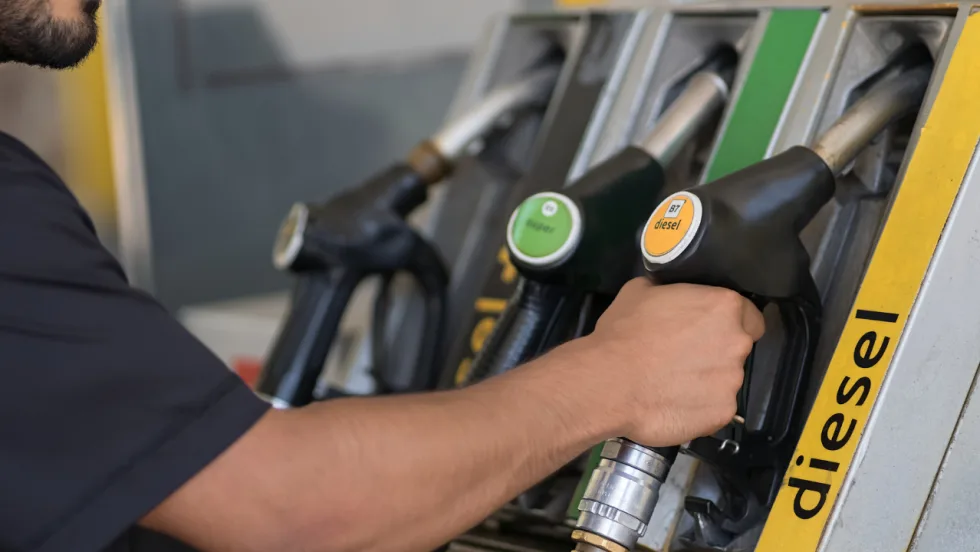
Ignoring This Dashboard Warning Could Cost Your Fleet Thousands in Fuel
New research suggests neglected diesel aftertreatment systems could waste up to $30 in fuel per vehicle each day. Here's why vocational fleets should pay attention.
Read More →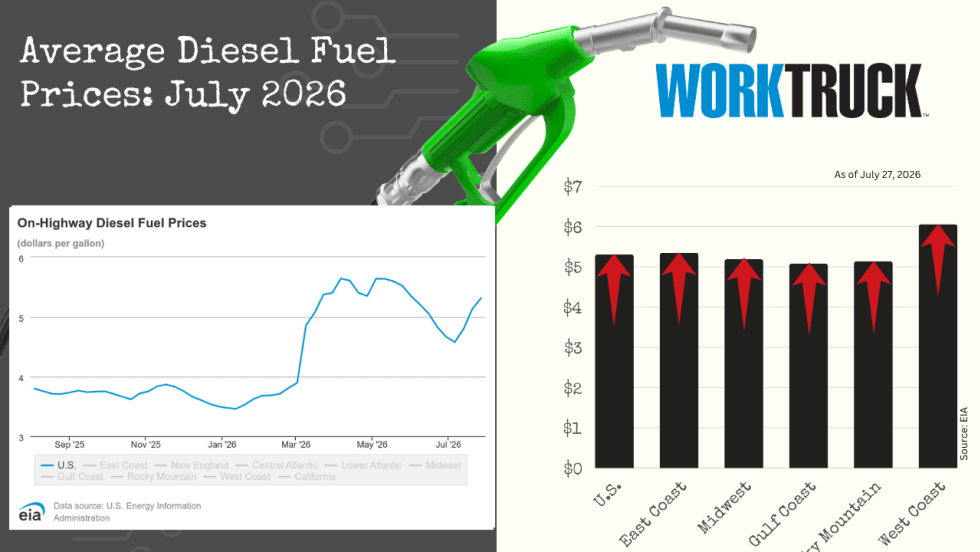
July Diesel Trends Update
The average price of a gallon of diesel increased again this week, and the EIA reported a new national average of $5.31 at the start of the week.
Read More →
WEX Brings Standard Fleet's Connected Vehicle Platform to Fleet Customers
This week’s product launch with Standard Fleet’s connected vehicle platform reflects WEX Venture Capital's strategy of turning startup innovation into customer solutions. Standard Fleet is now available to WEX fleet customers.
Read More →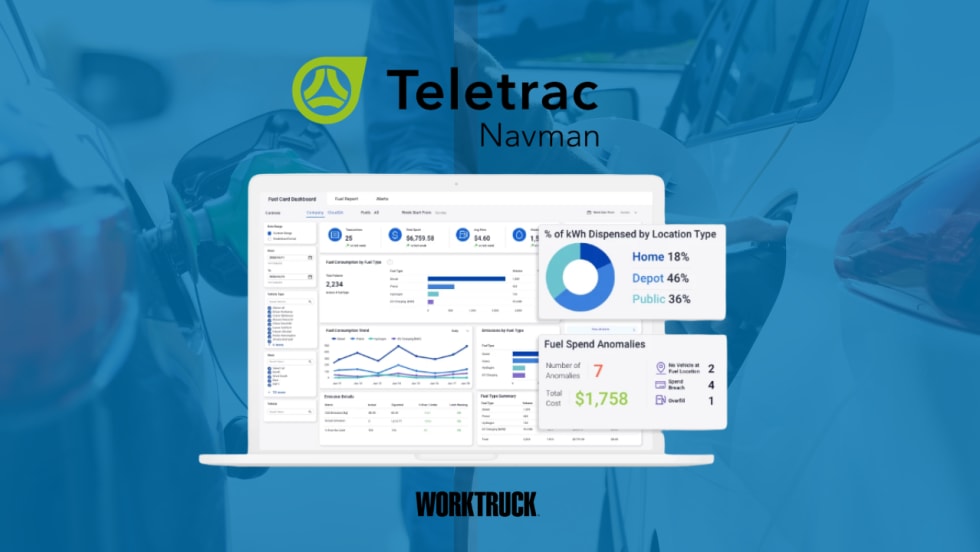
Teletrac Navman Adds Mixed-Energy Fleet Tools to TN360
The new Energy Hub combines fuel transactions, EV charging data, vehicle range, and energy costs in one dashboard for fleets operating multiple vehicle and energy types.
Read More →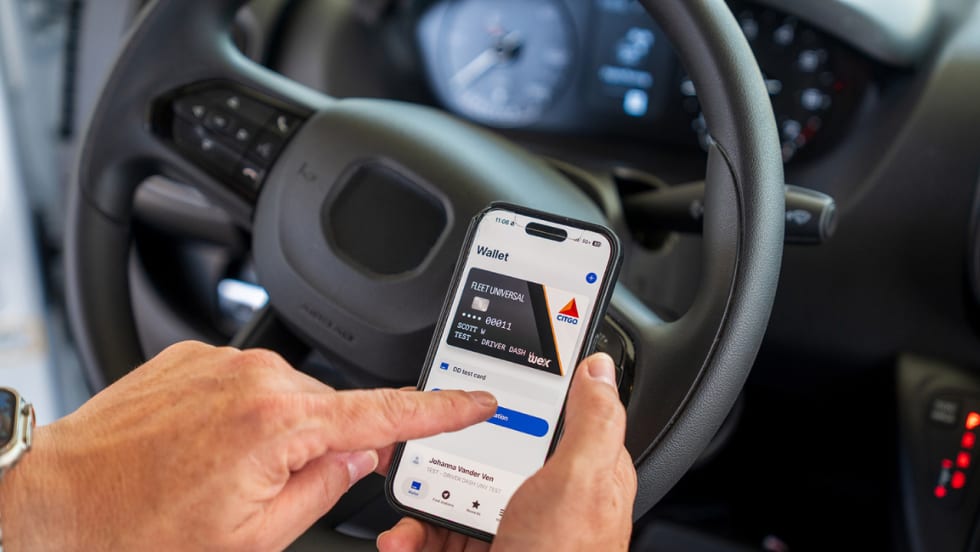
WEX DriverDash adds CITGO, Expands Nationwide Access for Fleets
The DriverDash mobile payment app, by WEX, has been integrated into the CITGO merchant network, which means WEX has expanded its U.S. station footprint with the addition of approximately 4,000 CITGO locations.
Read More →
Mixed Energy Fleet Tips for Balancing EVs, Gas and Diesel Vehicles
Mixed energy fleets are becoming the new normal. Learn how fleet managers are balancing EVs, gas and diesel vehicles while controlling costs and planning for the future.
Read More →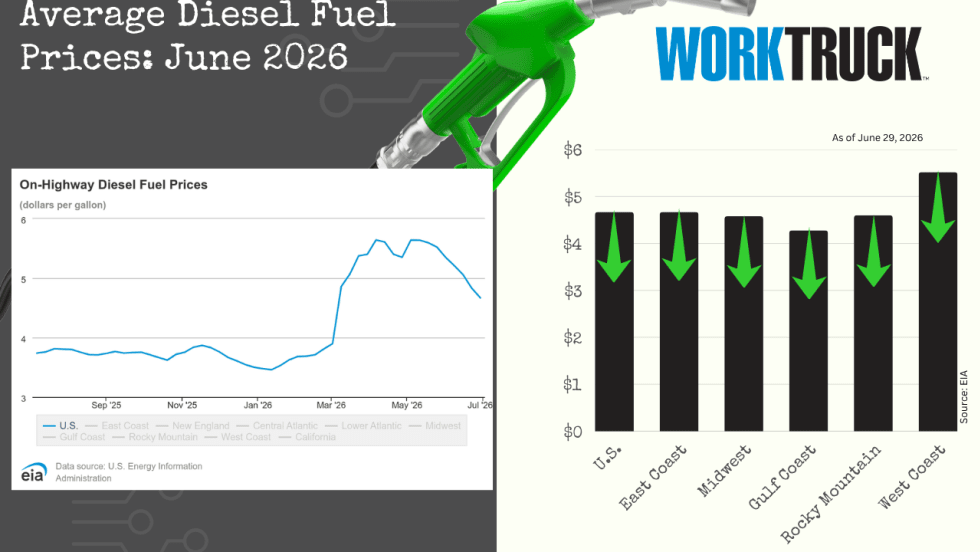
June Diesel Trends Update
The national average price of a gallon of diesel has dropped again, this week by more than 16 cents. All five regions reported lower average prices, ranging from almost 13 cents to more than 28 cents cheaper than a week ago.
Read More →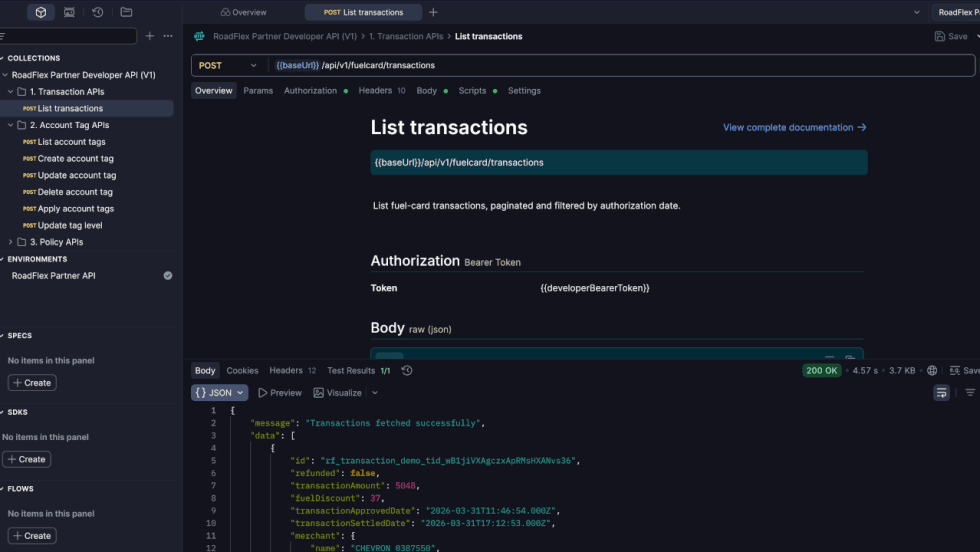
RoadFlex Launches RoadFlex Direct Open API Platform
RoadFlex Direct connects fuel cards, controls, and data to the telematics and fleet management systems fleets already run, from Geotab and Samsara to Fleetio and RTA, with no separate dashboard or double data entry.
Read More →
The Key to Fuel Efficiency Sits in the Cab
Learn how driver behavior, telematics, coaching, and fuel data can help fleets improve fuel efficiency, lower costs, and reduce emissions.
Read More →