




VTTI Study: Up to 100% In-Cab Alert Success Rate for Distracted Drivers
An independent Virginia Tech Transportation Institute (VTTI) study shows up to 100% in-cab alert success rate for distracted drivers, including texting, using Nauto's AI-powered Predictive Risk Fusion technology.

Nauto has released added details from a Virginia Tech Transportation Institute (VTTI) study that assessed Nauto's Predictive Risk Fusion technology, which combines in-cab driver monitoring and external road hazard detection.
Photo: Nauto/Work Truck
Nauto, a leader in AI-powered safety and operations excellence for commercial vehicles, announced the results of a second third-party performance study conducted in December 2024 by The Virginia Tech Transportation Institute (VTTI).
The study evaluated Nauto's Predictive Risk Fusion technology, which combines in-cab driver monitoring and external road hazard detection, simultaneously and in real-time.
Nauto's system is designed to deliver faster, more accurate predictive collision alerts – a capability not found in any other fleet safety technology on the market, Nauto said.
"VTTI's latest research validates that Nauto's Predictive Risk Fusion technology doesn't just detect dangerous situations, it predicts them," said Dr. Stefan Heck, CEO of Nauto.
Key Findings of the VTTI Study
Key performance findings in daytime conditions include:
Up to 90% in-cab alert success rate for distracted driving scenarios when approaching a target
87% of alerts in distracted driving scenarios delivered prior to the swerve zone to help drivers avoid a collision
10% faster alert speed to prevent a collision with a stationary object when the driver was distracted
VTTI Testing Methodology
VTTI has a dash cam assessment protocol and evaluated performance by calculating rates of in-cabin audible alerts, rates of alerts recorded on the virtual platform's dashboard, and time to alert (TTA) from the start of the tested driving behavior or from time to collision, depending on the test scenario.
The VTTI test simulated high-risk driving scenarios using a light-duty vehicle and included both attentive and texting driver conditions.
In two of three daytime test scenarios, Nauto delivered faster alerts to the distracted driver when compared to the attentive driver, giving them more time to respond and avoid a collision. These multi-factor alerts, calculated in milliseconds, can provide critical road distance for collision avoidance, particularly in distraction scenarios where time is most limited, Nauto said.
More Than 6 Billion AI-Monitored Miles
Nauto analyzed over six billion AI-monitored miles from its customers and believes that giving drivers more time to react to a potentially dangerous situation helps prevent or reduce the severity of collisions, leading to collision loss reduction of up to 80%.
Nauto believes that predictive collision alerts can provide critical extra reaction time that forward collision warnings from ADAS (Advanced Driver Assistance Systems) offerings, which lack Nauto's unique Predictive Risk Fusion capabilities, cannot.
By helping drivers mitigate and avoid collisions, the Nauto solution may also reduce the cost and criticality of collisions with vulnerable road users (VRUs), thereby reducing fatalities and serious injuries while helping fleets avoid multi-million-dollar nuclear verdicts.
Nauto has conducted its own analysis on when an alert is warranted and what type of alert to sound based on a holistic view of situational risk in order to grant drivers a better experience, gain more trust in the system, and ultimately become safer drivers.
"In real-world driving, every extra tenth of a second matters and translates into room for drivers to brake or swerve to avoid collisions,” Heck added. “By simultaneously recognizing driver behaviors and external risks, we're giving drivers the extra time they need to stay safe and fleets a proven way to reduce losses and lower insurance costs."
Nauto’s website provides the entire VTTI report and offers more details about Nauto's AI Predictive Risk Fusion.
More Technology
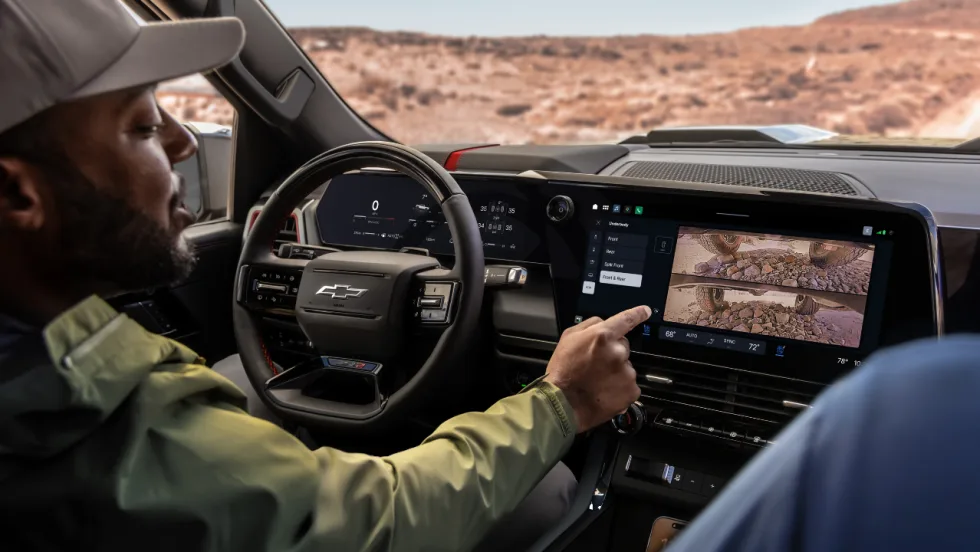
GM Brings New Truck Focused Interface to 2027 Silverado and Sierra
GM's new pickup interface puts trailering data, camera views, vehicle controls, and smartphone integration closer to the driver in the 2027 Silverado and Sierra.
Read More →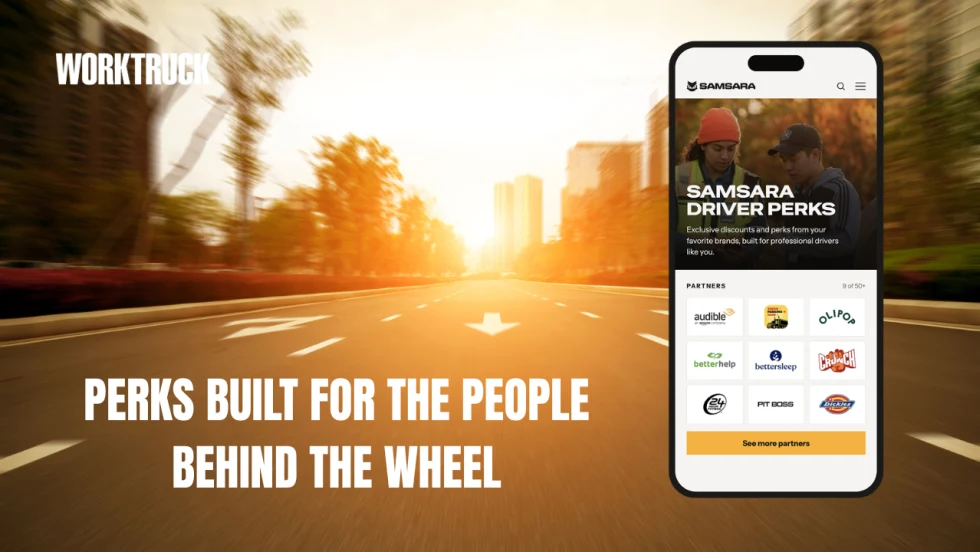
Samsara Driver Perks Expands Rewards Beyond the Long Haul Driver
Samsara’s new driver rewards program was built with a broader professional driver in mind, including employees who split their day between driving, job sites, service calls, and other work.
Read More →
AI Service Advisor Aims to Cut Fleet Repair Downtime
Fleetio said its AI Service Advisor can help fleets cut repair downtime by an average of 2.5 hours per repair while reducing manual maintenance work.
Read More →
Verra Mobility Launches AI-Driven Title & Registration Solution
Verra Mobility has launched a new AI-driven Title & Registration platform to help fleets move vehicles from acquisition to the road the same day while reducing compliance risk.
Read More →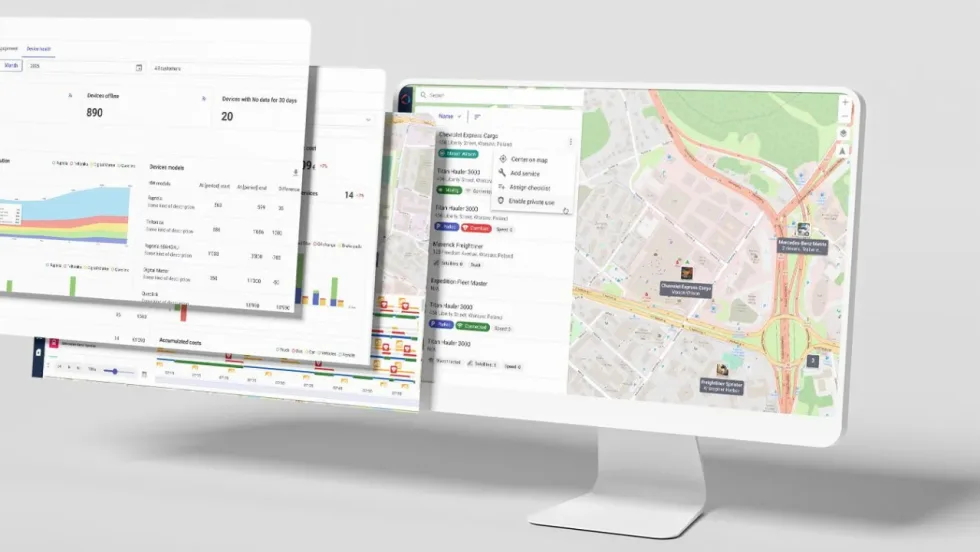
Wialon Unlocks OEM Data to Give Fleet Owners Data Ownership & Operational Clarity
Wialon has introduced hardware-free OEM integration as the EU Data Act accelerates the shift in vehicle data access across the fleet industry in many countries.
Read More →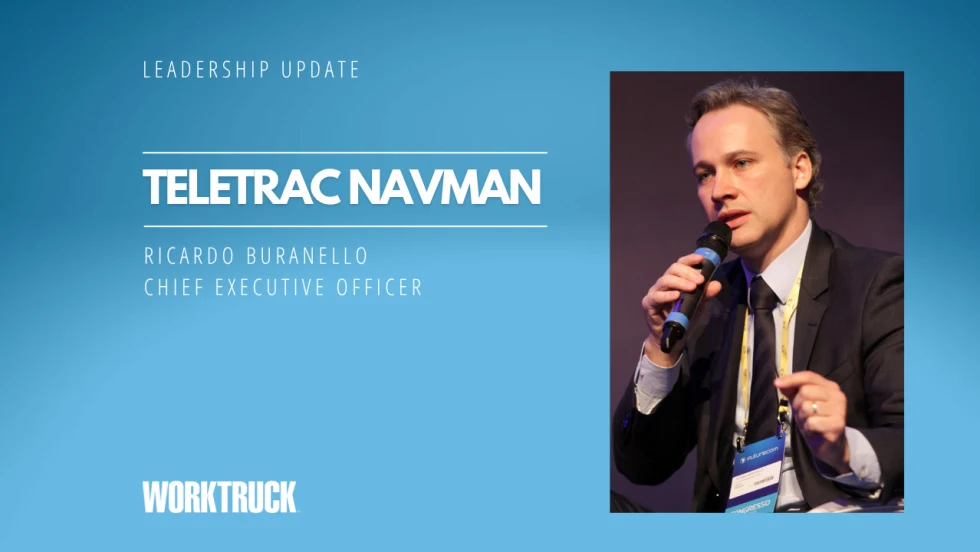
Teletrac Navman Promotes New CEO from Within
Teletrac Navman’s next CEO, Ricardo Buranello, has served as the company’s chief financial and operating officer. He brings deep financial and operational expertise, a strong strategic orientation, and an intimate knowledge of the business to his new role.
Read More →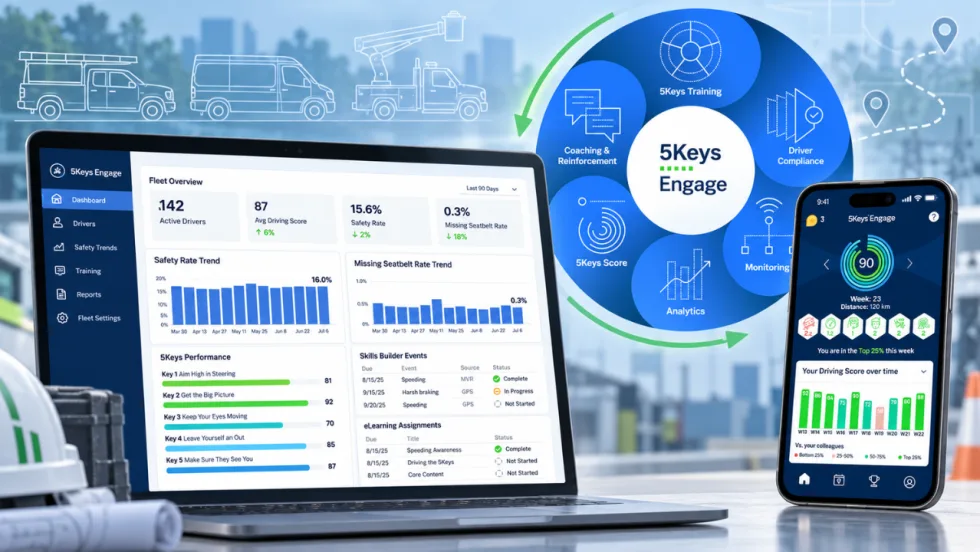
Smith System Wants Work Truck Fleets to Look Beyond the Driver Alert
Smith System’s new Driver Risk Management program is built to help mixed work truck fleets turn telematics alerts and observations into specific behaviors, coaching actions, and measurable follow-up.
Read More →
Ford Pro Software Updates: August 26
Check out the latest Ford Pro software updates, including Google Maps integration, Remote Vehicle Alarm integration, Motor Pool for easier management of shared pool vehicles, and more.
Read More →
Where AI Is Actually Saving Fleet Managers Time
AI is moving past the buzzword stage and into the daily fleet workflow. Fleetio’s Brianna Perry Lang breaks down where fleets are seeing real time savings, from maintenance and data entry to repair decisions, safety, and compliance
Read More →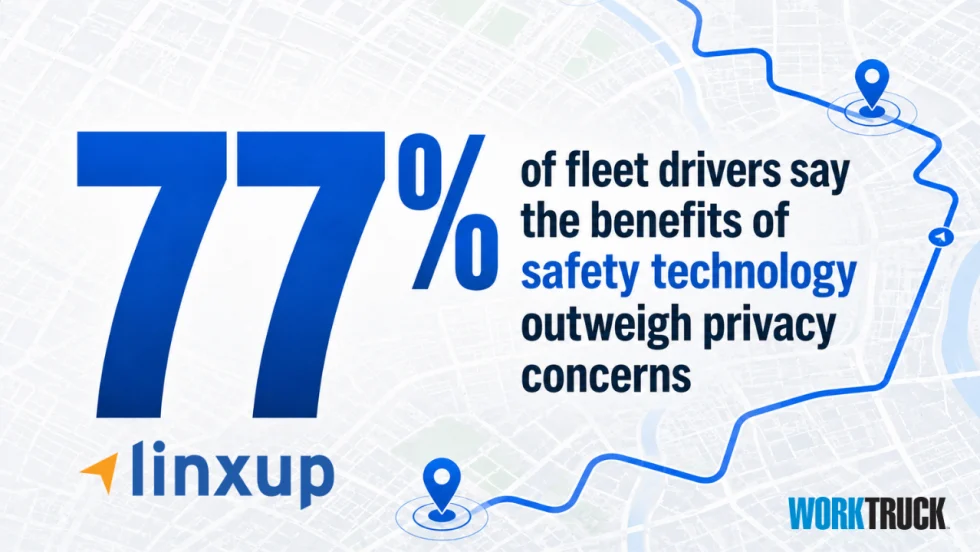
Are Work Truck Drivers Warming Up to Dash Cams and GPS Tracking?
A new survey finds field-service drivers may be more comfortable with dash cams and GPS tracking than fleet managers think, especially when the technology helps protect them after a crash.
Read More →