




Verizon to Add 300 CNG Vans to Calif. Truck Fleets
HEMET, CA - The 300 new vans being retrofitted by Steelweld Equipment Co. will be used in Southern California by Verizon technicians who install and repair broadband, TV, and voice communications services for the company's residential and small-business customers.
HEMET, CA - Verizon's first major introduction of environmentally-friendly compressed natural gas (CNG) vehicles to its truck fleets in California is being led by workers at the Hemet facility of Steelweld Equipment Co., a woman-owned business headquartered in St. Clair, Mo.
Verizon has contracted with Steelweld to convert 300 gasoline-powered Ford E-250 cargo vans to CNG, a move that will reduce vehicle carbon emissions by 480 tons per year, according to the telecommunications company. On average, CNG engines emit 23-percent less carbon dioxide than comparable gasoline-powered vans.
The 300 new vans being retrofitted by Steelweld will be used in Southern California by Verizon technicians who install and repair broadband, TV, and voice communications services for the company's residential and small-business customers.
"These new CNG vans aren't the first alternative fuel vehicles we've deployed in California, but they constitute one of our largest introductions to date," said Margaret Serjak, Verizon's operations president in California.
The 300 vans are among the more than 1,600 alternative energy vehicles that Verizon plans to add to its nationwide fleet this year. The total also includes 470 vehicles powered by biodiesel and flex-fuel (E85) and will increase to more than 1,800 the number of alternative energy vehicles in Verizon's fleet by the end of 2010. The program is expected to help reduce the fleet's CO2 emissions by more than 2,400 metric tons annually.
In addition to replacing traditional fuel vehicles with cleaner, lower-carbon alternatives, Verizon employees have been reducing CO2 emissions by cutting engine idling times. Since 2008, Verizon employees have conserved more than 2.7 million gallons of fuel in this manner, the equivalent amount of greenhouse gas emitted by about 4,580 vehicles annually.
On the other side of the country, Verizon also recently announced the addition of more than 260 hybrid vehicles to its New Jersey fleet this year as part of its ongoing commitment to conserving fuel, reducing greenhouse gas emissions, and contributing to improved air quality in the communities it serves across the Garden State.
Verizon New Jersey officials, joined by Bob Martin, commissioner of the New Jersey Department of Environmental Protection (DEP), made the announcement Sept. 30 at the company's corporate center in Basking Ridge.
The new vehicles - part of the 1,600 alternative-energy vehicles Verizon plans to add to its fleet across the country this year - will include Toyota hybrid sedans, Chevrolet hybrid pickup trucks and unique, new "mild hybrid" aerial fiber splicing trucks.
The Chevrolet hybrid pickups will be used by FiOS and traditional telephone customer-service technicians and are expected to reduce CO2 emissions by 43 percent over the vans they will replace.
Verizon is ranked No. 3 on Automotive Fleet's 2010 Top 300 Commercial Fleets listing.
Related stories:
Originally posted on Automotive Fleet
More Fuel
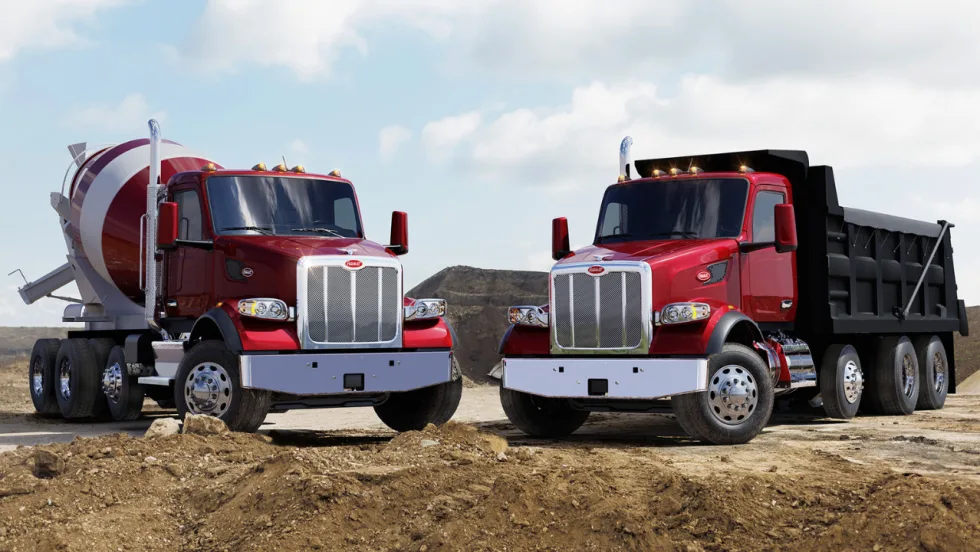
Peterbilt Trucks Equipped with Paccar TX-18 Pro Boost Efficiency for Maryland Fleet
Patuxent Companies is replacing aging trucks with the Peterbilt Model 567 and Model 589, specified with the Paccar TX-18 Pro 18-speed automated transmissions, and is reporting an 8% to 10% improvement in fuel economy.
Read More →
The Smart Way to Build a Mixed-Energy Fleet Isn’t About Picking a Side
Mixed-energy fleets aren’t about picking a winning fuel. Sarah Booth of WEX explains how vehicle data, duty cycles, charging strategy, and real-world costs can help fleets choose the right energy source for each job.
Read More →
Ignoring This Dashboard Warning Could Cost Your Fleet Thousands in Fuel
New research suggests neglected diesel aftertreatment systems could waste up to $30 in fuel per vehicle each day. Here's why vocational fleets should pay attention.
Read More →


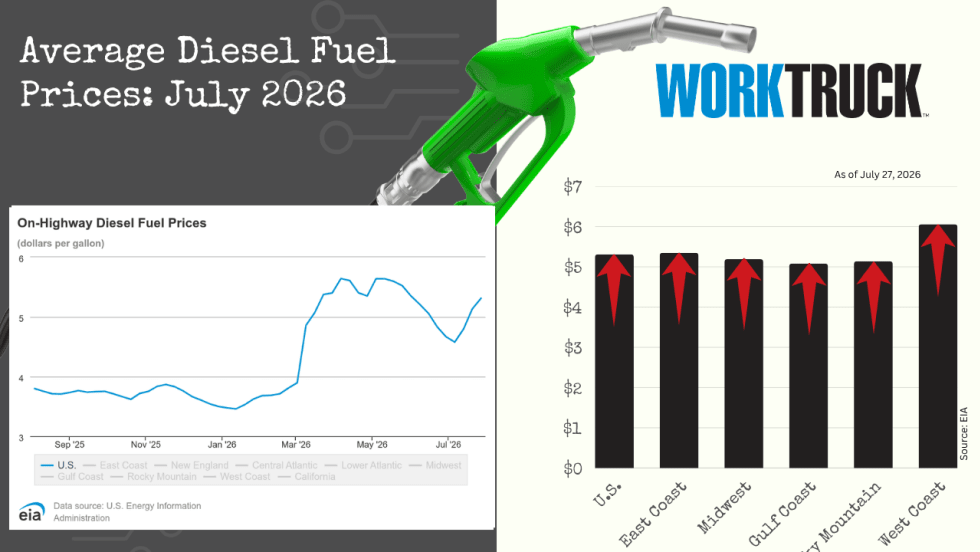
July Diesel Trends Update
The average price of a gallon of diesel increased again this week, and the EIA reported a new national average of $5.31 at the start of the week.
Read More →
WEX Brings Standard Fleet's Connected Vehicle Platform to Fleet Customers
This week’s product launch with Standard Fleet’s connected vehicle platform reflects WEX Venture Capital's strategy of turning startup innovation into customer solutions. Standard Fleet is now available to WEX fleet customers.
Read More →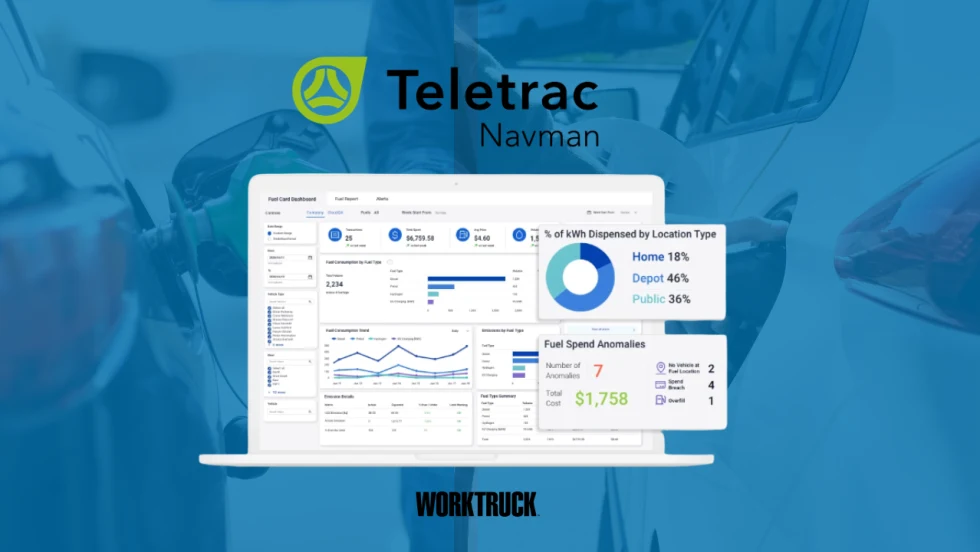
Teletrac Navman Adds Mixed-Energy Fleet Tools to TN360
The new Energy Hub combines fuel transactions, EV charging data, vehicle range, and energy costs in one dashboard for fleets operating multiple vehicle and energy types.
Read More →
WEX DriverDash adds CITGO, Expands Nationwide Access for Fleets
The DriverDash mobile payment app, by WEX, has been integrated into the CITGO merchant network, which means WEX has expanded its U.S. station footprint with the addition of approximately 4,000 CITGO locations.
Read More →
Mixed Energy Fleet Tips for Balancing EVs, Gas and Diesel Vehicles
Mixed energy fleets are becoming the new normal. Learn how fleet managers are balancing EVs, gas and diesel vehicles while controlling costs and planning for the future.
Read More →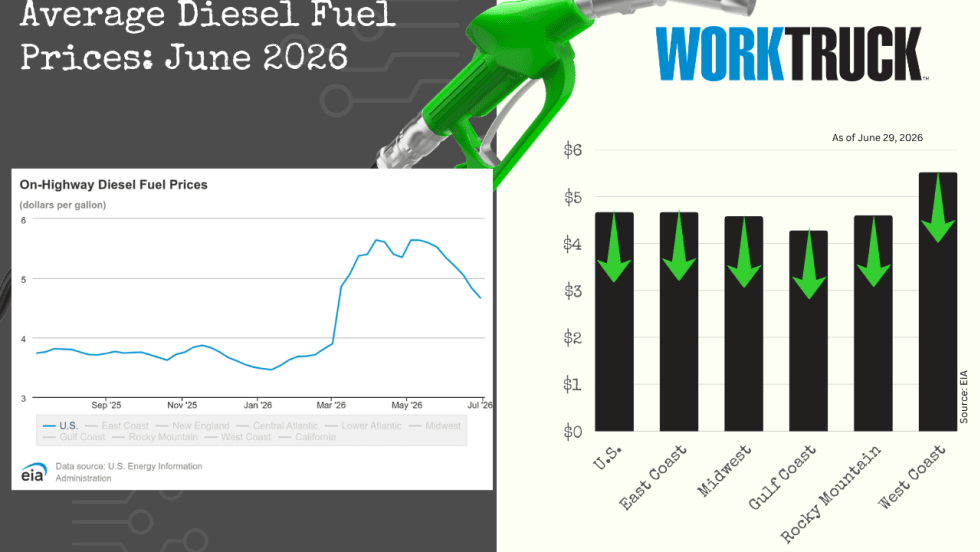
June Diesel Trends Update
The national average price of a gallon of diesel has dropped again, this week by more than 16 cents. All five regions reported lower average prices, ranging from almost 13 cents to more than 28 cents cheaper than a week ago.
Read More →
RoadFlex Launches RoadFlex Direct Open API Platform
RoadFlex Direct connects fuel cards, controls, and data to the telematics and fleet management systems fleets already run, from Geotab and Samsara to Fleetio and RTA, with no separate dashboard or double data entry.
Read More →