




USR’s GRAB-300 Vehicle Barriers Successfully Crash-Tested to ASTM M50 Standard
FRANKLIN, TN – Universal Safety Response, Inc. (USR) has successfully crash-tested minimum and maximum-width configurations for its GRAB-300 active vehicle barrier system in accordance with the newest ASTM standards.
FRANKLIN, TN – Universal Safety Response, Inc. (USR) has successfully crash-tested minimum and maximum-width configurations for its GRAB-300 active vehicle barrier system in accordance with the newest ASTM standards. The GRAB is now the longest active vehicle barrier ever certified, with a protected width ranging from a single lane to over 60 feet.
Meeting the M50 criteria by stopping a 15,000-lb. medium-duty truck, USR’s GRAB-300 now offers a shallow-mount foundation for its reduced-risk, multiple lane width net barrier. The company said it is the only barrier to have successfully met Federal Highway Administration, U.S. Department of State, and now American Society for Testing and Materials standards during independent crash testing.
The GRAB-300 provides military bases, government offices, financial centers, petro-chemical facilities, airports, ports, and other critical facilities with several advantages. All electric operation increases reliability and decreases maintenance costs, multiple lane width options provide significant cost savings, and the ability of the GRAB-300 to be reset and re-used within 30 minutes of an impact preserves the security of the facility and the continuity of its operations. Also, the energy-absorbing technology incorporated in USR’s GRAB barriers provide a reduced risk to vehicle occupants, demonstrated in more than 70 real-world impacts at speeds of up to 48 mph on GRAB barriers installed around the world without a single significant injury.
More Safety & Compliance

Tips for Driving Safely on Halloween Night
This video features a reminder from the Connecticut Department of Transportation (DOT) and the Connecticut Police Chiefs Association, urging drivers to prioritize safety this Halloween.
Read More →
Re-rating Gross Vehicle Weight Ratings (GVWR): Why and How it's Done
Sometimes, it is not in a fleet’s best interests to have a vehicle at a given GVWR. Changing the GVWR to a special value can be done, but the process is complicated.
Read More →
When a Work Truck Gets Stolen, the Real Loss Is Time
A stolen work truck can take more than a vehicle off the road. From tools and access cards to crew downtime, here’s how fleets can prepare for theft before it disrupts the entire workday.
Read More →From Our Partners



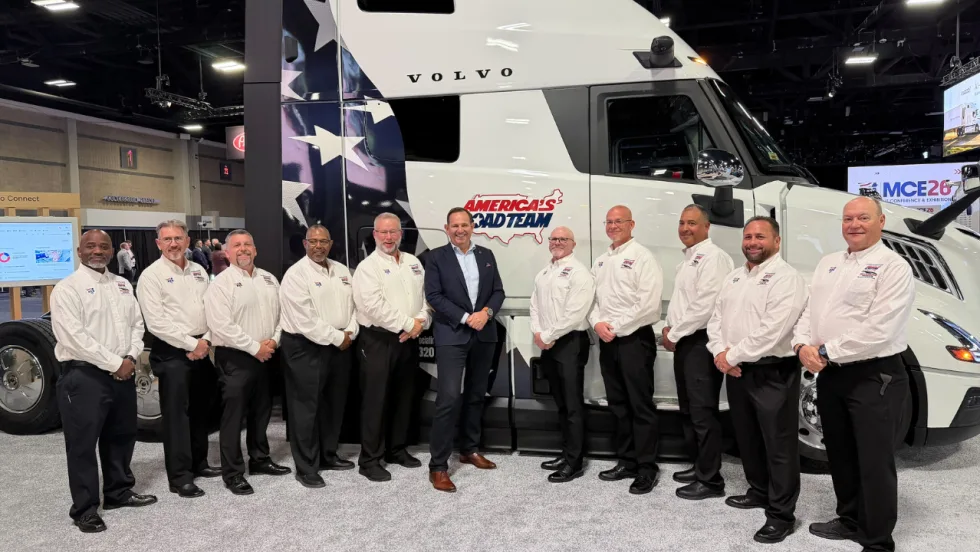
Volvo Trucks Marks 25 Years as Exclusive Sponsor of America's Road Team
Volvo Trucks North America will serve as the exclusive sponsor of the American Trucking Associations' America's Road Team, marking 25 years of Volvo sponsorship. The group of professional drivers promotes safety and the industry as they travel the country.
Read More →
Streamlight’s High-Output Scene Light Recognized with Occupational Safety Award
Streamlight’s Portable Scene Light III (PSL III) won the 2026 Occupational Health & Safety (OH&S) New Product of the Year Award in the Lighting category.
Read More →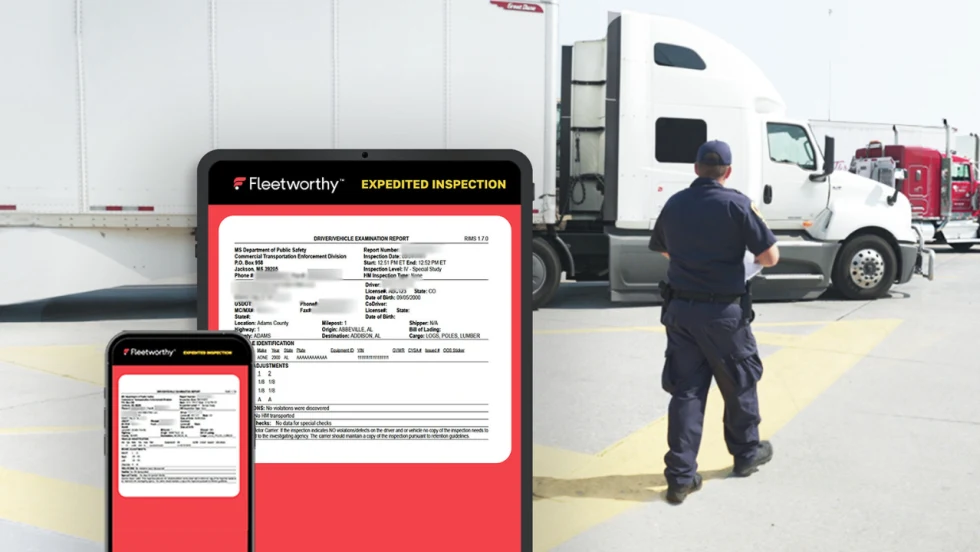
Fleetworthy Expands Expedited Inspection to 5 States
Following its industry-first launch in Nevada, Fleetworthy’s automated inspection technology is now live in California, Michigan, Vermont, and Maine.
Read More →
Crossing State Lines in a Light-Duty Work Truck? Check These Rules First
Crossing state lines in a lighter work truck? J.J. Keller's Kathy Close explains when IRP registration, trip permits, and towing rules come into play.
Read More →
GeoFencing Adds to Your Truck Security Arsenal
Geofencing is a familiar fleet tool today, but its early adoption marked a major shift in vehicle tracking, route monitoring, and the debate over employee privacy.
Read More →
Recalls You Need to Know About in October 2026
In October 2026, what recalls might impact your fleet? Work Truck has the answers in this comprehensive overview of recent NHTSA recalls.
Read More →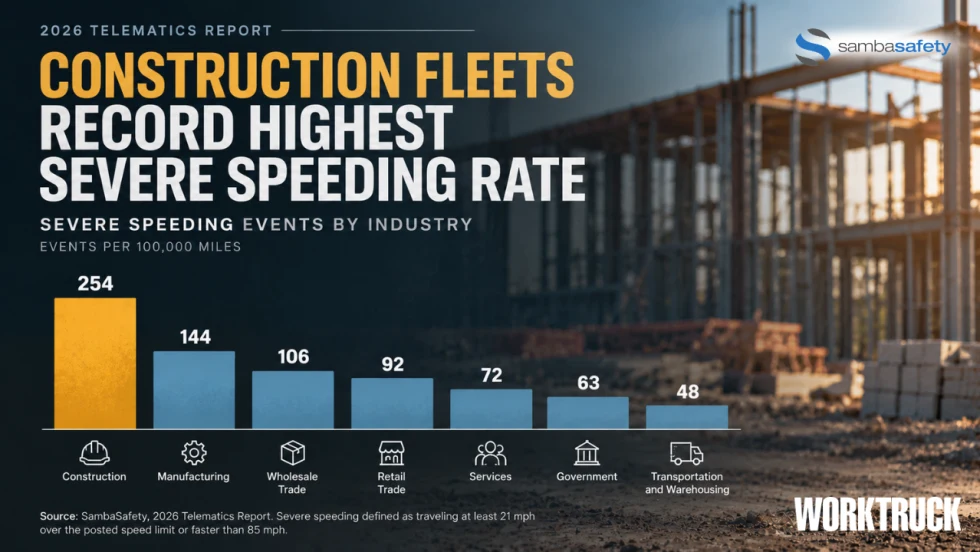
Construction Fleets Show Telematics Adoption Alone May Not Reduce Driving Risk
SambaSafety found construction fleets monitor roughly 92% of their vehicles but recorded the highest severe speeding rate among industries studied.
Read More →