




UPS to Power 2 Fleets with Landfill Methane
UPS will supply its fleet in Memphis, Tenn., and Jackson, Miss., with an estimated 15 million diesel gallon gas equivalents of renewable natural gas (RNG) as part of a multi-year agreement with Memphis Light, Gas and Water and Atmos Energy Marketing.
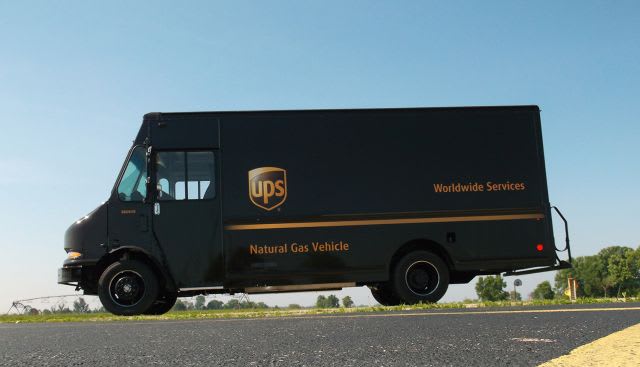
Photo: UPS
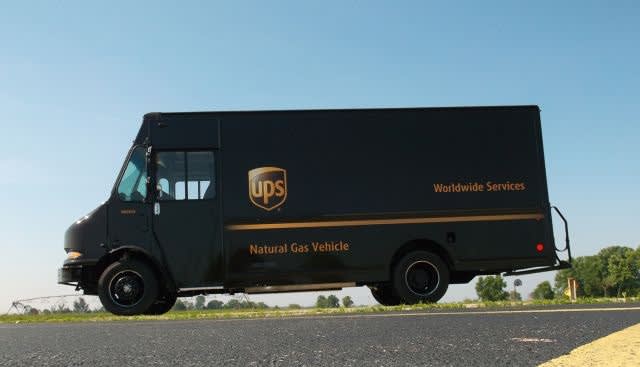
Photo: UPS
UPS will supply its fleet in Memphis, Tenn., and Jackson, Miss., with an estimated 15 million diesel gallon gas equivalents of renewable natural gas (RNG) as part of a multi-year agreement with Memphis Light, Gas and Water and Atmos Energy Marketing LLC.
“Renewable natural gas is a critical part of our strategy to expand our fuel sources and minimize the environmental impact associated with growing customer demand,” said Mark Wallace, UPS senior vice president global engineering and sustainability. “We are using methane that otherwise would be released into the atmosphere as a greenhouse gas emission and converting it to power our trucks while helping to promote the use of this renewable fuel in transportation.”
The deal is part of an initiative announced earlier this year by UPS to significantly expand its use of renewable natural gas in UPS’s alternative fuel and advanced technology fleet. The company has a goal of driving 1 billion miles with its alternative fuels fleet, known as the Rolling Laboratory, by the end of 2017.
The RNG will fuel more than 140 heavy duty trucks in Memphis and Jackson, part of UPS’s natural gas fleet, which includes more than 3,800 medium and heavy duty vehicles worldwide. RNG, also known as biomethane, can be derived from many abundant and renewable sources, including decomposing organic waste in landfills, wastewater treatment and agriculture. It is then distributed through the natural gas pipeline system, making it available for use as liquefied natural gas (LNG) or compressed natural gas (CNG).
In addition to natural gas, UPS uses many other alternative fuels in its fleet, including propane, ethanol, renewable diesel, and electricity. In 2014, 5.4 percent of total gas and diesel purchased was displaced by using these alternative fuels.
UPS operates one of the largest private alternative fuel and advanced technology fleets in the U.S. Its fleet includes more than 6,340 all-electric, hybrid electric, hydraulic hybrid, CNG, LNG, propane, and lightweight fuel-saving composite body vehicles.
UPS was one of the initial 13 leading companies to take the Obama Administration’s American Business Act on Climate Pledge, committing to reduce greenhouse gas emission intensity 20 percent by 2020.
Memphis Light, Gas and Water President and CEO Jerry Collins described the deal as “impressive."
“Kudos to UPS for not only talking the talk but walking the walk.”
Mark Bergeron, president of Atmos Energy Marketing, noted that “Renewable natural gas is one of the most environmentally friendly transportation fuels. We are excited that UPS is taking the initiative to expand its natural gas fleet.”
Originally posted on Automotive Fleet
More Green Fleet

Fleet Forward Conference Introduces One-Day Passes for 2026
New one-day registration gives fleet professionals the flexibility to attend Tuesday, Wednesday, or Thursday, with passes available for $199 through Sept. 18.
Read More →
CALSTART Rebrands as Catalyst Mobility, Will Combine with Forth in 2027
CALSTART has rebranded as Catalyst Mobility and will combine with Forth at the start of 2027. The new organization said it is poised to become one of the world's largest, strongest, and most impactful clean transportation nonprofits.
Read More →
Electric Truck and Charging Programs to Boost Sustainability at NY & NJ Ports
Together, the Port Authority of New York and New Jersey and CALSTART will electrify drayage and terminal operations serving the East Coast’s busiest container port. A pair of incentive programs totaling $45 million has launched to accelerate adoption of zero-emission drayage trucks and terminal tractors.
Read More →
Xos Hub Surpasses One Gigawatt-Hour of Energy Delivered in the Field
A single Xos Hub has surpassed one gigawatt-hour of energy across more than 33,600 charging sessions in the field, demonstrating performance that supports Xos' expansion across new products and markets.
Read More →
Carrier Transicold Launches All-Electric Vector 8200 TRU for Diesel-Free On-Site Cold Storage
Carrier Transicold’s first engineless multi-temperature TRU helps fresh- and frozen-food fleets add supplemental cold storage capacity during seasonal peaks.
Read More →
Narro Trucks Introduces Electric Utility Vehicle
Narro Trucks officially launched its operations on Aug. 20 and hosted a ride and drive to showcase its electric truck, which will be produced in Virginia.
Read More →
Samsung SDI Takes Full Control of GM Battery JV as Indiana Plant Pivots to Energy Storage
Samsung SDI is taking full control of its Indiana battery plant with GM, marking a major shift from the EV-focused joint venture Charged Fleet first covered in 2023.
Read More →
NWSA Taps CALSTART to Administer Zero-Emission Drayage Assistance Program
CALSTART will provide free technical assistance services to drayage fleets serving the Ports of Seattle and Tacoma and looking to transition to cleaner technologies and help decarbonize freight hubs.
Read More →
EV Fleet Reality Check: What Operators Wish They Knew Before Electrifying Their Work Vans
Electric work truck upfits bring new compatibility questions. Learn how parts availability, OEM guidance, power demands, and route planning can affect fleet performance.
Read More →
Peterbilt Expands Sourcewell Partnership with Electric Vehicle Lineup
Peterbilt Motors Company’s cooperative purchasing agreement with Sourcewell and its Canadian partner, Canoe Procurement Group, now includes including Peterbilt's battery-electric vehicle lineup.
Read More →