




UPS Sets Aggressive Emissions-Reduction Goals
Reaching its emissions-reduction goals of 10 percent three years early, the parcel delivery fleet has upped its goals to achieve a 20-percent reduction by 2020.
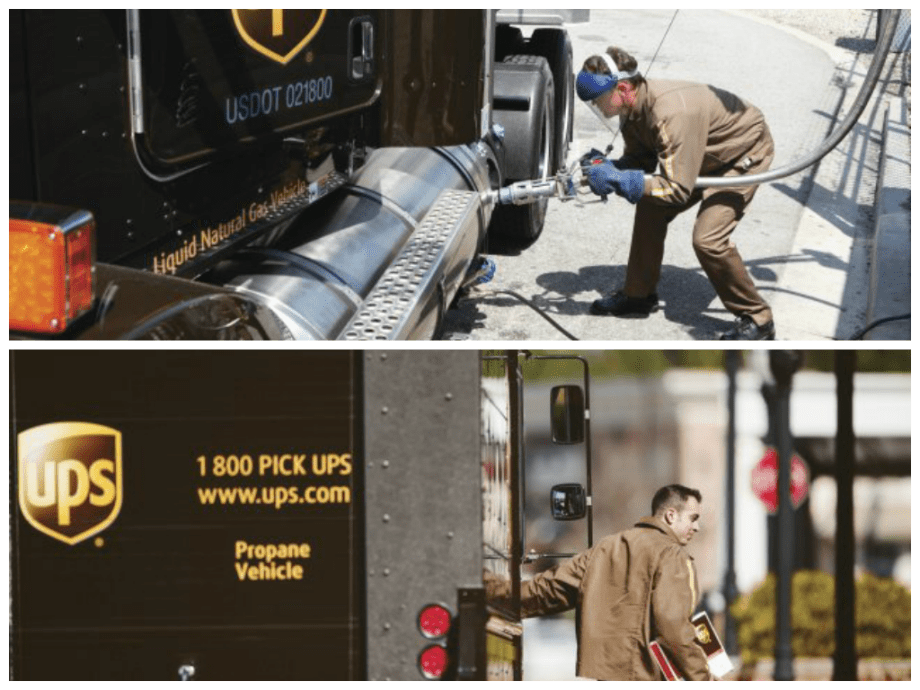
Recently, UPS released its 12th annual Sustainability Report. The report announced that, in addition to reducing overall carbon emissions in 2013, the company also met its 2016 goal of reducing its air and ground fleet’s carbon intensity by 10 percent three years early.
For the second year in a row, successful execution of UPS’ global greenhouse gas (GHG) reduction strategy allowed the company to deliver more goods, while generating fewer emissions. In 2013, absolute carbon emissions decreased 1.5 percent from 2012, even as global shipping volume increased 3.9 percent during the same time frame.
Due to this achievement, the company has set a new goal to achieve a 20-percent reduction in carbon intensity from transportation by 2020.
According to Mike Britt, director of maintenance & engineering, international operations, ground fleet for UPS, reaching the original emissions reduction goals early can be attributed to “industrial technology advances by the OEMs, which were able to bring more alternatives to market quicker than anticipated, so UPS was able to deploy more vehicles.”
Achieving Goals
UPS’ greenhouse gas (GHG) emissions reduction goal is the result of many combined efforts in several engineering disciplines, which includes vehicle routing effectiveness, density effectiveness, and UPS’ role with its “rolling laboratory approach” with its OEMs, which helped bring vehicles to market quicker than anticipated, according to Britt.
“Here’s how we define our rolling laboratory approach: We test and deploy a variety of vehicle types, matched to the terrain and delivery conditions at each location,” Britt explained. “This approach helps UPS continuously integrate new technologies and operational efficiencies in our large, global delivery fleet.”
UPS’ 3,647 alternative-fuel and advanced technology vehicles (or 5 percent of the company’s overall fleet) worldwide continue to drive GHG reductions and serve as this rolling laboratory to test, optimize, and deploy new-generation vehicles.
While monitoring each vehicle’s performance, UPS works with manufacturers, government agencies, and non-profit organizations to advance new technologies.
Increasing Commitment
In 2013, UPS ramped up its use of cleaner-burning natural gas vehicles across the country, adding 249 heavy-duty tractors fueled by liquefied natural gas (LNG) by year’s end. The company is on target to deploy more than 1,000 LNG tractors by the end of 2014. Additionally, UPS’ current natural gas tractor fleet is running more than 2 million miles per week.
In addition, in 2013, UPS’ alternative fuel and advanced technology vehicles worldwide logged 55 million miles and avoided the use of 5.8 million gallons of conventional gasoline and diesel. Since 2000, the fleet has logged more than 350 million miles and avoided using 34.5 million gallons of conventional gasoline and diesel. The savings put the company well on its way to reaching a goal of driving 1 billion miles in alternative fuel and advanced technology vehicles by the end of 2017.
How does UPS continually meet and outperform the emissions-reduction goals it’s set?
“Because, the more we discover together, the more sustainable we become and the more we help others move forward, too,” Britt said.
More Operations
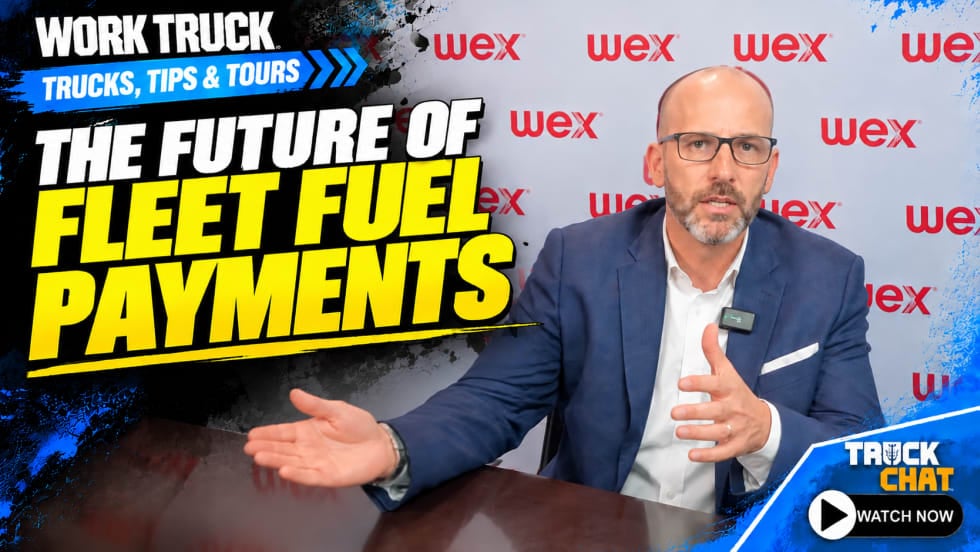
How Cardless Fuel Payments Benefit Commercial Fleets
Is it time for fleets to move beyond plastic fuel cards? David Abraham of WEX explains how cardless fuel payments can help reduce fraud, simplify driver transactions, and improve efficiency by allowing drivers to pay for fuel using their smartphones.
Read More →
Good Fleet Leadership Starts With the People You Already Have
From developing future leaders to listening to employees, discover how better leadership can help work truck fleets retain talent and build stronger teams.
Read More →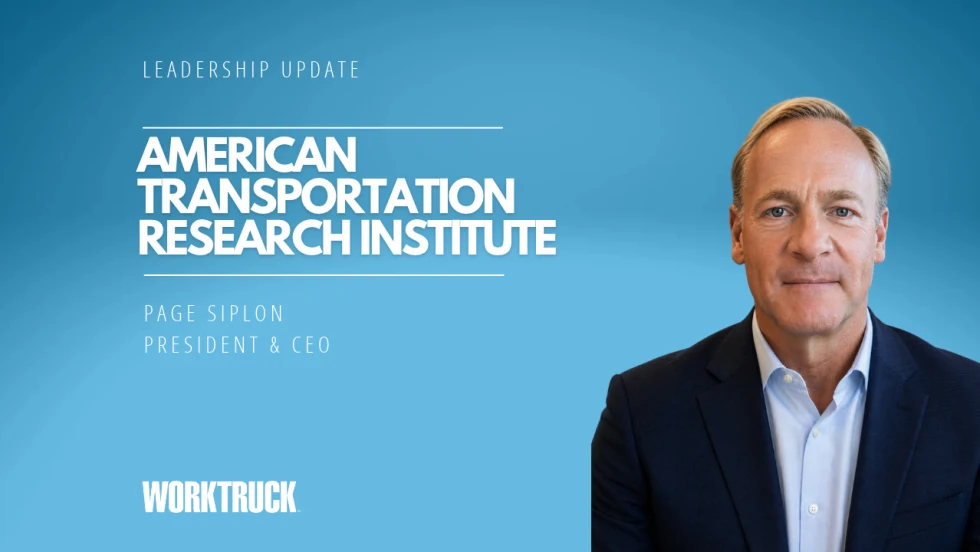
ATRI Names Next President and CEO
Page Siplon, a longtime transportation and logistics industry executive, has been chosen as the next president and CEO of the American Transportation Research Institute (ATRI).
Read More →From Our Partners
Basic Tracking vs Next Generation Fleet Technology
Sponsored by AT&T Business

5 Facts Every Fleet Manager Should Know About Embedded Telematics
Sponsored by Stellantis/Mobilisights
How AI Video Telematics Boosts Driver Safety and Helps to Avoid Unnecessary Costs
Sponsored by Verizon Connect

Charting the 8 Bottom-Line Benefits of Workforce Optimization
Sponsored by Verizon Connect

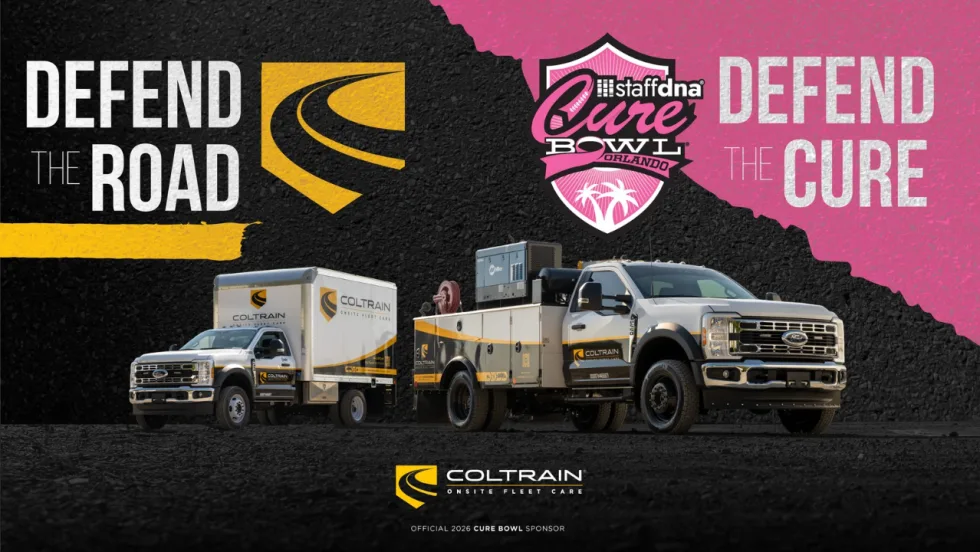
Coltrain Onsite Fleet Care Sponsors 2026 Cure Bowl to Support Cancer Research
The mobile fleet maintenance provider is supporting the annual college football bowl game, which has helped raise $6.83 million for cancer research since 2015.
Read More →
Racing Lessons, Electric Fleet Growth, and Ghostbusters Lead This Week's Work Truck News
Racing lessons for fleets, Republic Services' electric truck expansion, 40 years of fleet wisdom, truck trivia, autonomous yard trucks, and more headline this week's Truck Chat Cheat Sheet.
Read More →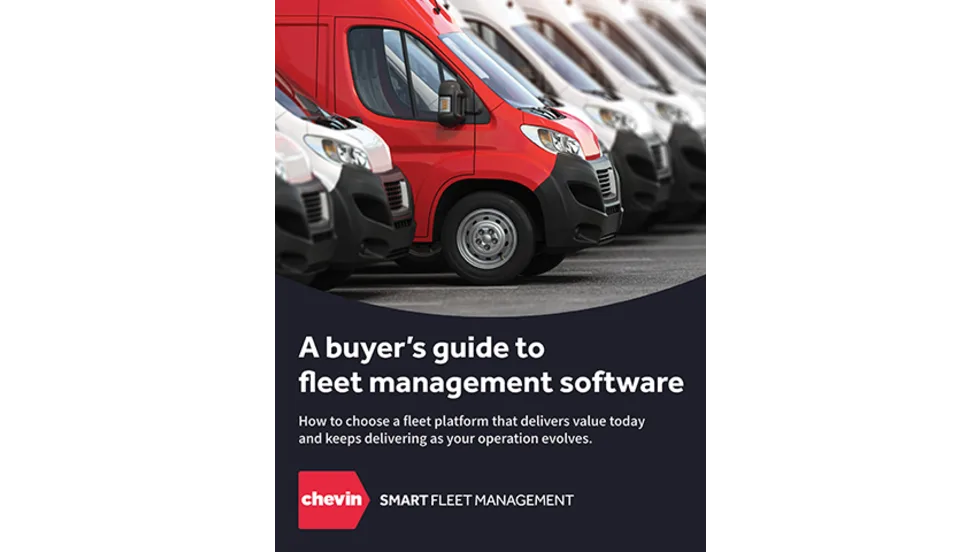
A buyer's guide to fleet management software in 2027
Buying fleet management software in 2027 means looking beyond features and price. As fleet operations, technology and expectations evolve, this guide explores what today’s fleet professionals should consider when choosing a system that can deliver value now and adapt to what comes next.
Read More →
How to Build a Lasting Fleet Career by Staying Curious and Connected
Tina Kourakos never planned on a career in fleet. More than 30 years later, she says curiosity, strong relationships, and a willingness to keep learning helped turn an unexpected assignment into a career spanning fleet management and OEM leadership.
Read More →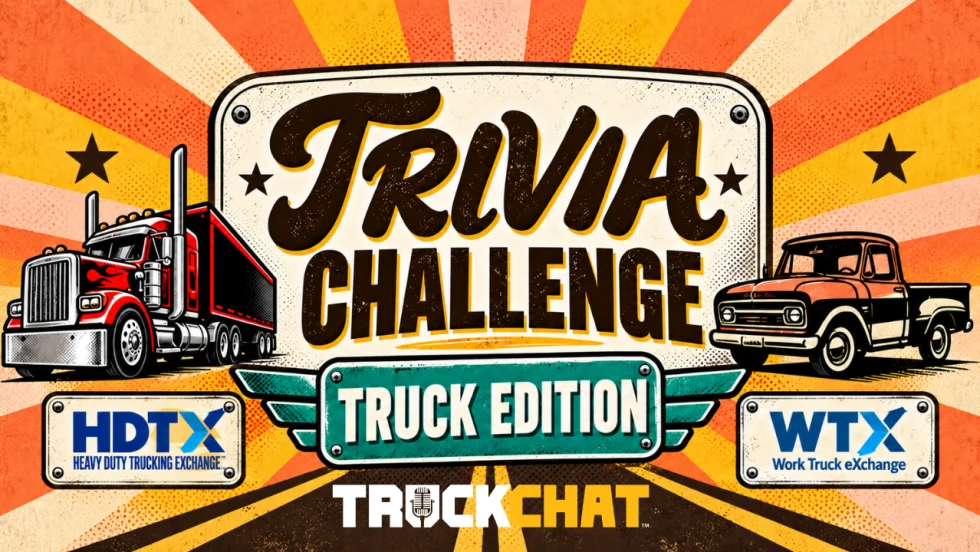
Think You Know Trucks? Take Our 19-Question Fleet Trivia Challenge
From chicken lights to diesel engines and trucking history, test your knowledge with 19 questions from the 2026 Work Truck Exchange and Heavy Duty Trucking Exchange.
Read More →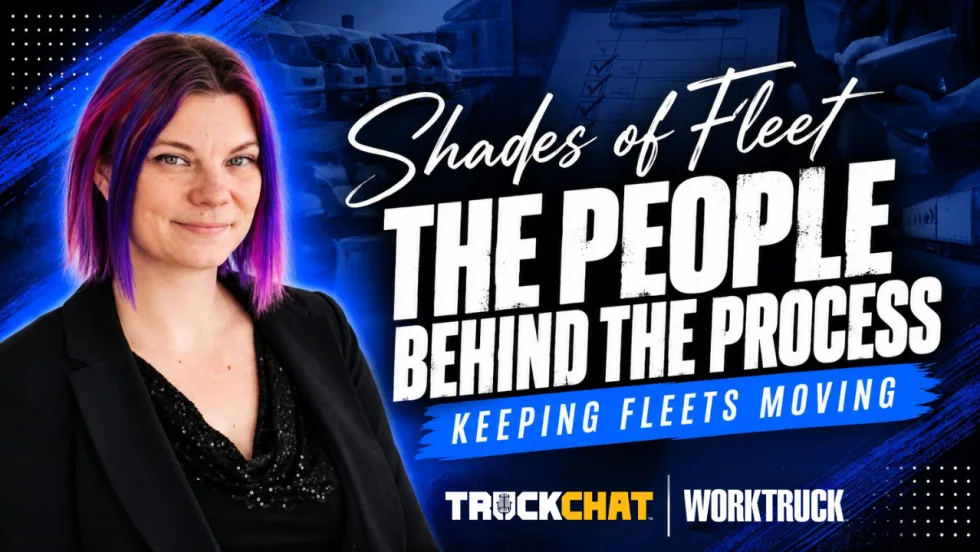
Where’s My Truck: Inside the Fleet Logistics Work Nobody Sees
Shades of Fleet video thumbnail featuring Lauren Fletcher beside the text “The People Behind the Process, Keeping Fleets Moving,” with fleet vehicles and logistics imagery in the background.
Read More →
Work Truck Seeks Fleet and Industry Insights on 2026 Trends and 2027 Forecasts
Work Truck is seeking insights from fleet leaders and industry partners on the trends that shaped 2026 and what commercial fleets should prepare for in 2027. Participate today!
Read More →