




UPS to Add 40 Hydraulic Hybrid Vehicles to its Fleet
BALTIMORE – UPS announced it will deploy 20 hydraulic hybrid vehicles in Baltimore and 20 in Atlanta. Developed by Freightliner Custom Chassis Corporation and Parker Hannifin Corporation, the vehicles are expected to improve fuel economy up to 35 percent.
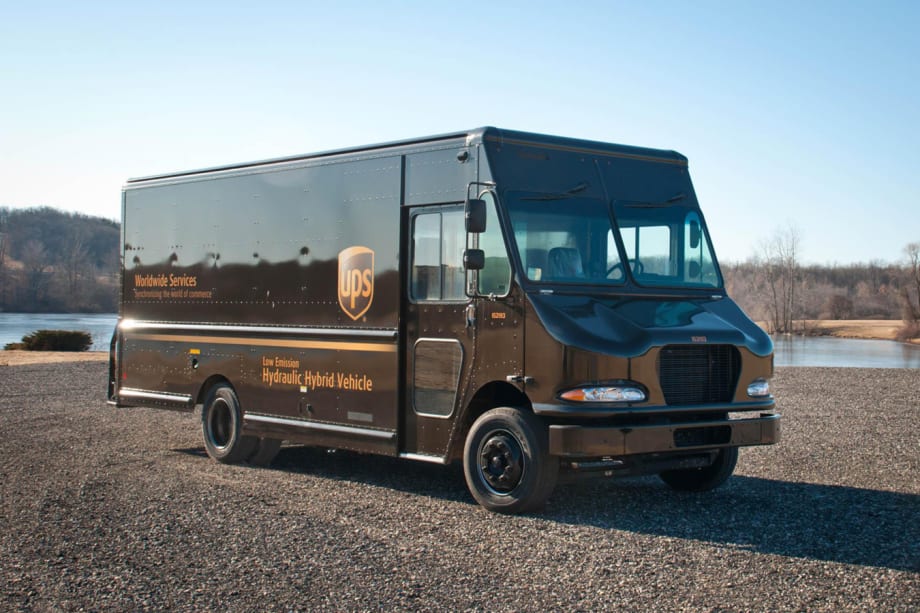
The HHVs in Baltimore will be deployed immediately, while the vehicles in Atlanta will be introduced before the end of 2012.
BALTIMORE – UPS announced the deployment of 40 new hydraulic hybrid vehicles (HHVs) — 20 in Baltimore and 20 in Atlanta. Developed by Freightliner Custom Chassis Corporation (FCCC) and Parker Hannifin Corporation, the package cars can achieve up to 35 percent improved fuel economy and up to 30 percent CO2 emissions reduction over traditional diesel-powered vehicles that use automatic transmissions in stop-and-go applications, according to UPS.
Both deployments were supported in part by grants from the U.S. Department of Energy's Clean Cities program, which is focused on advancing the nation's economic, environmental, and energy security by supporting local actions to reduce petroleum consumption in transportation.
The HHVs in Baltimore will be deployed immediately while the vehicles in Atlanta will be introduced before the end of 2012. UPS currently has one HHV in operation in Laguna Hills, Calif., and has been working closely with manufacturers to develop and test HHV technology since 2006.
"Our long-term goal is to minimize our dependence on foreign energy and one way we will get there is through the deployment of a wide variety of technologies and designs in our fleet," stated Mike Britt, UPS director of alternative fuel vehicle engineering. "As early adopters of this technology, we are very pleased with the significant fuel economy and emission reductions that come from the HHVs."
The HHVs operate on two power sources - a fuel-efficient diesel combustion engine and advanced series hydraulic hybrid. Energy created by the vehicle's continued braking action is stored in the HHV's hydraulic high-pressure accumulator, similar to what is done with electric motors and batteries in a hybrid electric vehicle. The HHV has a function to turn off the engine and drive the vehicle using the stored energy to propel the vehicle. This engine-off strategy can reduce up to 90 minutes of engine run time on a typical route.
Because the HHVs efficiency relies on constant braking, the vehicles are best suited for urban routes, which typically involve frequent stopping and starting.
"We are proud to be a part of this exciting implementation to UPS's fleet," said Shane Terblanche, general manager for Parker's Hybrid Drive Systems Division. "We fully anticipate that Parker's Hydraulic Hybrid technology for package delivery will provide outstanding bottom line results and support UPS's commitment towards a sustainable future."
Mike Stark, FCCC senior technical sales manager, national accounts, added, "In terms of fuel economy, range and performance, the HHV is ideal for challenging pickup and delivery routes like those served by UPS."
UPS currently operates 2,593 vehicles powered by alternative fuels or technology, including hybrid electric, electric, liquefied natural gas, compressed natural gas, bio-methane and propane-powered vehicles. As of 2011, its alternative fuel and technology fleet has logged more than 240 million miles and is well on track to reach the company's goal of 400 million miles by 2017.
More Fuel

The Smart Way to Build a Mixed-Energy Fleet Isn’t About Picking a Side
Mixed-energy fleets aren’t about picking a winning fuel. Sarah Booth of WEX explains how vehicle data, duty cycles, charging strategy, and real-world costs can help fleets choose the right energy source for each job.
Read More →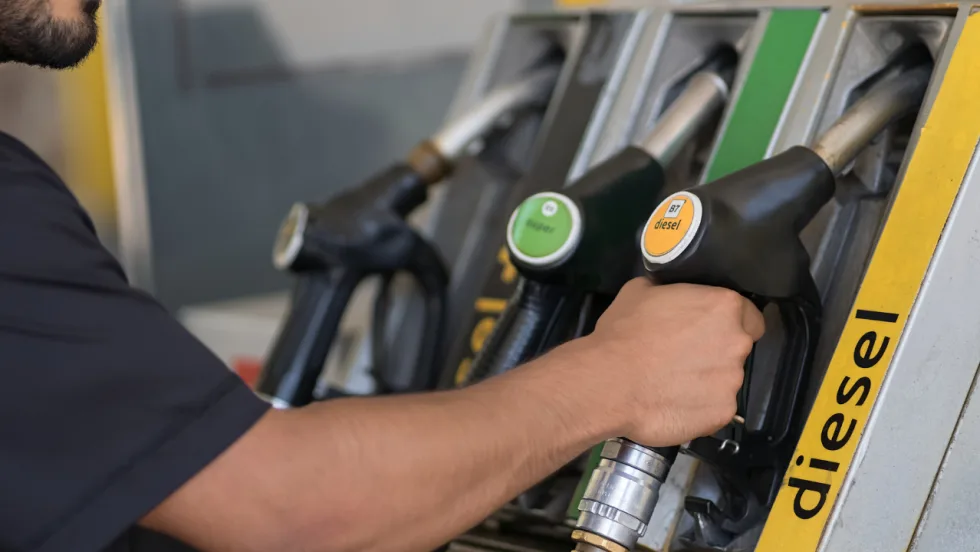
Ignoring This Dashboard Warning Could Cost Your Fleet Thousands in Fuel
New research suggests neglected diesel aftertreatment systems could waste up to $30 in fuel per vehicle each day. Here's why vocational fleets should pay attention.
Read More →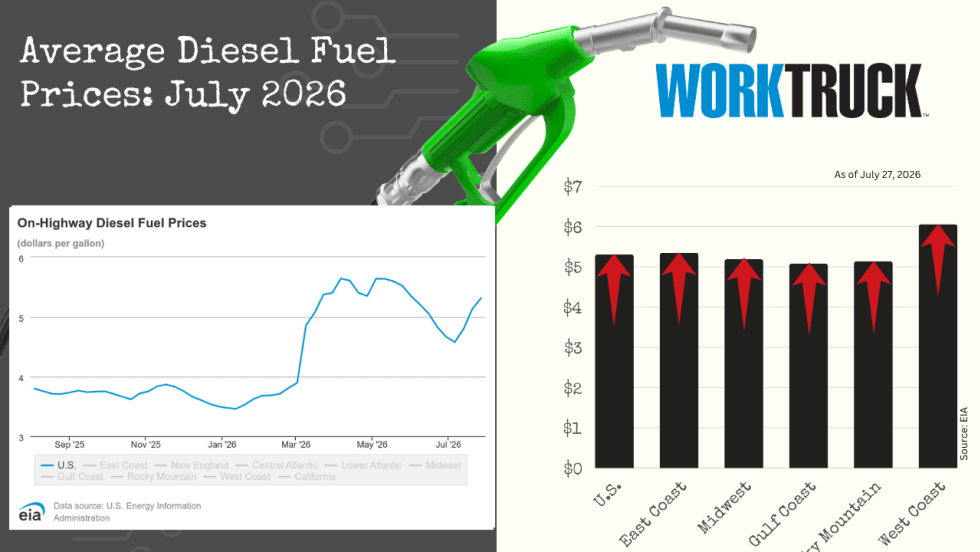
July Diesel Trends Update
The average price of a gallon of diesel increased again this week, and the EIA reported a new national average of $5.31 at the start of the week.
Read More →

WEX Brings Standard Fleet's Connected Vehicle Platform to Fleet Customers
This week’s product launch with Standard Fleet’s connected vehicle platform reflects WEX Venture Capital's strategy of turning startup innovation into customer solutions. Standard Fleet is now available to WEX fleet customers.
Read More →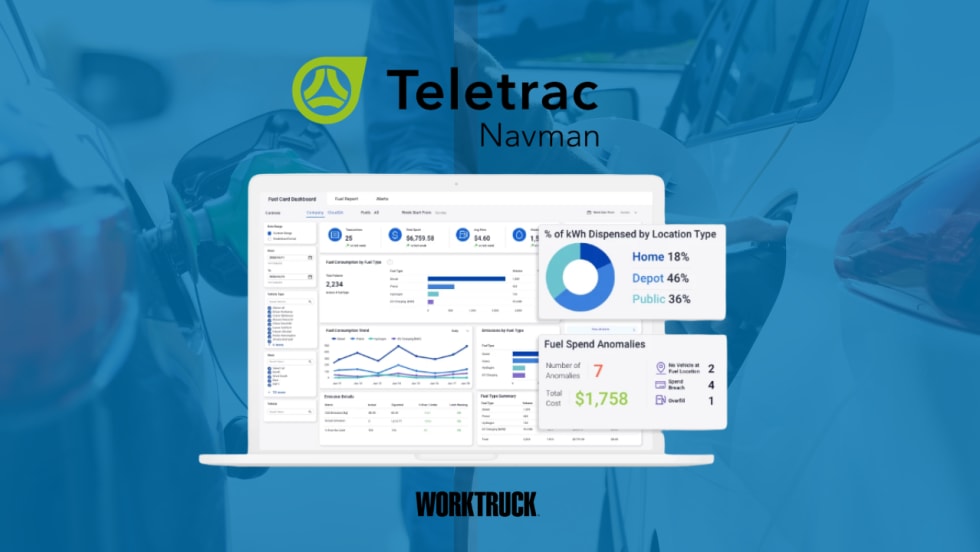
Teletrac Navman Adds Mixed-Energy Fleet Tools to TN360
The new Energy Hub combines fuel transactions, EV charging data, vehicle range, and energy costs in one dashboard for fleets operating multiple vehicle and energy types.
Read More →
WEX DriverDash adds CITGO, Expands Nationwide Access for Fleets
The DriverDash mobile payment app, by WEX, has been integrated into the CITGO merchant network, which means WEX has expanded its U.S. station footprint with the addition of approximately 4,000 CITGO locations.
Read More →
Mixed Energy Fleet Tips for Balancing EVs, Gas and Diesel Vehicles
Mixed energy fleets are becoming the new normal. Learn how fleet managers are balancing EVs, gas and diesel vehicles while controlling costs and planning for the future.
Read More →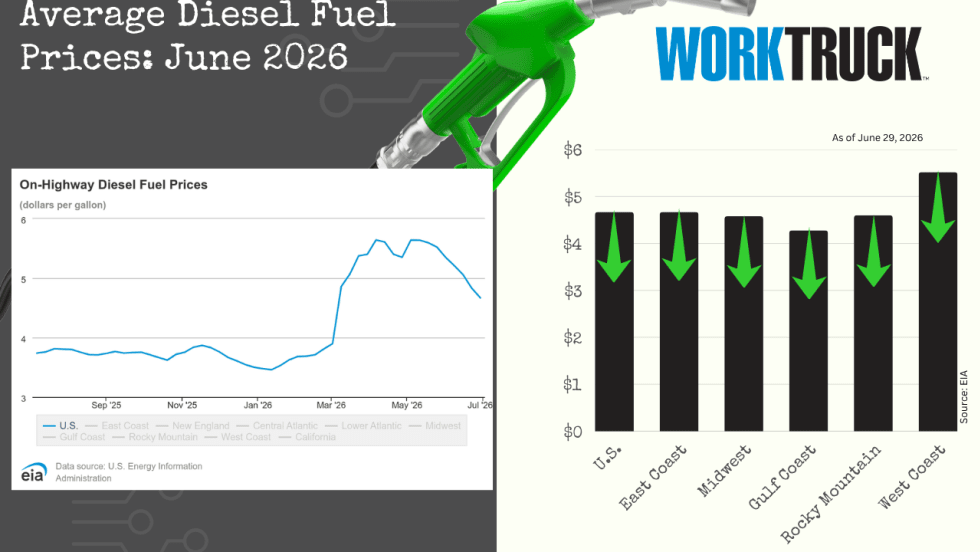
June Diesel Trends Update
The national average price of a gallon of diesel has dropped again, this week by more than 16 cents. All five regions reported lower average prices, ranging from almost 13 cents to more than 28 cents cheaper than a week ago.
Read More →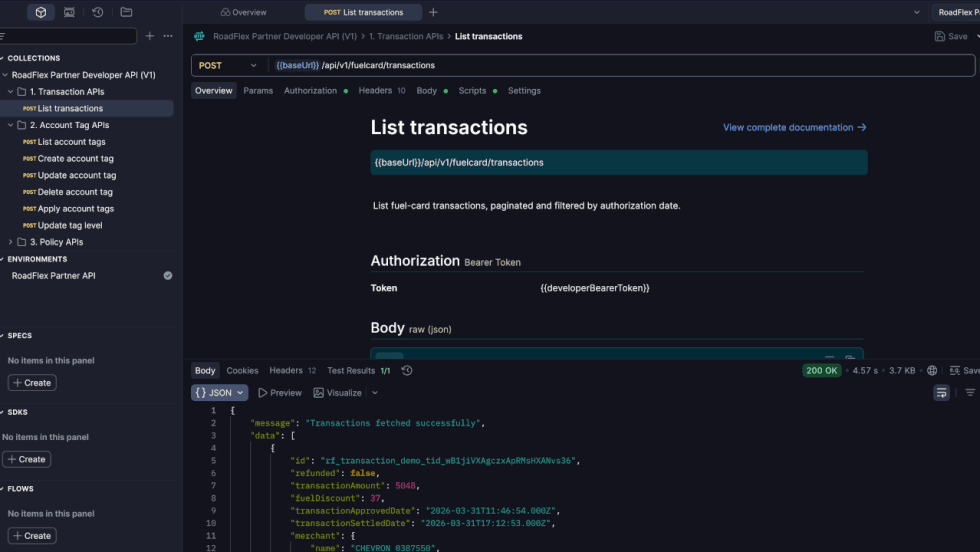
RoadFlex Launches RoadFlex Direct Open API Platform
RoadFlex Direct connects fuel cards, controls, and data to the telematics and fleet management systems fleets already run, from Geotab and Samsara to Fleetio and RTA, with no separate dashboard or double data entry.
Read More →
The Key to Fuel Efficiency Sits in the Cab
Learn how driver behavior, telematics, coaching, and fuel data can help fleets improve fuel efficiency, lower costs, and reduce emissions.
Read More →