




UPS Hybrid Vans Deliver 28.9% Fuel Savings
ATLANTA - The 28.9 percent fuel economy improvement results in a 15 percent improvement in total cost per mile, according to the National Renewable Energy Laboratory (NREL).
ATLANTA- UPS' first-generation hybrid diesel step delivery vans, powered by an Eaton Corp. electric hybrid propulsion system, have improved the fleet's on-road fuel economy by 28.9 percent, according to a report by the U.S. Department of Energy's (DOE) National Renewable Energy Laboratory (NREL).
NREL collected and analyzed fuel economy, maintenance, and other vehicle performance data from the UPS hybrid diesel step delivery vans and found the 28.9 percent fuel economy improvement results in a 15 percent improvement in total cost per mile while maintaining similar reliability and operational performance as compared to conventional vehicles.
Funded by the DOE's Advanced Vehicle Testing Activity (AVTA), NREL's Fleet Test & Evaluation (FT&E) team performed a 12-month evaluation of six of these hybrid vans at a UPS location in Phoenix. Fuel economy and emissions performance of a conventional and hybrid delivery van in NREL's ReFUEL laboratory in Denver, Colo. on various test cycles was also documented.
Robert Hall, UPS director of maintenance and engineering, said he hopes the evaluation will speed up market acceptance of hybrid diesel systems. "NREL's report on the performance of our hybrid delivery vehicles is helping make this type of energy-efficient vehicle a standard in the industry."
Eaton Corp. provided the hybrid propulsion systems for the vehicles, manufactured by Freightliner Corp. The hybrid system employs an Eaton automated transmission with an integrated motor/generator and advanced lithium ion batteries. Both the Freightliner hybrid model and the conventional model use a Mercedes-Benz MBE 904 four-cylinder diesel engine. UPS has recently ordered an additional 200 Eaton hybrid electric powered vans.
The Eaton hybrid system was developed in part under a previous $7.5 million, 33-month contract from DOE's Advanced Heavy Hybrid Propulsion System program.
"Having provided funding for the development of the Eaton hybrid system, DOE was eager to participate in testing the system in a commercial fleet," Lee Slezak, DOE's AVTA program manager said. "Our goal is to help develop more efficient vehicle technologies and then document their on-road performance."
The evaluation of UPS' new diesel hybrid vans follows a 2002 UPS/DOE demonstration of 13 compressed natural gas delivery vehicles in UPS' Hartford, Conn., fleet. NREL's FT&E team also provided direction and analysis on that project. A second generation study is currently planned for 2010 to look at more advanced versions of the Eaton hybrid in operation within the UPS fleet.
UPS is currently ranked #2 on Automotive Fleet's 2009 Top 300 Commercial Fleets and Top 100 Truck Fleets listings, in addition to its spot as #12 on the Top 50 Green Fleets.
Originally posted on Automotive Fleet
More Fuel

The Smart Way to Build a Mixed-Energy Fleet Isn’t About Picking a Side
Mixed-energy fleets aren’t about picking a winning fuel. Sarah Booth of WEX explains how vehicle data, duty cycles, charging strategy, and real-world costs can help fleets choose the right energy source for each job.
Read More →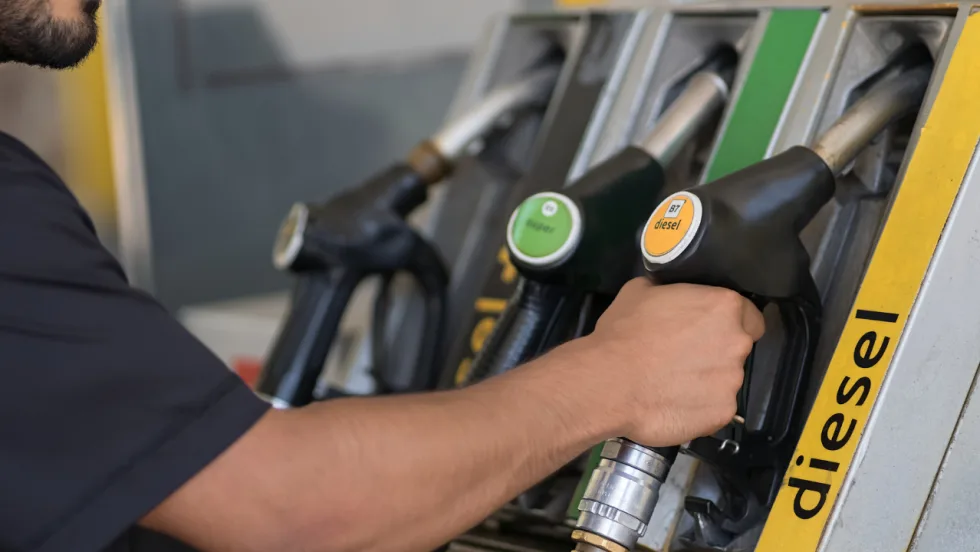
Ignoring This Dashboard Warning Could Cost Your Fleet Thousands in Fuel
New research suggests neglected diesel aftertreatment systems could waste up to $30 in fuel per vehicle each day. Here's why vocational fleets should pay attention.
Read More →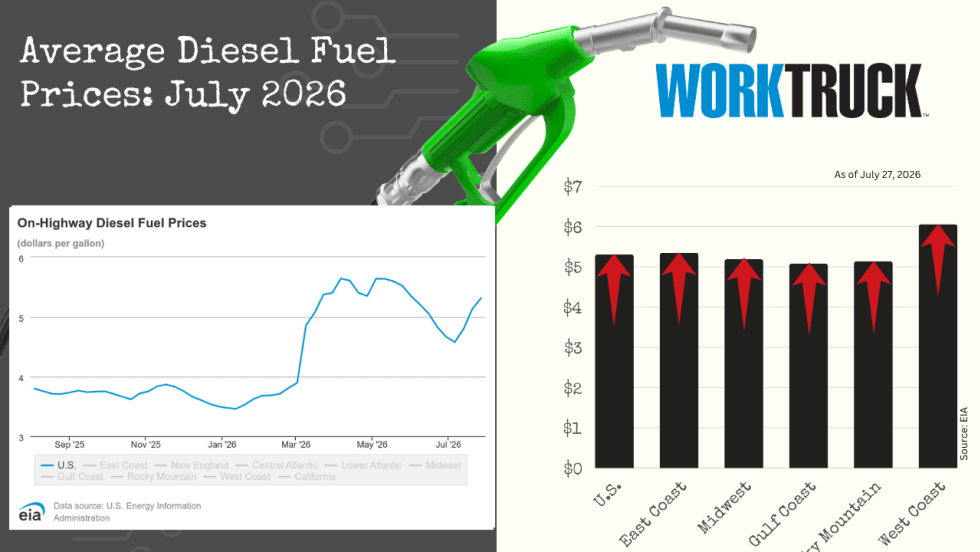
July Diesel Trends Update
The average price of a gallon of diesel increased again this week, and the EIA reported a new national average of $5.31 at the start of the week.
Read More →
WEX Brings Standard Fleet's Connected Vehicle Platform to Fleet Customers
This week’s product launch with Standard Fleet’s connected vehicle platform reflects WEX Venture Capital's strategy of turning startup innovation into customer solutions. Standard Fleet is now available to WEX fleet customers.
Read More →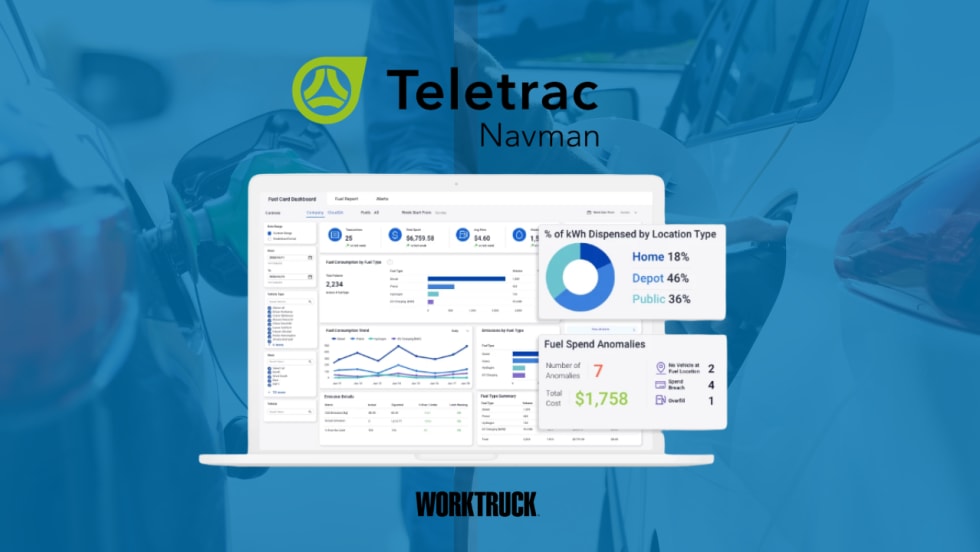
Teletrac Navman Adds Mixed-Energy Fleet Tools to TN360
The new Energy Hub combines fuel transactions, EV charging data, vehicle range, and energy costs in one dashboard for fleets operating multiple vehicle and energy types.
Read More →
WEX DriverDash adds CITGO, Expands Nationwide Access for Fleets
The DriverDash mobile payment app, by WEX, has been integrated into the CITGO merchant network, which means WEX has expanded its U.S. station footprint with the addition of approximately 4,000 CITGO locations.
Read More →
Mixed Energy Fleet Tips for Balancing EVs, Gas and Diesel Vehicles
Mixed energy fleets are becoming the new normal. Learn how fleet managers are balancing EVs, gas and diesel vehicles while controlling costs and planning for the future.
Read More →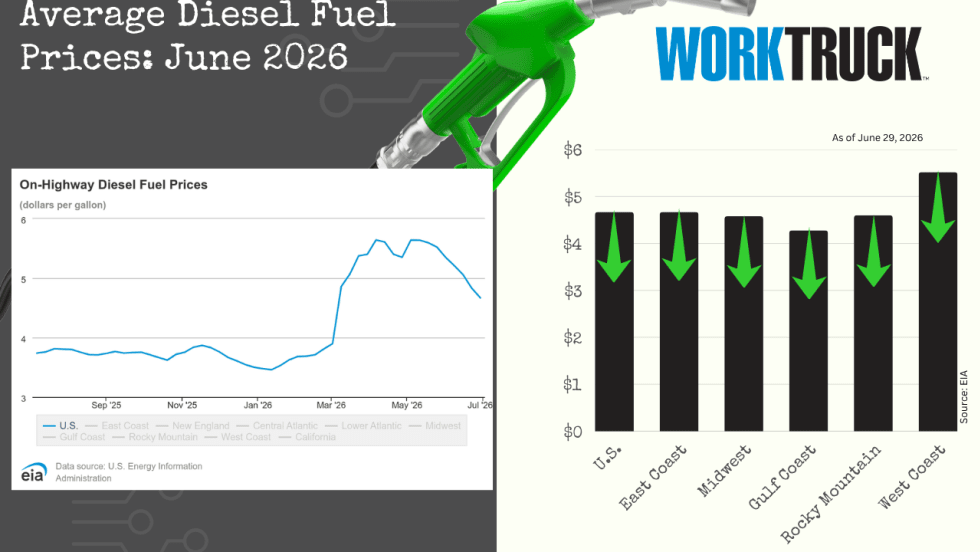
June Diesel Trends Update
The national average price of a gallon of diesel has dropped again, this week by more than 16 cents. All five regions reported lower average prices, ranging from almost 13 cents to more than 28 cents cheaper than a week ago.
Read More →
RoadFlex Launches RoadFlex Direct Open API Platform
RoadFlex Direct connects fuel cards, controls, and data to the telematics and fleet management systems fleets already run, from Geotab and Samsara to Fleetio and RTA, with no separate dashboard or double data entry.
Read More →
The Key to Fuel Efficiency Sits in the Cab
Learn how driver behavior, telematics, coaching, and fuel data can help fleets improve fuel efficiency, lower costs, and reduce emissions.
Read More →