




Titan Unveils Polyethylene Replacement Fuel Tank for Ford Diesel Cutaways
Titan Fuel Tanks, a manufacturer of high-performance, engineered, polymer aftermarket fuel tanks, released details on its 8020199, cross-linked polyethylene, replacement fuel tank at the 2013 NTEA Work Truck Show in Indianapolis, Ind.
Titan Fuel Tanks, a manufacturer of high-performance, engineered, polymer aftermarket fuel tanks, released details on its 8020199, cross-linked polyethylene, replacement fuel tank at the 2013 NTEA Work Truck Show in Indianapolis, Ind. The new tank is designed to fit 1999-2010 Econoline diesel cut-away cab and chassis vehicles and eliminates the widespread issue of diesel fuel line contamination resulting from lining delamination in original equipment and aftermarket fuel tanks made of steel, according to the company.
Titan’s solid polymer tank bodies are immune to the effects of the diesel, bio-diesel, and fuel additives that are routinely blamed for causing the degradation of the protective linings of steel fuel tanks, according to Titan. Constructed of th military-grade, cross-linked polyethylene (XLHDPE), Titan’s replacement tank is compatible with most blends of bio-diesel fuel. Polyethylene is much lighter than steel and 200 times less thermal conductive. The polymer’s insulating properties eliminate condensation.
The interiors of original equipment and aftermarket steel tanks are generally lined with a coating that is known to deteriorate in the presence of agents and additives within many diesel and bio-diesel fuels. Once the steel tank linings begin to decompose, they can cast particulate matter into the fuel source, which can ultimately cause pumps, filters, and injectors to fail.
Ford has ruled tank delamination to be fuel-related and as such, does not cover it under the company’s warranty policy, according to Titan. If diesel fuel contamination is detected during the process of servicing the vehicle, warranty compliance can only be regained by replacing all affected components. Repair costs can be daunting, and if a steel replacement tank is used, the problem and additional repair costs might be destined to reoccur.
The new 55-gallon tank is designed to replace the Econoline’s OEM tank. Like Titan’s entire line of polymer replacement fuel tanks, the new tank weighs much less, won’t corrode, and features a rollover vent valve with a vent hose, as well as a convenient drain plug.
The tank comes in the form of a comprehensive replacement kit and will start shipping to customers on or about May 1, 2013. Installers can reuse most of the vehicle’s stock components, including the original tanks’ sending unit. Replacement skid plates, straps and ancillary components can be obtained from any Ford dealership, according to Titan. Like all Titan replacement fuel tanks, the new cut-away tank is backed by Titan’s exclusive limited five-year warranty.
Titan’s cross-linked polyethylene tank is designed to replace the following original Ford Econoline cut-away equipment part numbers:
Years 1999-2001: 2C2Z9002A
Years 2002-2003: 2C2Z9002EB
Years 2004-2008: 7C2Z9002F
Years 2009-2010: 9C2Z9002F
Titan Fuel Tanks are sold in the United States, Canada, and Australia.
More Fuel

The Smart Way to Build a Mixed-Energy Fleet Isn’t About Picking a Side
Mixed-energy fleets aren’t about picking a winning fuel. Sarah Booth of WEX explains how vehicle data, duty cycles, charging strategy, and real-world costs can help fleets choose the right energy source for each job.
Read More →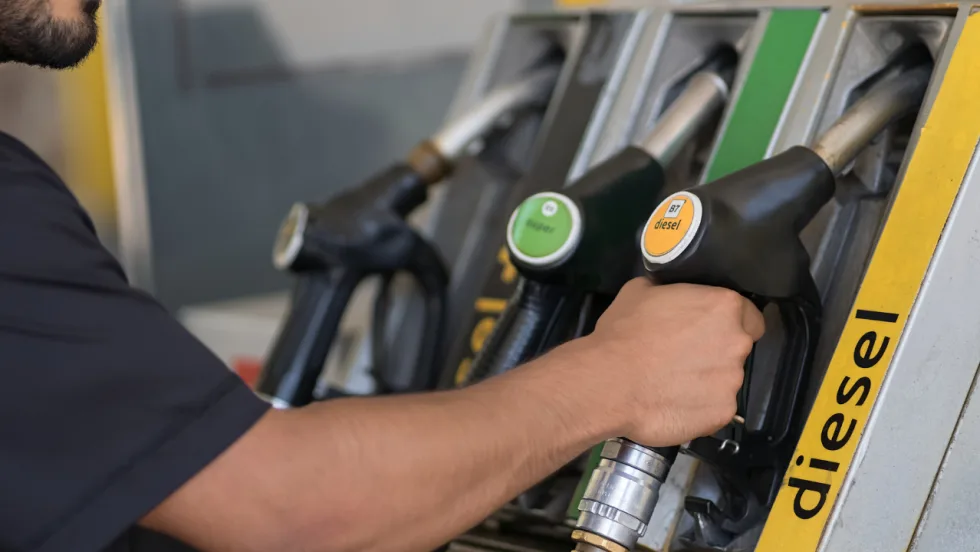
Ignoring This Dashboard Warning Could Cost Your Fleet Thousands in Fuel
New research suggests neglected diesel aftertreatment systems could waste up to $30 in fuel per vehicle each day. Here's why vocational fleets should pay attention.
Read More →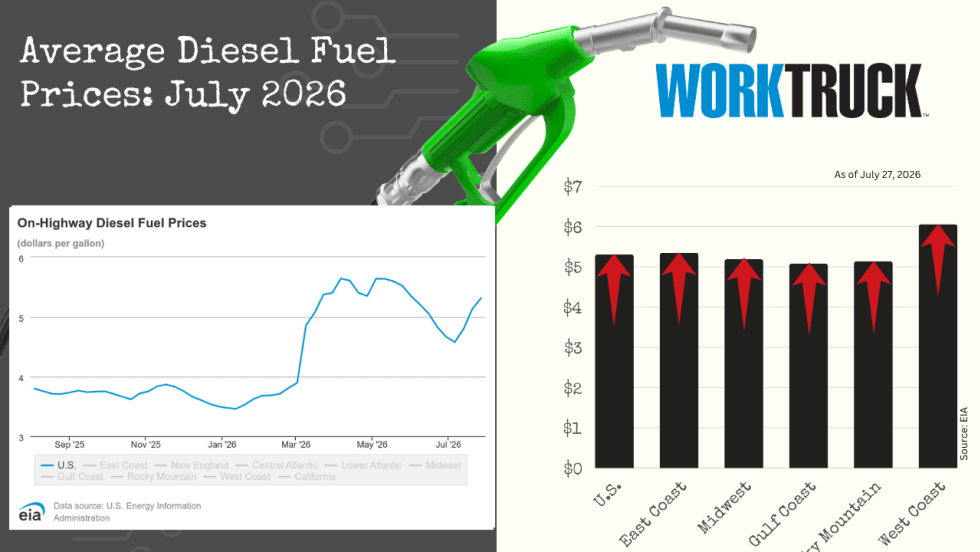
July Diesel Trends Update
The average price of a gallon of diesel increased again this week, and the EIA reported a new national average of $5.31 at the start of the week.
Read More →

WEX Brings Standard Fleet's Connected Vehicle Platform to Fleet Customers
This week’s product launch with Standard Fleet’s connected vehicle platform reflects WEX Venture Capital's strategy of turning startup innovation into customer solutions. Standard Fleet is now available to WEX fleet customers.
Read More →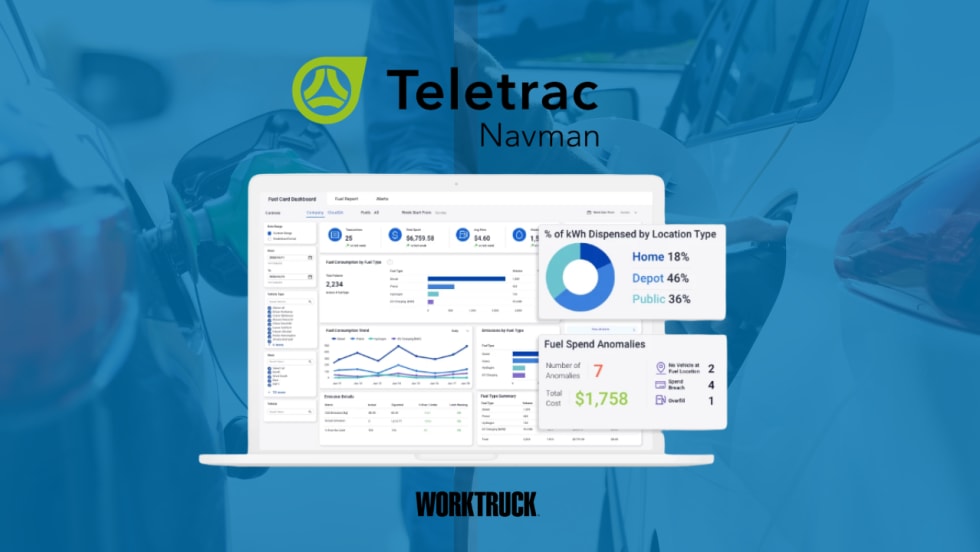
Teletrac Navman Adds Mixed-Energy Fleet Tools to TN360
The new Energy Hub combines fuel transactions, EV charging data, vehicle range, and energy costs in one dashboard for fleets operating multiple vehicle and energy types.
Read More →
WEX DriverDash adds CITGO, Expands Nationwide Access for Fleets
The DriverDash mobile payment app, by WEX, has been integrated into the CITGO merchant network, which means WEX has expanded its U.S. station footprint with the addition of approximately 4,000 CITGO locations.
Read More →
Mixed Energy Fleet Tips for Balancing EVs, Gas and Diesel Vehicles
Mixed energy fleets are becoming the new normal. Learn how fleet managers are balancing EVs, gas and diesel vehicles while controlling costs and planning for the future.
Read More →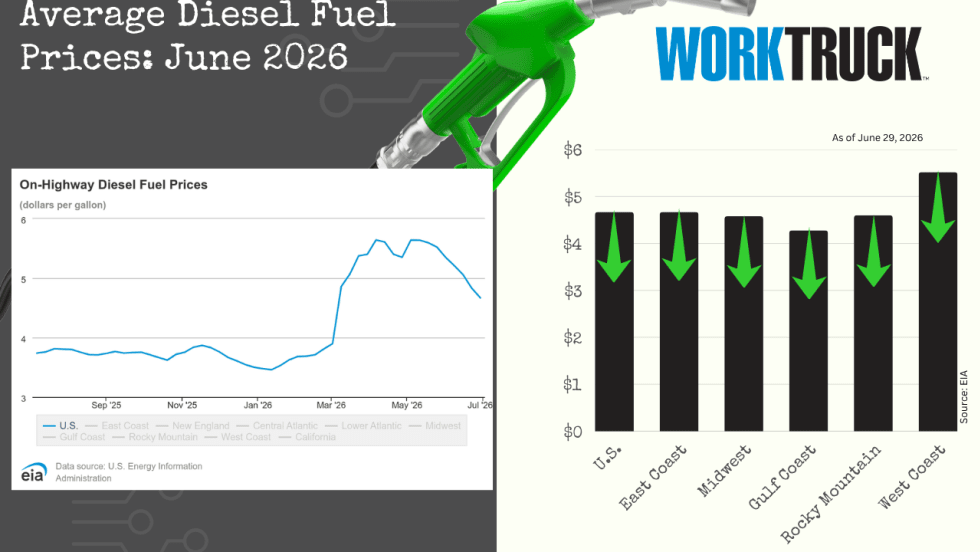
June Diesel Trends Update
The national average price of a gallon of diesel has dropped again, this week by more than 16 cents. All five regions reported lower average prices, ranging from almost 13 cents to more than 28 cents cheaper than a week ago.
Read More →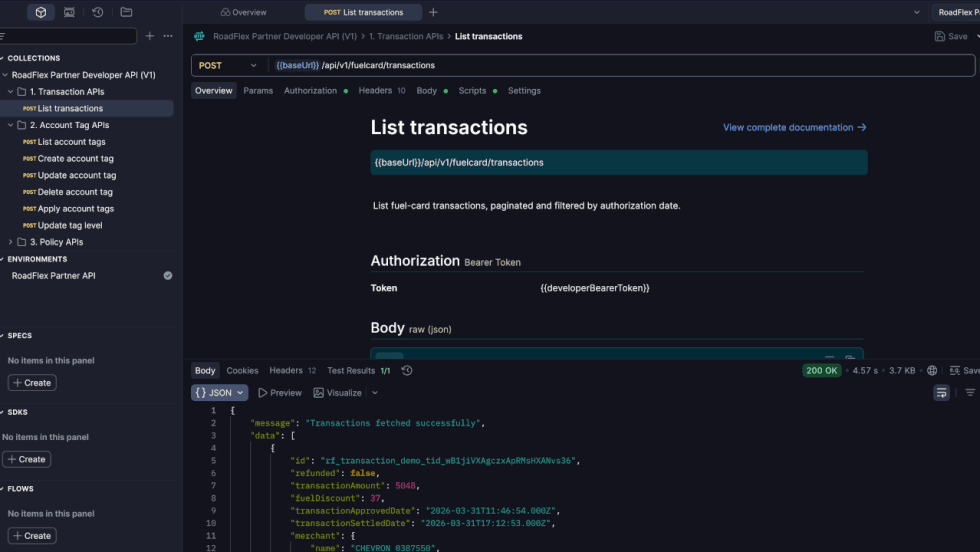
RoadFlex Launches RoadFlex Direct Open API Platform
RoadFlex Direct connects fuel cards, controls, and data to the telematics and fleet management systems fleets already run, from Geotab and Samsara to Fleetio and RTA, with no separate dashboard or double data entry.
Read More →
The Key to Fuel Efficiency Sits in the Cab
Learn how driver behavior, telematics, coaching, and fuel data can help fleets improve fuel efficiency, lower costs, and reduce emissions.
Read More →