




Telematics Market Expected to See Explosive Near-Term Growth
Commercial fleet adoption of telematics systems is expected to continue its torrid growth trajectory and increase to 20 million units in three years from the current 13 million units due to the increasing popularity of video-based driver management products and other solutions, according to a leading industry analyst.

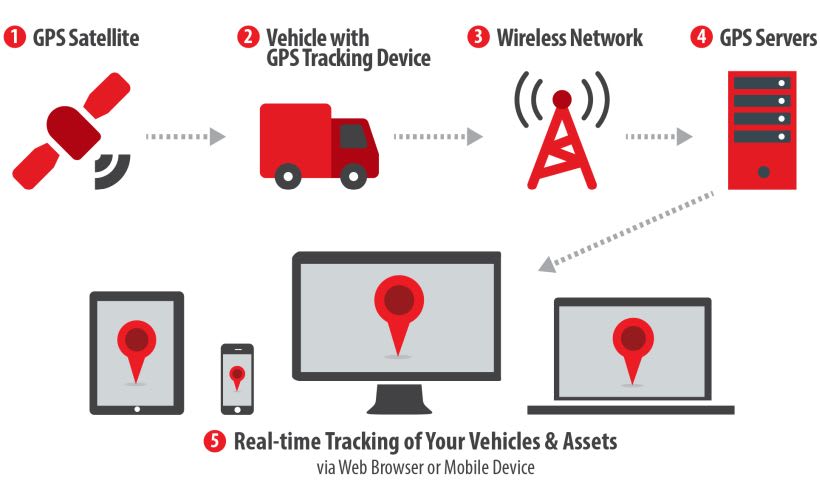
Growth in the commercial telematics market should exceed 50% in the next three years, according to a leading telematics analyst.
Graphic courtesy of GPS Insight.
Commercial fleet adoption of telematics systems is expected to continue its torrid growth trajectory and increase to 20 million units in three years from the current 13 million units due to the growing popularity of GPS fleet and asset management systems and increasing interest in video-based driver management products and other solutions, according a leading industry analyst.
The projection of a 53% growth rate over three years comes from C.J. Driscoll & Associates "2019-2020 U.S. Mobile Resource Management Systems Market Study," a 345-page analytical report that updates his 2015 report on these systems.
"One of the real trends we're seeing is the increased use of video," Driscoll told Automotive Fleet. "Video brings in another dimension to analyze driver behavior. It also helps reduce liability. Video doesn't lie."
Since his last deep dive into commercial telematics, commercial truck fleets have more aggressively implemented Electronic Logging Devices (ELDs) and Automatic On-Board Recording Devices (AOBRDs) to track a driver's Hours of Service to remain in compliance with Federal Motor Carrier Safety Administration regulations.
In 2017 and 2018, commercial telematics growth was strongest in the trucking sector because the U.S. Department of Transportation mandated the use of these devices. Fleets that use AOBRDs will need to shift to ELDs by the end of this year.
Driscoll estimates there are 3 million of these devices in use with an even split between ELDs and AOBRDs. KeepTruckin is now the leading ELD provider, while Omnitracs has the most AOBRDs in service.
While the ELD growth wave has been a primary factor in recent years, it's not expected to drive future growth in commercial telematics. That should come from growth in the local service and delivery market with traditional telematics products; asset monitoring of trailers, shipping containers, and other non-vehicle assets; and driver behavior management systems. Workforce management solutions, which are often accessed through smartphones and tablets, will also significantly contribute to overall growth.
{incontentformtoken}
Verizon Connect remains the largest provider of fleet telematics systems with about 1.7 million units in service in the U.S. The company became the largest U.S. supplier through its acquisition of Fleetmatics and Telogis in 2016. Prior to the mergers, the combined companies accounted for just under 1.3 million units in service, Driscoll said.
Other top providers include Geotab, which reached 1 million units in service in 2018, and Fleet Complete, an AT&T partner that's among the largest providers in the U.S. GPS Insight is another leading player that now counts about 140,000 units in service in the U.S.
Cellular carriers have increasingly entered the fleet telematics market in recent years, including T-Mobile and Sprint, so they can continue expanding their businesses into data services.
"The cellular carriers increasingly want to get involved in data," Driscoll said. "There's no growth in voice. It’s a saturated market."
Read more or purchase Driscoll's report here.
Originally posted on Automotive Fleet
More Technology
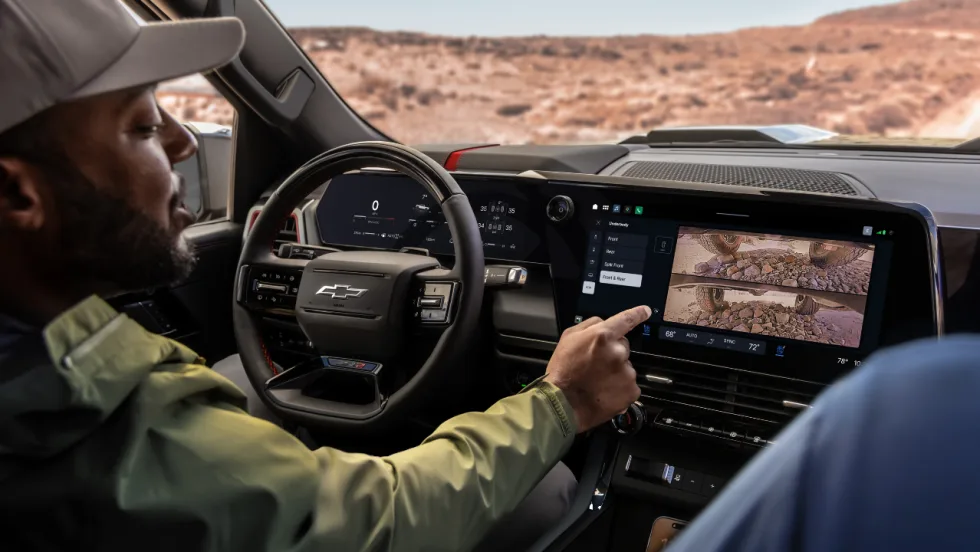
GM Brings New Truck Focused Interface to 2027 Silverado and Sierra
GM's new pickup interface puts trailering data, camera views, vehicle controls, and smartphone integration closer to the driver in the 2027 Silverado and Sierra.
Read More →
Samsara Driver Perks Expands Rewards Beyond the Long Haul Driver
Samsara’s new driver rewards program was built with a broader professional driver in mind, including employees who split their day between driving, job sites, service calls, and other work.
Read More →
AI Service Advisor Aims to Cut Fleet Repair Downtime
Fleetio said its AI Service Advisor can help fleets cut repair downtime by an average of 2.5 hours per repair while reducing manual maintenance work.
Read More →
Verra Mobility Launches AI-Driven Title & Registration Solution
Verra Mobility has launched a new AI-driven Title & Registration platform to help fleets move vehicles from acquisition to the road the same day while reducing compliance risk.
Read More →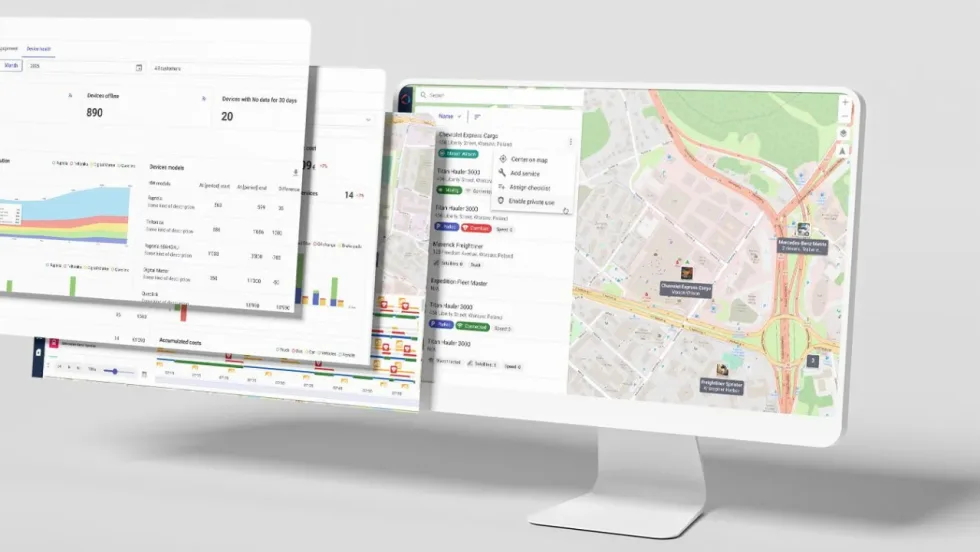
Wialon Unlocks OEM Data to Give Fleet Owners Data Ownership & Operational Clarity
Wialon has introduced hardware-free OEM integration as the EU Data Act accelerates the shift in vehicle data access across the fleet industry in many countries.
Read More →
Teletrac Navman Promotes New CEO from Within
Teletrac Navman’s next CEO, Ricardo Buranello, has served as the company’s chief financial and operating officer. He brings deep financial and operational expertise, a strong strategic orientation, and an intimate knowledge of the business to his new role.
Read More →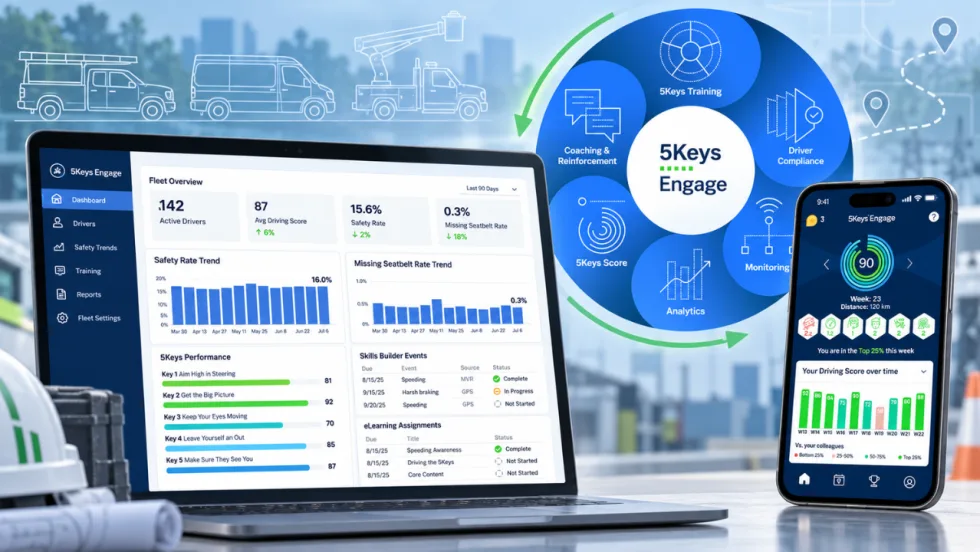
Smith System Wants Work Truck Fleets to Look Beyond the Driver Alert
Smith System’s new Driver Risk Management program is built to help mixed work truck fleets turn telematics alerts and observations into specific behaviors, coaching actions, and measurable follow-up.
Read More →
Ford Pro Software Updates: August 26
Check out the latest Ford Pro software updates, including Google Maps integration, Remote Vehicle Alarm integration, Motor Pool for easier management of shared pool vehicles, and more.
Read More →
Where AI Is Actually Saving Fleet Managers Time
AI is moving past the buzzword stage and into the daily fleet workflow. Fleetio’s Brianna Perry Lang breaks down where fleets are seeing real time savings, from maintenance and data entry to repair decisions, safety, and compliance
Read More →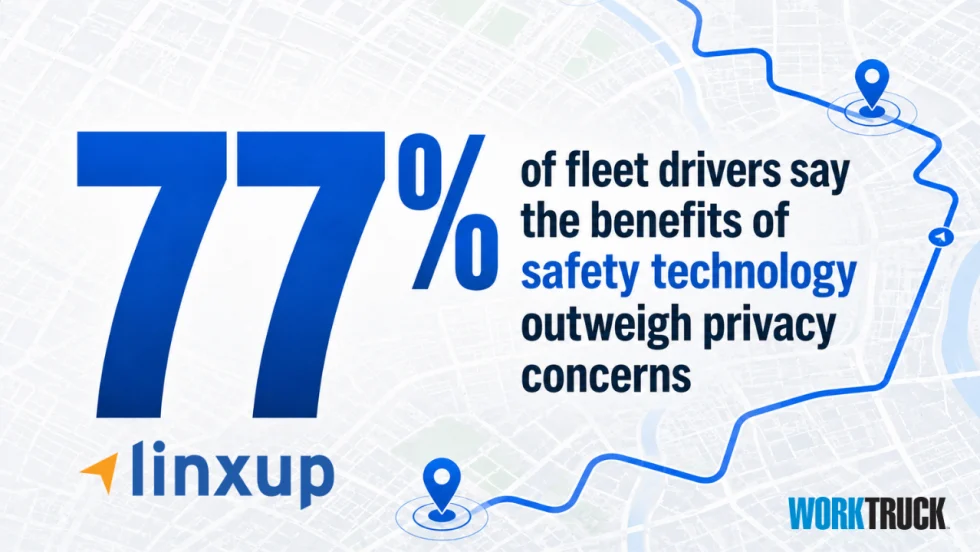
Are Work Truck Drivers Warming Up to Dash Cams and GPS Tracking?
A new survey finds field-service drivers may be more comfortable with dash cams and GPS tracking than fleet managers think, especially when the technology helps protect them after a crash.
Read More →