




Sudden Layoffs Leave Company Drivers Stranded at Gas Pumps
HOUSTON - Arrow Trucking employees were reportedly unaware they had been laid off until their gas cards no longer worked or someone showed up to tow away their trucks.
HOUSTON - Tulsa-based Arrow Trucking employees were abruptly laid off Dec. 21 without any notification, leaving hundreds of drivers stranded at truck stops across the country with non-working fuel cards, reported ABC13.com.
The sudden layoffs were unexpected, with employees reportedly unaware until their gas cards no longer worked or someone showed up to tow away their trucks, ABC13 reported.
The shutdown of the Tulsa-based operations Dec. 21 resulted in the layoff of all employees, including the fleet manager, James Cooey, reported ABC13.
The only Arrow trucks now on the move are the ones driven away by repo companies.
Daimler Truck Financial, which provides equipment financing for the majority of Arrow's fleet, recently announced it is working with Arrow's drivers to ensure they get home safely and are not stranded. The financial services provider is reaching out to drivers to provide a choice of a Greyhound Bus ticket or $200 for personal transportation for drivers.
Arrow drivers should call the following toll-free hotline for instructions: (877) 294-9679.
Prior to the shutdown, Arrow Trucking operated a fleet of 1,400 tractors and more than 3,000 trailers throughout the United States and in Canada and Mexico. The company was in business since 1948, according to ABC13.
Originally posted on Automotive Fleet
More Fuel

Precision Under Pressure: Why Modern Diesels Demand a New Fuel Maintenance Playbook
Modern diesel fuel systems leave little room for contamination, deposits, or old maintenance habits. See why today’s HPCR engines demand a more proactive approach to fuel quality, injector health, and DPF protection.
Read More →
Peterbilt Trucks Equipped with Paccar TX-18 Pro Boost Efficiency for Maryland Fleet
Patuxent Companies is replacing aging trucks with the Peterbilt Model 567 and Model 589, specified with the Paccar TX-18 Pro 18-speed automated transmissions, and is reporting an 8% to 10% improvement in fuel economy.
Read More →
The Smart Way to Build a Mixed-Energy Fleet Isn’t About Picking a Side
Mixed-energy fleets aren’t about picking a winning fuel. Sarah Booth of WEX explains how vehicle data, duty cycles, charging strategy, and real-world costs can help fleets choose the right energy source for each job.
Read More →



Ignoring This Dashboard Warning Could Cost Your Fleet Thousands in Fuel
New research suggests neglected diesel aftertreatment systems could waste up to $30 in fuel per vehicle each day. Here's why vocational fleets should pay attention.
Read More →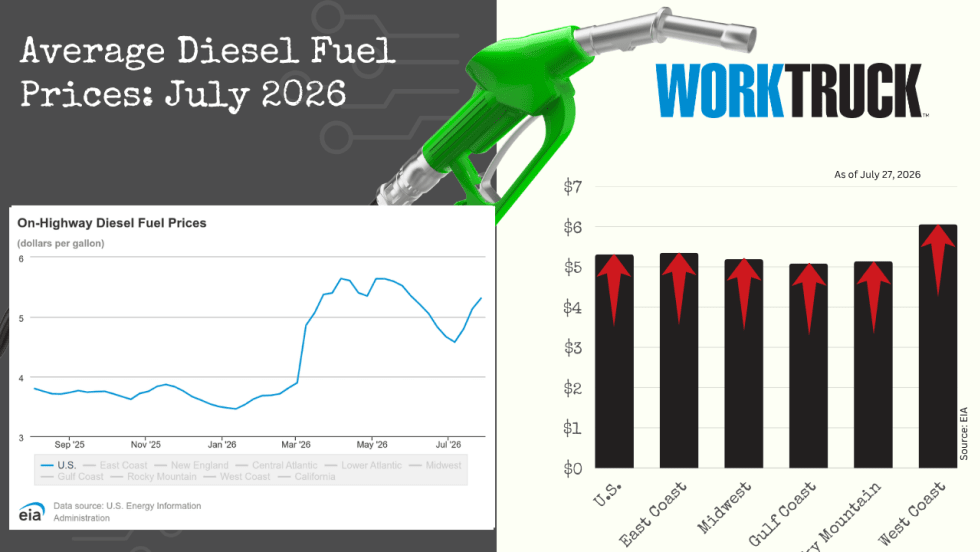
July Diesel Trends Update
The average price of a gallon of diesel increased again this week, and the EIA reported a new national average of $5.31 at the start of the week.
Read More →
WEX Brings Standard Fleet's Connected Vehicle Platform to Fleet Customers
This week’s product launch with Standard Fleet’s connected vehicle platform reflects WEX Venture Capital's strategy of turning startup innovation into customer solutions. Standard Fleet is now available to WEX fleet customers.
Read More →
Teletrac Navman Adds Mixed-Energy Fleet Tools to TN360
The new Energy Hub combines fuel transactions, EV charging data, vehicle range, and energy costs in one dashboard for fleets operating multiple vehicle and energy types.
Read More →
WEX DriverDash adds CITGO, Expands Nationwide Access for Fleets
The DriverDash mobile payment app, by WEX, has been integrated into the CITGO merchant network, which means WEX has expanded its U.S. station footprint with the addition of approximately 4,000 CITGO locations.
Read More →
Mixed Energy Fleet Tips for Balancing EVs, Gas and Diesel Vehicles
Mixed energy fleets are becoming the new normal. Learn how fleet managers are balancing EVs, gas and diesel vehicles while controlling costs and planning for the future.
Read More →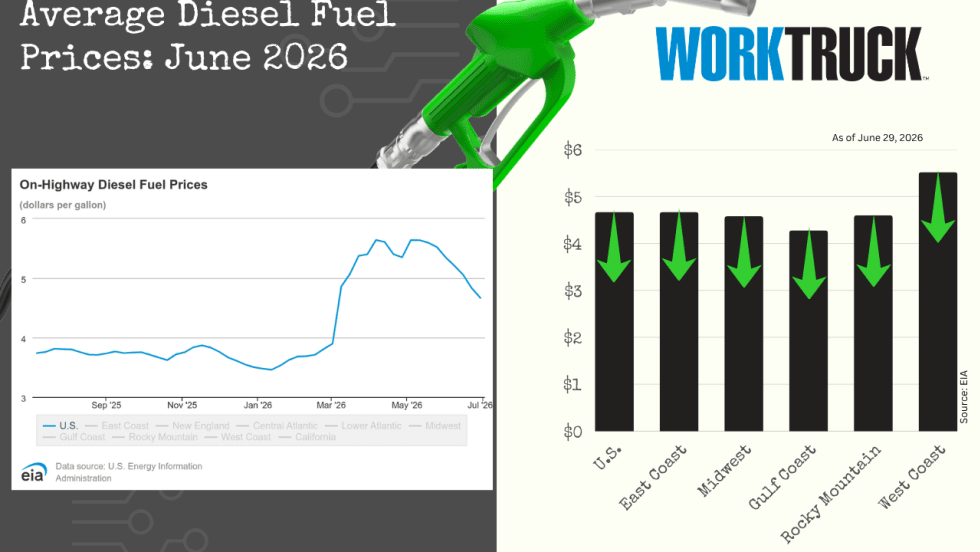
June Diesel Trends Update
The national average price of a gallon of diesel has dropped again, this week by more than 16 cents. All five regions reported lower average prices, ranging from almost 13 cents to more than 28 cents cheaper than a week ago.
Read More →