




Study Shows Diesel Not Leading Particulate Matter Contributor
A new paper issued by the UNECE concluded that diesel road vehicles were the cause of only a small percentage of particulate matter versus other economic sectors.

A new paper issued by the United Nations Economic Commission for Europe (UNECE) concluded that diesel road vehicles were the cause of only a small percentage of particulate matter – PM 2.5 and PM10 - in Europe and the United States compared to economic sectors like the commercial, institutional, and household sectors.
“From the data and facts mentioned above, we conclude with a high degree of reliability that it is misleading to claim that people’s exposure to diesel engines of road motor vehicles is the cause of increased risk of lung cancer,” UNECO concluded in the new paper entitled “Diesel Engine Exhausts: Myths and Realities”.
Click here to read the entire UNECE paper.
“Eighty three percent of particulate matters emissions in European Union countries (EEA, 2012a) and 97 percent in the United States of America (EPA 2013) and Canada is generated by other economic sectors, mainly the commercial, institutional and household sector. Therefore, the claim that emissions from diesel engine exhausts from road transport are the main cause of lung cancer in humans needs to be seriously challenged. It does not mean however, that measures to improve the environmental performance of the transport sector can stop. On the contrary, they must continue and in an aggressively well targeted way,” the UNECE paper stated.
The new UNECE report has similar findings to a separate study published in the journal Nature Communications on May 13, 2014 entitled “Two-stroke scooters are a dominant source of air pollution in many cities”. This second report was supported by the Swiss Federal Office for the Environment (FOEN), the Federal Roads Office (FEDRO), the Swiss National Science Foundation, the EU commission, the UK Natural Environment Research Council (NERC), the French Environment and Energy Management Agency.
The study found that in many Asian and European communities: “Cars and trucks, particularly diesel vehicles, are thought to be the main vehicular pollution sources. This needs re-thinking, as we show that elevated particulate matter levels can be a consequence of ‘asymmetric pollution’ from two-stroke scooters, vehicles that constitute a small fraction of the fleet, but can dominate urban vehicular pollution through organic aerosol and aromatic emission factors up to thousands of times higher than from other vehicle classes.”
Click here to see a summary of the Nature Communications study.
Originally posted on Automotive Fleet
More Fuel

The Smart Way to Build a Mixed-Energy Fleet Isn’t About Picking a Side
Mixed-energy fleets aren’t about picking a winning fuel. Sarah Booth of WEX explains how vehicle data, duty cycles, charging strategy, and real-world costs can help fleets choose the right energy source for each job.
Read More →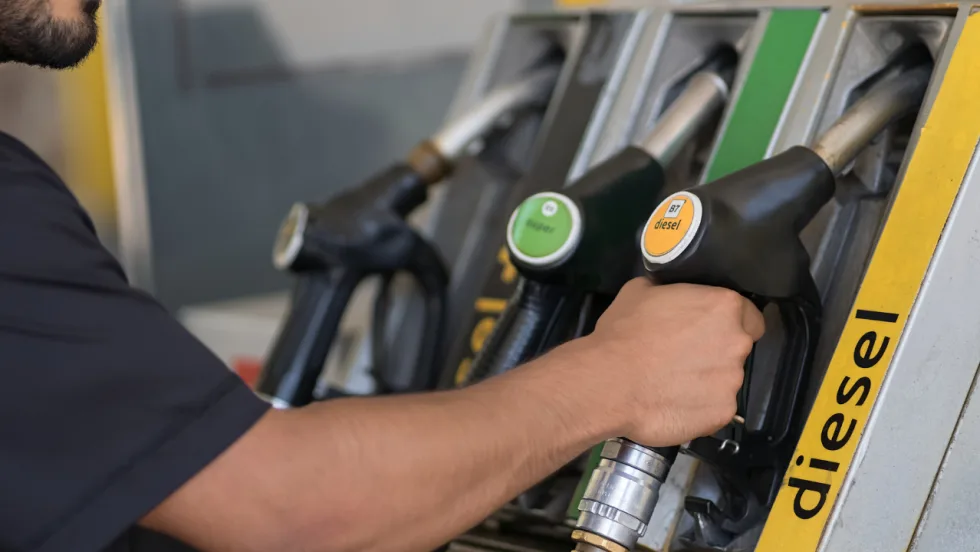
Ignoring This Dashboard Warning Could Cost Your Fleet Thousands in Fuel
New research suggests neglected diesel aftertreatment systems could waste up to $30 in fuel per vehicle each day. Here's why vocational fleets should pay attention.
Read More →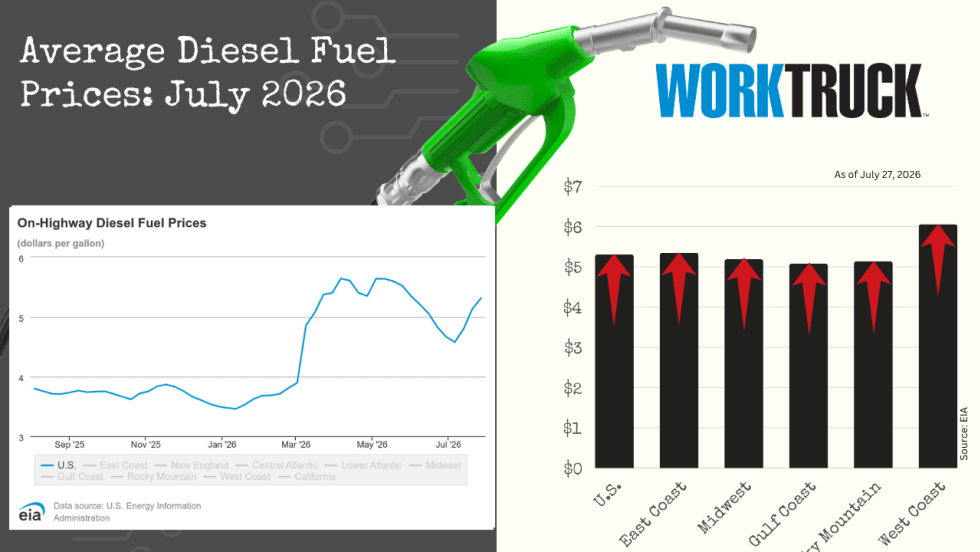
July Diesel Trends Update
The average price of a gallon of diesel increased again this week, and the EIA reported a new national average of $5.31 at the start of the week.
Read More →
WEX Brings Standard Fleet's Connected Vehicle Platform to Fleet Customers
This week’s product launch with Standard Fleet’s connected vehicle platform reflects WEX Venture Capital's strategy of turning startup innovation into customer solutions. Standard Fleet is now available to WEX fleet customers.
Read More →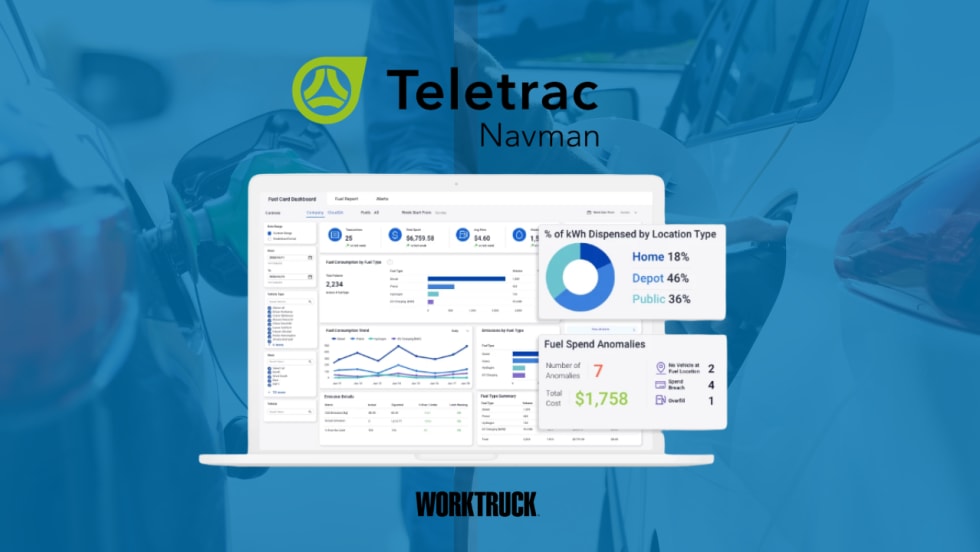
Teletrac Navman Adds Mixed-Energy Fleet Tools to TN360
The new Energy Hub combines fuel transactions, EV charging data, vehicle range, and energy costs in one dashboard for fleets operating multiple vehicle and energy types.
Read More →
WEX DriverDash adds CITGO, Expands Nationwide Access for Fleets
The DriverDash mobile payment app, by WEX, has been integrated into the CITGO merchant network, which means WEX has expanded its U.S. station footprint with the addition of approximately 4,000 CITGO locations.
Read More →
Mixed Energy Fleet Tips for Balancing EVs, Gas and Diesel Vehicles
Mixed energy fleets are becoming the new normal. Learn how fleet managers are balancing EVs, gas and diesel vehicles while controlling costs and planning for the future.
Read More →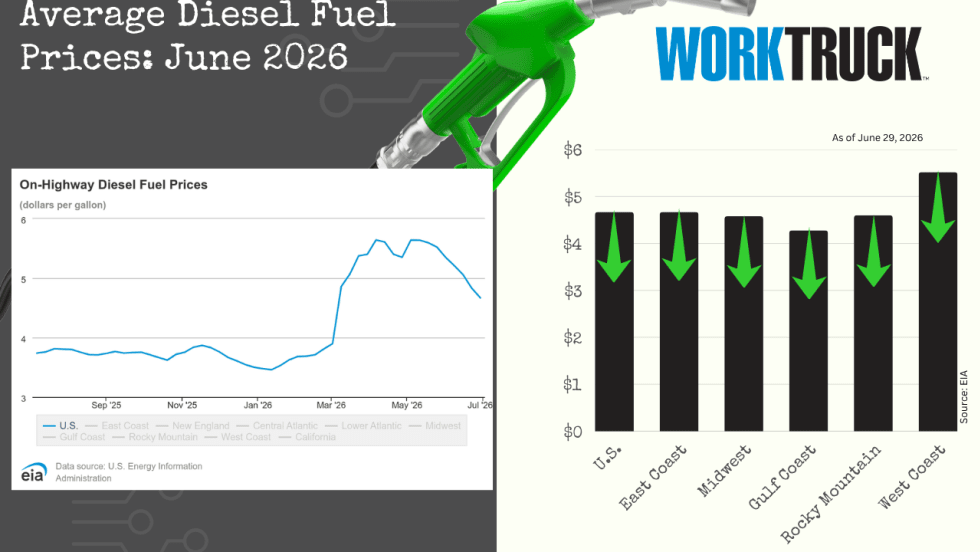
June Diesel Trends Update
The national average price of a gallon of diesel has dropped again, this week by more than 16 cents. All five regions reported lower average prices, ranging from almost 13 cents to more than 28 cents cheaper than a week ago.
Read More →
RoadFlex Launches RoadFlex Direct Open API Platform
RoadFlex Direct connects fuel cards, controls, and data to the telematics and fleet management systems fleets already run, from Geotab and Samsara to Fleetio and RTA, with no separate dashboard or double data entry.
Read More →
The Key to Fuel Efficiency Sits in the Cab
Learn how driver behavior, telematics, coaching, and fuel data can help fleets improve fuel efficiency, lower costs, and reduce emissions.
Read More →