




States Considering Highway Funding Options
While Capitol Hill may yet again slap an eleventh-hour cold patch on the highway-funding gap, state governments are moving ever more quickly and innovatively to put their infrastructure spending in order.


Photo: U.S.House T&I Committee
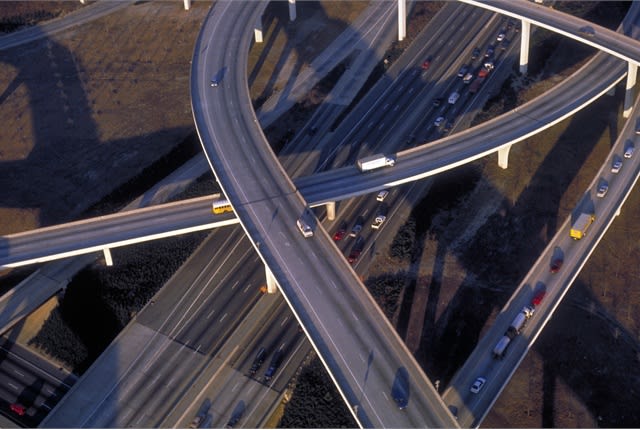
Photo: U.S.House T&I Committee
While Capitol Hill may yet again slap an eleventh-hour cold patch on the highway-funding gap, state governments are moving ever more quickly and innovatively to put their infrastructure spending in order.
Even bonding is on the table in one statehouse. Wisconsin Gov. Scott Walker’s 2016-17 budget proposal includes borrowing $1.3 billion to pay for road work. This week, members of the legislature’s legislature's budget committee questioned the logic of the approach, arguing that the state’s payments will outlive the affected projects by decades.
Joint Finance Committee members from both parties questioned DOT Secretary Mark Gottlieb on the long-term impact of bonding such construction.
Gottlieb responded, according to an Associated Press news report, that bonding was required because the governor doesn't want to hike the state’s fuel tax and vehicle registration fees. In addition, he argued that interest rates on bonding are currently favorable right now.
Gottlieb conceded that highways will continue to deteriorate under the bonding plan. However, he claimed that if the amount to be borrowed is cut, the roads will fail even faster, resulting in higher costs later.
Meanwhile, raising the fuel tax is not only in play in Louisiana, a legislative task force has concluded that the state should allow municipalities the option of imposing their own gas taxes. That’s just one of over a dozen proposals to increase financing and upgrade the state’s transportation infrastructure included in the task force’s final report, which was issued this week.
Other ideas offered include tying the state fuel tax to the rate of inflation and considering the establishment of public-private partnerships for funding and building infrastructure.
The report should garner attention in the statehouse. Louisiana now faces a $12 billion backlog of road and bridge projects, according to a news report posted by HoumaToday.com.
Then there’s the question being discussed coast to coast of whom should toll. Discussing that topic recently, U.S. Rep. Paul Ryan (R-WI) said that he favors changing federal law to afford state governments the “freedom to choose” to implement tolled highways.
Originally posted on Automotive Fleet
More Operations
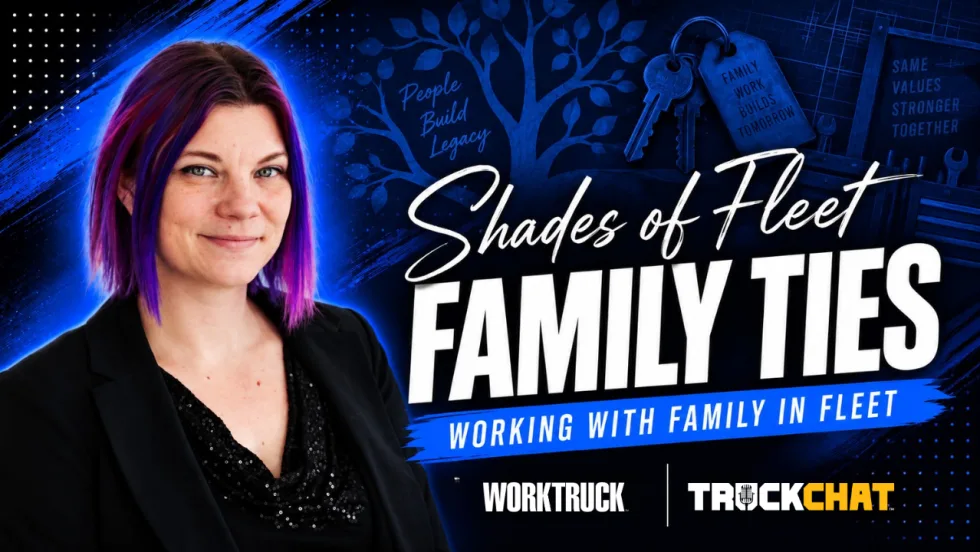
Family Ties Inside the Fleet Families Building Careers Across Generations
Three fleet families share what it really takes to work together, learn across generations, and keep business from following them home.
Read More →
Shades of Fleet Call for Voices: Fleet's Hidden Heroes
Fleet’s hidden heroes are often the ones keeping everything moving behind the scenes. September’s Shades of Fleet is looking for dispatchers, coordinators, parts specialists, and other support pros to share their stories.
Read More →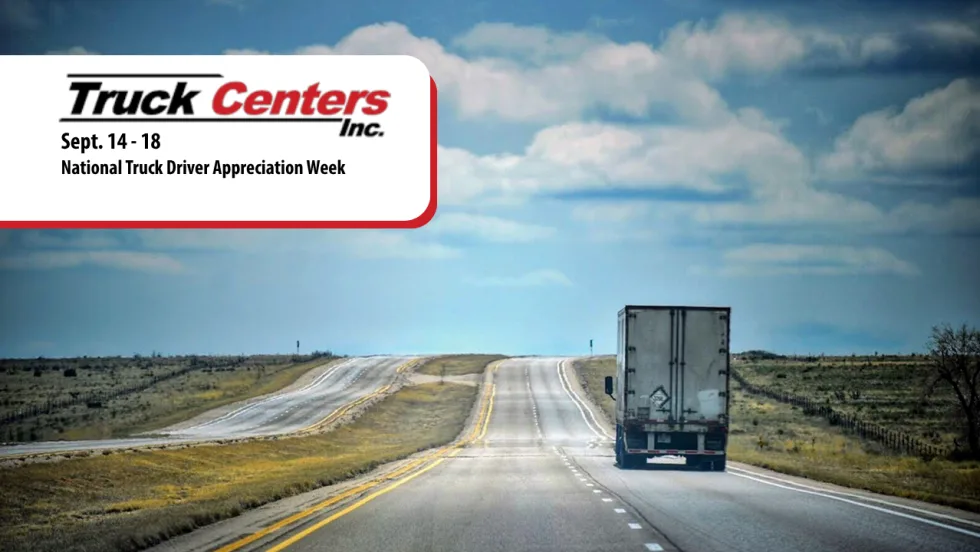
Truck Centers, Inc. Celebrates National Truck Driver Appreciation Week with $1,000 Fuel Card Giveaways
During National Truck Driver Appreciation Week, Truck Centers, Inc. is offering customers a chance to fuel up for free. Customers at all Truck Centers locations can enter to win one of four $1,000 fuel cards from Sept. 14 - 18.
Read More →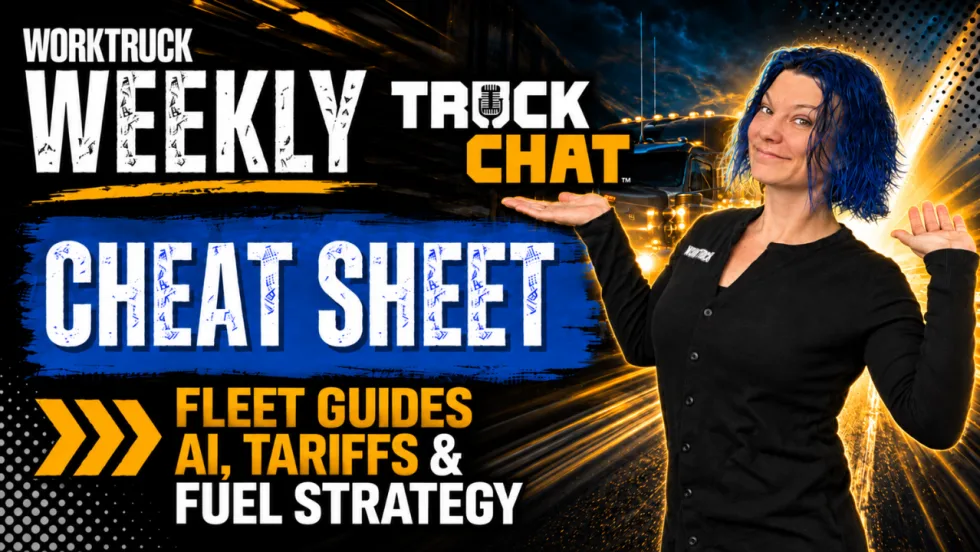
Fleet Guides, AI Time-Savers, Truck Tariffs & Fuel Strategy Lead the News
This week’s Truck Chat Cheat Sheet covers new fleet vehicle guides, practical AI use cases, U.S.-Canada truck production, mixed-energy strategy, and more.
Read More →
What Fleet Employers Are Missing When Hiring Veterans
What if some of the strongest candidates for fleet are already out there, but their experience is written in a language our industry does not always recognize?
Read More →
Automotive Fleet Opens 2026 Personal Use Survey for Commercial Fleet Managers
Less than two weeks left! Commercial and corporate fleet managers are invited to share how their organizations handle company vehicle personal-use policies, charges, and driver eligibility.
Read More →
What Resilient Fleets Do Differently When Conditions Change
Fleet resilience is about more than reacting to disruption. Lauren Fletcher talks with AP Fleet’s Alex Coveney about flexibility, planning, scaling, and what helps fleets adapt when business conditions shift.
Read More →
If We Want the Next Generation in Automotive, We Have to Give Them a Reason to Care
The automotive industry talks constantly about its workforce shortage. But before we can recruit the next generation, we may need to do a better job giving kids a reason to care about automotive in the first place.
Read More →
Ram ProMaster City Under $40K, Truck Tariffs, and AI Maintenance Lead the News
A sub-$40K commercial van, tariff questions, AI-powered maintenance, and a new EV production strategy headline this week’s Truck Chat Cheat Sheet.
Read More →
Bob Adamsky Shares the Fleet Lessons You Usually Learn the Hard Way
After more than 30 years in fleet, Arrow International’s Bob Adamsky has learned that the job is about far more than vehicles. He shares the lessons he wishes every fleet manager could learn a little earlier.
Read More →