


 MENU
MENU SEARCHMENUSEARCH
Loading data...
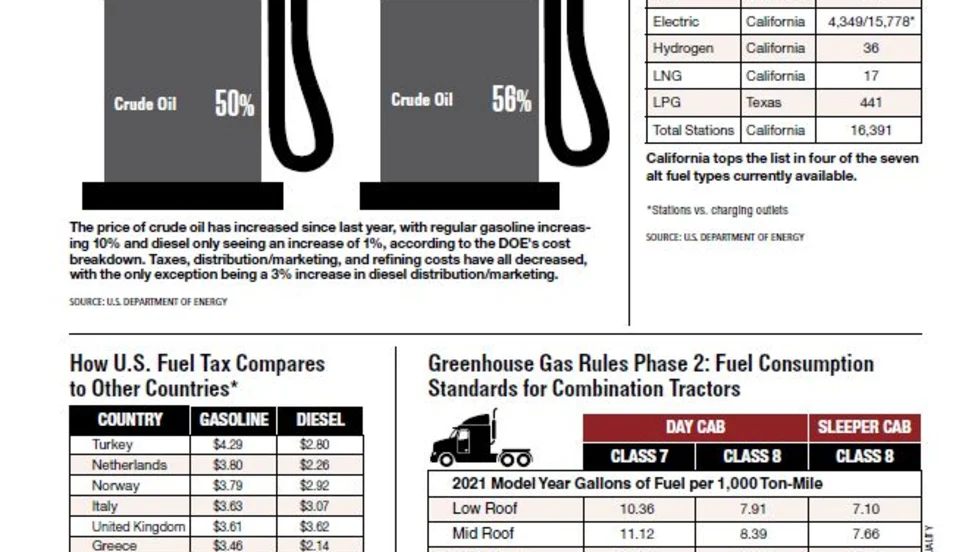
According to the U.S. Department of Energy, only four countries have lower fuel taxes than the United States: Mexico. Russia, Indonesia, and Brazil.
Read More →




Voters in Missouri, Utah, and Washington rejected state ballot measures on Tuesday that would have added new taxes on fuel or energy use by fleet vehicles, while California voters elected to keep increased fuel taxes in place to fund the state's infrastructure.
Read More →FedEx will invest two-thirds of $200 million in increased compensation for hourly team members, due to the recently enacted tax reform signed by President Donald Trump.
Read More →The U.S. Internal Revenue Code, Section 179 (commonly referred to as IRC-179) allows businesses to expense up to $500,000 in the tax year 2017 for certain capital expenditures, including commercial work trucks.
Read More →The Protecting Americans from Tax Hikes Act of 2015 (PATH Act) permanently sets the Section 179 cap at $500,000. Section 179 allows businesses to deduct the cost of certain new and used property, including certain motor vehicles.
Read More →Section 179 allows a taxpayer to deduct the cost of certain types of property on their income taxes. The petition aims to reinstate the Section 179 deduction at $500,000 for 2015. Currently, it has fallen to $25,000.
Read More →The U.S. House of Representatives recently passed a highway and transportation bill that included a provision that would change how certain alternative fuels are taxed in relation to conventional fuels.
Read More →While Capitol Hill may yet again slap an eleventh-hour cold patch on the highway-funding gap, state governments are moving ever more quickly and innovatively to put their infrastructure spending in order.
Read More →Rep. Bill Shuster, chairman of the House Transportation and Infrastructure Committee, said that one of his 2015 priorities will be a highway bill – but he does not expect it to be funded by a fuel tax increase, the AP reported.
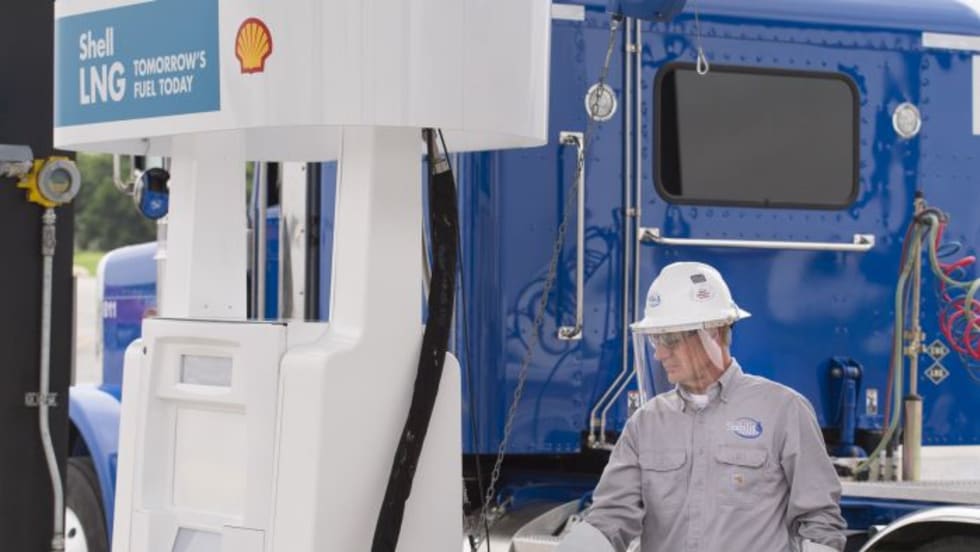
Read More →At the start of 2015, the state will begin taxing compressed natural gas (CNG) and liquified natural gas (LNG) based on a per-pound rather than per-foot rate.
Read More →