




Voters Turn Away Fuel, Energy Taxes in Several States
Voters in Missouri, Utah, and Washington rejected state ballot measures on Tuesday that would have added new taxes on fuel or energy use by fleet vehicles, while California voters elected to keep increased fuel taxes in place to fund the state's infrastructure.

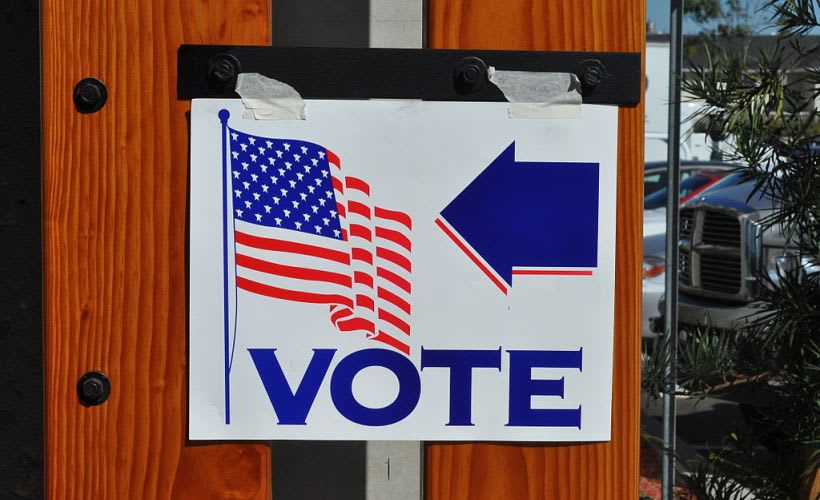
Voters in three states turned away fuel taxes, while California voters decided to keep higher fuel taxes in place for infrastructure funding.
Photo via Tom Arthur/Wikiedia.
Voters in Missouri, Utah, and Washington rejected state ballot measures on Tuesday that would have added new taxes on fuel or energy use by fleet vehicles, while California voters elected to keep increased fuel taxes in place to fund the state's infrastructure.
California voters rejected Proposition 6, which would have repealed a fuel tax increase and vehicle registration taxes that pay for infrastructure project. In November 2017, the state increased the excise tax on gasoline by 12 cents per gallon and 20 cents per gallon for diesel. The sales tax on diesel was increased by another 4%. The state also imposed a vehicle tax of $25 to $175 based on the vehicle's value and a $100 fee on zero-emission vehicles. The measure would also have made it hard to raise these taxes in the future.
Michigan voters approved Proposal 1, which legalizes recreational marijuana and imposes a 10% tax on retail sales. The revenue will be used partly to improve roads in the state.
Missouri voters rejected Proposition D, which would have increased the fuel tax. The initiative would have increased the current 17-cents-per-gallon fuel tax to 19.5 cents on July 1, 2019; 22 cents on July 1, 2020; 24.5 cents on July 1, 2021; and 27 cents on July 1, 2022.
The initiative would have also increased taxes on alternative fuels, such as compressed natural gas, liquid natural gas, and propane autogas. The current tax on these fuels will already increase incrementally from 5 cents to 17 cents per gallon until 2025. This intiative would have further increased the tax to 27 cents in 2026.
In Utah, voters rejected Nonbinding Opinion Question 1 that asked voters if the state should increase motor and special fuel taxes by 10 cents per gallon to generate revenue to improve local roads and public education. The current tax rate for these fuel taxes is 29.4 cents per gallon with an expected increase to 30 cents in 2019.
Washington voters rejected Initiative 1631, which would have imposed a carbon tax on large emitters of greenhouse gases. A $15 per metric ton of carbon emissions would have begun in 2020. It would have increased $2 per metric ton each year adjusted to inflation. The annual increases would have stopped with certain greenhouse gas reduction goals were met.
The initiative could have increased operating costs for larger fleets, including package delivery companies such as UPS and FedEx. In its 2017 fiscal year, FedEx emitted 2.58 million metric tons of carbon-dioxide emissions from its diesel-powered vehicles nationwide.
Originally posted on Automotive Fleet
More Small Fleet

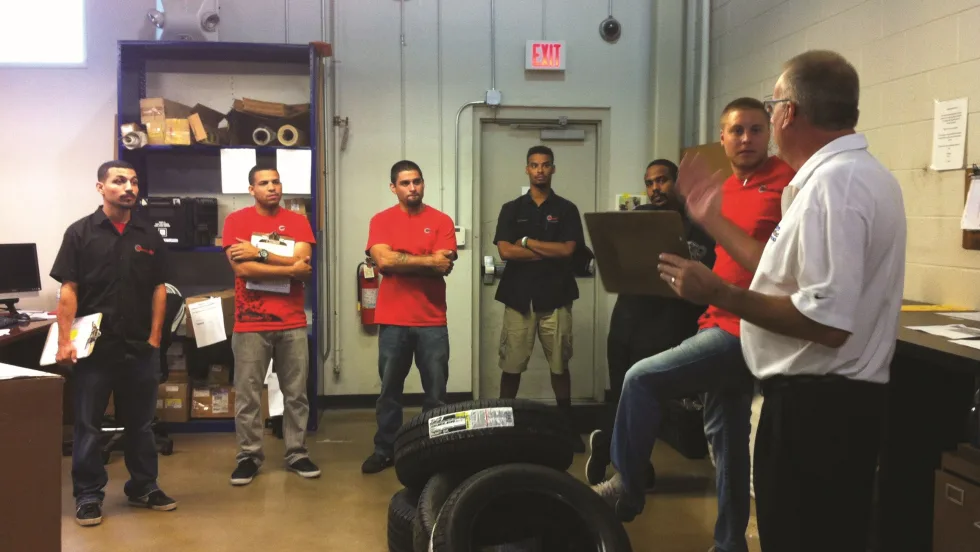
Developing Budget-Friendly Driver Safety Programs
From driver training and safety meetings to one-on-one coaching and incentive programs, several small fleets share how they have developed a safety culture with their drivers using low- to no-cost resources.
Read More →
Boosting Last-Mile Fleet Uptime, Safety, and Value with AI Vehicle Inspections
AI-powered inspections are transforming last-mile fleets by replacing manual checks with highly accurate automated scans that detect defects in seconds. By giving fleet operations visibility into the daily condition of their vehicles, you can identify trends over the vehicle’s lifecycle that enable improved procurement decisions, route management, driver training and accountability.
Read More →
Five Ways Seat Belts Help Prevent Injuries
There are five ways seat belts protect occupants from injuries, according to the Tennessee Department of Safety and Homeland Security.
Read More →
It’s here: The 2026 Fleet Technology Trends Report
What does AI mean for fleets? Get the answer — and learn other top tech trends.
Read More →
Small Fleets, Big Impact: How Independent Drivers Power Wreaths Across America
Check out how small fleets and independent drivers power Wreaths Across America each December and why their impact matters more than ever.
Read More →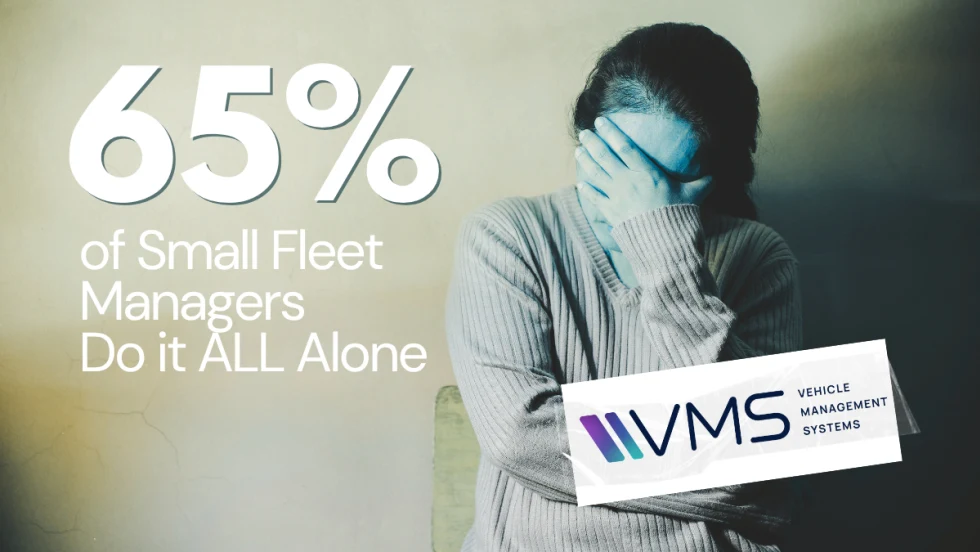
VMS Survey Finds 65% of Small Fleet Managers Run Operations Alone
A new VMS survey shows small fleet managers are stretched thin, with most handling operations solo and eager to adopt digital tools for relief.
Read More →
Tips for Driving Safely on Halloween Night
This video features a reminder from the Connecticut Department of Transportation (DOT) and the Connecticut Police Chiefs Association, urging drivers to prioritize safety this Halloween.
Read More →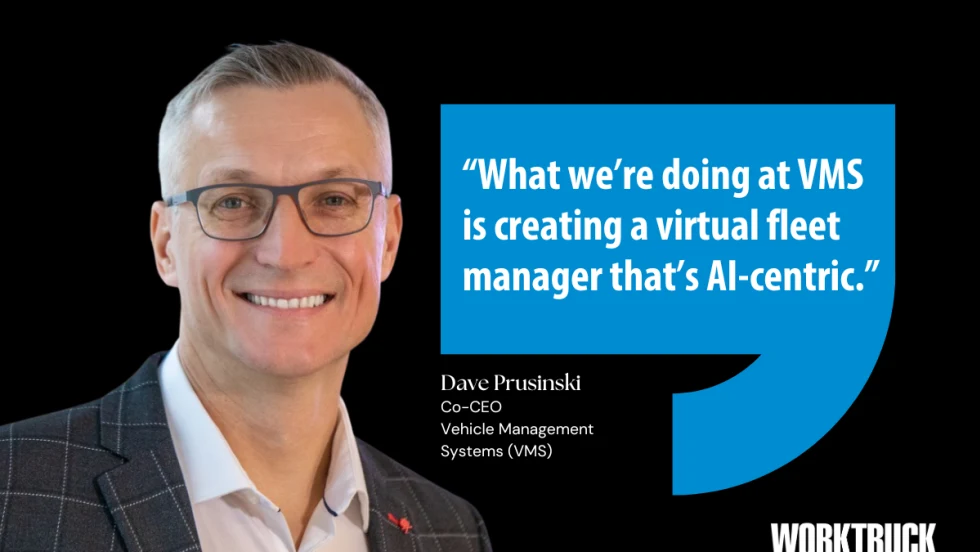
AI, Access, and Uptime: VMS’s Next Chapter with David Prusinski
VMS’s new Co-CEO, David Prusinski, shares how an AI-first approach will give small fleets and repair shops the tools to compete like big players.
Read More →
Fleet Managers Share Winter Prep Tips: It's Never Too Early!
Three fleets share best practices to prep vehicles for winter and prevent downtime when the cold sets in.
Read More →