





Vehicles Moving Fleets: 2023 Ram ProMaster [Video]
Safely Aware: Emergency Alerts Growing in Awareness
With the addition of HELP, disabled vehicles will be able to share critical safety messages with all vehicles that connect to the Safety Cloud platform.
June 2, 2023
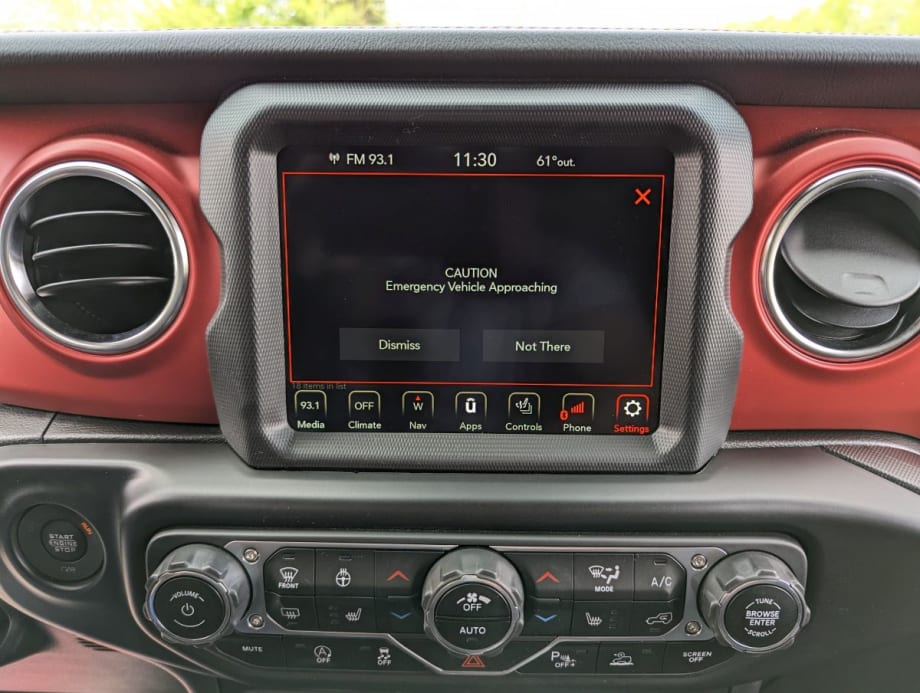
Stellantis’ Emergency Vehicle Alert System (EVAS) uses Uconnect connected-vehicle platform system to alert drivers when emergency vehicles and other roadway hazards are nearby.
Photo: Stellantis
4 min to read
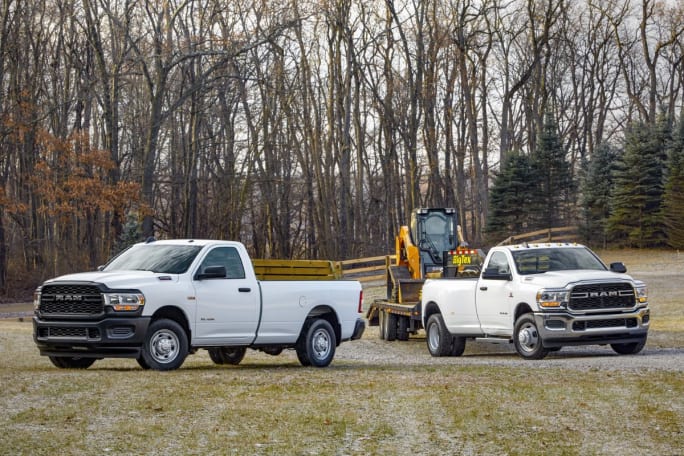
EVAS is a standard feature of Uconnect and already active on 1.8 million Chrysler, Dodge, Ram and Jeep brand vehicles from the 2018 model year and newer in the United States and Canada.
Photo: Stellantis
More than 1.8 million Chrysler, Dodge, Ram, and Jeep brand vehicles on the road in the United States and Canada give drivers an in-vehicle notification of an active fire truck, ambulance, or other nearby roadway hazards with the Emergency Vehicle Alert System (EVAS) feature of the Uconnect connected-vehicle platform.
This feature comes as a standard with Uconnect's connected-vehicle platform and is available in vehicles from the 2018 model-year and newer.
While this breakgthrough technology has been in place for some time connecting vehicles to emergency vehicle alerts, the next step is working to alert drivers of disabled passenger and commercial vehicles nearby.
Equipping Fleet Drivers with Safety Alerts
A standard feature of Uconnect that keeps drivers of 2018 model-year and newer vehicles safely aware of the environment around them, EVAS is an innovation that emerged from the Stellantis Star*Up program that nurtures and rewards employee innovation.
“The widespread deployment of EVAS in North America demonstrates how Stellantis is harnessing the power of V2X connectivity and in-vehicle technology to make mobility safer for our customers,” said Yves Bonnefont, Stellantis chief software officer. “Care for our customers that is second to none in every market where we sell is the foundation of our transformation to a mobility tech company. We’re proud to be the first global automaker to make V2X digital alerting a standard safety feature for our connected customers, and we are continuously looking to expand its capabilities.”
EVAS alerts come from HAAS Alert’s Safety Cloud platform, a vehicle-to-everything (V2X) and digital alerting solution used by thousands of public and private roadway fleets in North America. In addition to emergency vehicles, Safety Cloud receives and delivers notifications from tow trucks, disabled vehicles, work zones and arrow boards, highway gates, and other connected assets and equipment on the road.
Building on the EVAS foundation, Stellantis is now evaluating a next step in V2X active driver safety notifications with Hazard Enhanced Location Protocol (HELP), working with Emergency Safety Solutions Inc.
How Does HELP Work for Emergency Alerts?
HELP delivers warnings to drivers approaching a disabled vehicle. Disabled vehicles stopped on the shoulder or roadway pose a significant danger to other drivers, particularly at night or when weather conditions reduce visibility – a situation that in the United States contributes to a crash an average of every seven minutes and kills or injures more than 40 people per day, according to research published in Accident Analysis and Prevention, a peer-reviewed public health journal.
When activated in a disabled vehicle, HELP sends a notice of the vehicle and its exact location to HAAS Alert’s Safety Cloud, which transmits a notification to approaching vehicles with Uconnect (or drivers using other mobile and in-dash systems connected to Safety Cloud.) This gives drivers 15-20 seconds of advance warning, which is roughly a quarter mile/0.5 kilometers at highway speeds.
With HELP, disabled vehicles will be able to share critical safety messages with all vehicles that connect to the Safety Cloud platform, unlocking a critical new capability in vehicle-to-vehicle technology and helping to improve road safety for all drivers.
HELP can be activated manually by the driver when the vehicle is stationary or automatically in safety-critical situations, such as collisions or tire blowouts.
A potential enhancement for HELP-equipped vehicles with LED lighting is the addition of HELP Lighting Alerts, which flash the hazard warning lights and other exterior lamps at a scientifically tuned rate and pattern to better grab the visual attention of oncoming drivers.
EVAS alerts, SOS calls, and vehicle health reports via the Uconnect app form the foundation employing data from the vehicle to help Stellantis customers. Owners get enhanced value with activated SiriusXM Guardian subscription features that include:
Stolen vehicle tracking.
Virtual driver assistance.
Cellular-based remote start.
“Technology we offer today helps set the stage for future vehicle innovations,” said Mamatha Chamarthi, Stellantis head of global software business management. “It begins with the foundation that safety should come standard. It grows from there to offer owners convenience features on demand when they connect, enroll and subscribe. These software capabilities result in an enhanced and highly valued customer experience with our iconic brands.”
Developing advanced technology that enhances vehicle safety and keeps drivers informed, including using V2X solutions and connected vehicle systems, is a key element of Stellantis’ commitment in the Dare Forward 2030 strategic plan to offer cutting-edge mobility in an aim to become No. 1 in customer satisfaction for products and services in every market with Stellantis operations.
Stellantis is developing STLA Brain, STLA SmartCockpit and STLA AutoDrive, three all-new technology platforms that will be deployed at scale across the four BEV-centric STLA vehicle platforms starting in 2024. The Stellantis software strategy targets generating about €20 billion in incremental annual revenues by the end of the decade, backed by a more than €30 billion planned investment in electrification and software through 2025.
More Safety & Compliance
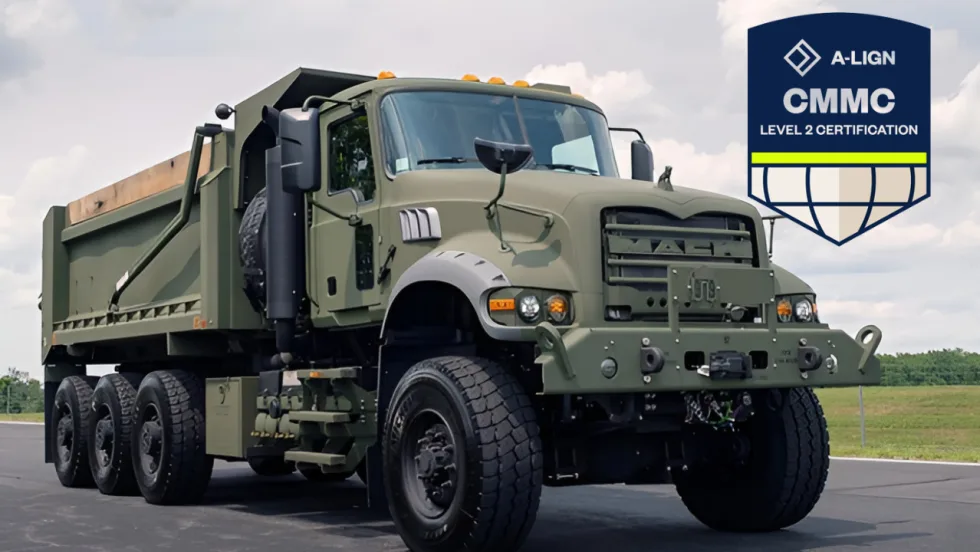
Mack Defense Achieves Cybersecurity Maturity Model Certification Level 2
After an assessment conducted by an authorized Certified Third-Party Assessment Organization (C3PAO), Mack Defense has achieved Cybersecurity Maturity Model Certification (CMMC) Level 2.
Read More →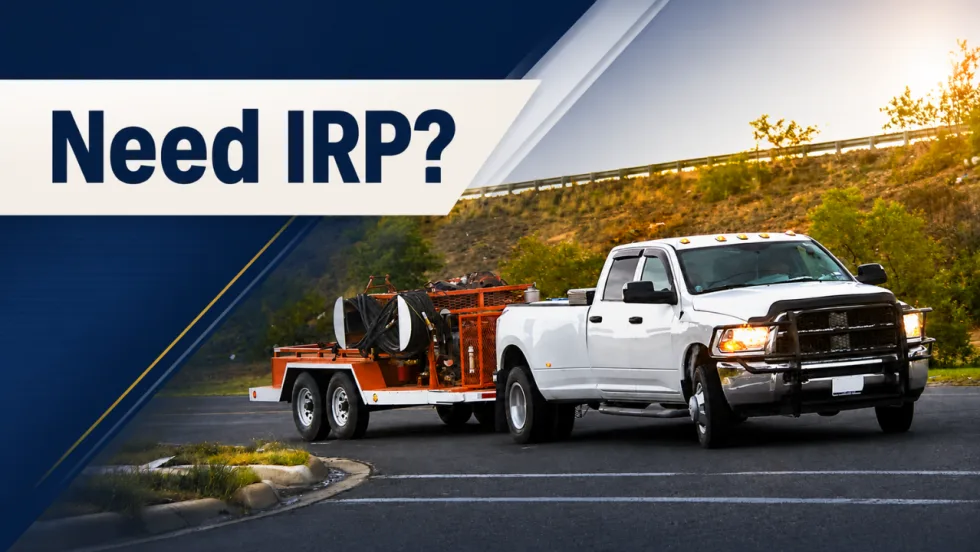
When Work Trucks Under 26,001 Pounds Need IRP Registration
Think trucks under 26,001 pounds are automatically in the clear when it comes to IRP? Not always. Learn where lighter vehicles can still run into trip permit, apportioned registration, and IFTA compliance requirements when crossing state or provincial lines.
Read More →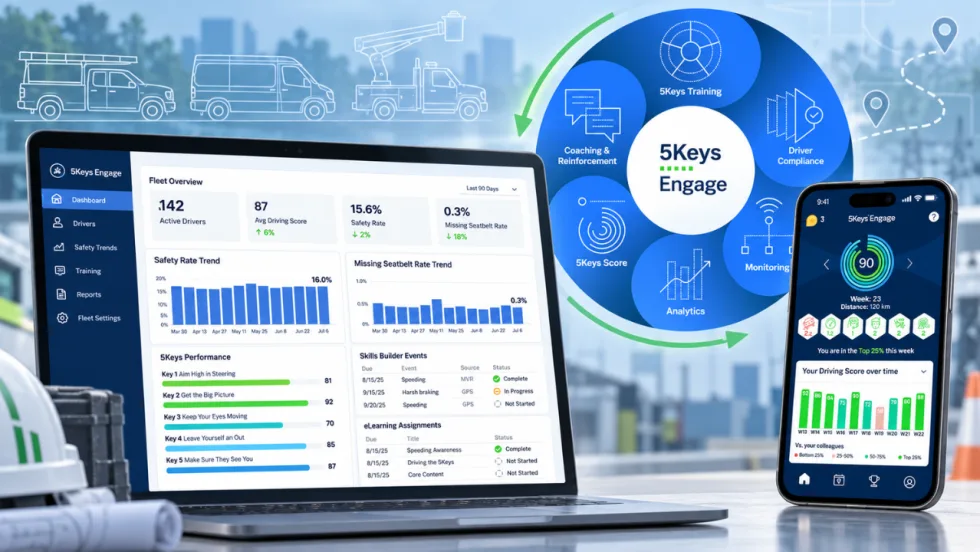
Smith System Wants Work Truck Fleets to Look Beyond the Driver Alert
Smith System’s new Driver Risk Management program is built to help mixed work truck fleets turn telematics alerts and observations into specific behaviors, coaching actions, and measurable follow-up.
Read More →From Our Partners


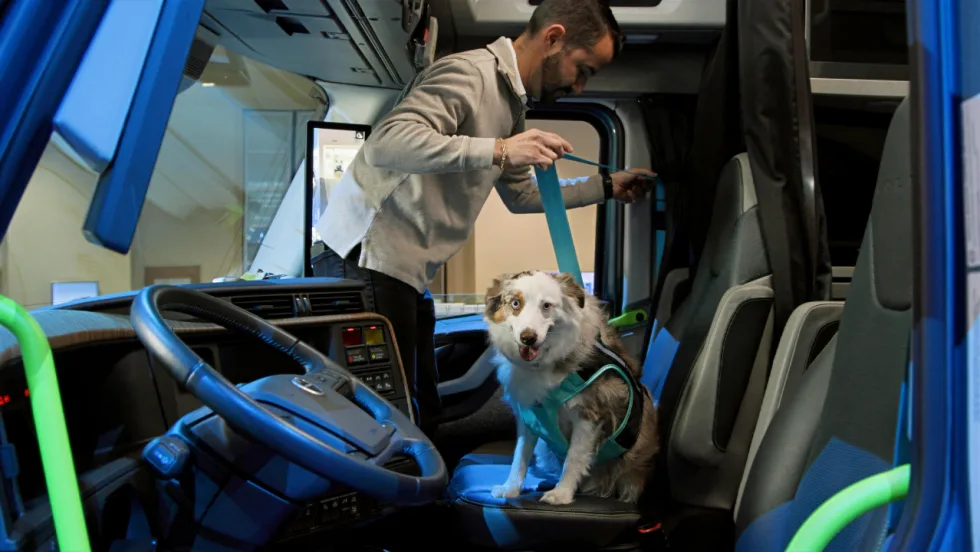
Volvo Trucks Releases New Safety Recommendations for Traveling with Pets
One of the most important recommendations for professional drivers traveling with pets is to ensure pets are properly restrained while the truck is moving. Other tips are available in the new guide from Volvo Trucks North America and Center for Pet Safety.
Read More →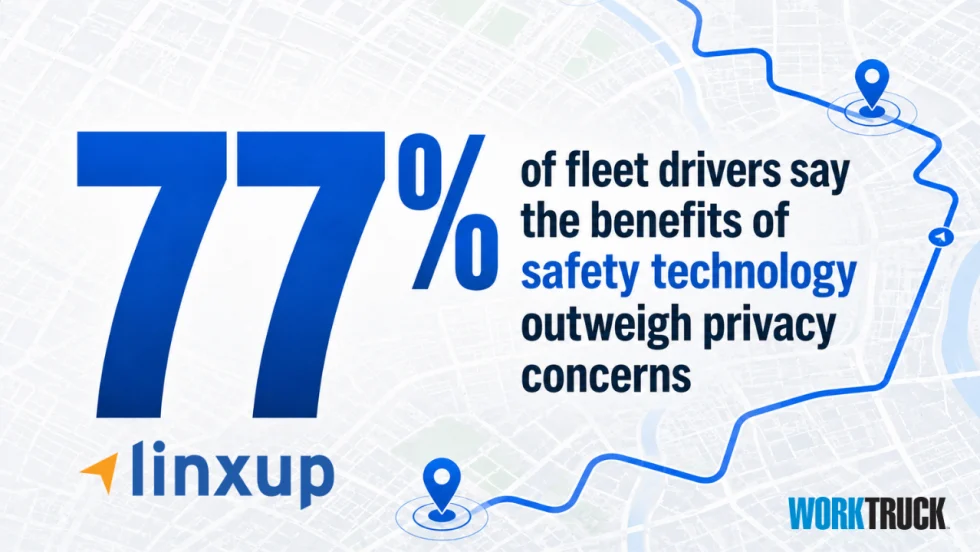
Are Work Truck Drivers Warming Up to Dash Cams and GPS Tracking?
A new survey finds field-service drivers may be more comfortable with dash cams and GPS tracking than fleet managers think, especially when the technology helps protect them after a crash.
Read More →
Recalls You Need to Know About in August 2026
If you have Altec, Chrysler, Ford, Heil, General Motors, International, Mack Trucks, Paccar, Rivian, Royal Truck, Toyota, US Truck Body, or Volvo Trucks vehicles in your fleet, you should check these important recalls issued by the National Highway Safety Administration.
Read More →
API Issues Refueling Safety Guidelines
The American Petroleum Institute offers a list of safe vehicle refueling guidelines, including ways to avoid potential problems with static electricity discharges in fall, winter, and early spring.
Read More →
Winter Fleet Prep: Expert Tips to Keep Vehicles Running Smoothly
Cold weather can expose weak batteries, tires, fuel systems, and maintenance gaps fast. Use this winter fleet checklist to prepare trucks and drivers before temperatures drop.
Read More →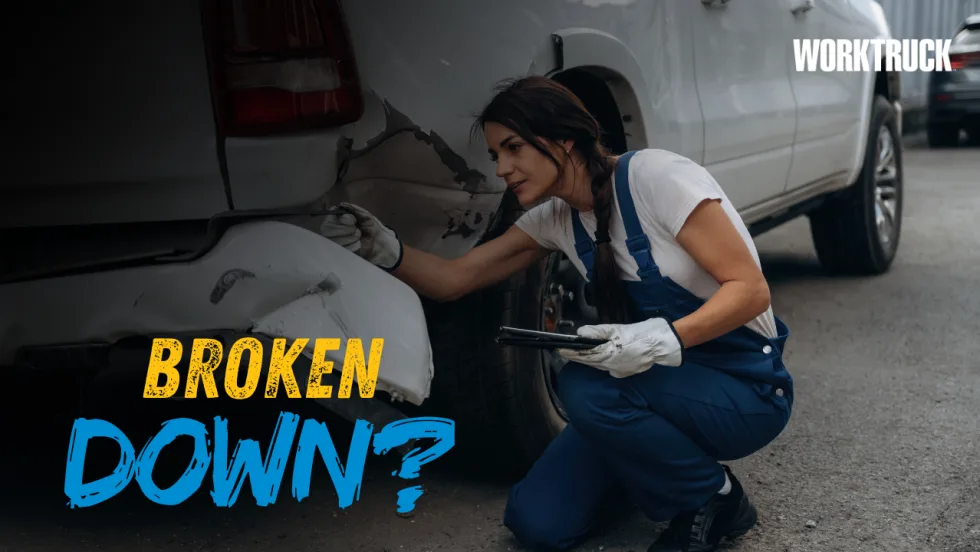
When a Work Truck Breaks Down, the Job Can Stop, Too
A work truck breakdown can stop more than the vehicle. Discover how payloads, jobsites, and specialty equipment change the roadside response.
Read More →
What Stronger Long-Term Fleet Service Partnerships Actually Require
Fleet service partnerships rarely fall apart all at once. Learn the three warning signs that trust is eroding and what fleets and providers can do before downtime, frustration, and lost revenue follow.
Read More →