




Record 51M Vehicles Recalled in 2015
Nearly 900 vehicle recalls were filed with the National Highway Traffic Safety Administration in 2015, a new record involving more than 51 million vehicles — another record, the federal agency reported.
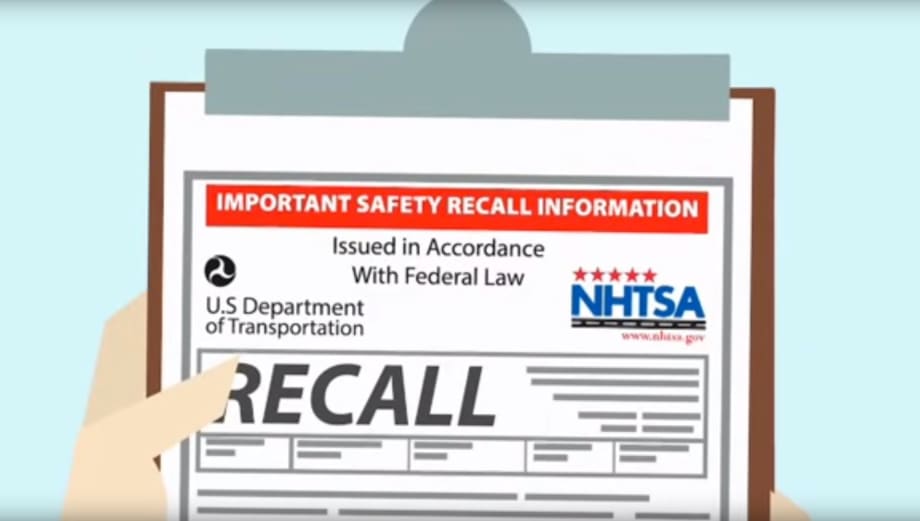
Screen shot courtesy of NHTSA via YouTube.
Screen shot courtesy of NHTSA via YouTube.
Nearly 900 vehicle recalls were filed with the National Highway Traffic Safety Administration in 2015, a new record involving more than 51 million vehicles — another record, the federal agency reported.
"That is slightly above 2014's record, which after adjustments stands at just below 51 million," said NHTSA Administrator Mark Rosekind during a speech at the Washington Auto Show.
In 2014, there were 803 recalls filed. NHTSA initially believed those recalls covered nearly 64 million vehicles. But the agency made corrective adjustments after discovering that many vehicles involved in the Takata air bag recalls had been counted more than once. Also, some Takata recalls have been moved from the 2014 total to the 2015 total.
Just because a vehicle is recalled doesn’t mean it’s quickly fixed. Sometimes the needed volume of replacement parts isn't readily available, as was the case with many of the Takata air bag recalls. And sometimes automakers struggle to locate all current vehicle owners to notify — especially when recalls involve early-model vehicles. Too often, though, a vehicle owner learns of the recall but procrastinates making the dealer appointment for the repair and eventually forgets about the problem.
Every year an average of 25% of recalled vehicles are left unrepaired, according to NHTSA.
Last week, 18 automakers and the U.S. Department of Transportation reached an agreement to work more closely together to identify manufacturing defects earlier and improve the overall safety recall process.
One of the agreement’s provisions is to develop ways to increase recall participation rates among vehicle owners. To that end, NHTSA, which is part of the Department of Transportation, has launched "Safe Cars Save Lives," a new advertising campaign.
“Safe Cars Save Lives is a critical effort for building public awareness of recalls and is the first national campaign aimed at empowering vehicle owners,” said Rosekind. “Millions of vehicles are recalled every year. Old, new, used or leased — one of those recalled vehicles could be yours.”
NHTSA is urging vehicle owners to get into the habit of checking their vehicle identification numbers (VINs) using NHTSA’s free VIN look up tool.
Originally posted on Automotive Fleet
More Safety & Compliance
Fleetworthy Expands Expedited Inspection to 5 States
Following its industry-first launch in Nevada, Fleetworthy’s automated inspection technology is now live in California, Michigan, Vermont, and Maine.
Read More →
Crossing State Lines in a Light-Duty Work Truck? Check These Rules First
Crossing state lines in a lighter work truck? J.J. Keller's Kathy Close explains when IRP registration, trip permits, and towing rules come into play.
Read More →
GeoFencing Adds to Your Truck Security Arsenal
Geofencing is a familiar fleet tool today, but its early adoption marked a major shift in vehicle tracking, route monitoring, and the debate over employee privacy.
Read More →From Our Partners

Recalls You Need to Know About in October 2026
In October 2026, what recalls might impact your fleet? Work Truck has the answers in this comprehensive overview of recent NHTSA recalls.
Read More →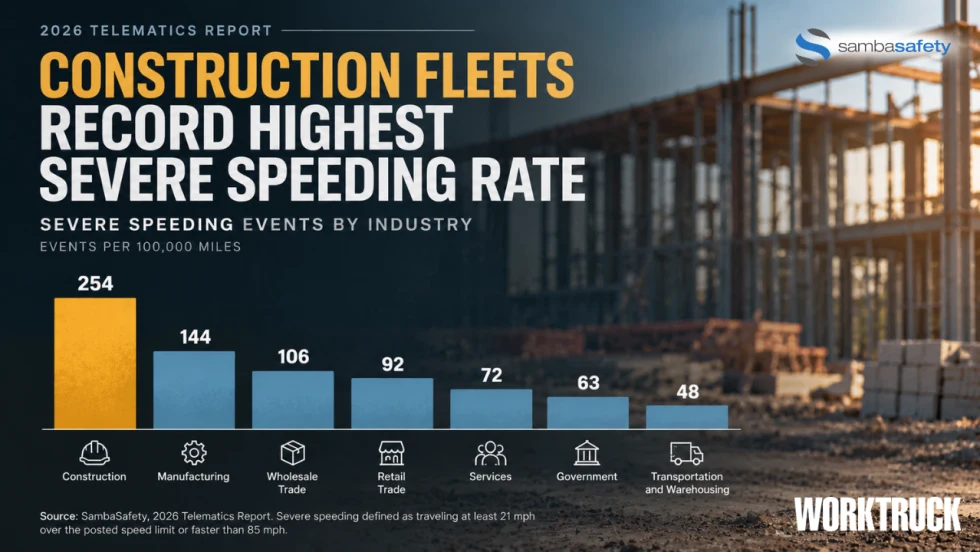
Construction Fleets Show Telematics Adoption Alone May Not Reduce Driving Risk
SambaSafety found construction fleets monitor roughly 92% of their vehicles but recorded the highest severe speeding rate among industries studied.
Read More →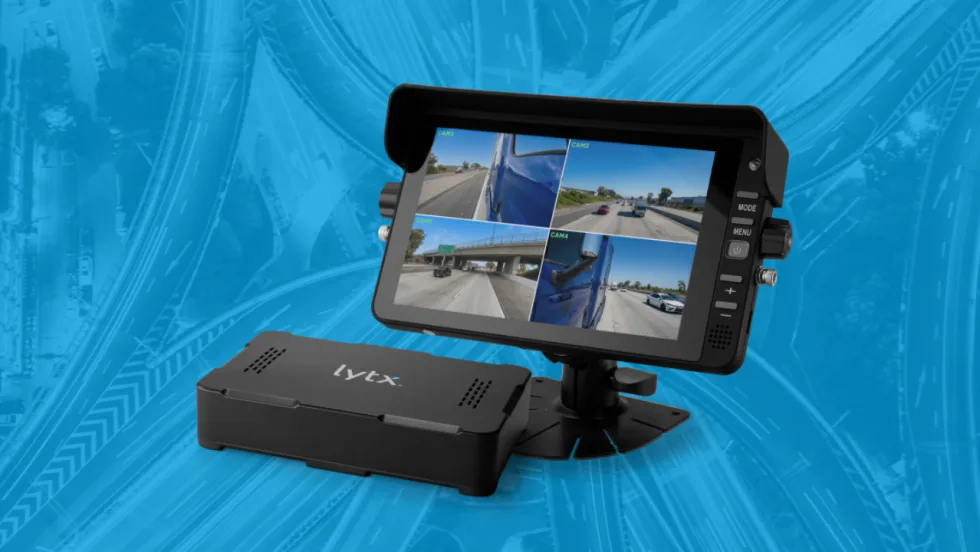
Lytx Launches 360 Hub Kit for Expanded Fleet Camera Visibility
Lytx’s new AI-ready gateway and HD auxiliary camera ecosystem, the Lytx 360 Hub Kit, extends visibility across side, rear, cargo, and blind-zone views to help fleets see more and respond faster.
Read More →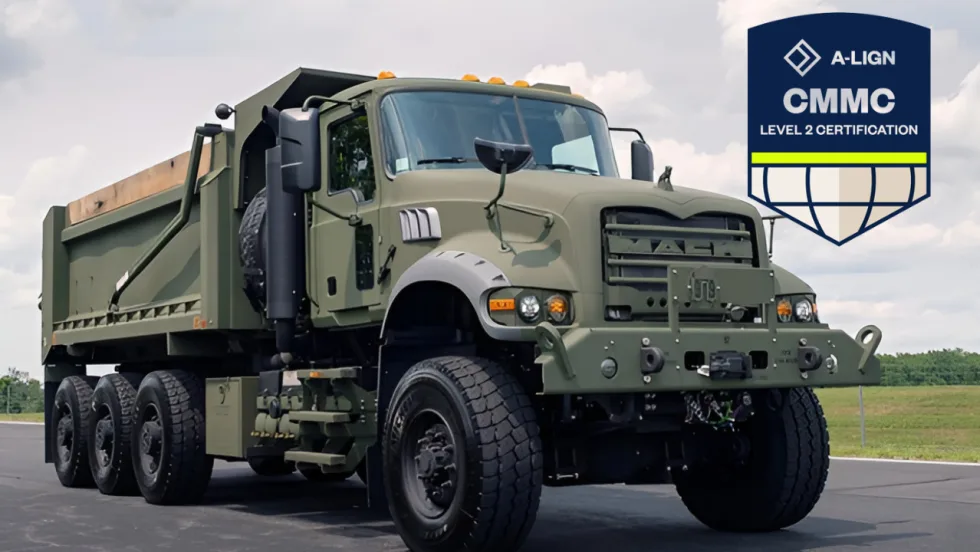
Mack Defense Achieves Cybersecurity Maturity Model Certification Level 2
After an assessment conducted by an authorized Certified Third-Party Assessment Organization (C3PAO), Mack Defense has achieved Cybersecurity Maturity Model Certification (CMMC) Level 2.
Read More →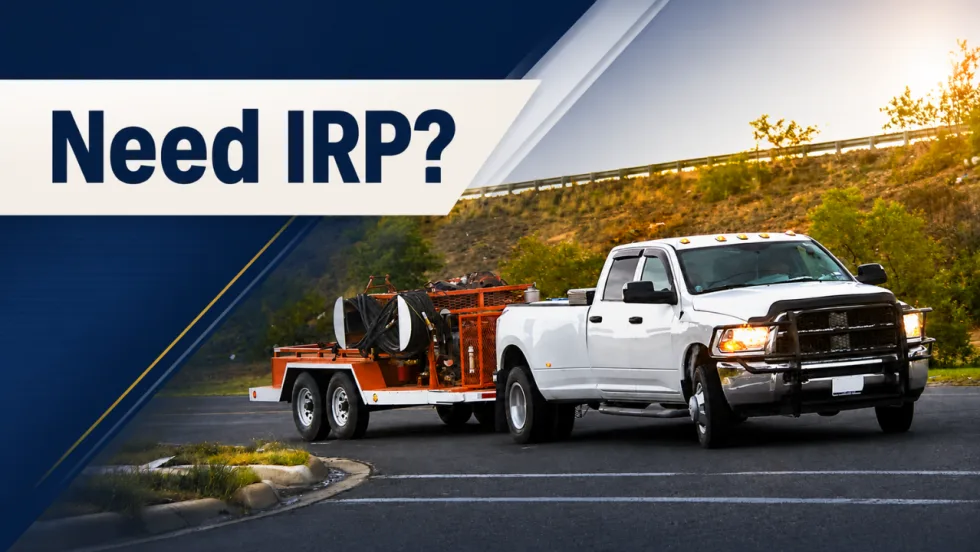
When Work Trucks Under 26,001 Pounds Need IRP Registration
Think trucks under 26,001 pounds are automatically in the clear when it comes to IRP? Not always. Learn where lighter vehicles can still run into trip permit, apportioned registration, and IFTA compliance requirements when crossing state or provincial lines.
Read More →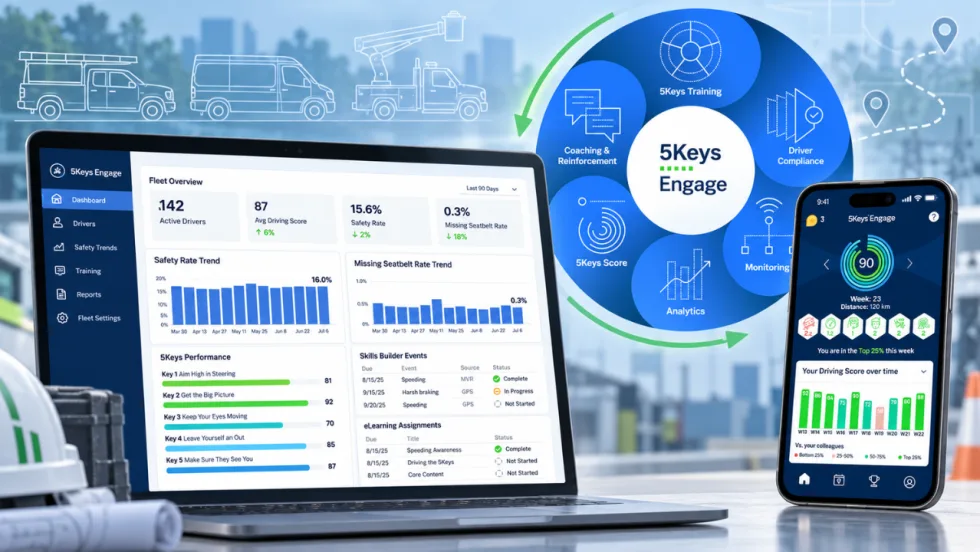
Smith System Wants Work Truck Fleets to Look Beyond the Driver Alert
Smith System’s new Driver Risk Management program is built to help mixed work truck fleets turn telematics alerts and observations into specific behaviors, coaching actions, and measurable follow-up.
Read More →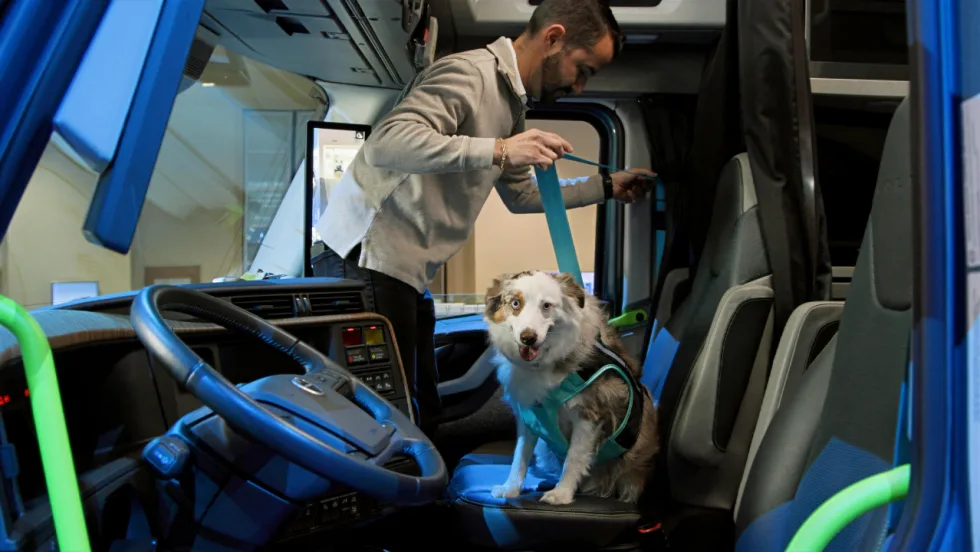
Volvo Trucks Releases New Safety Recommendations for Traveling with Pets
One of the most important recommendations for professional drivers traveling with pets is to ensure pets are properly restrained while the truck is moving. Other tips are available in the new guide from Volvo Trucks North America and Center for Pet Safety.
Read More →