




Peterbilt Expands BEV Portfolio with All-New Medium Duty Models
With the addition of Models 536EV, 537EV, and 548EV, Peterbilt has broadened its medium-duty battery-electric truck lineup.

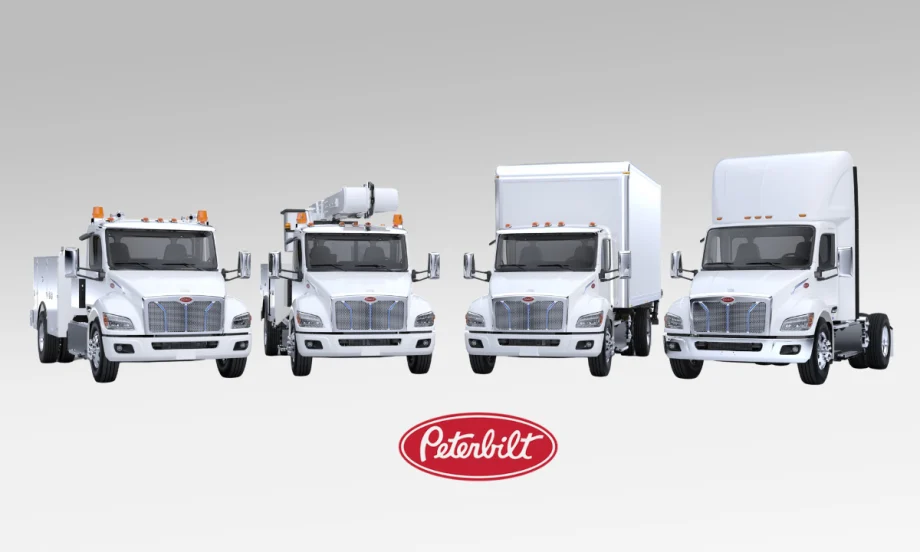
Peterbilt has added Models 536EV, 537EV, and 548EV to its battery-electric lineup.
Photo: Peterbilt
Peterbilt has expanded its electric vehicle (EV) lineup with all-new medium-duty models, including Models 536EV, 537EV, and 548EV, broadening its zero-emissions application coverage and further addressing customer needs.
The new EVs are built on proven platforms, have zero tailpipe emissions, and are supported by the latest safety technologies.
“Optimized for the demands of the medium-duty segment, the next generation of Peterbilt electric vehicles deliver excellent efficiency, rapid charging, and versatile configurations elevating customer productivity across a wide range of applications,” said Erik Johnson, Peterbilt assistant general manager, sales and marketing.
The all-new Models 536EV and 537EV are engineered for regional delivery as well as service and utility trucks, while the new Class 8 Model 548EV supports 4x2 tractors and vocational configurations with PTOs, such as dump trucks.
They feature a distinctive exterior look with a blue-accented crown and grille, as well as EV-exclusive panels on the hood sides. The interior design features laser-etched trim panels on the EV-exclusive Magneto Gray interior.
Enhanced performance features include:
Two distinct battery capacity options with a maximum range of 280 miles
Rapid 350kW DC charging enables 80% charge in just over 80 minutes
Furnished-by-owner ePTO options rated at 25kW (two-battery option) or 150kW (three-battery option)
Standard Bendix Fusion Stop & Auto-Go Advanced with pedestrian detection and high beam assist
Configurable PTO controls and switches
Industry standard body lighting connections
Customizable frame layout options
Best-in-class ergonomics, LED lighting, and driver comfort
Purposeful Design
The Peterbilt design approach centers on innovation with purpose. These next-evolution medium-duty EVs include advanced features and technologies:
Paccar ePowertrain
EV-specific 15-inch digital driver display with key performance and charging data
SmartLINQ integration indicating energy usage, location, and range
Configurable powertrain and cabin preconditioning
Configurable charge start times to take advantage of lower electricity rates
Electronic Park Brake (EPB) system with rollaway mitigation
Paccar ePowertrain
Central to the new medium-duty electric vehicle lineup is the Paccar ePowertrain, which is also leveraged in the 579EV and 567EV. This advanced electric vehicle architecture can be adapted to a variety of models and applications.
Key features include:
Midship-mounted eMotor with dual electric motors and integrated three-speed transmission to deliver seamless shifting with no torque interruption
Multiple power options optimize different applications and performance needs up to 605 horsepower and 1,850 lb.-ft. of torque
Proven and reliable lithium iron phosphate battery (LFP) chemistry
Selectable three-stage regenerative braking
Flexible architecture allowing for integration with existing suspensions
Supports 4x2 and 6x4 configurations and any wheelbase of 163 inches or longer, as well as applications up to 82,000 pounds gross combined weight
Charging Infrastructure & BEV Deployment
In addition to its full lineup of electric vehicles, Peterbilt is an EV deployment partner and has partnerships in place with industry-leading providers of charging infrastructure services.
Key offerings include:
A complete lineup of chargers available at Peterbilt dealers through Paccar Parts; options include both AC and DC chargers with up to 400kW capacity
Charging infrastructure planning and installation services through QMerit and Schneider Electric
“The all-new Models 536EV, 537EV, and 548EV offer zero-emissions technology to support ease and adaptability for customers focused on cleaner operations and leveraging the versatility, efficiency, and comfort Peterbilt offers,” Johnson added.
More Green Fleet

Fleet Forward Conference Introduces One-Day Passes for 2026
New one-day registration gives fleet professionals the flexibility to attend Tuesday, Wednesday, or Thursday, with passes available for $199 through Sept. 18.
Read More →
CALSTART Rebrands as Catalyst Mobility, Will Combine with Forth in 2027
CALSTART has rebranded as Catalyst Mobility and will combine with Forth at the start of 2027. The new organization said it is poised to become one of the world's largest, strongest, and most impactful clean transportation nonprofits.
Read More →
Electric Truck and Charging Programs to Boost Sustainability at NY & NJ Ports
Together, the Port Authority of New York and New Jersey and CALSTART will electrify drayage and terminal operations serving the East Coast’s busiest container port. A pair of incentive programs totaling $45 million has launched to accelerate adoption of zero-emission drayage trucks and terminal tractors.
Read More →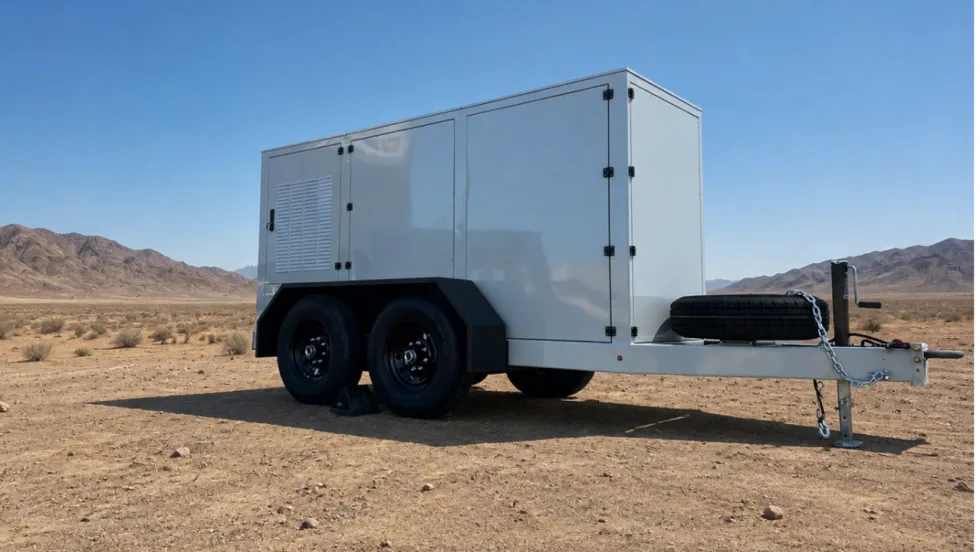
Xos Hub Surpasses One Gigawatt-Hour of Energy Delivered in the Field
A single Xos Hub has surpassed one gigawatt-hour of energy across more than 33,600 charging sessions in the field, demonstrating performance that supports Xos' expansion across new products and markets.
Read More →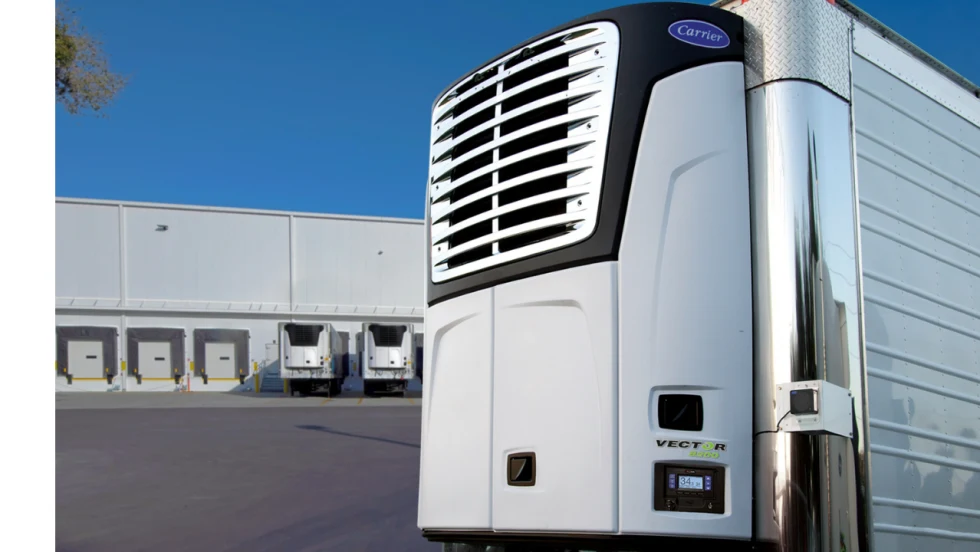
Carrier Transicold Launches All-Electric Vector 8200 TRU for Diesel-Free On-Site Cold Storage
Carrier Transicold’s first engineless multi-temperature TRU helps fresh- and frozen-food fleets add supplemental cold storage capacity during seasonal peaks.
Read More →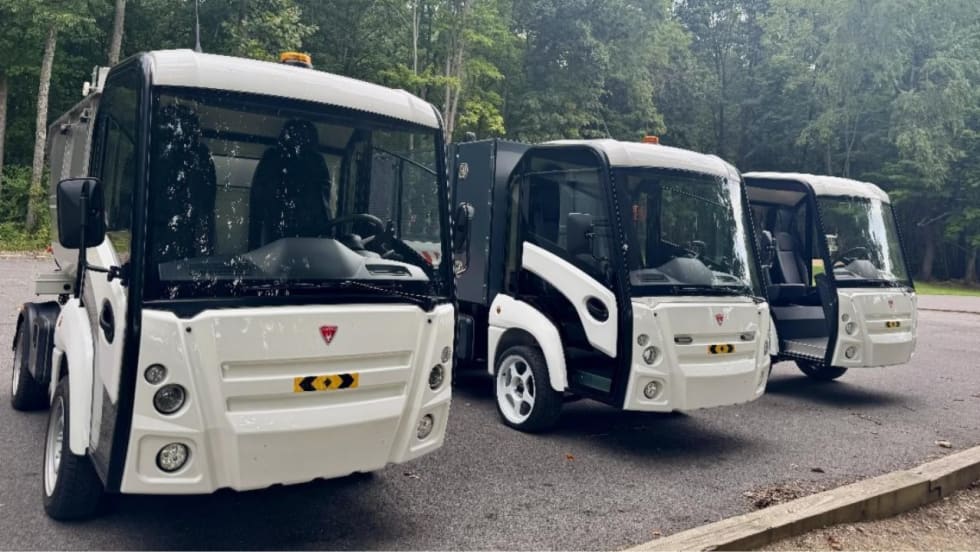
Narro Trucks Introduces Electric Utility Vehicle
Narro Trucks officially launched its operations on Aug. 20 and hosted a ride and drive to showcase its electric truck, which will be produced in Virginia.
Read More →
Samsung SDI Takes Full Control of GM Battery JV as Indiana Plant Pivots to Energy Storage
Samsung SDI is taking full control of its Indiana battery plant with GM, marking a major shift from the EV-focused joint venture Charged Fleet first covered in 2023.
Read More →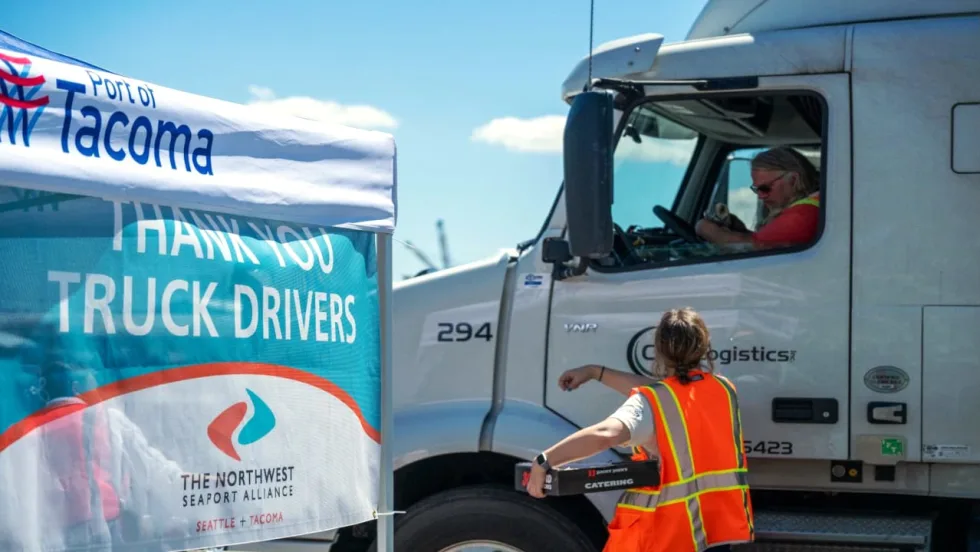
NWSA Taps CALSTART to Administer Zero-Emission Drayage Assistance Program
CALSTART will provide free technical assistance services to drayage fleets serving the Ports of Seattle and Tacoma and looking to transition to cleaner technologies and help decarbonize freight hubs.
Read More →
EV Fleet Reality Check: What Operators Wish They Knew Before Electrifying Their Work Vans
Electric work truck upfits bring new compatibility questions. Learn how parts availability, OEM guidance, power demands, and route planning can affect fleet performance.
Read More →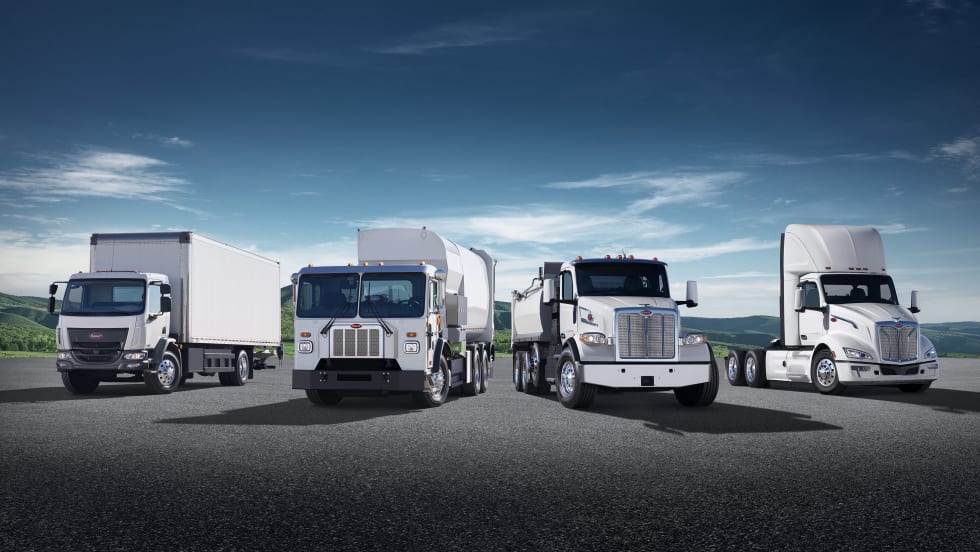
Peterbilt Expands Sourcewell Partnership with Electric Vehicle Lineup
Peterbilt Motors Company’s cooperative purchasing agreement with Sourcewell and its Canadian partner, Canoe Procurement Group, now includes including Peterbilt's battery-electric vehicle lineup.
Read More →