





More Fuel for the Brain: Why These Fleets Use Renewable Diesel Fuel
Optimus Technologies Secures California Executive Orders
To Optimus’ knowledge, both executive orders are the first of their kind to be issued by CARB.
July 20, 2022

The Vector System is designed for medium and heavy-duty fleet applications to enable decarbonization of the transportation sector.
Photo: Optimus Technolgoies
2 min to read
Optimus Technologies, Inc. manufactures the Vector System, an advanced fuel system technology that enables diesel engines to operate on 100% biodiesel (B100).
The Vector System is designed for medium and heavy-duty fleet applications to enable decarbonization of the transportation sector.
The California Air Resources Board (CARB) Emissions Certification and Compliance Division issued Executive Order (EO) D-864. Having determined that Optimus’ Vector System does not reduce the effectiveness of the applicable vehicle pollution control system, EO D-864 provides an exemption for the use of the Vector System in the State of California in model years 2010-2019 on-road diesel engines ranging in size from 6.7 liters to 16.0 liters.
CARB’s Oil and Gas and GHG Mitigation Branch previously issued to Optimus EO G-714-ADF-ST1-01, which authorizes an Alternative Diesel Fuel Stage 1 Pilot Program to use the Vector System with 100% biodiesel fuel upon receipt of an EO from the Emissions Certification and Compliance Division. With receipt of both EO D-864 and EO G-714-ADF-ST1-0, Optimus is now authorized to begin its Stage 1 Pilot Program for the Vector System in California.
To Optimus’ knowledge, both executive orders are the first of their kind to be issued by CARB.
"At Optimus Technologies, we know that the drive to carbon neutrality will take multiple technologies and recognize that electrification has made great progress in light-duty vehicles," said Colin Huwyler, founder/CEO of Optimus Technologies. "The reality though is that electric vehicles just aren’t well suited for the demanding requirements of heavy-duty applications like long-haul shipping, refuse collection, snow removal and many others basic functions our society relies on every day. The Vector System is already hard at work providing an immediate pathway to achieve carbon neutrality from Washington D.C. to Portland, Oregon."
Biodiesel is a domestically produced advanced biofuel made from renewable plant and animal materials such as soybean oil and beef tallow, as well as recycled used cooking oils. Biodiesel is readily available in California today as a blended product with traditional and renewable diesels but until now, the maximum usable blend has been limited to 20%.
According to CARB’s Low Carbon Fuel Standard Pathway Certified Carbon Intensities data, 100% biodiesel fuel, due to the biogenic sources that it is derived from, has carbon intensity values as low as 8.61. When compared to California average refinery diesel fuel with a carbon intensity of 100.5, B100 provides up to a 91% reduction in carbon.
In addition to the carbon reduction benefits, biodiesel fuel also has a higher cetane rating, increased lubricity, and generates 58% less engine combustion particulate matter2, all of which contribute to a reduction in operating and maintenance costs, improved efficiency, and extension of engine life.
More Fuel

The Smart Way to Build a Mixed-Energy Fleet Isn’t About Picking a Side
Mixed-energy fleets aren’t about picking a winning fuel. Sarah Booth of WEX explains how vehicle data, duty cycles, charging strategy, and real-world costs can help fleets choose the right energy source for each job.
Read More →
Ignoring This Dashboard Warning Could Cost Your Fleet Thousands in Fuel
New research suggests neglected diesel aftertreatment systems could waste up to $30 in fuel per vehicle each day. Here's why vocational fleets should pay attention.
Read More →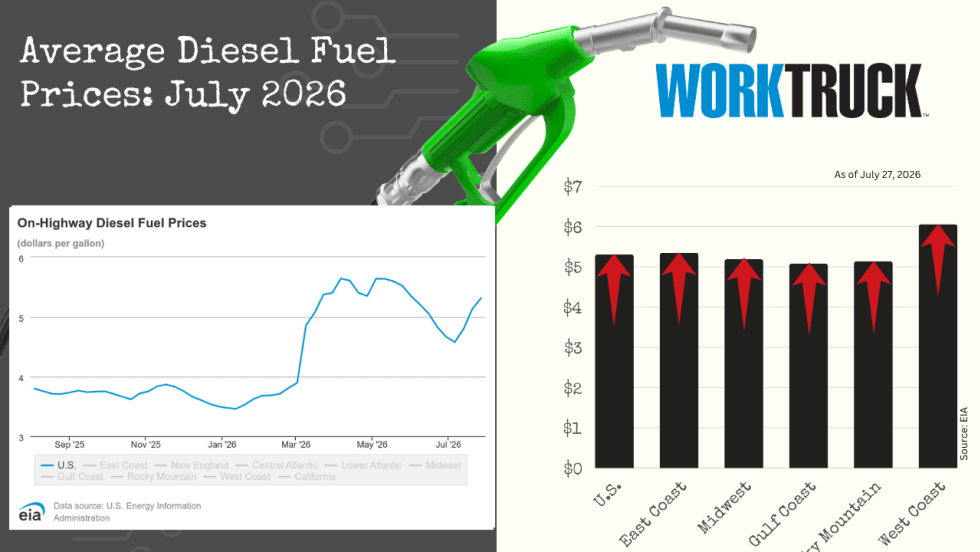
July Diesel Trends Update
The average price of a gallon of diesel increased again this week, and the EIA reported a new national average of $5.31 at the start of the week.
Read More →
WEX Brings Standard Fleet's Connected Vehicle Platform to Fleet Customers
This week’s product launch with Standard Fleet’s connected vehicle platform reflects WEX Venture Capital's strategy of turning startup innovation into customer solutions. Standard Fleet is now available to WEX fleet customers.
Read More →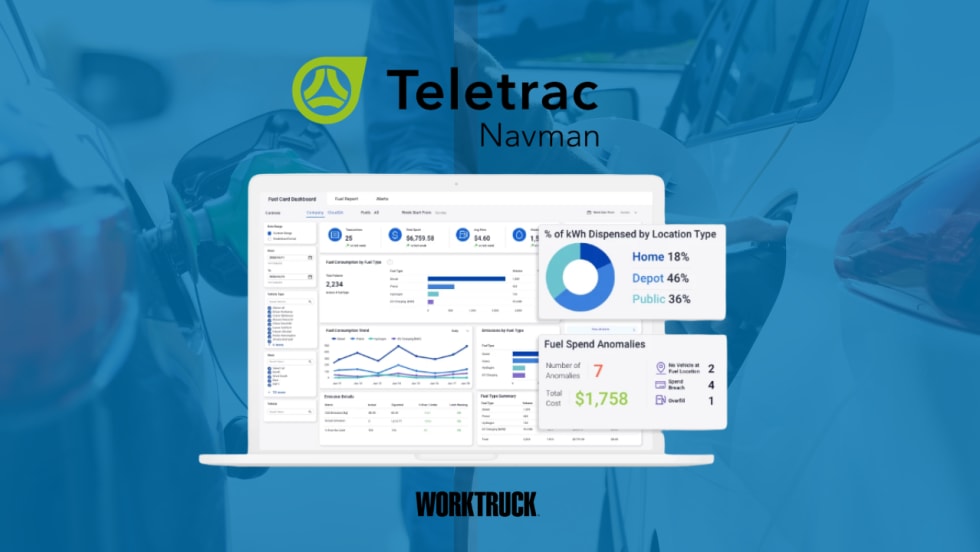
Teletrac Navman Adds Mixed-Energy Fleet Tools to TN360
The new Energy Hub combines fuel transactions, EV charging data, vehicle range, and energy costs in one dashboard for fleets operating multiple vehicle and energy types.
Read More →
WEX DriverDash adds CITGO, Expands Nationwide Access for Fleets
The DriverDash mobile payment app, by WEX, has been integrated into the CITGO merchant network, which means WEX has expanded its U.S. station footprint with the addition of approximately 4,000 CITGO locations.
Read More →
Mixed Energy Fleet Tips for Balancing EVs, Gas and Diesel Vehicles
Mixed energy fleets are becoming the new normal. Learn how fleet managers are balancing EVs, gas and diesel vehicles while controlling costs and planning for the future.
Read More →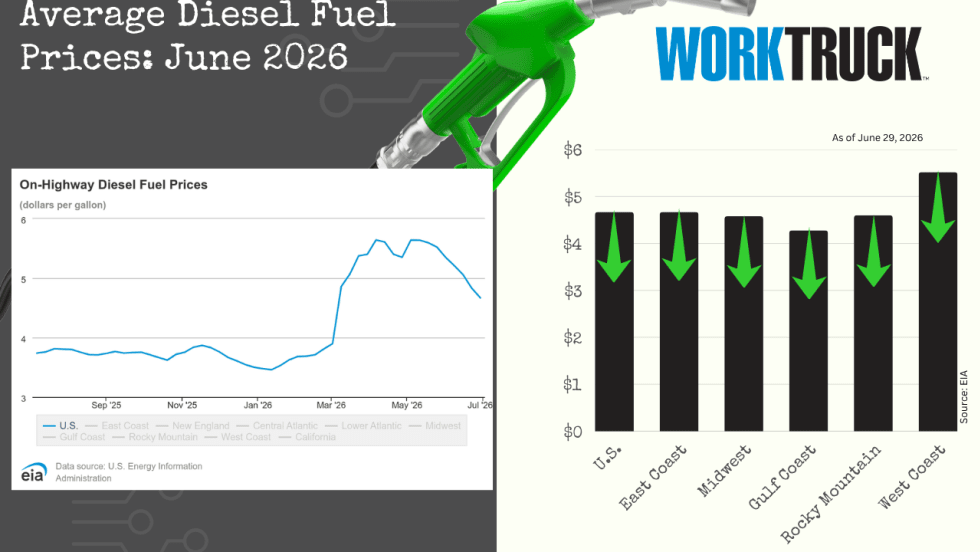
June Diesel Trends Update
The national average price of a gallon of diesel has dropped again, this week by more than 16 cents. All five regions reported lower average prices, ranging from almost 13 cents to more than 28 cents cheaper than a week ago.
Read More →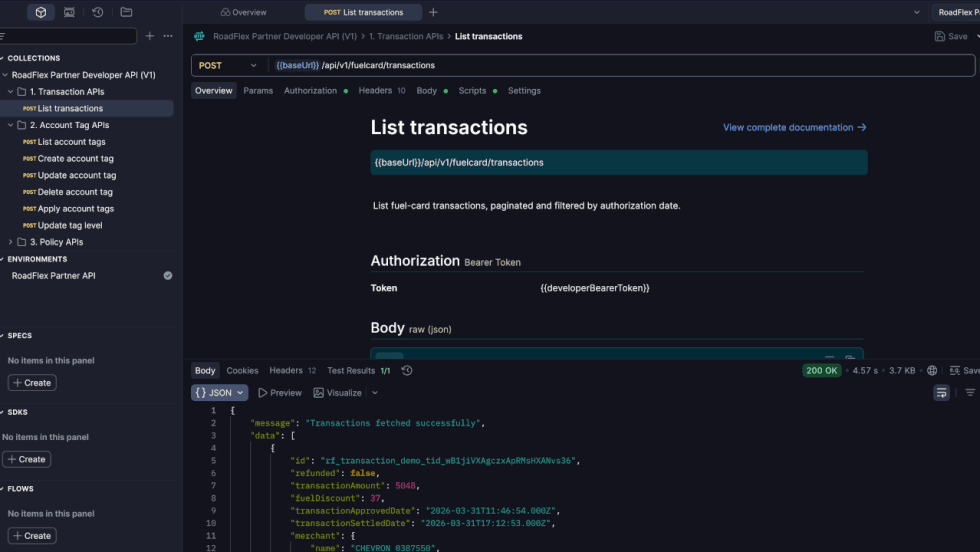
RoadFlex Launches RoadFlex Direct Open API Platform
RoadFlex Direct connects fuel cards, controls, and data to the telematics and fleet management systems fleets already run, from Geotab and Samsara to Fleetio and RTA, with no separate dashboard or double data entry.
Read More →
The Key to Fuel Efficiency Sits in the Cab
Learn how driver behavior, telematics, coaching, and fuel data can help fleets improve fuel efficiency, lower costs, and reduce emissions.
Read More →