




Oilmen's Truck Tanks Completes Nation's First Tank Truck for DEF Delivery
SPARTANBURG, SC - After six months of research and development, the Department of Agriculture Weights and Measures certified Oilmen's Truck Tanks' proprietary DEF pumping system.
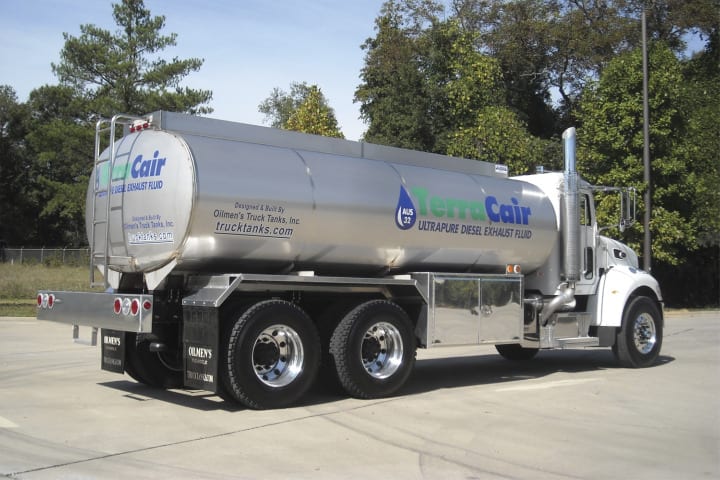
SPARTANBURG, SC - After six months of research and development, the Department of Agriculture Weights and Measures certified Oilmen's Truck Tanks' proprietary DEF pumping system. The approval process involved pumping over 300,000 gallons of DEF through Oilmen's system and road testing the unit.
After becoming aware of the EPA (Environmental Protection Agency) mandate that all diesel vehicles with engines greater than 3 liters of displacement manufactured after January 1, 2010 must be equipped to significantly lower NOx (nitrogen oxide) emissions, Oilmen's Truck Tanks developed a delivery system to deliver ultra pure urea (more commonly known as diesel exhaust fluid or DEF). DEF is used to significantly lower NOx (nitrogen oxide) emissions. Oilmen's recognized that it was crucial to incorporate components that are compatible with the unique properties of DEF and that purity throughout the delivery process is maintained.
Oilmen's system is composed of stainless steel components that meet ISO 22241 (International Organization for Standardization) specifications and are capable of pumping DEF at rates up to 80 GPM. Terra Environmental Technologies (TET), North America's largest DEF manufacturer, partnered with Oilmen's Truck Tanks to provide them with TerraCair DEF for weights and measures testing.
For more information: www.trucktanks.com; www.deftrucktanks.com.
More Fuel

The Smart Way to Build a Mixed-Energy Fleet Isn’t About Picking a Side
Mixed-energy fleets aren’t about picking a winning fuel. Sarah Booth of WEX explains how vehicle data, duty cycles, charging strategy, and real-world costs can help fleets choose the right energy source for each job.
Read More →
Ignoring This Dashboard Warning Could Cost Your Fleet Thousands in Fuel
New research suggests neglected diesel aftertreatment systems could waste up to $30 in fuel per vehicle each day. Here's why vocational fleets should pay attention.
Read More →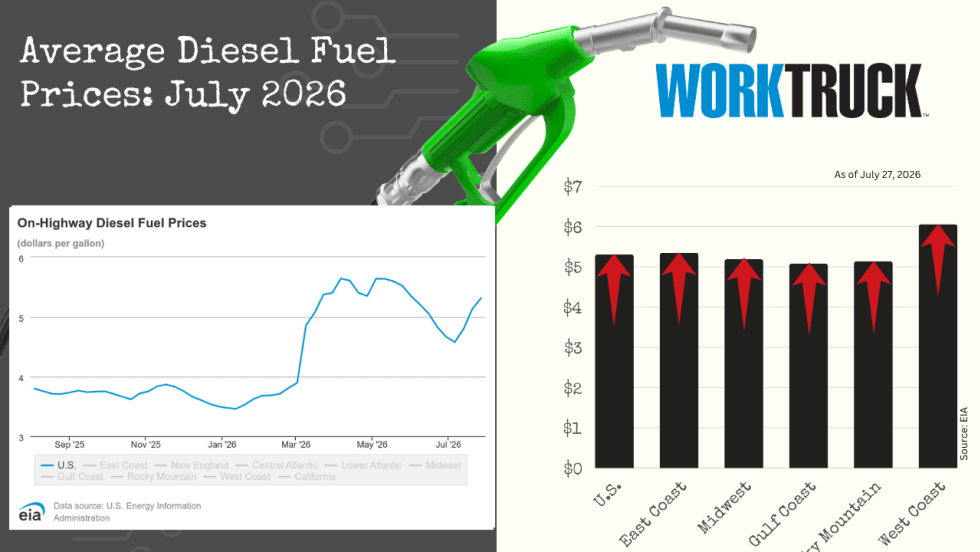
July Diesel Trends Update
The average price of a gallon of diesel increased again this week, and the EIA reported a new national average of $5.31 at the start of the week.
Read More →
WEX Brings Standard Fleet's Connected Vehicle Platform to Fleet Customers
This week’s product launch with Standard Fleet’s connected vehicle platform reflects WEX Venture Capital's strategy of turning startup innovation into customer solutions. Standard Fleet is now available to WEX fleet customers.
Read More →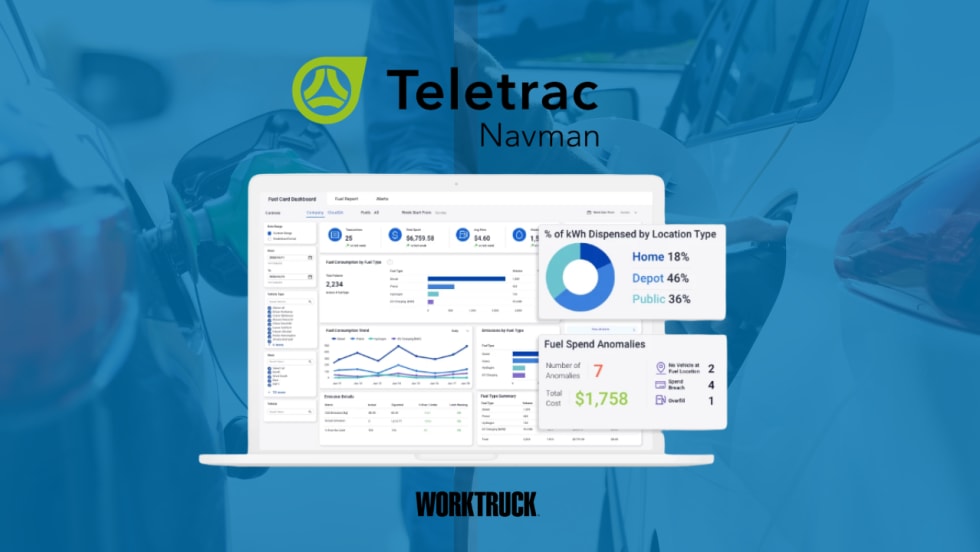
Teletrac Navman Adds Mixed-Energy Fleet Tools to TN360
The new Energy Hub combines fuel transactions, EV charging data, vehicle range, and energy costs in one dashboard for fleets operating multiple vehicle and energy types.
Read More →
WEX DriverDash adds CITGO, Expands Nationwide Access for Fleets
The DriverDash mobile payment app, by WEX, has been integrated into the CITGO merchant network, which means WEX has expanded its U.S. station footprint with the addition of approximately 4,000 CITGO locations.
Read More →
Mixed Energy Fleet Tips for Balancing EVs, Gas and Diesel Vehicles
Mixed energy fleets are becoming the new normal. Learn how fleet managers are balancing EVs, gas and diesel vehicles while controlling costs and planning for the future.
Read More →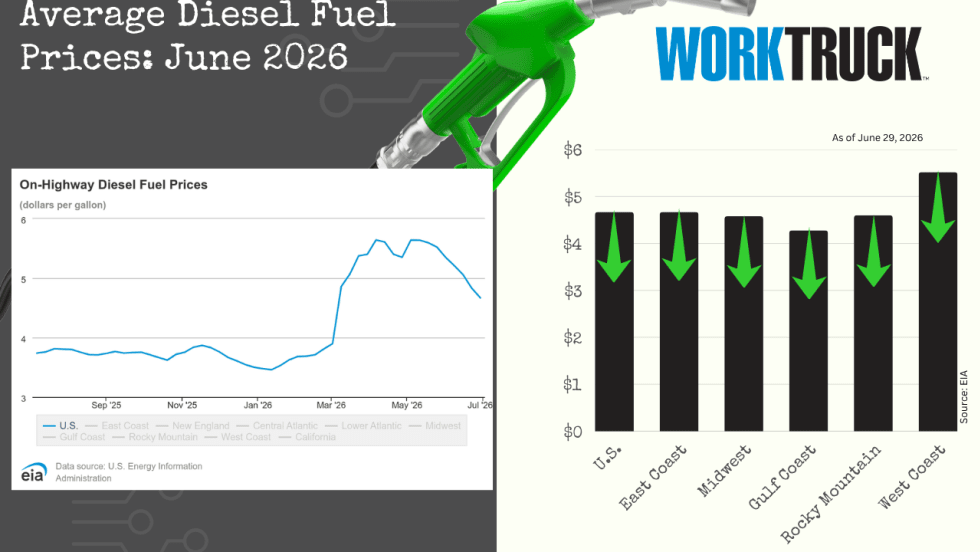
June Diesel Trends Update
The national average price of a gallon of diesel has dropped again, this week by more than 16 cents. All five regions reported lower average prices, ranging from almost 13 cents to more than 28 cents cheaper than a week ago.
Read More →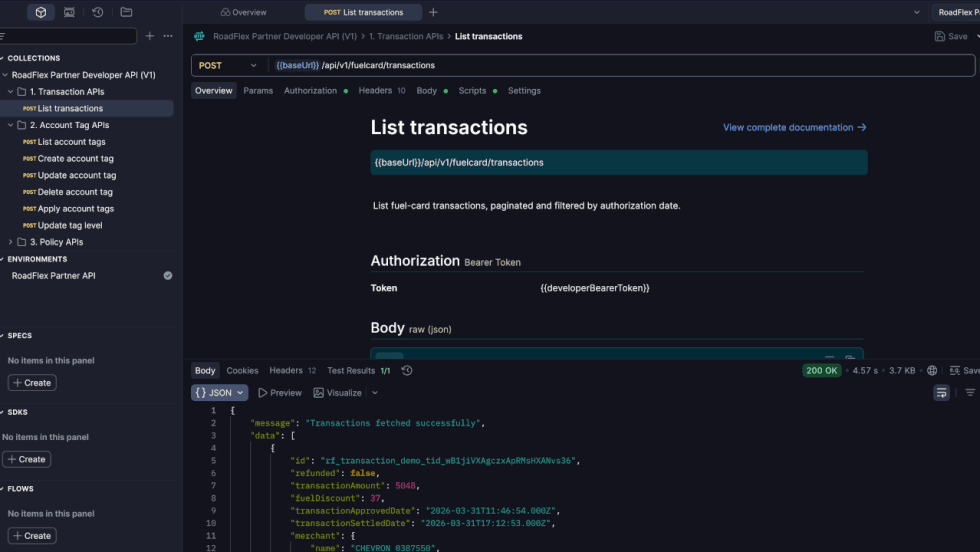
RoadFlex Launches RoadFlex Direct Open API Platform
RoadFlex Direct connects fuel cards, controls, and data to the telematics and fleet management systems fleets already run, from Geotab and Samsara to Fleetio and RTA, with no separate dashboard or double data entry.
Read More →
The Key to Fuel Efficiency Sits in the Cab
Learn how driver behavior, telematics, coaching, and fuel data can help fleets improve fuel efficiency, lower costs, and reduce emissions.
Read More →