




NTTC Applauds NHTSA ECS Proposal
ARLINGTON, VA – National Tank Truck Carriers (NTTC) announced that it supports the National Highway Traffic Safety Administration (NHTSA) proposal to require electronic vehicle stability control (ECS) systems on new Class 8 tractors.
ARLINGTON, VA – National Tank Truck Carriers (NTTC) announced that it supports the National Highway Traffic Safety Administration (NHTSA) proposal to require electronic vehicle stability control (ECS) systems on new Class 8 tractors. NTTC represents the tank truck industry including carriers and equipment suppliers.
"The NTTC Executive Committee passed a resolution in 2008 to petition NHTSA to require ECS on all new tractors used to pull tank trailers. We believe that ECS and roll stability control (RSC) systems can be tools in reducing rollovers," said NTTC President John Conley. "NHTSA asked us to not file the petition as they were developing a rule for all tractors. We are pleased to see that rule published."
Much of the tank truck industry has voluntarily moved to ECS on tractors and RCS on new tank trailers ahead of government requirements, according to NTTC. In fact, roll stability control has become a standard on new tank trailers. All three major ECS manufacturers are associate members of NTTC.
"We have been pleased to have demonstrations from the various component suppliers at our safety and maintenance meetings and a ride-along can make you a believer," said Conley. "However, we must remember that the trained truck driver is the primary defense against rollovers. There are no silver-bullets, but ECS certainly should help to reduce the chance of a rollover in some situations."
More Safety & Compliance
Re-rating Gross Vehicle Weight Ratings (GVWR): Why and How it's Done
Sometimes, it is not in a fleet’s best interests to have a vehicle at a given GVWR. Changing the GVWR to a special value can be done, but the process is complicated.
Read More →
When a Work Truck Gets Stolen, the Real Loss Is Time
A stolen work truck can take more than a vehicle off the road. From tools and access cards to crew downtime, here’s how fleets can prepare for theft before it disrupts the entire workday.
Read More →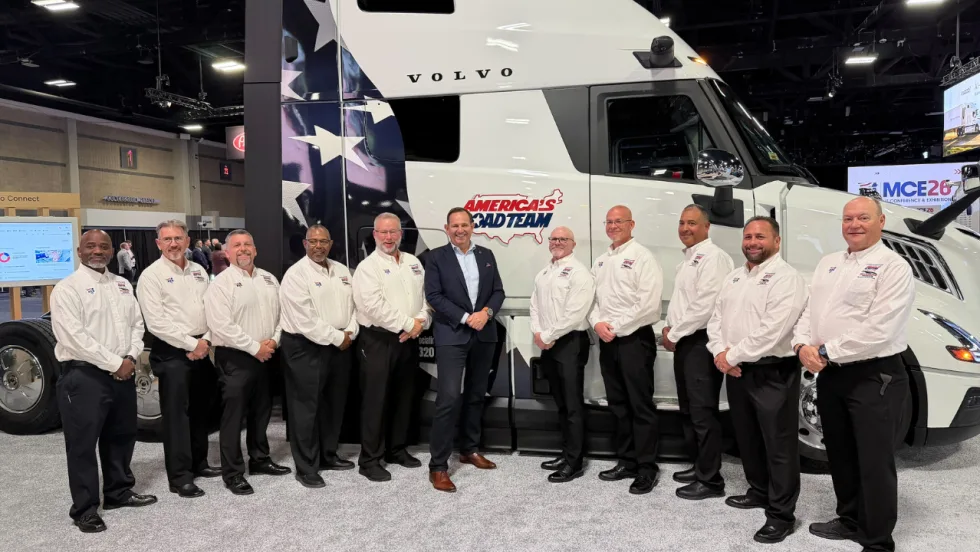
Volvo Trucks Marks 25 Years as Exclusive Sponsor of America's Road Team
Volvo Trucks North America will serve as the exclusive sponsor of the American Trucking Associations' America's Road Team, marking 25 years of Volvo sponsorship. The group of professional drivers promotes safety and the industry as they travel the country.
Read More →From Our Partners


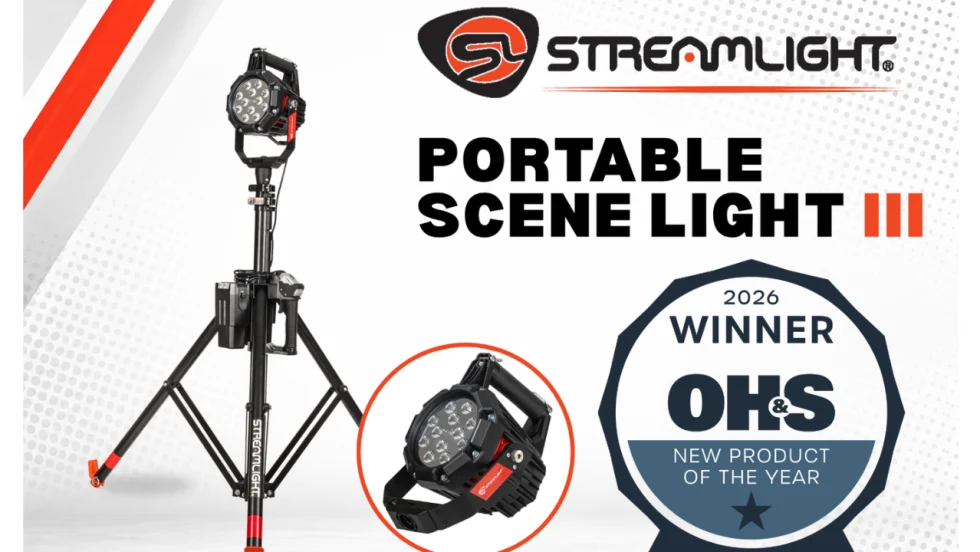
Streamlight’s High-Output Scene Light Recognized with Occupational Safety Award
Streamlight’s Portable Scene Light III (PSL III) won the 2026 Occupational Health & Safety (OH&S) New Product of the Year Award in the Lighting category.
Read More →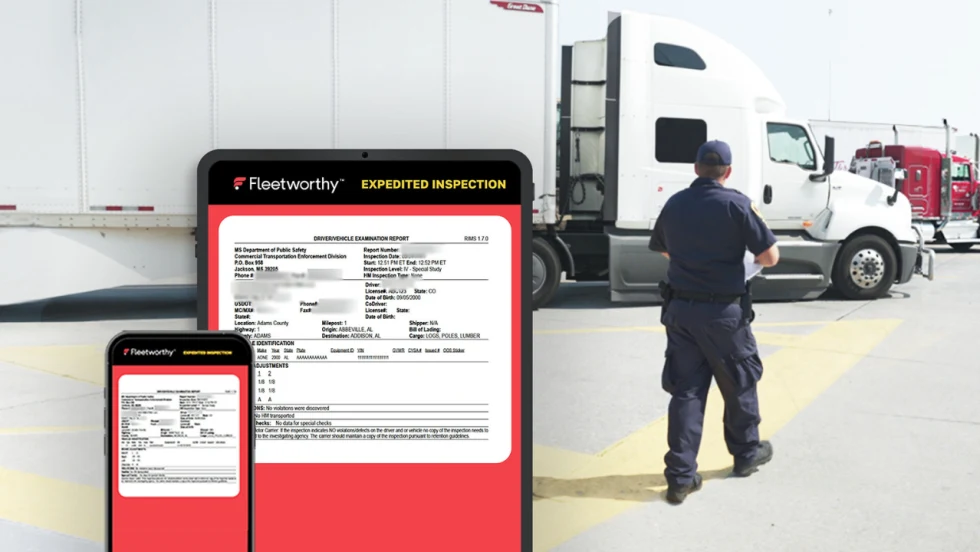
Fleetworthy Expands Expedited Inspection to 5 States
Following its industry-first launch in Nevada, Fleetworthy’s automated inspection technology is now live in California, Michigan, Vermont, and Maine.
Read More →
Crossing State Lines in a Light-Duty Work Truck? Check These Rules First
Crossing state lines in a lighter work truck? J.J. Keller's Kathy Close explains when IRP registration, trip permits, and towing rules come into play.
Read More →
GeoFencing Adds to Your Truck Security Arsenal
Geofencing is a familiar fleet tool today, but its early adoption marked a major shift in vehicle tracking, route monitoring, and the debate over employee privacy.
Read More →
Recalls You Need to Know About in October 2026
In October 2026, what recalls might impact your fleet? Work Truck has the answers in this comprehensive overview of recent NHTSA recalls.
Read More →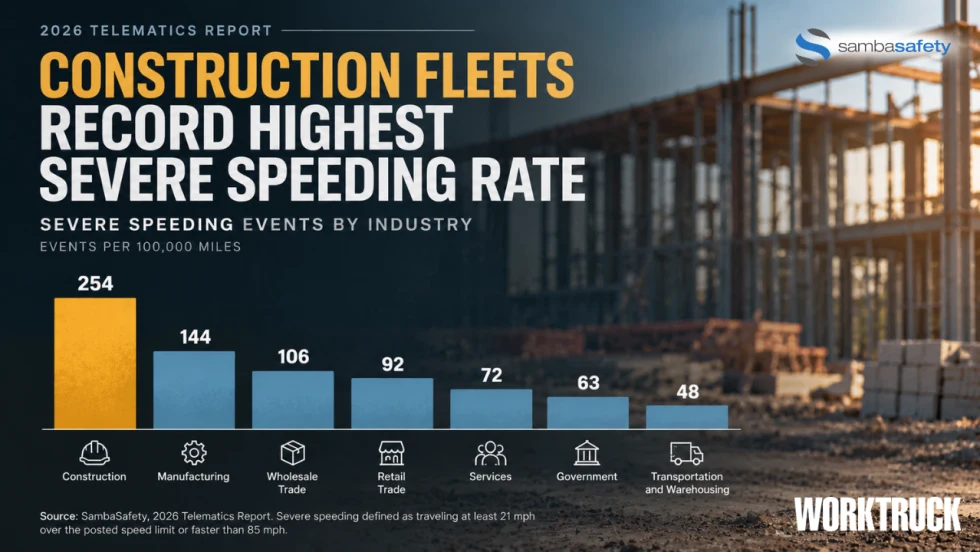
Construction Fleets Show Telematics Adoption Alone May Not Reduce Driving Risk
SambaSafety found construction fleets monitor roughly 92% of their vehicles but recorded the highest severe speeding rate among industries studied.
Read More →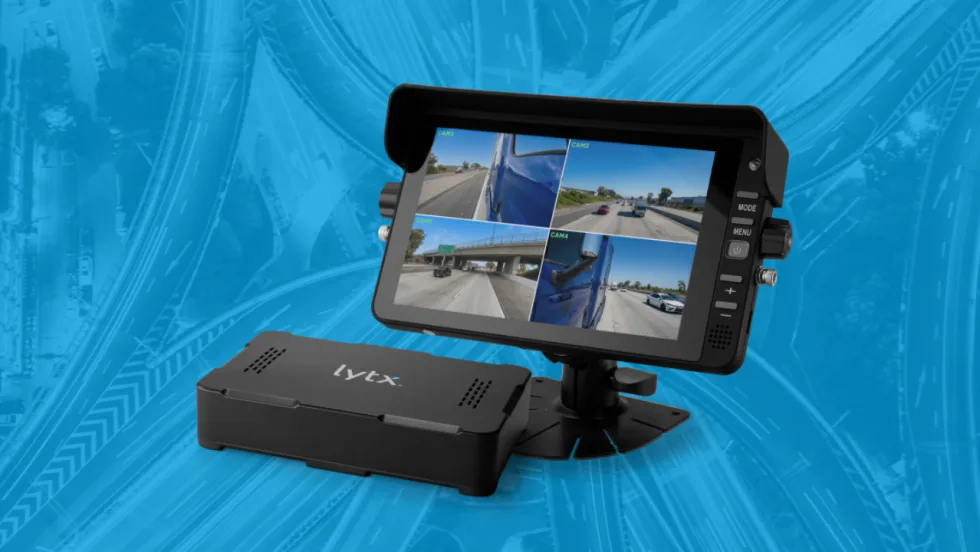
Lytx Launches 360 Hub Kit for Expanded Fleet Camera Visibility
Lytx’s new AI-ready gateway and HD auxiliary camera ecosystem, the Lytx 360 Hub Kit, extends visibility across side, rear, cargo, and blind-zone views to help fleets see more and respond faster.
Read More →