




New Study Casts Doubt on Safety Benefits of Partial Automation in Vehicles
New research shows partial automation in vehicles doesn't boost safety. Seen as convenience features, they lack the added benefits of crash avoidance tech.

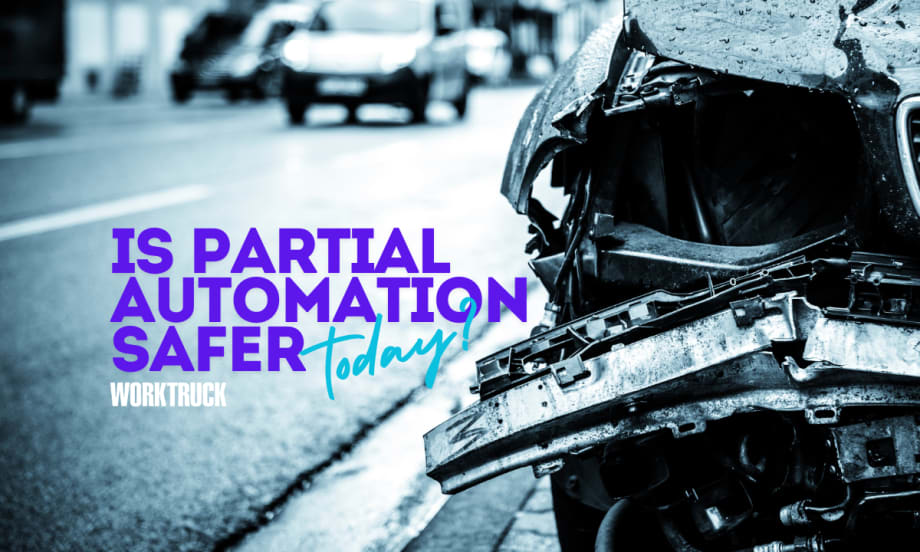
Despite being touted as advanced safety features, these systems—found in popular fleet vehicles like the Chevrolet Tahoe and Ford F-150—are more akin to convenience tools, such as power windows or heated seats.
Photo: Work Truck
Research from the Insurance Institute for Highway Safety and the Highway Loss Data Institute shows that crash records and insurance data offer little evidence that partial automation systems are preventing collisions.
"Everything we're seeing tells us that partial automation is a convenience feature like power windows or heated seats rather than a safety technology," IIHS President David Harkey said.
The most apparent evidence comes from studies of BMW and Nissan vehicles on the road for several years. HLDI studied these vehicles in 2021.
Now, a new study of the same vehicles from IIHS confirms that partial automation doesn't confer additional safety benefits beyond those of crash avoidance features like front automatic emergency braking (AEB).
Several pickup trucks and SUVs that fleets use are starting to offer these capabilities, including the Chevrolet Tahoe SUV and Ford F-150 pickup truck.
Understanding Partial Automation in Vehicles Today
According to the report, more than half of the new models available in 2023 were equipped with partial automation systems, either as an optional or standard feature. These systems use cameras and sensors to help keep your car in the center of the lane, navigate curves, slow down to avoid other vehicles, and accelerate when the way is clear.
However, it's important to note that vehicles with these systems are not fully self-driving. They cannot handle many common road features and traffic situations, so drivers must remain alert and be prepared to take control at any moment. The technology can create a false sense of security and may lead to driver distraction and boredom.
It's also important to distinguish between partial automation systems and crash avoidance features that are often included with them or sold separately.
Crash avoidance features like automatic emergency braking (AEB), blind spot warning, and lane departure prevention only activate when a potential danger is detected, such as braking to avoid a collision. These features are typically left on at all times because they are unobtrusive in normal driving conditions.
On the other hand, partial automation systems work continuously to keep the vehicle on the road. They are intended for use on highways and limited-access roads. The driver must manually activate them, and they are usually used only on occasion.
Crash Avoidance Features and Insurance Claims
Using insurance claims data, HLDI has conducted multiple investigations into the potential safety benefits of crash avoidance features. The studies have all shown that features that warn or intervene in an emergency reduce the frequency of insurance claims, and the reductions increase incrementally as one feature is stacked on another.
Partial automation could also theoretically help prevent crashes.
One of its component features, adaptive cruise control (ACC), keeps the vehicle traveling at a driver-selected speed when the road is clear and slows. It accelerates to maintain a set distance from cars ahead. ACC is associated with longer following distances, less tailgating, and fewer lane changes—positive driving behaviors that could reduce risk.
The other main component of partial automation, lane centering, could better prevent side-swipe and run-off-road crashes than lane departure prevention since lane centering theoretically preempts such departures rather than intervening as they occur.
So far, there's little evidence that's happening, as shown by the studies of BMW and Nissan vehicles.
HLDI found that property damage liability claims — for damage to other vehicles hit by the insured driver — were 8% lower for 2017-19 Nissan Rogues equipped with forward collision warning and AEB. However, no additional benefit was associated with ACC or Nissan's ProPILOT Assist partial automation system, which adds lane centering on top of ACC.
Changes in claim rates under collision coverage—which covers damage to the insured driver's own vehicle—were small for all the technologies.
Similarly, forward collision warning and AEB were associated with a 7% reduction in collision claim rates and a 13% reduction in property damage liability claim rates for 2013-17 BMW and Mini vehicles.
BMWs and Minis, also equipped with ACC, showed a more significant 25% reduction in property damage claims and no greater change in collision claims. As with the Nissan vehicles, no additional statistically significant reductions were associated with BMW's Driving Assistant Plus partial automation system.
Comparison of Crash Rates for Vehicles with Partial Automation Features
HLDI's claims data, which is collected from insurers representing 85% of the private passenger vehicles in the U.S., does not indicate whether the partial automation system was active during a crash, and it also does not include information about the type of road where the insurance claims occurred.
As a result, any potential safety benefits from partial automation, typically designed for high-speed roads, might be overshadowed by the high volume of insurance claims for minor low-speed crashes.
Jessica Cicchino, senior vice president for research at IIHS, sought to uncover potential safety benefits in the HLDI data. She compared police-reported crash rates for the same BMW and Nissan vehicles studied by HLDI in 17 U.S. states from 2013 to 2022. Although she could not determine whether the features were activated during the crash, she focused her study on front-to-rear and lane departure crashes that could be prevented by partial automation. She analyzed crashes on limited-access interstates, freeways, and expressways separately from crashes on other roads.
Similar to the findings of HLDI, Cicchino discovered significant reductions in crash rates associated with crash avoidance features. Front-to-rear crash rates were 49% lower for Rogues equipped with forward collision warning and AEB and 54% lower for Rogues with forward collision warning, AEB, and ACC compared to vehicles without crash avoidance features. However, lane departure prevention did not significantly affect lane departure crash rates.
In contrast to HLDI's findings, Cicchino found even greater reductions associated with partial automation. Front-to-rear crash rates were 62% lower for Rogues equipped with ProPILOT Assist compared to vehicles without any crash avoidance systems, and lane departure crash rates were 44% lower for Rogues with ProPILOT Assist and lane departure prevention compared to unequipped vehicles.
However, further investigation revealed that the apparent benefits from ProPILOT Assist were consistent across both high-speed roads, where partial automation is most likely to be activated, and low-speed roads, where its added convenience is minimal at best.
Below 37 mph, ProPILOT Assist's lane-centering feature only functions if the vehicle is following another vehicle, indicating that other factors related to the equipped vehicles or their drivers may have contributed to the vehicles' crash rates.
Importance of 'Seeing Ahead'
When considering vehicle characteristics, one important factor could be the headlights. It was observed that older models of the Nissan Rogue were equipped with headlights that received poor ratings unless the buyer chose a premium package. Further analysis of crash records revealed that the differences in crash rates were most pronounced during nighttime driving.
After studying Nissan marketing materials, Cicchino found that 2018 and 2019 Rogues equipped with ProPILOT Assist were more likely to have headlights with acceptable ratings than those without. Research by the IIHS has shown that headlights with acceptable ratings can reduce single-vehicle nighttime crashes by approximately 15% in comparison to those with poor ratings.
As for BMW vehicles, only lane departure crashes were looked into. This was because vehicles with partial automation were equipped with a more advanced front crash prevention system compared to those without partial automation. This made it difficult to isolate the impact of the partial automation system on front-to-rit'scrashes.
It was discovered that either lane departure prevention alone or, when combined with partial automation, did not have a significant impact on crash rates, regardless of whether the vehicles were on highways or roads with lower speed limits.
The vehicles in these studies ranged from five to 11 years old. While newer partial automation systems may be more effective in terms of safety, the extensive data accumulated over the years for these vehicles makes the findings more compelling.
"With no clear evidence that partial automation is preventing crashes, users and regulators "like should not confuse it for a safety feature," Cicchino said. "At a minimum, safeguards like those IIHS promotes through its rating program are essential to reduce the risks that drivers will zone out or engage in other distracting activities while partial automation is switched on."
More Safety
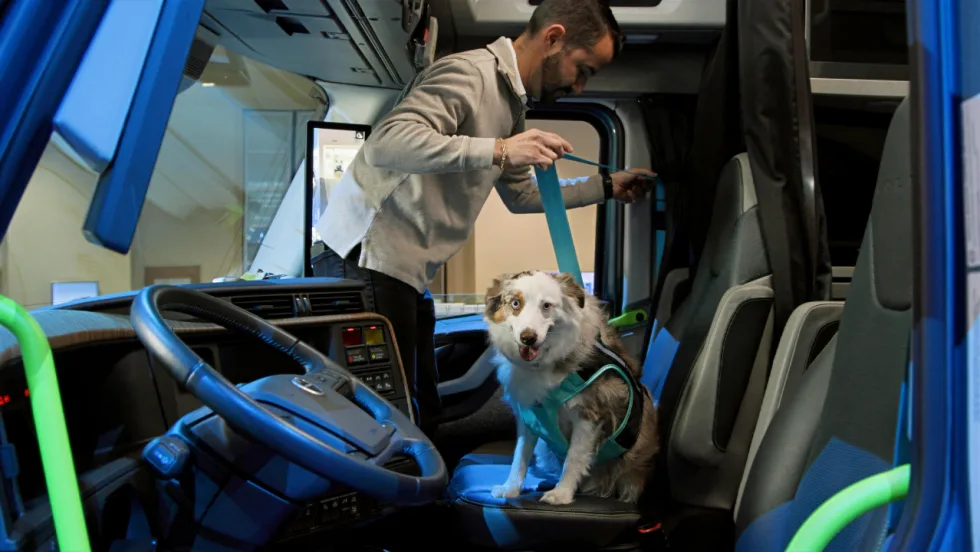
Volvo Trucks Releases New Safety Recommendations for Traveling with Pets
One of the most important recommendations for professional drivers traveling with pets is to ensure pets are properly restrained while the truck is moving. Other tips are available in the new guide from Volvo Trucks North America and Center for Pet Safety.
Read More →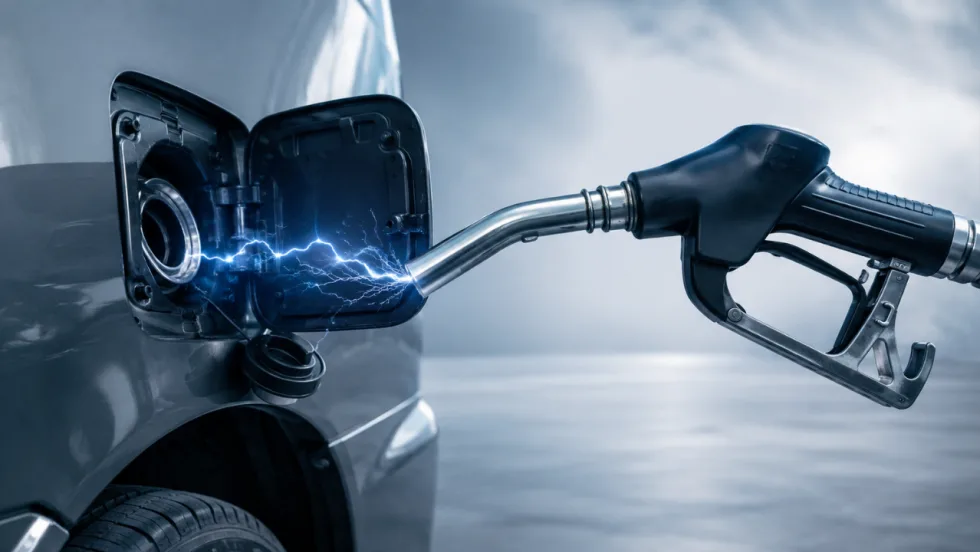
API Issues Refueling Safety Guidelines
The American Petroleum Institute offers a list of safe vehicle refueling guidelines, including ways to avoid potential problems with static electricity discharges in fall, winter, and early spring.
Read More →
Winter Fleet Prep: Expert Tips to Keep Vehicles Running Smoothly
Cold weather can expose weak batteries, tires, fuel systems, and maintenance gaps fast. Use this winter fleet checklist to prepare trucks and drivers before temperatures drop.
Read More →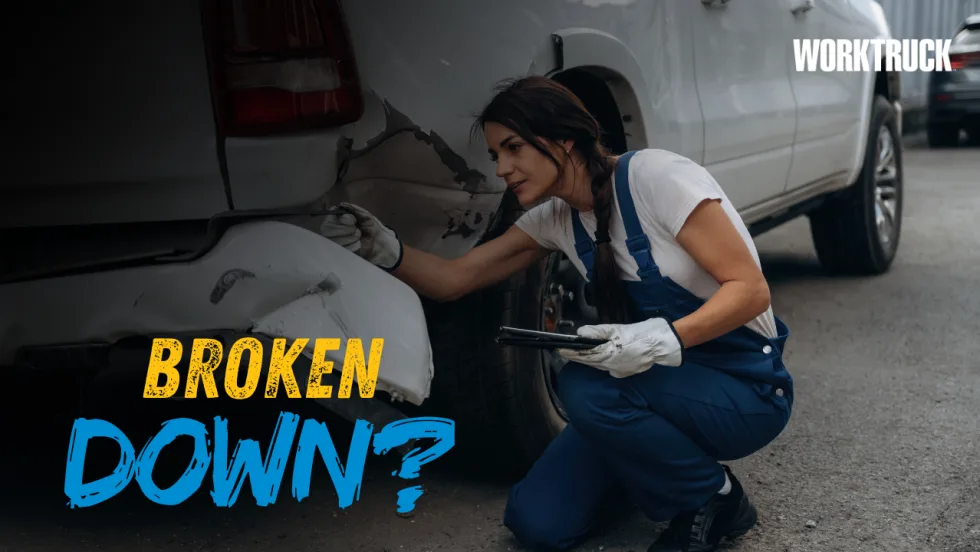
When a Work Truck Breaks Down, the Job Can Stop, Too
A work truck breakdown can stop more than the vehicle. Discover how payloads, jobsites, and specialty equipment change the roadside response.
Read More →
What Stronger Long-Term Fleet Service Partnerships Actually Require
Fleet service partnerships rarely fall apart all at once. Learn the three warning signs that trust is eroding and what fleets and providers can do before downtime, frustration, and lost revenue follow.
Read More →
Applause & TRUCE Software Partner to Improve Driver Safety Through AI-Powered Telematics & Employee Performance Management
Applause has integrated TRUCE driving metrics directly into its employee-first performance and safety platform that transforms mobile devices into AI-powered telematics.
Read More →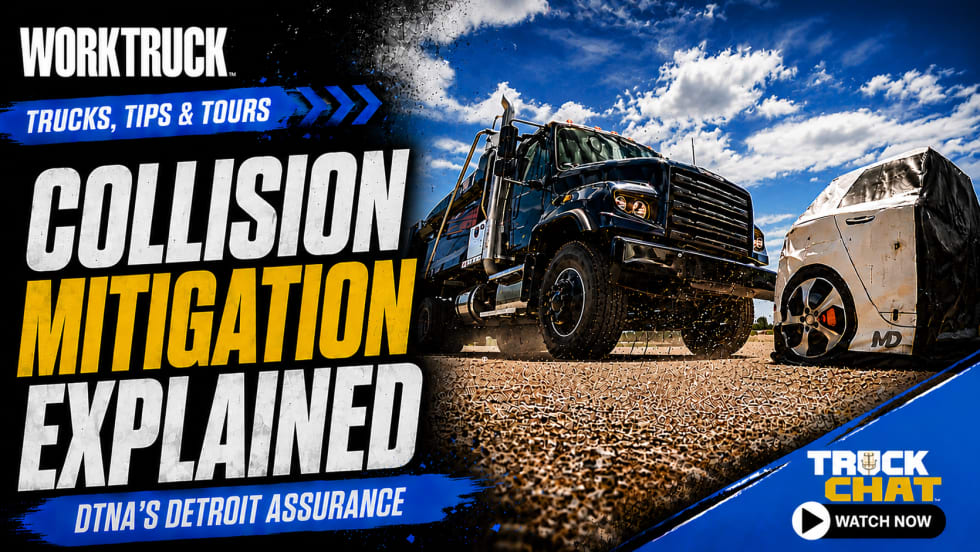
How Detroit Assurance with Active Brake Assist Works
Do you want to see what it is like to experience Detroit Assurance’s Active Brake Assist? In this video, Work Truck will put you in the cab to see how it all works and then hear more details from DTNA’s Mike Young.
Read More →
Get Left of Loss: A 5-Step Workplace Violence Prevention Framework for Fleet Operators
Violence risks do not stop at the driver’s door. Learn five practical steps fleets can take to spot threats early and protect workers before loss occurs.
Read More →
How Better Visibility Cut Speeding Violations by 48%
Fleet leaders don't need more data, they need clearer visibility into what the data is saying. This case study explores how one utility replaced speeding-event counts with a single metric — miles driven in violation — to strengthen safety and significantly reduce speeding violations.
Read More →
13 Safe Driving Tips for Commercial Vehicle Drivers
Make sure you are spending time on the road safely with these important tips.
Read More →