





Top Fleet Tips: Is Your Truck Fleet Truly Safe?
IIHS Study Shows Pickups with AEB Have Far Fewer Rear-End Crashes
A new study from the Insurance Institute for Highway Safety validates the safety benefits of automatic emergency braking in pickups — yet the technology was standard on only 5% of those vehicles in 2021.
November 16, 2022
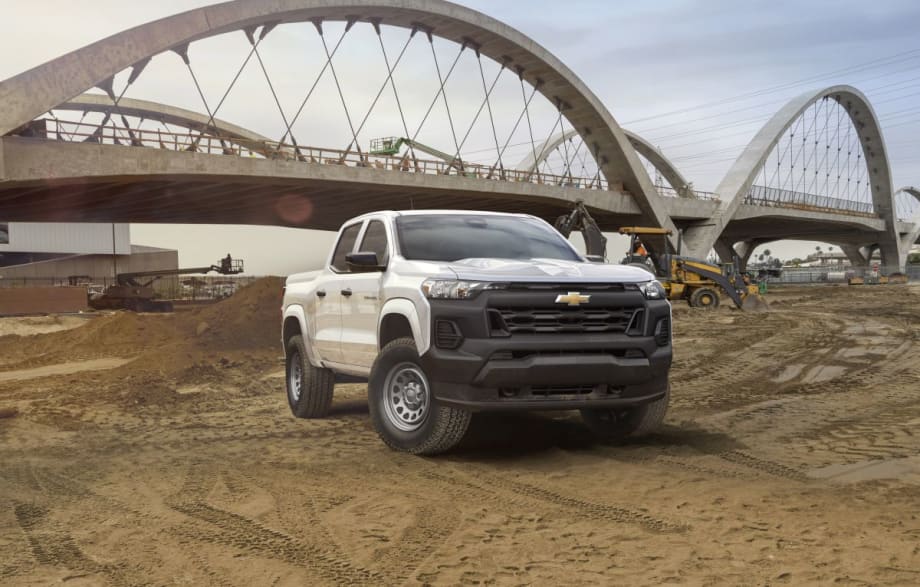
The 2023 Chevorlet Colorado is one of the few pickup trucks to offer Automatic Emergency Braking.
Photo: Chevrolet
2 min to read
Rear-end crash rates were 43% lower for pickups equipped with automatic emergency braking (AEB) compared to those without it, keeping fleet drivers and the motoring public safer, according to a new study from the Insurance Institute for Highway Safety (IIHS).
The new study also found that rear-end injury rates were 42% lower when the pickup was outfitted with AEB.
While the findings suggest that this crash avoidance technology enhances safety, pickups are less likely to have AEB than cars or SUVs. Surprisingly, the technology was standard on just 5% of registered pickups in 2021, compared with 18% of SUVs.
Pickups are large, weighty, and can pose a heightened danger due to their imposing size. Even so, manufacturers have been slow to equip them with AEB and other crash avoidance systems.
Yet the data confirms that AEB is reducing pickup crashes, just as it is for cars. That’s why IIHS is urging manufacturers to start equipping all new pickups with AEB that work at higher speeds and detects pedestrians in the dark and during the daytime.
Another important factor to note is that pickups that lack AEB to prevent collisions with other vehicles also lack systems that detect and avoid pedestrians. A separate IIHS study recently found that such systems reduce pedestrian crashes by 27%, though they are less effective at night.
Pickups can dominate the road and be more menacing than the average vehicle. For example, they are driven more often than other types of passenger vehicles in rural areas, where average speeds are higher and roads typically lack streetlights.
In 2020, 28% of U.S. rear-end crashes in which a pickup was the striking vehicle occurred at speed limits of 55 mph or higher, compared to only 23% of crashes in which the striking vehicle was a car and 20% in which the striking vehicle was an SUV.
Originally posted on Automotive Fleet
More Safety & Compliance

What Your Fleet's Brakes Might Be Telling You About Tailgating
Could frequent brake replacements reveal a driver following too closely? Learn how brake wear, driving habits, and maintenance costs connect.

Recalls You Need to Know About in November 2026
If you have Altec, Autocar, Battle Motors, Chrysler, Daimler Truck, Ford, General Motors, Kalmar, Mack Trucks, Paccar, Rivian, Terex, Toyota, or Volvo Trucks vehicles in your fleet, you should check these important recalls issued by the National Highway Traffic Safety Administration.
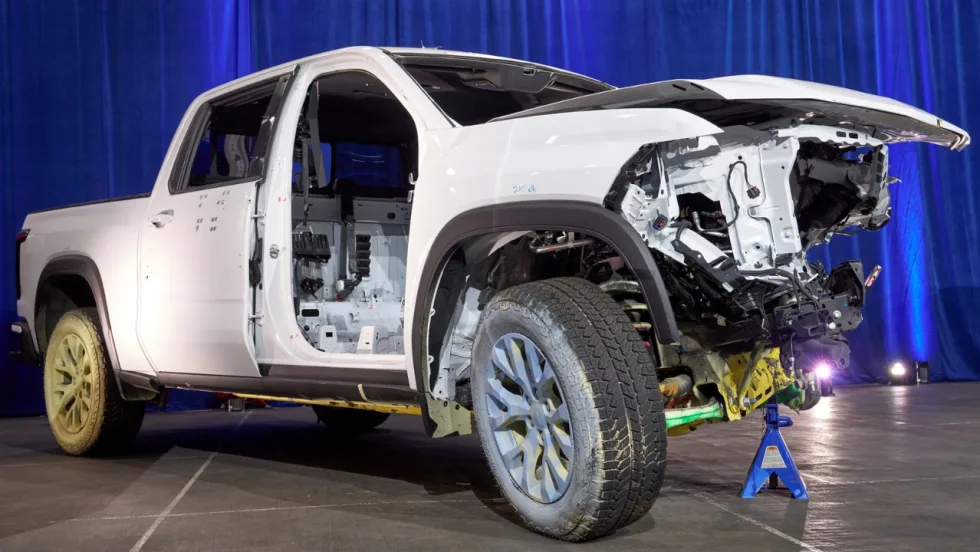
GM Runs 92,000 Virtual Crash Tests to Develop 2027 Chevrolet Silverado 1500
GM used 92,000 simulated crashes to evaluate the 2027 Chevrolet Silverado 1500's safety performance before confirming results through physical testing.
From Our Partners




Thanksgiving Cargo Theft Risks Put Fleet Security in Focus
J. J. Keller shares cargo theft prevention tips for work truck fleets ahead of Thanksgiving, when parked vehicles and reduced staffing can increase security risks.

5 Winter Fleet Videos to Help Keep Trucks Running and Drivers Safe
From preventing cold-weather breakdowns to navigating icy roads, these five videos offer practical winter preparation tips for work truck fleets.

Navigating the Effects of Daylight Saving Time on Work Truck Fleets
Discover how daylight saving time impacts work truck fleets and get essential tips for fleet managers and drivers to navigate the "fall back" transition.

How Halloween Changes the Job for Work Truck Drivers
Truck traffic doesn’t take the same Halloween break as other drivers. What fleet managers should know about timing, neighborhood stops, and braking data.

Tips for Driving Safely on Halloween Night
This video features a reminder from the Connecticut Department of Transportation (DOT) and the Connecticut Police Chiefs Association, urging drivers to prioritize safety this Halloween.
Re-rating Gross Vehicle Weight Ratings (GVWR): Why and How it's Done
Sometimes, it is not in a fleet’s best interests to have a vehicle at a given GVWR. Changing the GVWR to a special value can be done, but the process is complicated.

When a Work Truck Gets Stolen, the Real Loss Is Time
A stolen work truck can take more than a vehicle off the road. From tools and access cards to crew downtime, here’s how fleets can prepare for theft before it disrupts the entire workday.