




Netradyne Hits 100 Million DriverStars, Reinforces Safety Through Recognition
Netradyne celebrates 100M+ DriverStars awarded, highlighting a shift toward positive reinforcement to boost safety, morale, and driver retention.
July 30, 2025

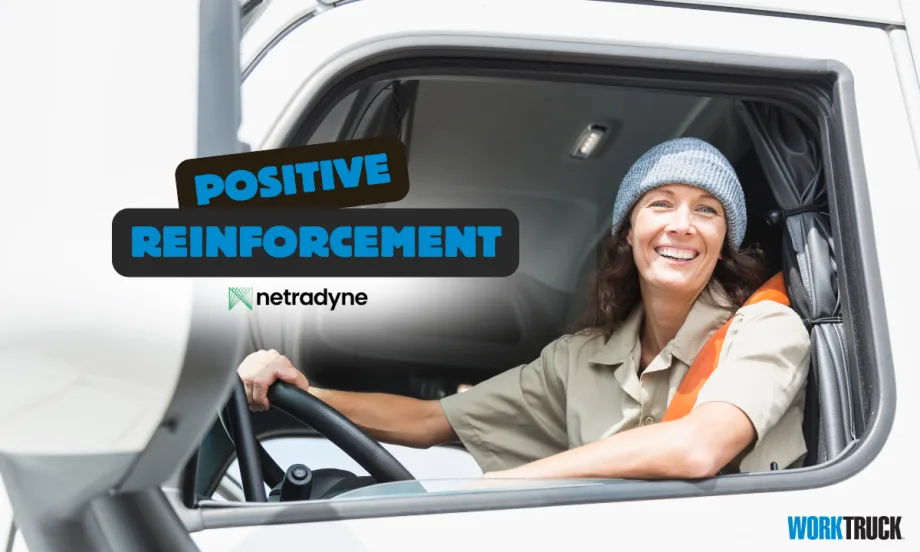
A professional driver smiles behind the wheel, reflecting the impact of Netradyne’s DriverStar program and its focus on recognizing positive driving behavior.
Photo: Work Truck
3 min to read
Netradyne has awarded more than 100 million DriverStars through its Driver•i safety platform, marking a major milestone in the company’s focus on positive reinforcement as a driver safety strategy. The DriverStar system is designed to recognize and reward safe driving behaviors in real time — a shift from traditional models that focus solely on violations or risky events.
Built into Netradyne’s AI-powered video safety system, DriverStars are awarded when drivers demonstrate proactive habits like increasing following distance or maintaining streaks of safe, incident-free driving. The program uses real-time edge computing and video analysis to capture these behaviors and deliver immediate recognition.
“Recognition of safe driving is a reflection of where culture is shifting,” said Avneesh Agrawal, CEO of Netradyne. “It shows us that safety isn't just managed from the top down, the drivers themselves own it. And that changes everything.”
A Shift Toward Recognition Over Reprimand
Fleets that prioritize positive reinforcement often see higher driver engagement, improved morale, and better retention of their safest drivers. According to Netradyne, fleets with higher DriverStar activity also tend to see fewer risky behaviors and lower accident rates.
At Halvor Lines, the DriverStar program has played a key role in reshaping how drivers and safety teams interact with the data.
“Our drivers aren't just monitored, they're recognized for their skill and decision-making,” said Kendra Payette, Senior Safety & Training Manager. “It’s transformed how our team engages with safety, leading to measurable improvements in performance. Recognizing positive behaviors builds momentum and boosts driver confidence.”
For the drivers themselves, that recognition can be motivating.
“Getting DriverStars feels like someone's finally noticing the things we do right,” said Halvor Lines driver Mike Purdun. “Creating space, slowing down, making good calls — it matters, and now it counts for something.”
Drivers Embrace Competition and Culture Shift
Other fleets have embraced the platform’s competitive and gamified elements. At Kutzler Express, drivers have even installed the app on their phones to track performance and monitor their progress.
“They think it's an exciting technology, and it’s fun for them to earn DriverStars and be in the Green Zone,” said Erin Mitchell, COO. “The drivers love the competition and knowing how they're performing.”
Michael Lasko, VP of Safety and Quality at Boyle Transportation and Skelton Truck Lines, emphasized the role of DriverStar “streaks” — such as recognition for consecutive stop sign compliance — as strong indicators of risk.
“There is a clear connection between low scores and accident frequency. Netradyne does an outstanding job of identifying risky behaviors that we weren’t previously catching with other providers,” he said.
The DriverStar milestone comes after nearly a decade of product development and patent-backed innovation by Netradyne. The company’s ongoing commitment to positive recognition aims to shift safety culture across the fleet industry, one DriverStar at a time.
More Safety & Compliance
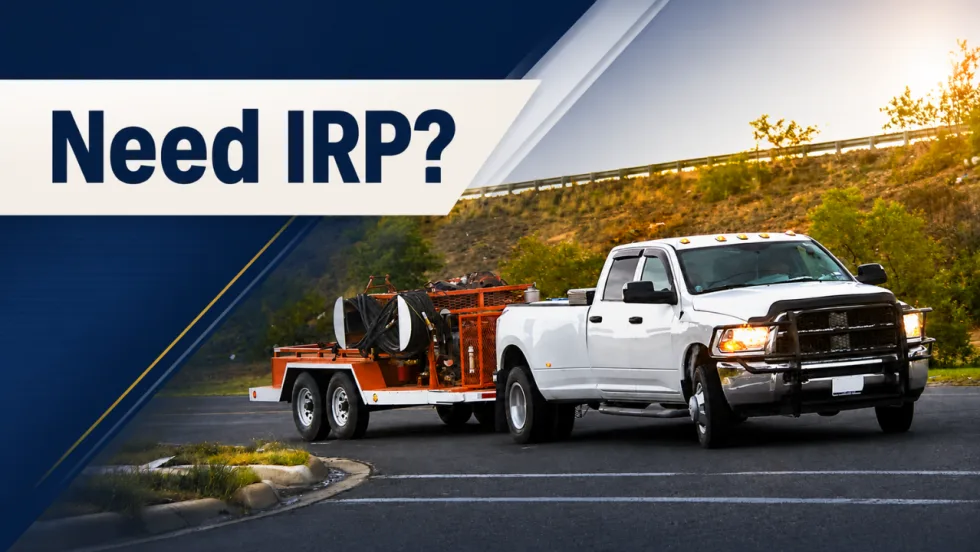
When Work Trucks Under 26,001 Pounds Need IRP Registration
Think trucks under 26,001 pounds are automatically in the clear when it comes to IRP? Not always. Learn where lighter vehicles can still run into trip permit, apportioned registration, and IFTA compliance requirements when crossing state or provincial lines.
Read More →
Volvo Trucks Releases New Safety Recommendations for Traveling with Pets
One of the most important recommendations for professional drivers traveling with pets is to ensure pets are properly restrained while the truck is moving. Other tips are available in the new guide from Volvo Trucks North America and Center for Pet Safety.
Read More →
API Issues Refueling Safety Guidelines
The American Petroleum Institute offers a list of safe vehicle refueling guidelines, including ways to avoid potential problems with static electricity discharges in fall, winter, and early spring.
Read More →


Winter Fleet Prep: Expert Tips to Keep Vehicles Running Smoothly
Cold weather can expose weak batteries, tires, fuel systems, and maintenance gaps fast. Use this winter fleet checklist to prepare trucks and drivers before temperatures drop.
Read More →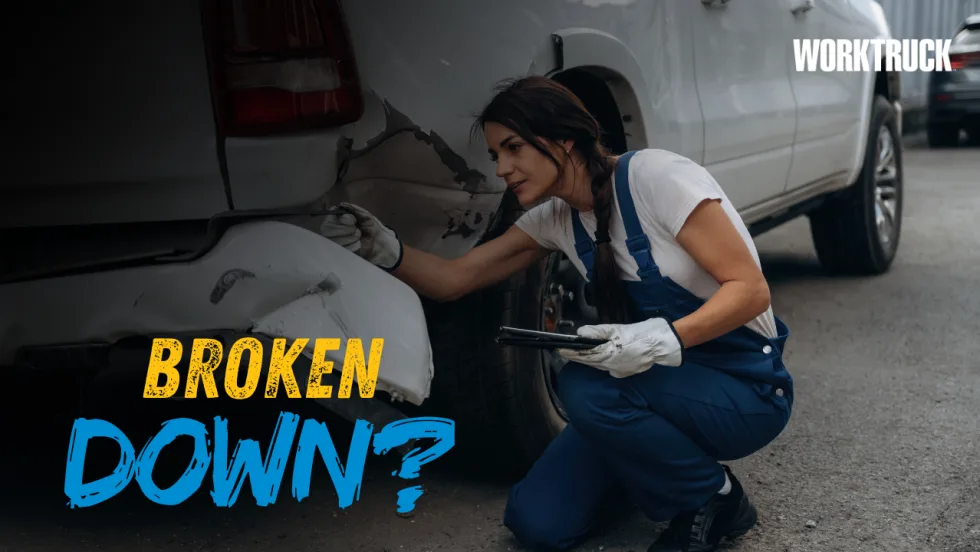
When a Work Truck Breaks Down, the Job Can Stop, Too
A work truck breakdown can stop more than the vehicle. Discover how payloads, jobsites, and specialty equipment change the roadside response.
Read More →
What Stronger Long-Term Fleet Service Partnerships Actually Require
Fleet service partnerships rarely fall apart all at once. Learn the three warning signs that trust is eroding and what fleets and providers can do before downtime, frustration, and lost revenue follow.
Read More →
Applause & TRUCE Software Partner to Improve Driver Safety Through AI-Powered Telematics & Employee Performance Management
Applause has integrated TRUCE driving metrics directly into its employee-first performance and safety platform that transforms mobile devices into AI-powered telematics.
Read More →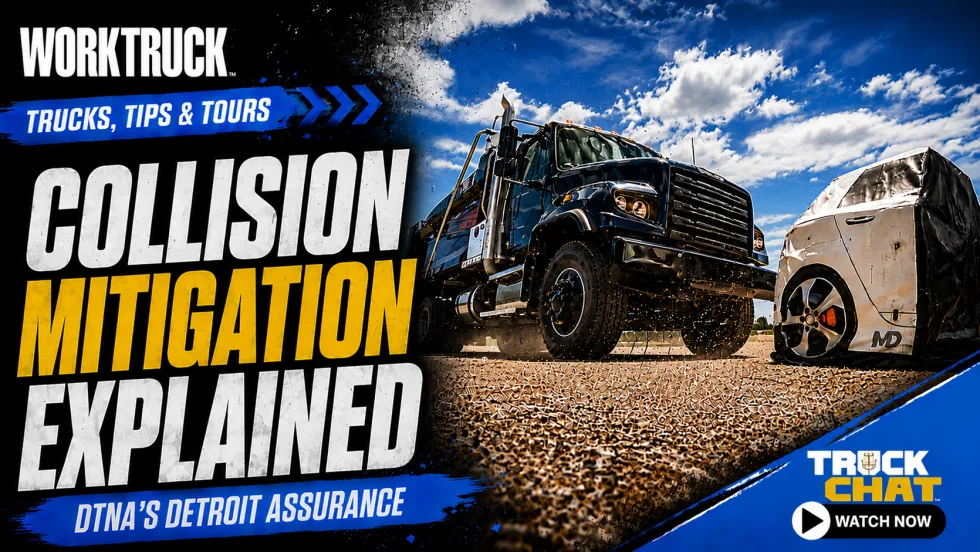
How Detroit Assurance with Active Brake Assist Works
Do you want to see what it is like to experience Detroit Assurance’s Active Brake Assist? In this video, Work Truck will put you in the cab to see how it all works and then hear more details from DTNA’s Mike Young.
Read More →
Get Left of Loss: A 5-Step Workplace Violence Prevention Framework for Fleet Operators
Violence risks do not stop at the driver’s door. Learn five practical steps fleets can take to spot threats early and protect workers before loss occurs.
Read More →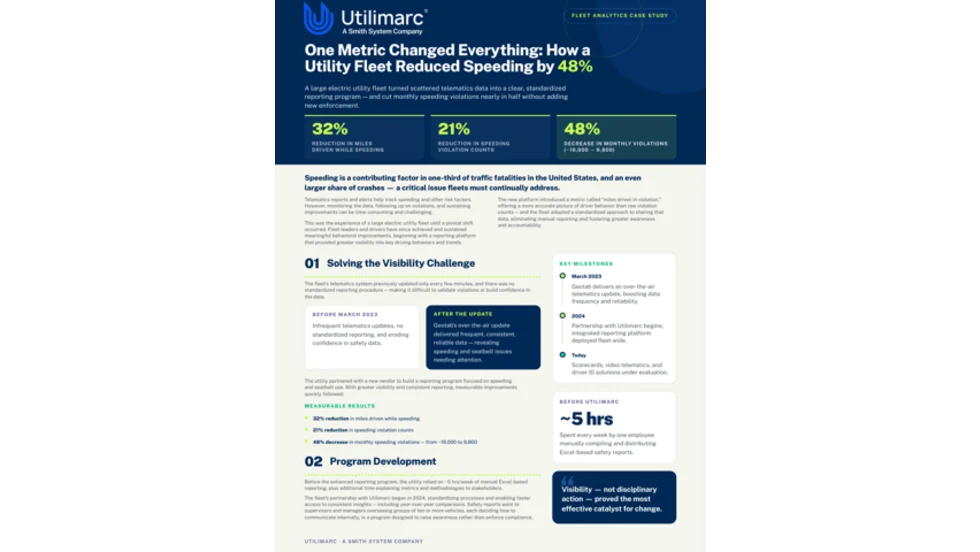
How Better Visibility Cut Speeding Violations by 48%
Fleet leaders don't need more data, they need clearer visibility into what the data is saying. This case study explores how one utility replaced speeding-event counts with a single metric — miles driven in violation — to strengthen safety and significantly reduce speeding violations.
Read More →