




NAVTEQ Powers Daimler Trucks' RunSmart Predictive Cruise Solution
CHICAGO - NAVTEQ, announced Daimler Trucks North America LLC has selected the NAVTEQ map to power the new RunSmart Predictive Cruise solution for its Cascadia line of vehicles.
CHICAGO - NAVTEQ, a global provider of digital map, traffic, and location data for in-vehicle, portable, wireless and enterprise solutions, announced Daimler Trucks North America LLC, a medium- and heavy-duty truck manufacturer has selected the NAVTEQ map to power the new RunSmart Predictive Cruise solution for its Cascadia line of vehicles. This innovative application will utilize the NAVTEQ map of the U.S. which includes attributes collected by NAVTEQ's geographic analysts that enable advanced driver assistance systems (ADAS).
By integrating the truck's cruise control system with GPS and NAVTEQ's slope and height data, RunSmart Predictive Cruise automatically fine tunes the set speed to reduce fuel consumption. While in route, the system appraises the upcoming changes in road terrain and adjusts the throttle accordingly, resulting in fuel savings. Daimler Trucks' implementation of NAVTEQ's ADAS attributes represents the industry's first commercial application of digital map data in a fuel efficiency system, independent of a navigation unit.
"At Daimler Trucks North America we are driven by the trucking industry's need to operate more efficiently," commented Elmar Boeckenhoff, vice president of truck product engineering, Daimler Trucks North America. "The accuracy of the road slope information provided by NAVTEQ maps enables RunSmart Predictive Cruise to ease the burden on the truck's engine when traversing challenging terrain."
NAVTEQ data provides the digital map foundation on which RunSmart Predictive Cruise relies. NAVTEQ's comprehensive digital maps includes millions of miles of road network including precise road coordinates, information on the direction of travel and slope data for over 200,000 miles of highway throughout the contiguous U.S.
"This compelling application shows first-hand how attributes collected by our geographic analysts can drive innovation and create intelligent applications," stated Bob Denaro, vice president, ADAS, NAVTEQ. "By tapping into the power of ADAS, Daimler Trucks is leveraging data and technology to drive down fuel consumption to benefit both the physical and fiscal environments."
ADAS attributes contained in the NAVTEQ map can be used to power virtually any vehicle ADAS application. This is accomplished through the introduction of ADAS attributes either via the vehicle's navigation system (by featuring the complete NAVTEQ map) or by means of a Map and Positioning Engine in the vehicle's subsystem that utilizes a compact version of the map containing only ADAS attributes and geometry. The incorporation of the map's ADAS attributes allows for the development of intelligent solutions that enable a safer, more efficient driving experience.
RunSmart Predictive Cruise will be available for order in Q3 2009.
More Technology & AI

Fleet Downtime, Truck Theft, and Electric Growth Lead This Month
Where is your fleet losing time? This Truck Chat recap connects repair delays, theft risks, storm planning, and lessons from scaling electric trucks.
Read More →
HCSS Partners with Verizon Connect to Deliver Fleet Intelligence for Construction Fleets
HCSS has integrated with Verizon Connect to provide near real-time fleet insights so contractors can spend less time tracking assets and more time keeping projects on schedule.
Read More →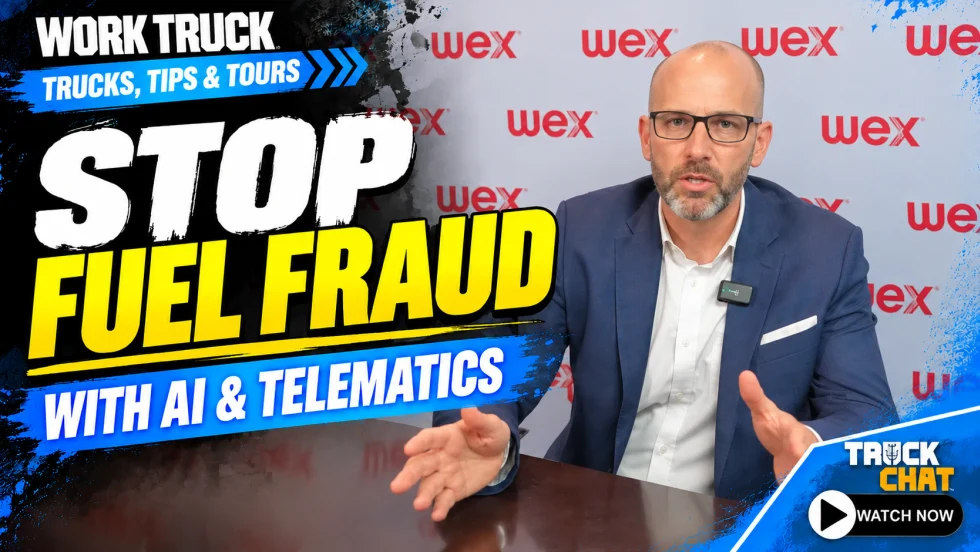
How Fleets Can Use Technology to Fight Fuel Fraud
Fuel fraud and theft remain significant challenges for commercial fleets, whether the problem involves third-party fraud or driver misuse. In this video, David Abraham of WEX explains how SecureFuel uses vehicle geolocation, telematics, transaction information, and AI to help fleet managers identify suspicious fuel purchases and make more informed decisions.
Read More →From Our Partners
Basic Tracking vs Next Generation Fleet Technology
Sponsored by AT&T Business

5 Facts Every Fleet Manager Should Know About Embedded Telematics
Sponsored by Stellantis/Mobilisights

How AI Video Telematics Boosts Driver Safety and Helps to Avoid Unnecessary Costs
Sponsored by Verizon Connect

Charting the 8 Bottom-Line Benefits of Workforce Optimization
Sponsored by Verizon Connect

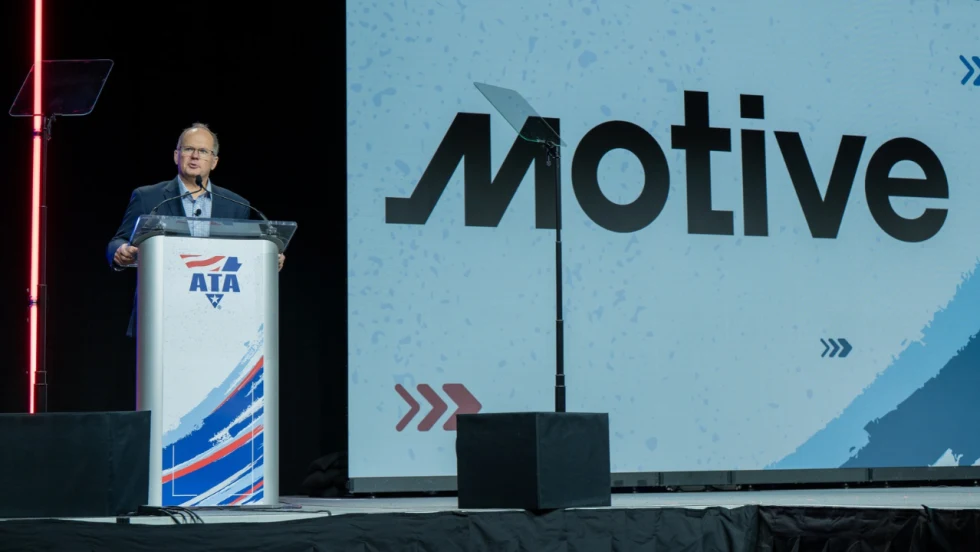
Can AI Agents Help Small Work Truck Fleets Do More With Less?
Motive's new AI Agents automate fleet safety, maintenance, compliance, and dispatch tasks. Here's how they work for smaller fleets, what managers control, and what early users are seeing.
Read More →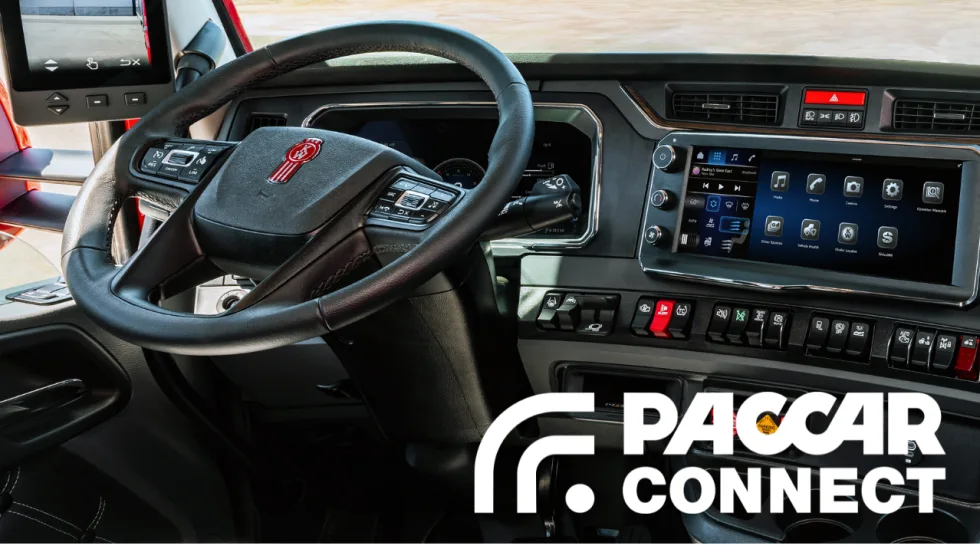
Paccar Launches Paccar Connect for Peterbilt and Kenworth Trucks
The new Paccar Connect offers touchscreen displays, telematics capabilities, and an expanding app ecosystem to boost productivity and streamline driver workflows.
Read More →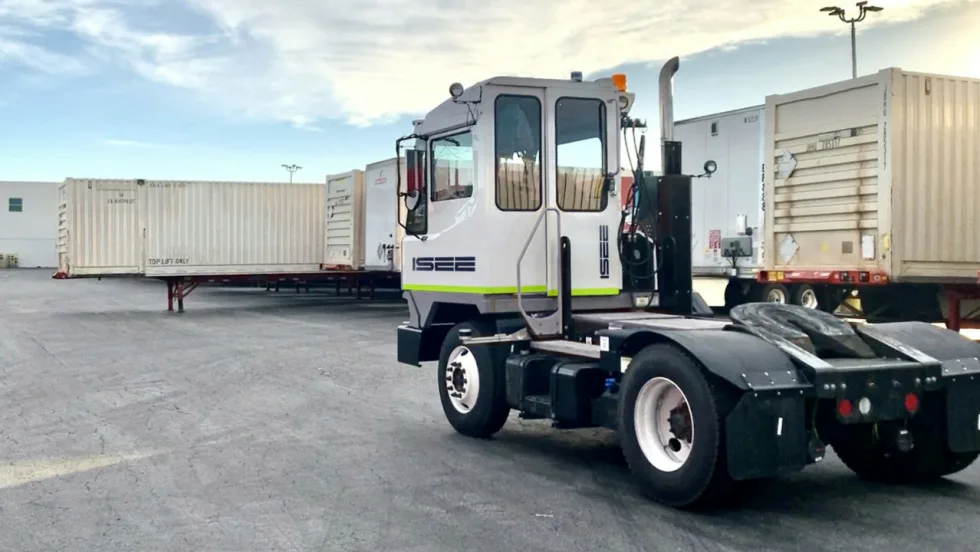
Holman and ISEE Partner to Expand Autonomous Yard Truck Operations
The partnership combines Holman's fleet management and upfitting capabilities with ISEE's autonomous driving technology to help businesses deploy and manage driverless yard trucks.
Read More →
Who You Gonna Call? Rivian Turns Electric Vehicles Into Ghostbusters Rides
Rivian teams up with Sony Pictures for a Ghostbusters-inspired Halloween software update, complete with custom sounds, lighting effects, and a special Ecto-R1.
Read More →
The Second Trip and What Missing Tools Really Cost a Service Business
For service fleets, missing tools and equipment can lead to second trips, lost technician time, higher operating costs, and delayed jobs. Equipment tracking can help HVAC, plumbing, electrical, landscaping, and other service businesses improve visibility and reduce downtime.
Read More →
GeoFencing Adds to Your Truck Security Arsenal
Geofencing is a familiar fleet tool today, but its early adoption marked a major shift in vehicle tracking, route monitoring, and the debate over employee privacy.
Read More →
Geotab Data Shows Regional Trucking Growing Faster as Last Mile Routes Get Denser
Geotab's first U.S. supply chain report finds stable long-haul activity, stronger regional freight movement, tighter hub-and-spoke utilization, and more last-mile trips on shorter routes.
Read More →