




Navistar First OEM to Reach 5 Million Hybrid Miles
WARRENVILLE, IL - The number of owners and operators of Navistar's hybrid-powered commercial vehicles is growing as hybrid trucks and buses become increasingly attractive to businesses looking to "green" their fleets and improve fuel economy.
WARRENVILLE, IL - The number of owners and operators of Navistar's hybrid-powered commercial vehicles is growing as hybrid trucks and buses become more and more attractive to businesses looking to "green" their fleets and improve fuel economy.
In fact, the popularity of these hybrid vehicles has helped Navistar become the first original equipment manufacturer (OEM) to accumulate more than 5 million real-world miles in the hands of customers driving hybrid-powered International trucks and IC Bus brand school and commercial buses.
"With a wide range of hybrid trucks and buses, we continue to be a leader in providing energy-saving, environmentally friendly transportation solutions," said Jack Allen, president, Navistar's North American truck group. "By developing clean vehicle technologies that reduce fuel consumption and greenhouse gas emissions, we're able to deliver significant savings to the customer's bottom line and, at the same time, help them reduce their overall carbon footprint."
In less than two years, Navistar has established itself as a leader in hybrid technology. In November 2007, Navistar launched the Class 6 medium-duty International DuraStar Hybrid, becoming the first OEM to enter assembly-line production of hybrid commercial trucks.
Building on the success of that platform, Navistar expanded its hybrid product portfolio in October 2008 with the Class 7 International DuraStar Hybrid Tractor, targeting general freight haulers and food/beverage distributors with diminishing loads. This past March, Navistar introduced the Class 7 severe service International WorkStar Hybrid 4x4, the industry's first hybrid four-wheel-drive commercial truck.
Depending on the specific application and other conditions, International hybrid trucks can deliver up to 40-percent fuel savings in stop-and-go driving and pick-up/delivery operations. Beyond the fuel savings potential, the hybrid trucks produce zero emissions when auxiliary equipment (such as an overhead utility bucket) operates solely on the truck's hybrid battery power.
"The continued success of these trucks on the road demonstrates not only the reliability of hybrid technology, but also the potential for significant fuel savings and emissions improvement within real-world applications," said George Survant, director of fleet services for Florida Power and Light and chairperson of the Hybrid Truck Users Forum (HTUF) Working Group.
President Barack Obama traveled to Navistar's Wakarusa, Ind., manufacturing facility to celebrate the award of a $39 million federal grant to develop and build all-electric delivery vehicles. Through this U.S. Department of Energy grant, Navistar plans to build 400 all-electric vehicles in 2010 and expects to produce several thousand vehicles annually within a few years. This zero-emissions all-electric delivery vehicle would be used primarily by drivers for local deliveries where stop- and-go driving would otherwise consume a large amount of fuel.
For decades, Navistar has demonstrated a commitment to clean diesel technologies that benefit the environment and its customers, according to company officials. In 1989, Navistar was the first original equipment manufacturer to release the smokeless diesel engine and, in 2001, Navistar was the first engine manufacturer to gain certification from the U.S. Environmental Protection Agency (EPA) for meeting particulate and hydrocarbon emissions standards - six years ahead of schedule.
More Green Fleet

Fleet Forward Conference Introduces One-Day Passes for 2026
New one-day registration gives fleet professionals the flexibility to attend Tuesday, Wednesday, or Thursday, with passes available for $199 through Sept. 18.
Read More →
CALSTART Rebrands as Catalyst Mobility, Will Combine with Forth in 2027
CALSTART has rebranded as Catalyst Mobility and will combine with Forth at the start of 2027. The new organization said it is poised to become one of the world's largest, strongest, and most impactful clean transportation nonprofits.
Read More →
Electric Truck and Charging Programs to Boost Sustainability at NY & NJ Ports
Together, the Port Authority of New York and New Jersey and CALSTART will electrify drayage and terminal operations serving the East Coast’s busiest container port. A pair of incentive programs totaling $45 million has launched to accelerate adoption of zero-emission drayage trucks and terminal tractors.
Read More →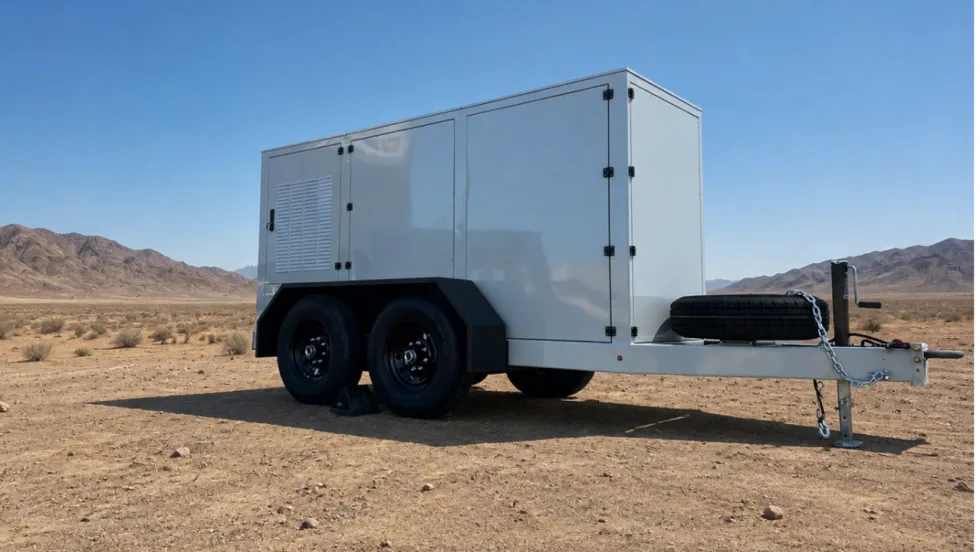
Xos Hub Surpasses One Gigawatt-Hour of Energy Delivered in the Field
A single Xos Hub has surpassed one gigawatt-hour of energy across more than 33,600 charging sessions in the field, demonstrating performance that supports Xos' expansion across new products and markets.
Read More →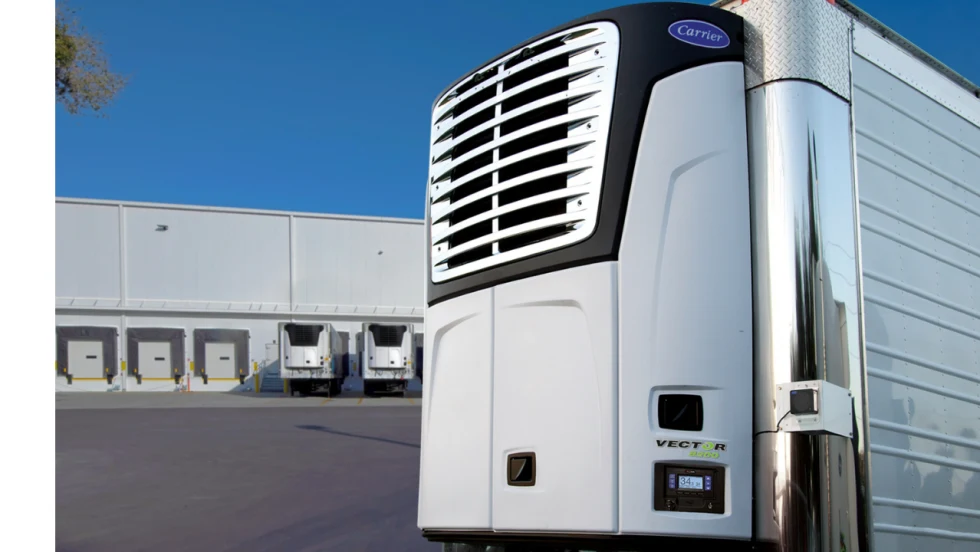
Carrier Transicold Launches All-Electric Vector 8200 TRU for Diesel-Free On-Site Cold Storage
Carrier Transicold’s first engineless multi-temperature TRU helps fresh- and frozen-food fleets add supplemental cold storage capacity during seasonal peaks.
Read More →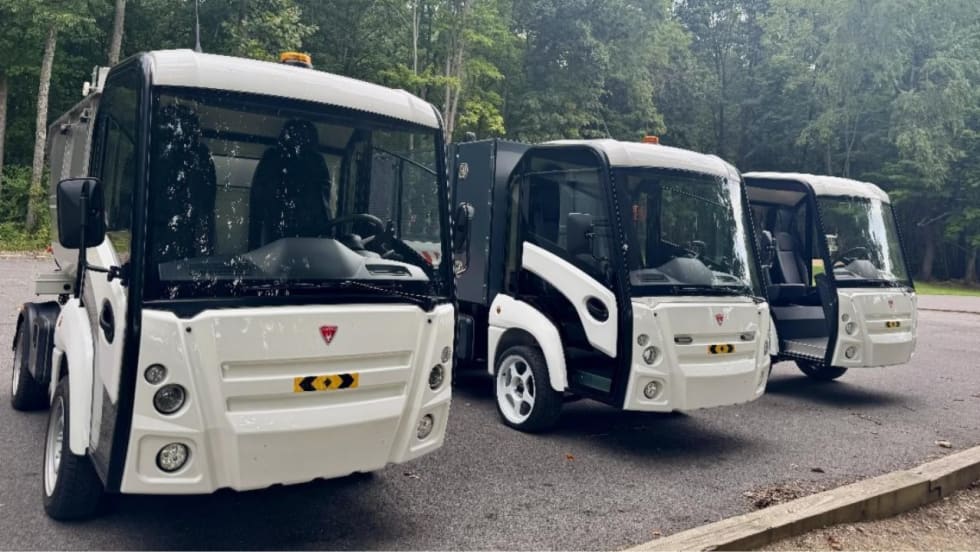
Narro Trucks Introduces Electric Utility Vehicle
Narro Trucks officially launched its operations on Aug. 20 and hosted a ride and drive to showcase its electric truck, which will be produced in Virginia.
Read More →
Samsung SDI Takes Full Control of GM Battery JV as Indiana Plant Pivots to Energy Storage
Samsung SDI is taking full control of its Indiana battery plant with GM, marking a major shift from the EV-focused joint venture Charged Fleet first covered in 2023.
Read More →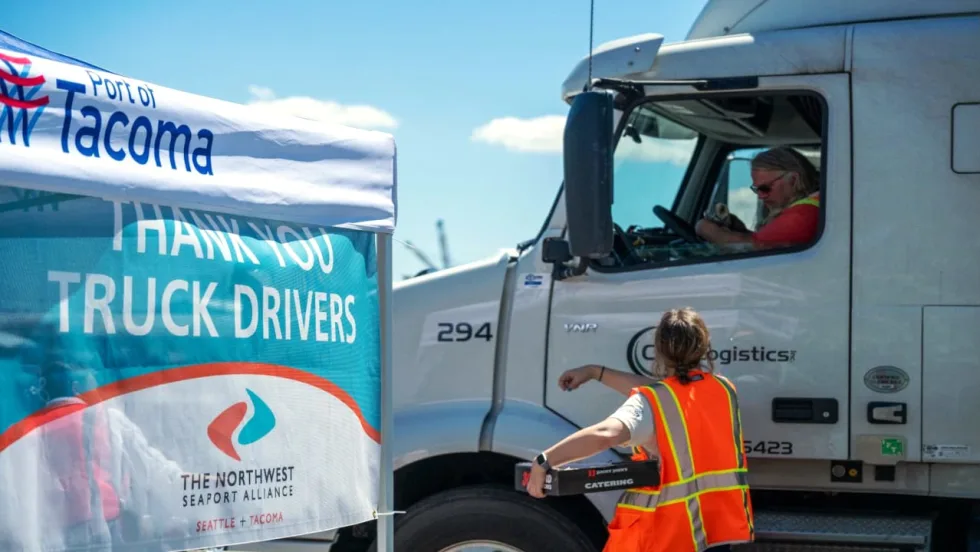
NWSA Taps CALSTART to Administer Zero-Emission Drayage Assistance Program
CALSTART will provide free technical assistance services to drayage fleets serving the Ports of Seattle and Tacoma and looking to transition to cleaner technologies and help decarbonize freight hubs.
Read More →
EV Fleet Reality Check: What Operators Wish They Knew Before Electrifying Their Work Vans
Electric work truck upfits bring new compatibility questions. Learn how parts availability, OEM guidance, power demands, and route planning can affect fleet performance.
Read More →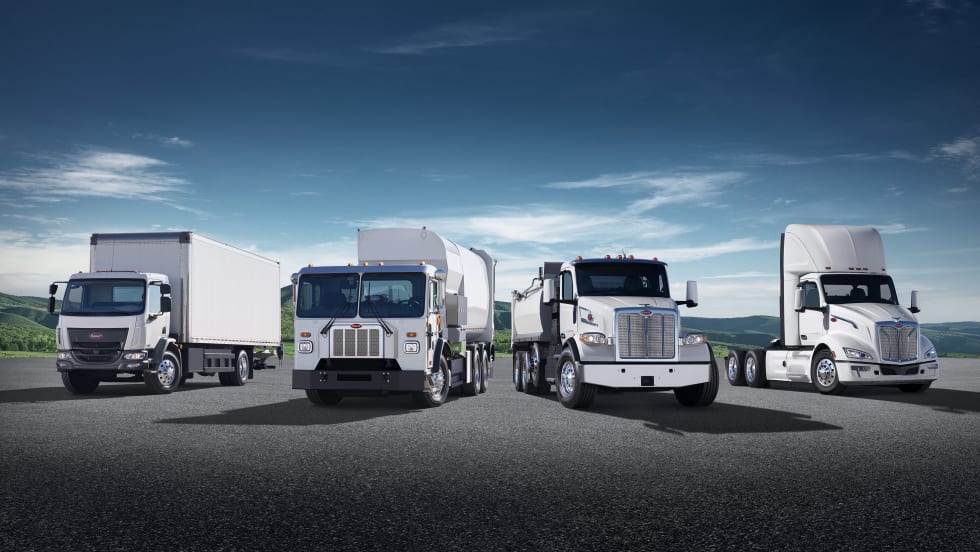
Peterbilt Expands Sourcewell Partnership with Electric Vehicle Lineup
Peterbilt Motors Company’s cooperative purchasing agreement with Sourcewell and its Canadian partner, Canoe Procurement Group, now includes including Peterbilt's battery-electric vehicle lineup.
Read More →