




National Safety Council: Traffic Crashes Killed More Than 44,000 in 2023
The National Safety Council, based on its preliminary analysis, estimates 44,450 people died in traffic crashes in 2023. That marks a slight decline from 2022, but a large increase compared to pre-pandemic 2019.

Preliminary analysis from the National Safety Council shows motor vehicle fatalities in the United States remain at a devastatingly high level, as an estimated 44,450 people died in traffic crashes in 2023. While it marks a 4% decline from 2022, compared to pre-pandemic 2019, it’s a 13.6% uptick.
Contributing Safety Issues
Safety issues such as speeding, distracted and impaired driving are all contributing factors to the tens of thousands of people lost in NCS called preventable crashes on U.S. roads each year. To address the importance of policies that support a Safe System Approach to eliminate motor vehicle fatalities, NSC and its advocacy partners are heading to Capitol Hill to meet with federal legislators during infrastructure week to advocate for much-needed change.
“The most dangerous thing most people in our country do in a single day is use the U.S. roadway system. This public health crisis is an atrocity that must continue to be addressed,” said Mark Chung, executive vice president of roadway practice at NSC. “No one should die getting to or from their homes, schools and workplaces, but the current system was not designed with the safety of all road users in mind.”
States with a Decrease in Fatalities
According to the analysis, 12 states experienced decreases in motor vehicle fatalities of 10% or more in 2023. Those states are:
Alaska
Maine
Delaware
Hawaii
Massachusetts
Connecticut
New Jersey
New Mexico
Utah
Georgia
New York
Louisiana
States with an Increase in Fatalities
Conversely, seven states and the nation’s capital experienced increases of 10% or more compared to 2022 preliminary estimates. In addition to the District of Columbia, those states are:
Rhode Island
Arizona
Idaho
Iowa
North Dakota
Maryland
Kentucky
Safe System Approach
Embracing the Safe System Approach at national, state, and local levels is a critical step toward eliminating traffic fatalities nationwide, NSC said.
The Safe System Approach takes a holistic look at road safety by examining five elements of a safe transportation system:
Road users
Speed management
Vehicles
Roads
Post-crash care
Over two years ago, the U.S. Department of Transportation adopted the approach in its National Roadway Safety Strategy and NSC joined as an Ally in Action, pledging to do its part to save lives on the roads. The road ahead may be long, but the shared commitment to saving lives is real and zero is possible, NSC added.
Data Increases/Decreases
Motor vehicle fatality estimates are subject to slight increases and decreases as data mature. The National Safety Council uses data from the National Center for Health Statistics, an arm of the CDC, so that deaths occurring within 100 days of the crash and on both public and private roadways – such as parking lots and driveways – are included in the council’s estimates.
The National Safety Council has calculated traffic fatality estimates since 1913. Supplemental estimate information, including estimates for each state, can be found online.
More Safety & Compliance

Crossing State Lines in a Light-Duty Work Truck? Check These Rules First
Crossing state lines in a lighter work truck? J.J. Keller's Kathy Close explains when IRP registration, trip permits, and towing rules come into play.
Read More →
GeoFencing Adds to Your Truck Security Arsenal
Geofencing is a familiar fleet tool today, but its early adoption marked a major shift in vehicle tracking, route monitoring, and the debate over employee privacy.
Read More →
Recalls You Need to Know About in October 2026
In October 2026, what recalls might impact your fleet? Work Truck has the answers in this comprehensive overview of recent NHTSA recalls.
Read More →From Our Partners



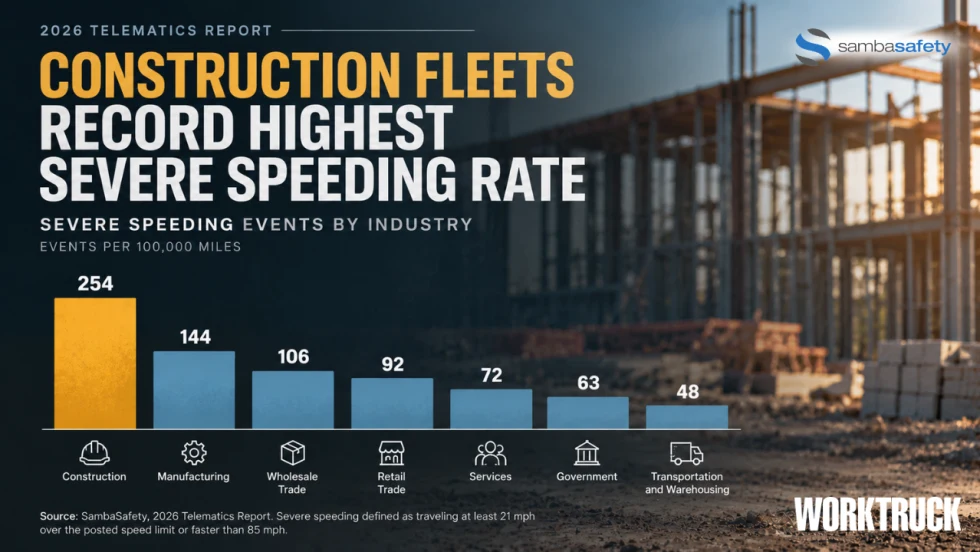
Construction Fleets Show Telematics Adoption Alone May Not Reduce Driving Risk
SambaSafety found construction fleets monitor roughly 92% of their vehicles but recorded the highest severe speeding rate among industries studied.
Read More →
Lytx Launches 360 Hub Kit for Expanded Fleet Camera Visibility
Lytx’s new AI-ready gateway and HD auxiliary camera ecosystem, the Lytx 360 Hub Kit, extends visibility across side, rear, cargo, and blind-zone views to help fleets see more and respond faster.
Read More →
Mack Defense Achieves Cybersecurity Maturity Model Certification Level 2
After an assessment conducted by an authorized Certified Third-Party Assessment Organization (C3PAO), Mack Defense has achieved Cybersecurity Maturity Model Certification (CMMC) Level 2.
Read More →
When Work Trucks Under 26,001 Pounds Need IRP Registration
Think trucks under 26,001 pounds are automatically in the clear when it comes to IRP? Not always. Learn where lighter vehicles can still run into trip permit, apportioned registration, and IFTA compliance requirements when crossing state or provincial lines.
Read More →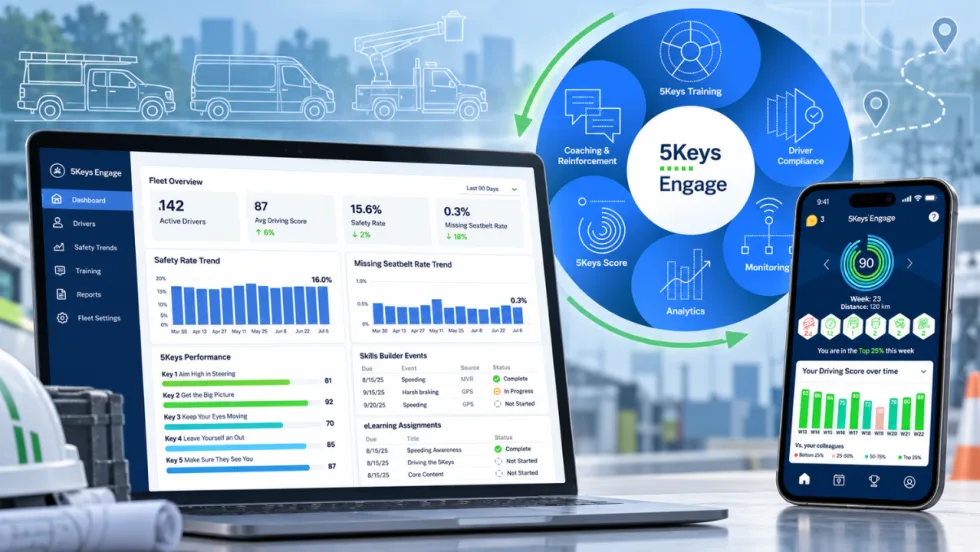
Smith System Wants Work Truck Fleets to Look Beyond the Driver Alert
Smith System’s new Driver Risk Management program is built to help mixed work truck fleets turn telematics alerts and observations into specific behaviors, coaching actions, and measurable follow-up.
Read More →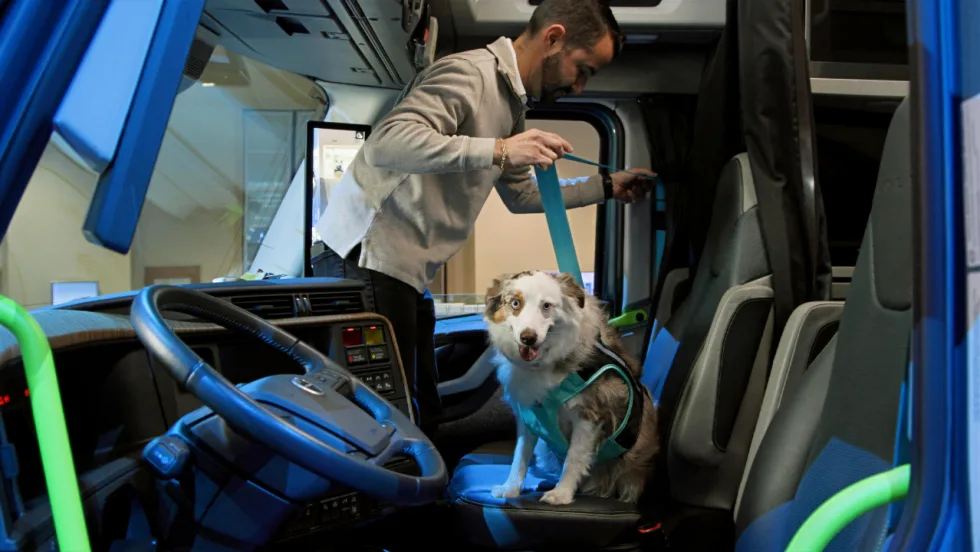
Volvo Trucks Releases New Safety Recommendations for Traveling with Pets
One of the most important recommendations for professional drivers traveling with pets is to ensure pets are properly restrained while the truck is moving. Other tips are available in the new guide from Volvo Trucks North America and Center for Pet Safety.
Read More →
Are Work Truck Drivers Warming Up to Dash Cams and GPS Tracking?
A new survey finds field-service drivers may be more comfortable with dash cams and GPS tracking than fleet managers think, especially when the technology helps protect them after a crash.
Read More →