




Michelin and Brembo Join Forces to Reduce Stopping Distance
Michelin and Brembo have partnered to bring together each other’s innovative technologies to reduce braking distances under all conditions. As a result, testing shortened stopping distances by an average of 13 feet.


Michelin is working with its smart-tire technology in partnership with brake-producer Brembo to use data and testing to reduce stopping distances.
Photo: Michelin
Michelin and Brembo have entered a global partnership to merge their innovative technologies and insights in the brake and tire categories. Initial tests show a reduction in braking distances of up to 13 feet regardless of tire wear in various road conditions.
For this partnership, Michelin and Brembo combined their expertise: excellence in braking systems, vehicle modeling, and artificial intelligence for Brembo; leadership in tire modeling and algorithm development for Michelin.
The innovation relies on the continuous exchange of real-time data between Michelin’s connected solutions software, which provides tire grip data to Brembo's innovative Sensify braking system. These unique tire insights enable engineers to fine-tune the braking system with exceptional precision, further enhancing Sensify’s characteristics.
Using Data for Real-Time Tire Insight
Michelin’s tire-connected solutions rely on the group’s recognized expertise in tire physics modeling and simulation used in tire development. Thanks to their unique know-how in live vehicle data analysis, Michelin has developed a software portfolio able to provide real-time information to the car, such as wear (Michelin SmartWear), load (Michelin SmartLoad) and grip (Michelin SmartGrip). However, Michelin’s software works with all tire brands.
“We are thrilled to join forces with a brand like Brembo, a leader in its field. Our shared passion for innovation and excellence allows us to take a new step forward in enhancing user safety,” said Serge Lafon, president of the business line automotive original equipment at Michelin. “Today, Michelin is a “data-driven company” where simulation and software development are essential tools in the real-time monitoring of tires.”
Sensify Uses AI to Control Each Wheel’s Braking
Brembo’s Sensify sets a new benchmark for braking systems, natively developed for any modern vehicle. Its high flexibility, scalability, and adaptability make it easy to integrate into any model. Sensify combines Brembo’s world-renowned braking components with a digital brain that leverages AI, algorithms, and sensors to independently control each wheel.
The result, according to Brembo, is one of the most advanced braking systems designed to deliver exceptional driving experience and enhanced safety.
“At Brembo, we believe in the power of technology and artificial intelligence,” said Daniele Schillaci, CEO of Brembo. “In fact, we are increasingly becoming a company combining software capabilities with our expertise in the corner of the vehicle, mastering calipers, discs, and friction materials with a unique know-how. Sensify represents the new standard in braking that will target a zero-accidents vision. This partnership with Michelin illustrates the power of collaboration and innovation in the automotive industry.”
Testing Methodology & Results
The initial tests performed virtually and in the field are very promising. In the first phase, Michelin's tire models and algorithms were integrated with Brembo's intelligent braking models and vehicle simulations in a fully virtual environment. In the second phase, physical tests were conducted on tracks at Michelin's Research Center, where the simulation results were confirmed.
The tests demonstrated braking distance reductions that can reach up to 13 feet during ABS events, with the same tires in various conditions.
The braking system also showed quicker response time, minimized traction loss, improved lateral stability, and the absence of wheel locking. All these factors contribute to a smoother, more comfortable driving experience.
More Safety & Compliance
Recalls You Need to Know About in October 2026
In October 2026, what recalls might impact your fleet? Work Truck has the answers in this comprehensive overview of recent NHTSA recalls.
Read More →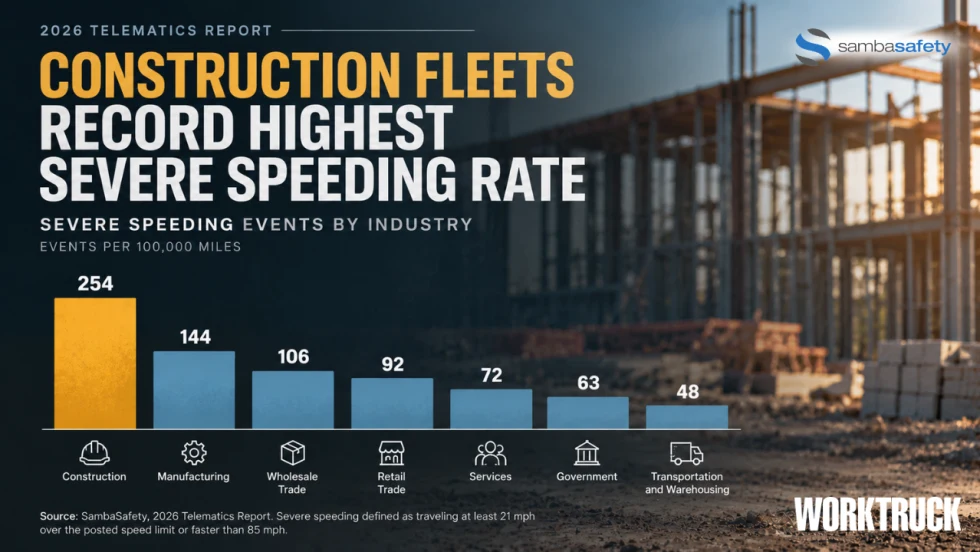
Construction Fleets Show Telematics Adoption Alone May Not Reduce Driving Risk
SambaSafety found construction fleets monitor roughly 92% of their vehicles but recorded the highest severe speeding rate among industries studied.
Read More →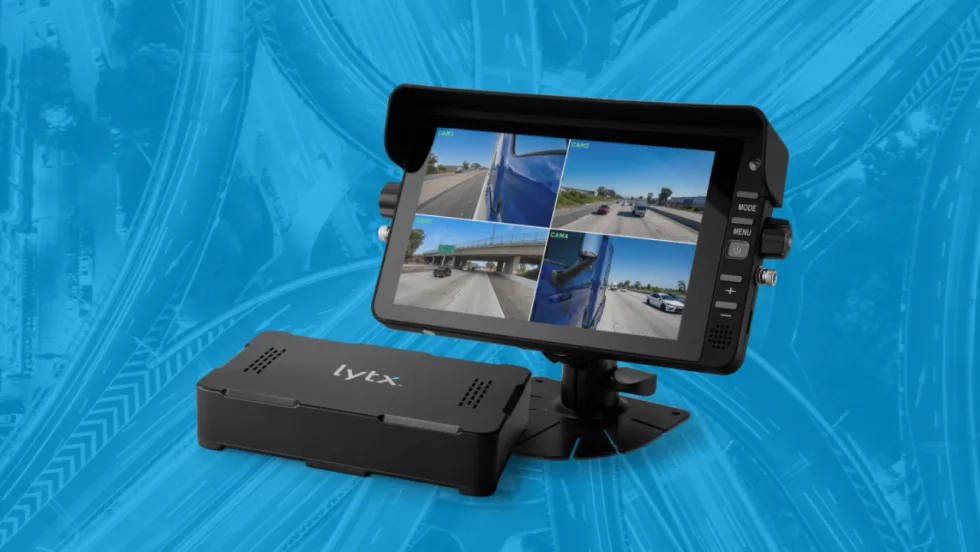
Lytx Launches 360 Hub Kit for Expanded Fleet Camera Visibility
Lytx’s new AI-ready gateway and HD auxiliary camera ecosystem, the Lytx 360 Hub Kit, extends visibility across side, rear, cargo, and blind-zone views to help fleets see more and respond faster.
Read More →From Our Partners


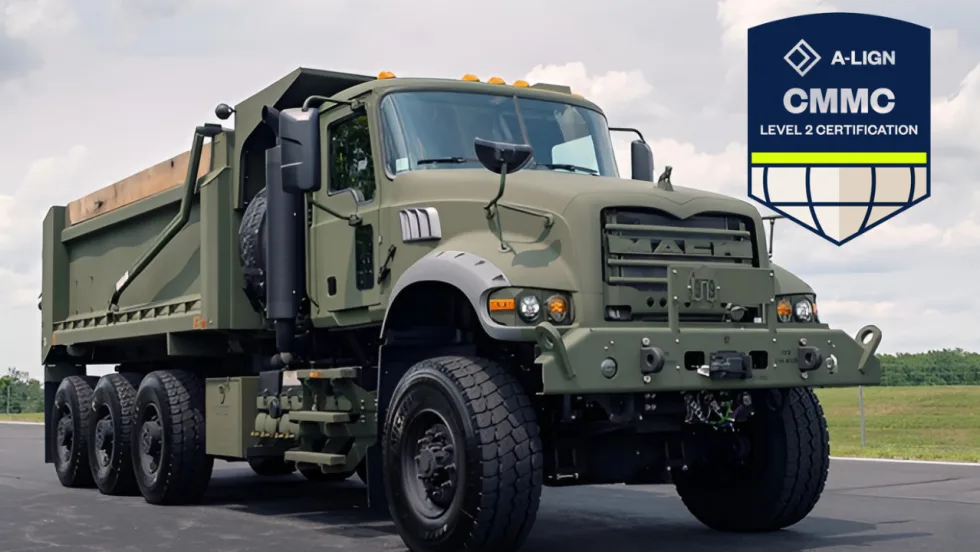
Mack Defense Achieves Cybersecurity Maturity Model Certification Level 2
After an assessment conducted by an authorized Certified Third-Party Assessment Organization (C3PAO), Mack Defense has achieved Cybersecurity Maturity Model Certification (CMMC) Level 2.
Read More →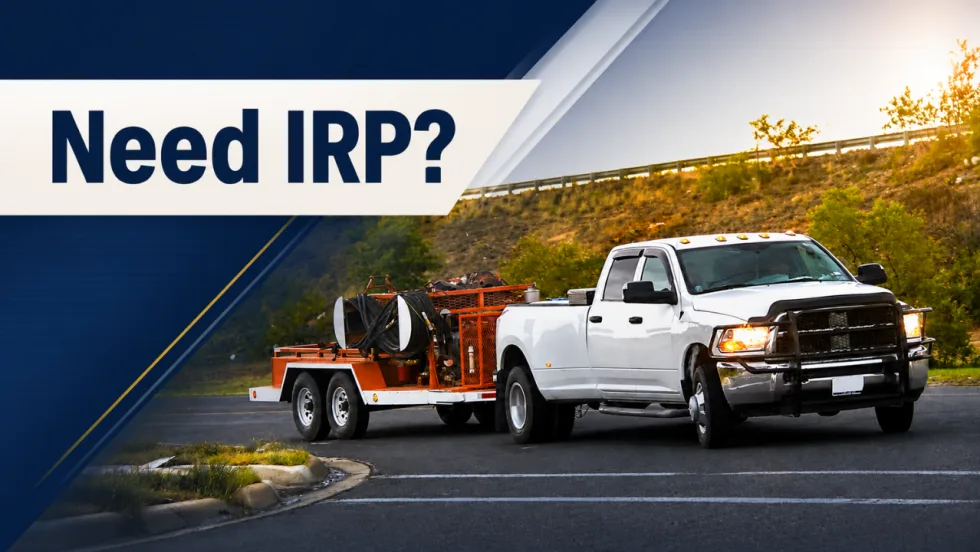
When Work Trucks Under 26,001 Pounds Need IRP Registration
Think trucks under 26,001 pounds are automatically in the clear when it comes to IRP? Not always. Learn where lighter vehicles can still run into trip permit, apportioned registration, and IFTA compliance requirements when crossing state or provincial lines.
Read More →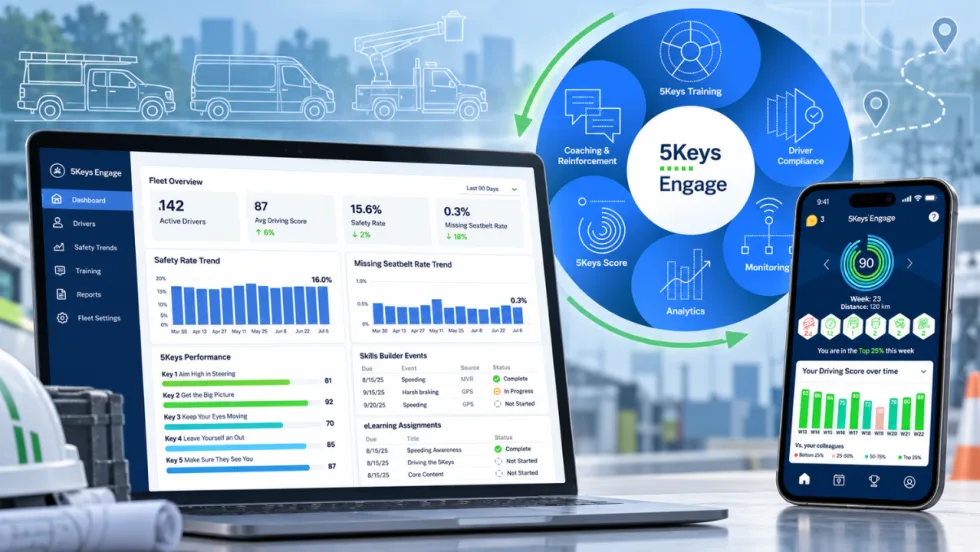
Smith System Wants Work Truck Fleets to Look Beyond the Driver Alert
Smith System’s new Driver Risk Management program is built to help mixed work truck fleets turn telematics alerts and observations into specific behaviors, coaching actions, and measurable follow-up.
Read More →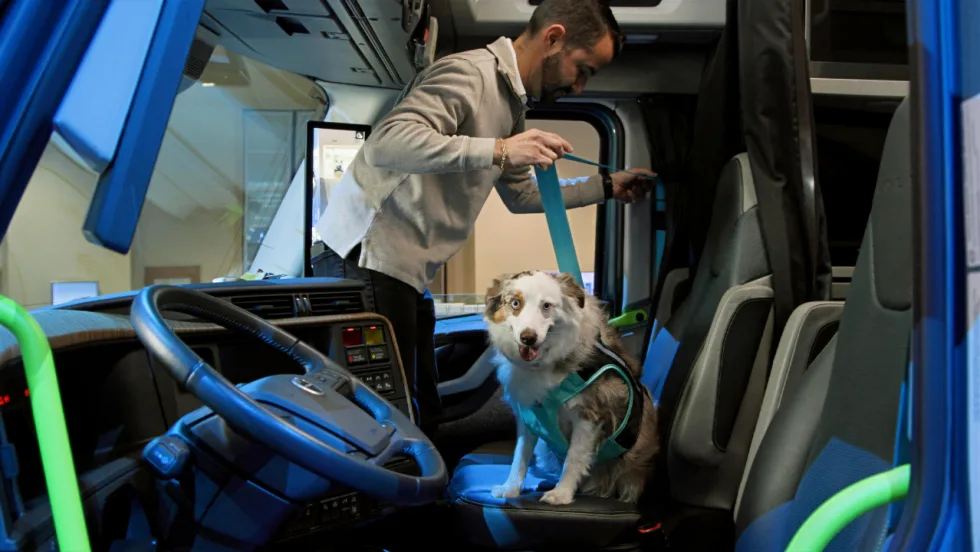
Volvo Trucks Releases New Safety Recommendations for Traveling with Pets
One of the most important recommendations for professional drivers traveling with pets is to ensure pets are properly restrained while the truck is moving. Other tips are available in the new guide from Volvo Trucks North America and Center for Pet Safety.
Read More →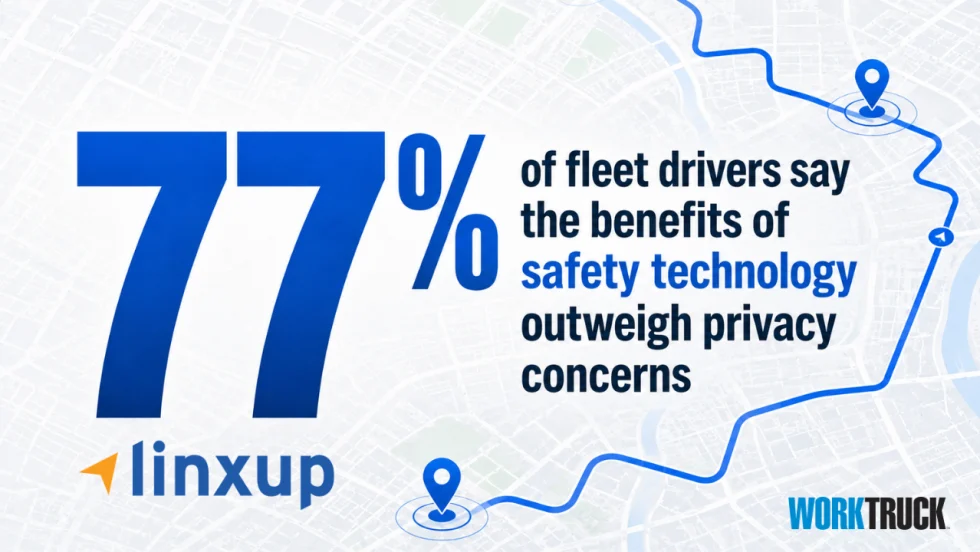
Are Work Truck Drivers Warming Up to Dash Cams and GPS Tracking?
A new survey finds field-service drivers may be more comfortable with dash cams and GPS tracking than fleet managers think, especially when the technology helps protect them after a crash.
Read More →
Recalls You Need to Know About in September 2026
If you have Altec, Chrysler, Ford, Heil, General Motors, International, Mack Trucks, Paccar, Rivian, Royal Truck, Toyota, US Truck Body, or Volvo Trucks vehicles in your fleet, you should check these important recalls issued by the National Highway Safety Administration.
Read More →
API Issues Refueling Safety Guidelines
The American Petroleum Institute offers a list of safe vehicle refueling guidelines, including ways to avoid potential problems with static electricity discharges in fall, winter, and early spring.
Read More →