




Johnson Controls Delivers a Solution to Tire Pressure Worries

Tire pressure monitoring, which is capturing the interest of consumers and garnering national media attention, is about to become easier with the introduction of the PSI Mirror -- a tire-pressure monitoring system -- from Johnson Controls. The rear-view mirror -- available in January 2001 as a dealer-installed accessory -- includes an integrated display that provides timely information about air pressure in all vehicle tires. It also provides warning alerts about low tire pressures that can be seen on the display, and heard via an audible sound. Johnson Controls unveiled the market-ready PSI Mirror this week at the 2000 Specialty Equipment Market Association (SEMA) show in Las Vegas. Beginning in January, Johnson Controls will market the PSI mirror through authorized dealers across North America as an optional accessory. It can be installed in less than 30 minutes. Price for the system is yet to be announced. "As a leading supplier of automotive interior systems and electronics, we are committed to offering vehicle technologies that enhance comfort, convenience and peace of mind," said Jeff Steiner, general manager of the Specialty Products Group at Johnson Controls. "The PSI Mirror -- with its superior technology, reliability and ease-of-use -- reflects this commitment." The PSI Mirror uses radio frequency (RF) technology to deliver timely and accurate pressure information within plus or minus one pound per square inch (psi). Small transmitters integrated into special tire valves send data directly to a receiver integrated within a windshield-mounted rear-view mirror. When the system is activated, actual tire pressures are shown on a back-lit display. Warning alerts are given when tire pressures fall below 25 psi, and when tire pressures are extremely low -- less than 15 psi. Johnson Controls' PSI technology can be used with standard radial tires and extended mobility tires, which often are called "run flats." Included in the PSI Mirror kit are a prismatic rear-view mirror with integrated PSI electronics and a display, valve-stem pressure sensors, batteries, installation instructions and a user's guide. PSI systems from Johnson Controls will be included as original-equipment features on a number of model-year 2002 vehicles. The technology's receiver circuitry and display can be integrated into rear-view mirrors, instrument panels and overhead consoles. PSI products offer many advantages over competitive technologies. They provide much more accurate and reliable information, and look like original-equipment installations, rather than non- integrated "add-ons." "The PSI Mirror product is unlike competitive products being marketed today in that it is integrated into a vehicle interior as if it was original, factory equipment," Steiner said. "Johnson Controls, with strong expertise in integrating electronic products into cars and trucks, designed, engineered and tested the product for both original-equipment and dealer-accessory market applications."
More Maintenance & Uptime

Entegral & GEICO Partner to Enhance Auto Claims Experience
GEICO is deploying Entegral technology to support more efficient claim routing, clearer appointment communications, and more informed repair-provider selection.
Read More →
BendPak Opens Third Distribution Center to Accelerate Delivery
With the opening of a new distribution center in Milford, Connecticut, BendPak has expanded its network to deliver to 92% of Americans in two days or less. The company now operates three distribution centers.
Read More →
New STLE Special Report Examines Next-Generation Gear Lubricants for Electric Vehicles
Achieving the right balance of efficiency, durability, and electrical performance is critical in high-speed electric-vehicle drivetrains. The Society of Tribologists and Lubrication Engineers (STLE) released its new special report about EV lubrication.
Read More →From Our Partners
Basic Tracking vs Next Generation Fleet Technology
Sponsored by AT&T Business

5 Facts Every Fleet Manager Should Know About Embedded Telematics
Sponsored by Stellantis/Mobilisights

How AI Video Telematics Boosts Driver Safety and Helps to Avoid Unnecessary Costs
Sponsored by Verizon Connect

Charting the 8 Bottom-Line Benefits of Workforce Optimization
Sponsored by Verizon Connect

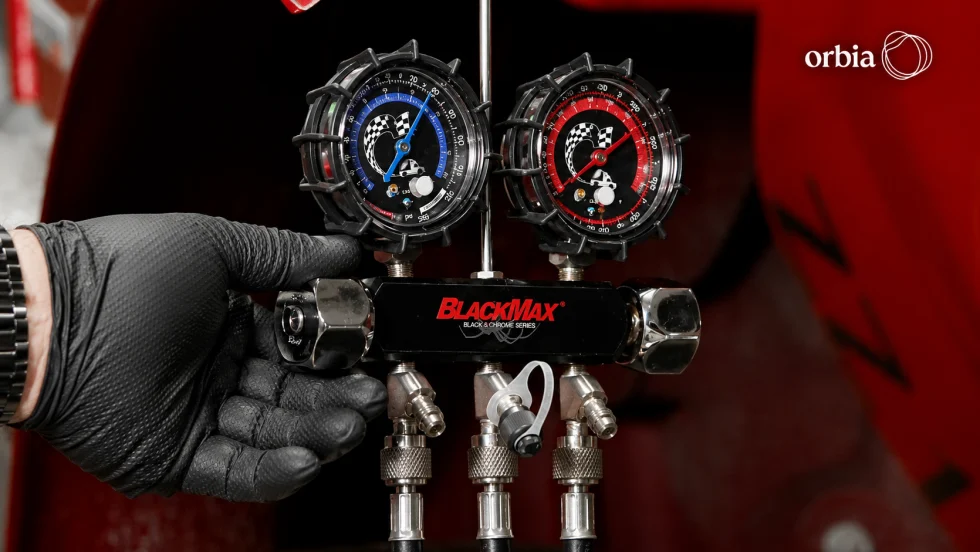
The Lost Art of Refrigerant Recovery
As new A/C refrigerants enter the market, fleet shops may already have many of the tools they need to service them. Here’s why revisiting basic refrigerant service skills could save equipment costs and get trucks back on the road faster.
Read More →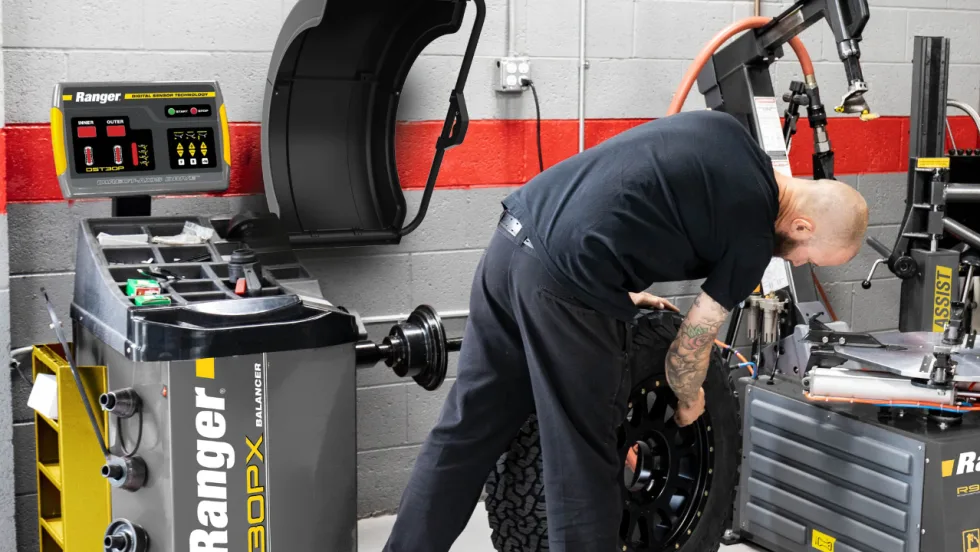
BendPak Launches Ranger DST30PX Balancer for Large Wheel Service
The new DST30PX Professional Wheel Balancer from Ranger Division of BendPak smoothly handles tires up to 43 inches with precision and accuracy.
Read More →
Kooner and Global Partners Connect Mobile Fleet Maintenance and Fueling Services
A new referral partnership connects on-site fueling and maintenance services, with a focus on reducing off-site trips and making better use of fleet downtime.
Read More →
Maintenance Failures That Sideline Work Trucks and the Inspection List That Catches Them Early
Unplanned downtime hurts efficiency and even profitability for work truck fleets, but catching potential problems early can help prevent it. Here is an inspection list that can help potentially prevent that downtime.
Read More →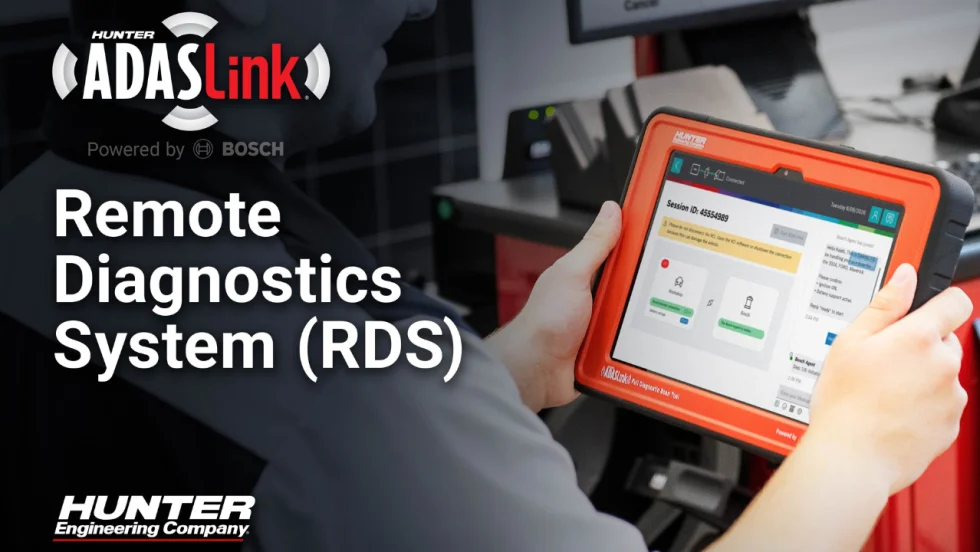
Hunter Engineering Enters Collaborates with Bosch for Remote Diagnostics Service Through ADASLink
Hunter Engineering’s collaboration with Bosch enables ADASLink to connect directly with Bosch diagnostic experts through an integrated remote support platform, allowing shops to service more vehicles.
Read More →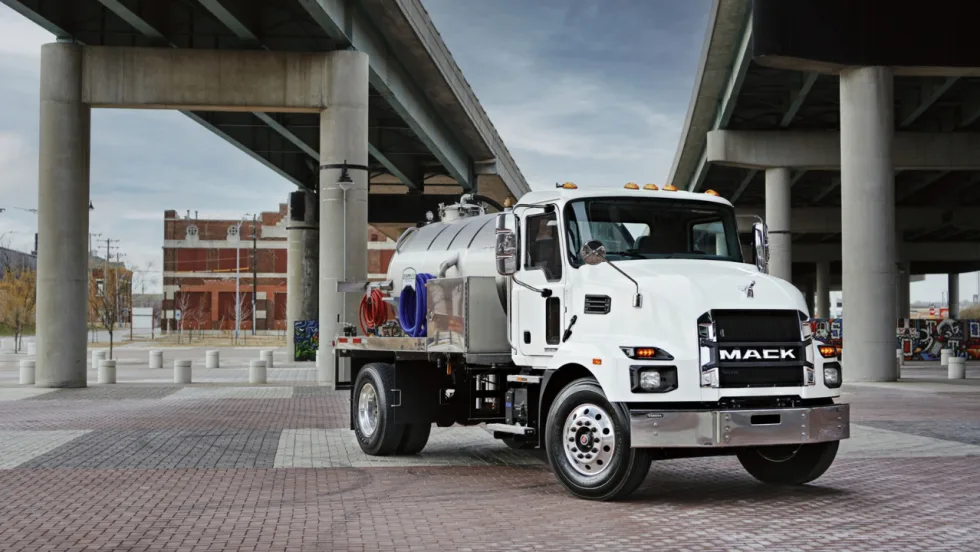
Mack Adds Chassis Coverage Options for Fleet Repair Costs
Mack Trucks introduced four system-specific chassis coverage plans, giving fleets more flexibility to manage repair costs for driveline, HVAC, electronics, safety systems, and other components.
Read More →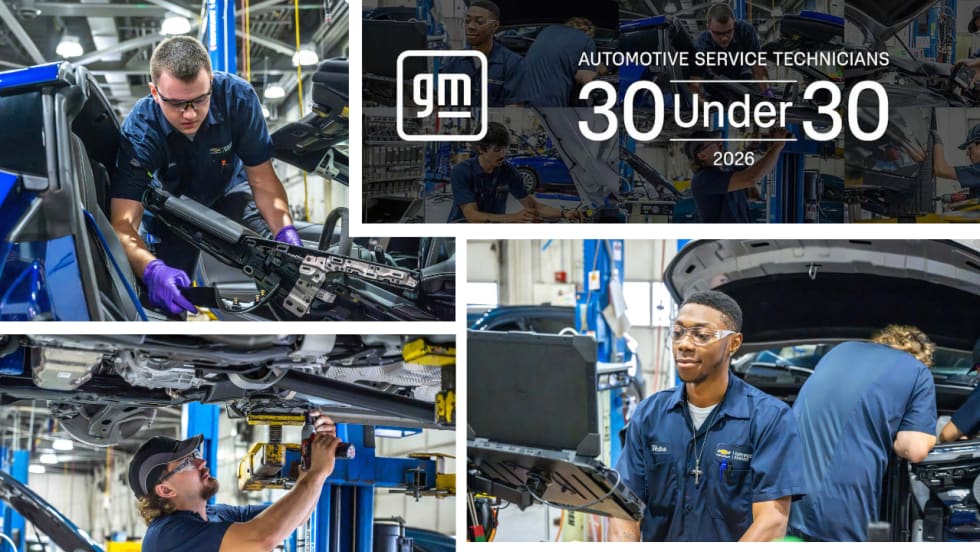
GM Launches ‘30 Under 30’ Program to Elevate Automotive Service Technicians and Inspire the Next Generation
The GM Automotive Service Technicians 30 Under 30 program honors GM service technicians under the age of 30 who demonstrate continuous technical training, exemplary customer service, mentorship, and leadership.
Read More →