



Learn More: IntelliShift Collaborates with Ford Commercial Solutions
IntelliShift Report Reveals Increased Need for Telematics
In today’s rapidly evolving landscape, fleet and asset-driven companies require speed, agility and real-time business insights to respond to emerging threats and maximize ROI.
April 5, 2021

Photo: IntelliShift
3 min to read
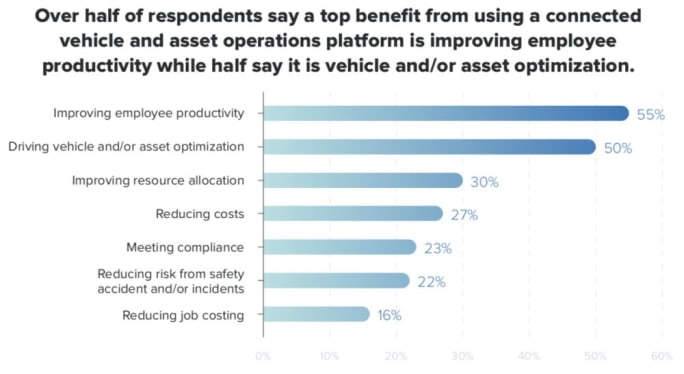
Over half of respondents (57%) say they save one to five hours per week on process or workflows, with almost one in five (16%) saving six to 10 hours and one in 10 (10%) saving over 10 hours each week.
Photo: IntelliShift
IntelliShift released findings from a survey of 227 customers across a variety of industries. The 2021 State of Connected Operations Report: Customer Insights and Trends reveals the pain points that drive investments in transformative technologies and how successful implementations of technology platforms are translating to safety, efficiency and productivity improvements, as well as increased ROI.
According to IntelliShift, the report demonstrates how those that fail to act – continuing to operate with siloed data – struggle to meet rapidly changing business conditions and fall behind their more proactive peers.
Disconnected systems have long plagued the telematics industry, preventing data from being leveraged as a strategic asset in delivering business value. This sentiment clearly emerged in the survey as the most important determinant in selecting a platform – having access to real-time, non-siloed data. Three in five respondents labeled this factor as their top priority and 86% noted that access to non-siloed data has provided deep insights for their organization, drastically improving operations.
Additional priorities identified as critical are ease of use and/or implementation (55%) and leveraging a unified, all-in-one platform that not only collects data, but synthesizes it to provide actionable or predictive insights (40%).
When asked what is most important for this data to help within their organizations, the responses reveal that cost reduction and resource management of people and/or assets rose to the top at 45% and 38% respectively, followed closely by increased monetization of vehicles and assets (30%), connecting operations processes (20%), and business intelligence (17%). Connected vehicle and asset operations platforms make it possible to eliminate redundant, inefficient or error-prone processes to drive cost-savings across organizations.
“Access to on-demand data and end-to-end operational intelligence is critical, particularly in an industry where assets are constantly on the move,” said Ryan Wilkinson, Chief Technology Officer, IntelliShift. “As we’ve seen with our customers, gaining these actionable insights through the right technology platform can increase agility and speed. It also sets the foundation for intelligently predicting and optimizing business performance, as well as understanding how individual and departmental KPIs ladder up to create a winning organization.”
Additional findings highlight key benefits of connected vehicle and asset operations platforms:
Streamlined processes. Seven in 10 respondents (70%) say that process optimization has increased since deploying a connected vehicle and asset operations platform.
Significant time savings. Over half of respondents (57%) say they save one to five hours per week on process or workflows, with almost one in five (16%) saving six to 10 hours and one in 10 (10%) saving over 10 hours each week.
Enhanced visibility. Almost four in five respondents (78%) say they have more visibility into fleet operations now that they are using the platform while almost two in five (38%) have greater visibility into safety and one-third (33%) into maintenance.
Increased focus on improving the bottom line. Nine in 10 respondents (90%) say these platforms allow them to focus their time on other tasks to improve the company’s bottom line, while four in five (80%) say they’ve seen increased ROI with a connected vehicle and asset operations platform.
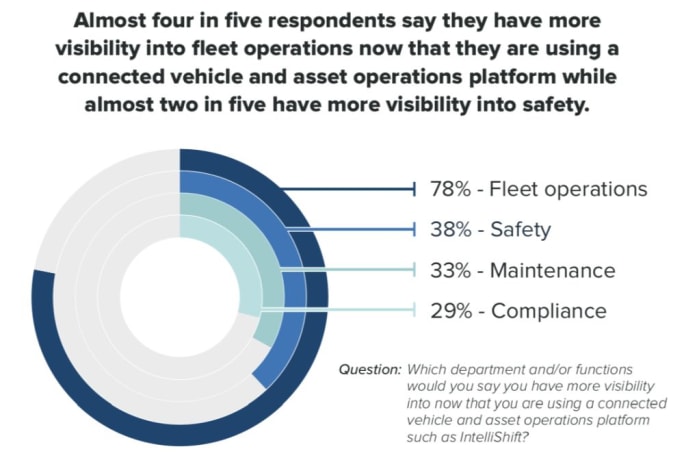
Almost four in five respondents (78%) say they have more visibility into fleet operations now that they are using the platform while almost two in five (38%) have greater visibility into safety and one-third (33%) into maintenance.
Photo: IntelliShift
In a crowded market, having the right connected vehicle and asset operations technology partner is key to success. IntelliShift’s customers have noted top improvements over other solutions, including process optimization (70%), increased use of operational data over the past six to 12 months (71%) and ability to track and monitor vehicle routes (19%). Most notably, 94% of IntelliShift’s customers would recommend its platform, with ease of use, real-time data and customer service each ranked as top reasons.
Topics:Technology & AI
More Technology & AI
What Fleet Managers Should Measure Beyond Vehicle Location
Knowing where your trucks are is only part of managing fleet performance. From vehicle utilization and fuel costs to driver behavior and downtime, these seven key metrics can help smaller fleets identify inefficiencies and make better decisions without getting buried in data.
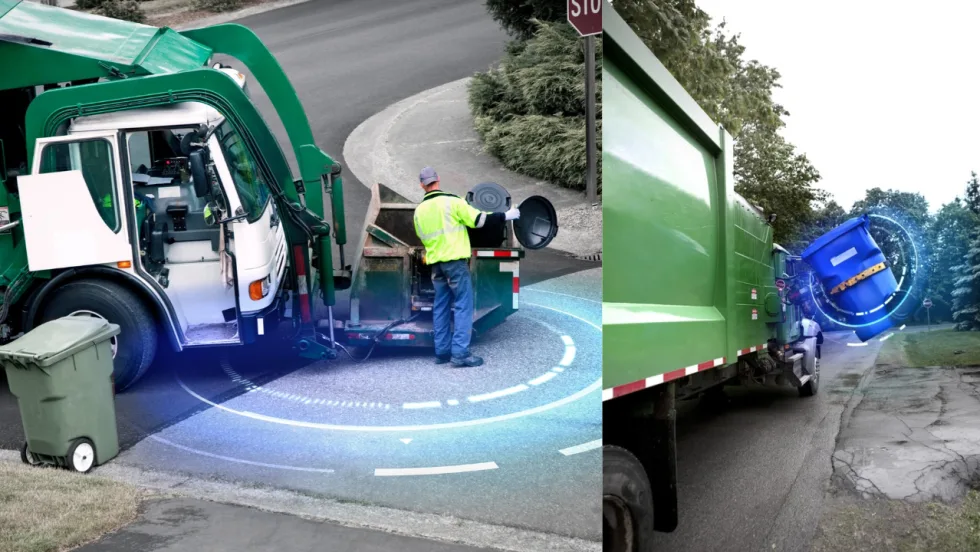
Lytx, WasteVision AI Integration Helps Waste Fleets Identify Missed Revenue
New integration uses existing fleet cameras to detect overflowing containers, recycling contamination, and service activity, helping waste fleets improve billing accuracy.
Fleet Downtime, Truck Theft, and Electric Growth Lead This Month
Where is your fleet losing time? This Truck Chat recap connects repair delays, theft risks, storm planning, and lessons from scaling electric trucks.
From Our Partners
Basic Tracking vs Next Generation Fleet Technology
Sponsored by AT&T Business
5 Facts Every Fleet Manager Should Know About Embedded Telematics
Sponsored by Stellantis/Mobilisights
How AI Video Telematics Boosts Driver Safety and Helps to Avoid Unnecessary Costs
Sponsored by Verizon Connect

Charting the 8 Bottom-Line Benefits of Workforce Optimization
Sponsored by Verizon Connect

HCSS Partners with Verizon Connect to Deliver Fleet Intelligence for Construction Fleets
HCSS has integrated with Verizon Connect to provide near real-time fleet insights so contractors can spend less time tracking assets and more time keeping projects on schedule.
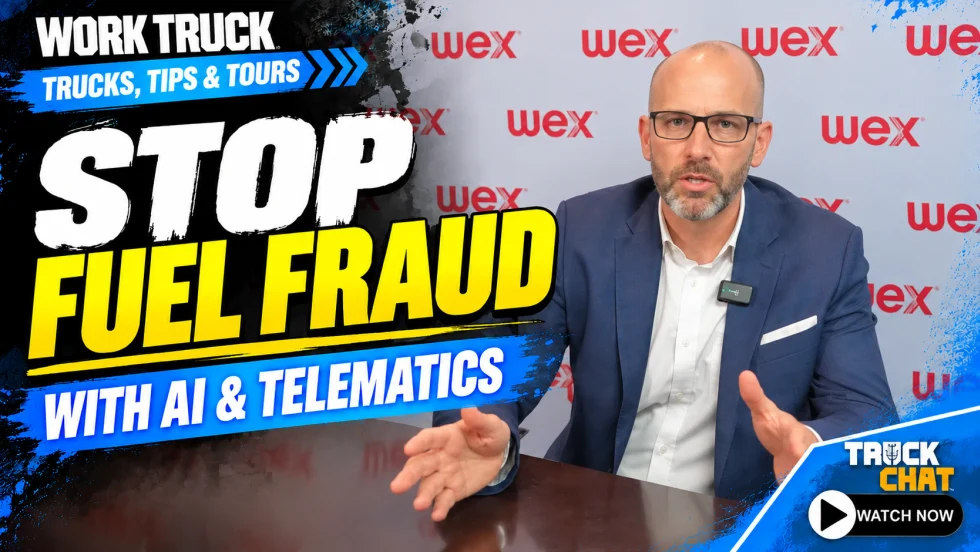
How Fleets Can Use Technology to Fight Fuel Fraud
Fuel fraud and theft remain significant challenges for commercial fleets, whether the problem involves third-party fraud or driver misuse. In this video, David Abraham of WEX explains how SecureFuel uses vehicle geolocation, telematics, transaction information, and AI to help fleet managers identify suspicious fuel purchases and make more informed decisions.
Can AI Agents Help Small Work Truck Fleets Do More With Less?
Motive's new AI Agents automate fleet safety, maintenance, compliance, and dispatch tasks. Here's how they work for smaller fleets, what managers control, and what early users are seeing.
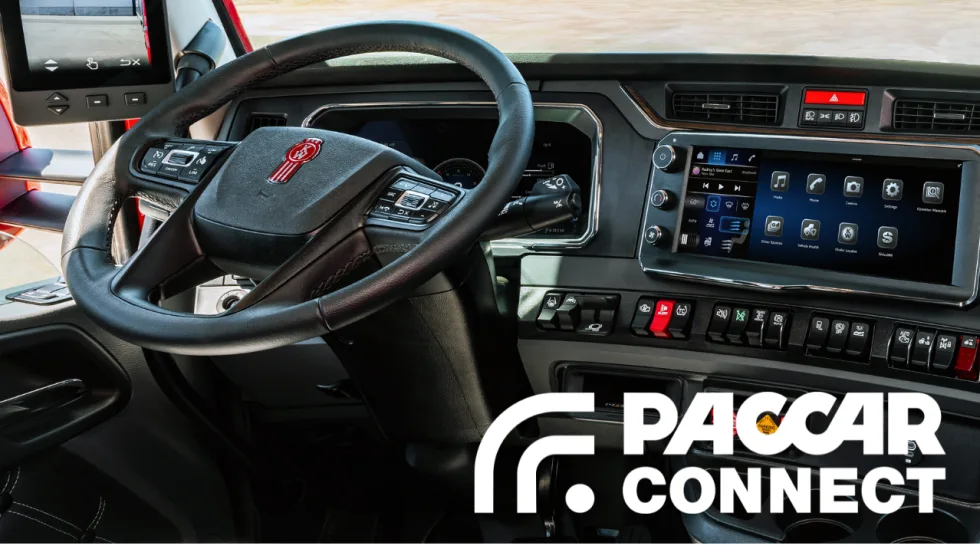
Paccar Launches Paccar Connect for Peterbilt and Kenworth Trucks
The new Paccar Connect offers touchscreen displays, telematics capabilities, and an expanding app ecosystem to boost productivity and streamline driver workflows.
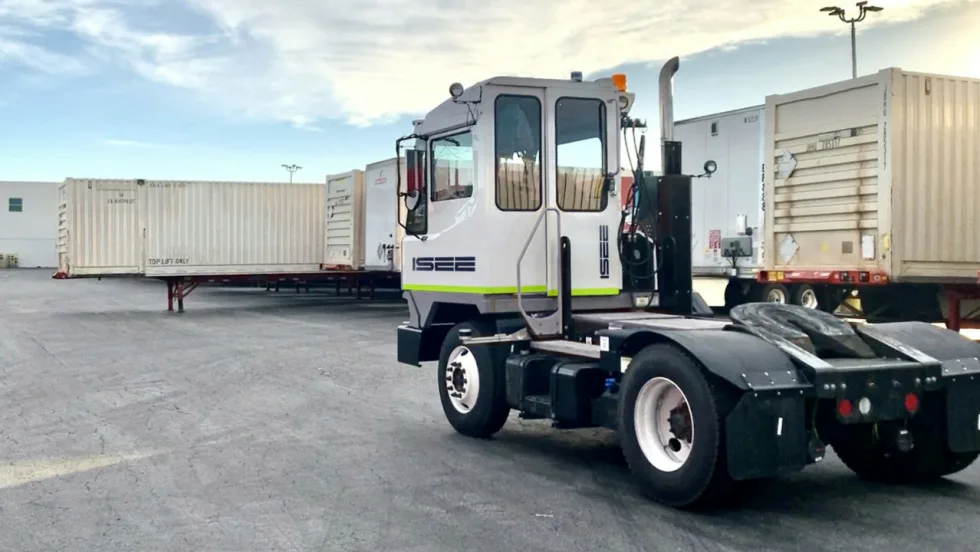
Holman and ISEE Partner to Expand Autonomous Yard Truck Operations
The partnership combines Holman's fleet management and upfitting capabilities with ISEE's autonomous driving technology to help businesses deploy and manage driverless yard trucks.
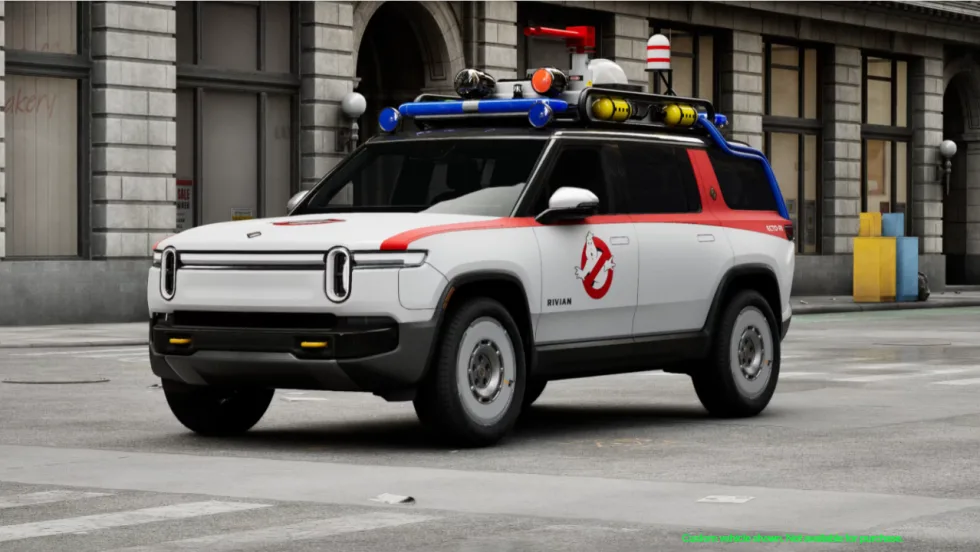
Who You Gonna Call? Rivian Turns Electric Vehicles Into Ghostbusters Rides
Rivian teams up with Sony Pictures for a Ghostbusters-inspired Halloween software update, complete with custom sounds, lighting effects, and a special Ecto-R1.

The Second Trip and What Missing Tools Really Cost a Service Business
For service fleets, missing tools and equipment can lead to second trips, lost technician time, higher operating costs, and delayed jobs. Equipment tracking can help HVAC, plumbing, electrical, landscaping, and other service businesses improve visibility and reduce downtime.