




Fuel Efficiency Projects Awarded $187M DOE Funding
WASHINGTON - The U.S. Department of Energy (DOE) has selected nine projects totaling more than $187 million to improve fuel efficiency for heavy-duty trucks and passenger vehicles.
WASHINGTON- The U.S. Department of Energy (DOE) has selected nine projects totaling more than $187 million to improve fuel efficiency for heavy-duty trucks and passenger vehicles.
The funding includes more than $100 million from the American Recovery and Reinvestment Act, and with a private cost share of 50 percent, will support nearly $375 million in total research, development, and demonstration projects across the country.
"Improving the efficiency of our vehicles is critical to reducing America's dependence on foreign oil and addressing climate change," said DOE Secretary Chu. "[These] awards will help demonstrate the potential benefits for long-haul trucks and passenger vehicles and will play an important role in building a more sustainable transportation system for the country."
Three projects will focus on cost-effective measures to improve the efficiency of Class 8 long-haul freight trucks by 50 percent. These projects will receive more than $115 million in funding to develop and demonstrate systems-level fuel efficiency technologies by 2015, including improved aerodynamics, reducing engine idling technologies, waste heat recovery to increase engine efficiency, advanced combustion techniques, and powertrain hybridization.
The remaining six projects totaling more than $71 million will support efforts to increase the fuel economy for passenger vehicle engines and powertrain systems. The goal is to develop engine technologies that will improve the fuel economy of passenger vehicles by 25-40 percent by 2015 using an engine-only approach.
Systems Level Technology Development, Integration, and Demonstration for Efficient Class 8 Trucks (SuperTrucks)
Cummins Inc. - $38,831,115 - Columbus, Indiana - Develop and demonstrate a highly efficient and clean diesel engine, an advanced waste heat recovery system, an aerodynamic Peterbilt tractor and trailer combination, and a fuel cell auxiliary power unit to reduce engine idling.
Daimler Trucks North America, LLC - $39,559,868 - Portland, Oregon - Develop and demonstrate technologies including engine downsizing, electrification of auxiliary systems such as oil and water pumps, waste heat recovery, improved aerodynamics and hybridization.
Navistar, Inc. - $37,328,933 - Fort Wayne, Indiana - Develop and demonstrate technologies to improve truck and trailer aerodynamics, combustion efficiency, waste heat recovery, hybridization, idle reduction, and reduced rolling resistance tires.
Advanced Technology Powertrains for Light-Duty Vehicles (ATP-LD)
Chrysler Group LLC - $14,458,572 - Auburn Hills, Michigan - Develop a flexible combustion system for their minivan platform based on a downsized, turbocharged engine that uses direct gasoline injection, recirculation of exhaust gases, and flexible intake air control to reduce emissions.
Cummins Inc. - $15,000,000 - Columbus, Indiana - Develop a fuel-efficient, low emissions diesel engine that achieves a 40 percent fuel economy improvement over conventional gasoline technology and significantly exceeds 2010 EPA emissions requirements.
Delphi Automotive Systems LLC - $7,480,572 - Troy, Michigan - Develop a novel low-temperature combustion system, coupled with technologies such as continuously variable valve control and engine downspeeding, to improve fuel economy by at least 25 percent.
Ford Motor Company - $15,000,000 - Dearborn, Michigan - Achieve a 25 percent fuel economy improvement with a gasoline engine in a 2010 mid- to large-size sedan using technologies including engine downsizing, turbo-charging, direct injection, and a novel exhaust aftertreatment system.
General Motors Co. - $7,705,862 - Pontiac, Michigan - Develop an engine that uses lean combustion and active heat management, as well as a novel emissions control system, to improve the fuel economy of a 2010 Malibu demonstration vehicle by 25 percent.
Robert Bosch - $11,953,786 - Farmington Hills, Michigan - Demonstrate a high compression, turbo-charged engine based on homogenous charge compression ignition technology (a combustion technology that allows for lower emissions and higher efficiency) to achieve up to 30 percent fuel economy improvement in a gasoline-fueled light-duty vehicle.
Originally posted on Automotive Fleet
More Fuel

The Smart Way to Build a Mixed-Energy Fleet Isn’t About Picking a Side
Mixed-energy fleets aren’t about picking a winning fuel. Sarah Booth of WEX explains how vehicle data, duty cycles, charging strategy, and real-world costs can help fleets choose the right energy source for each job.
Read More →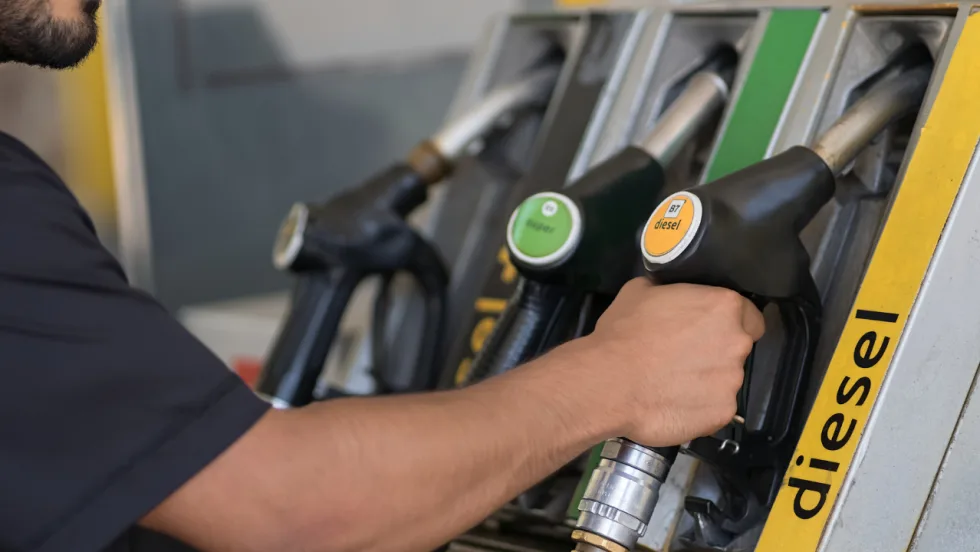
Ignoring This Dashboard Warning Could Cost Your Fleet Thousands in Fuel
New research suggests neglected diesel aftertreatment systems could waste up to $30 in fuel per vehicle each day. Here's why vocational fleets should pay attention.
Read More →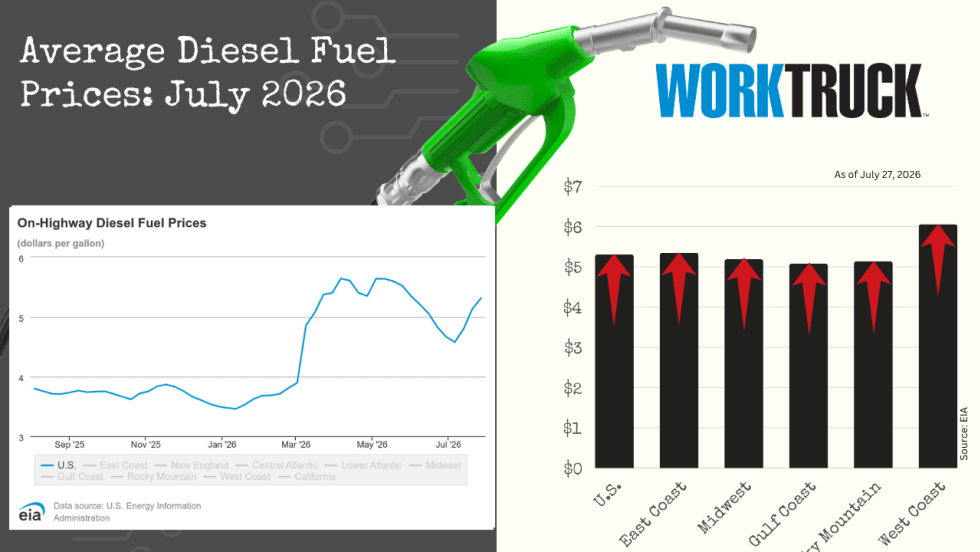
July Diesel Trends Update
The average price of a gallon of diesel increased again this week, and the EIA reported a new national average of $5.31 at the start of the week.
Read More →
WEX Brings Standard Fleet's Connected Vehicle Platform to Fleet Customers
This week’s product launch with Standard Fleet’s connected vehicle platform reflects WEX Venture Capital's strategy of turning startup innovation into customer solutions. Standard Fleet is now available to WEX fleet customers.
Read More →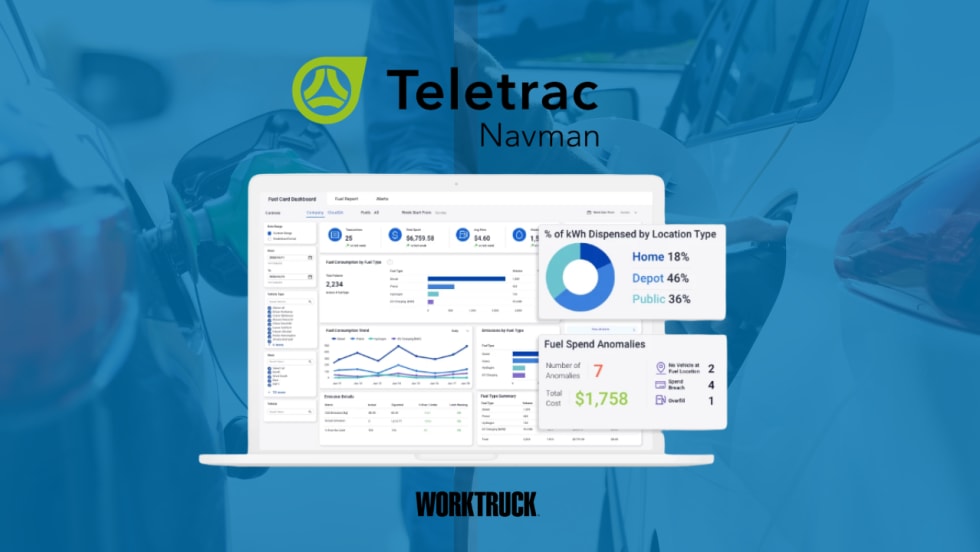
Teletrac Navman Adds Mixed-Energy Fleet Tools to TN360
The new Energy Hub combines fuel transactions, EV charging data, vehicle range, and energy costs in one dashboard for fleets operating multiple vehicle and energy types.
Read More →
WEX DriverDash adds CITGO, Expands Nationwide Access for Fleets
The DriverDash mobile payment app, by WEX, has been integrated into the CITGO merchant network, which means WEX has expanded its U.S. station footprint with the addition of approximately 4,000 CITGO locations.
Read More →
Mixed Energy Fleet Tips for Balancing EVs, Gas and Diesel Vehicles
Mixed energy fleets are becoming the new normal. Learn how fleet managers are balancing EVs, gas and diesel vehicles while controlling costs and planning for the future.
Read More →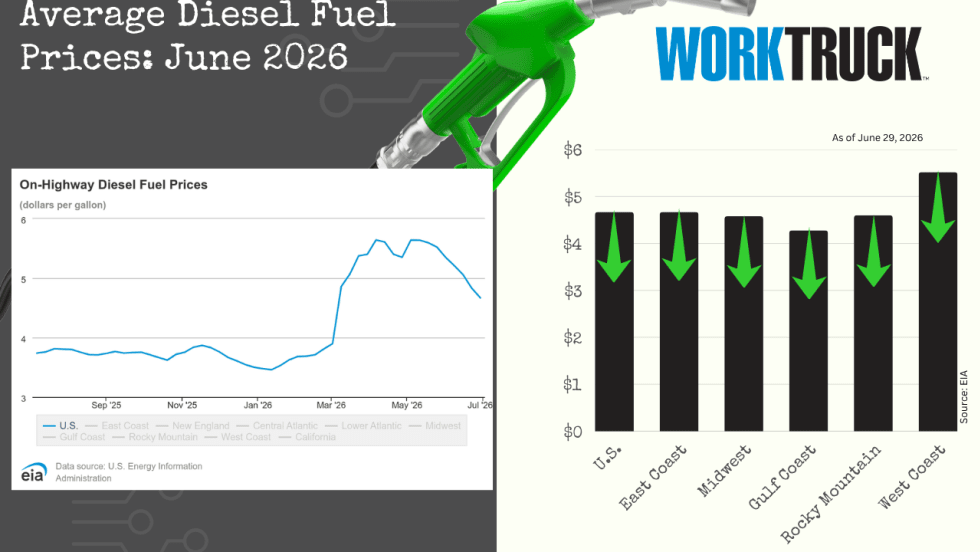
June Diesel Trends Update
The national average price of a gallon of diesel has dropped again, this week by more than 16 cents. All five regions reported lower average prices, ranging from almost 13 cents to more than 28 cents cheaper than a week ago.
Read More →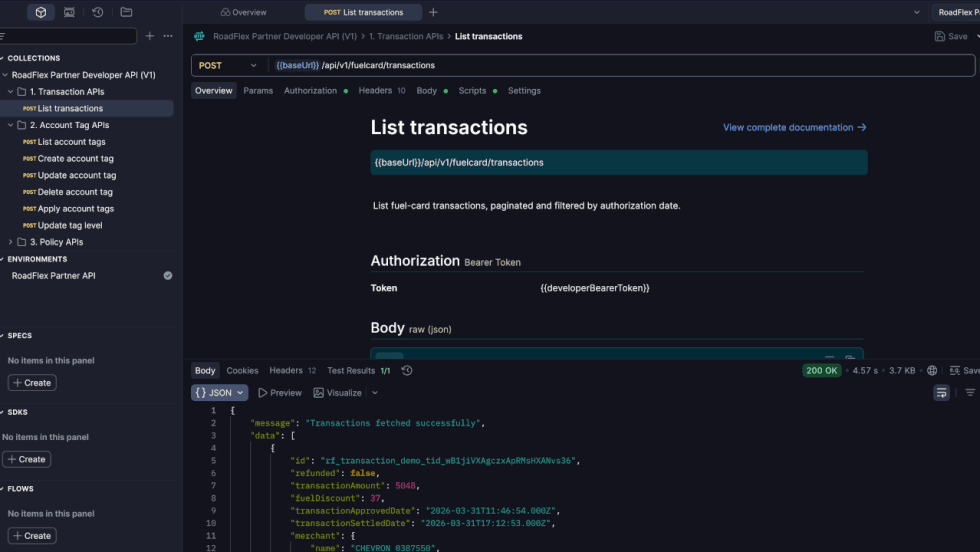
RoadFlex Launches RoadFlex Direct Open API Platform
RoadFlex Direct connects fuel cards, controls, and data to the telematics and fleet management systems fleets already run, from Geotab and Samsara to Fleetio and RTA, with no separate dashboard or double data entry.
Read More →
The Key to Fuel Efficiency Sits in the Cab
Learn how driver behavior, telematics, coaching, and fuel data can help fleets improve fuel efficiency, lower costs, and reduce emissions.
Read More →