





Learn More: Ford F-Series Remains Top Selling Pickup, Despite Fleet Sales Drop
Ford to Offer Hands-Free Driving on 2021 F-150
The system will be offered via over-the-air software updates on 2021 F-150 models equipped with the available Ford Co-Pilot360 Active 2.0 Prep Package.
April 16, 2021
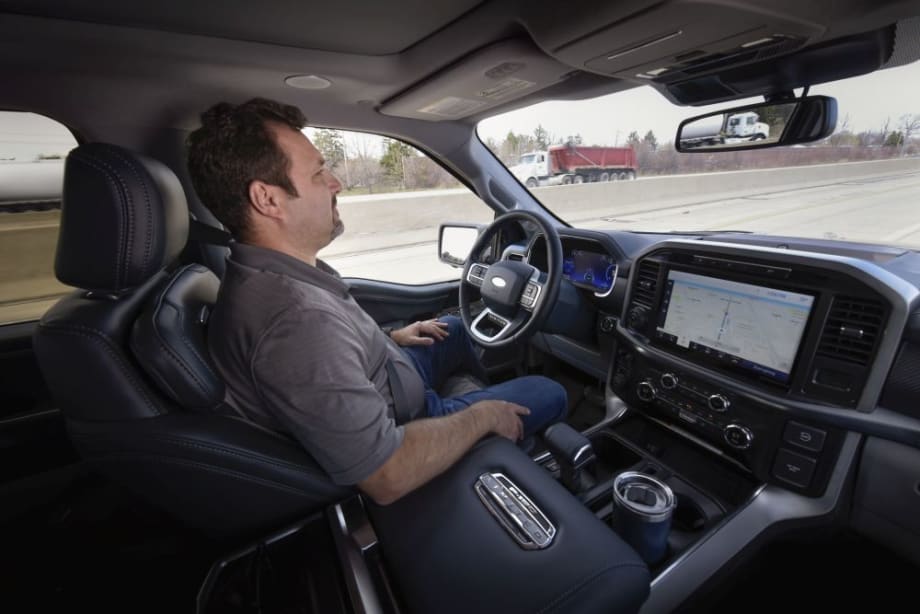
The system will be offered via over-the-air software updates on 2021 F-150 models equipped with the available Ford Co-Pilot360 Active 2.0 Prep Package.
Photo: Ford
2 min to read
Ford will begin offering its new BlueCruise hands-free highway driving system, an SAE Level 2 driver-assist technology, to customers later this year.
The system will be offered via over-the-air software updates on 2021 F-150 models equipped with the available Ford Co-Pilot360 Active 2.0 Prep Package. Ford is targeting to sell more than 100,000 vehicles equipped with BlueCruise in the first year, the company said in a statement.
BlueCruise will launch after 500,000 miles of development testing, which included a journey completed by a fleet of 10 test vehicles — five F-150 pickups and five all-electric Mustang Mach-E SUVs — over more than 110,000 miles through 37 states and five Canadian provinces.
Ford is calling BlueCruise “the evolution of Ford Co-Pilot360 Technology.” The BlueCruise feature allows a driver to operate hands-free on prequalified sections of divided highways. The system uses camera and radar-sensing technologies in conjunction with Co-Pilot360’s Intelligent Adaptive Cruise Control with Stop-and-Go, Lane Centering and Speed Sign Recognition.
According to Ford, BlueCruise is similar to Tesla Autopilot. Yet unlike AutoPilot, Ford’s Hands-Free Mode does not require a driver’s hands to stay in contact with the steering wheel, unless prompted by vehicle alerts.
BlueCruise uses blue lighting on the digital instrument cluster to indicate when the vehicle is in a hands-free zone. A driver-facing camera in the instrument cluster monitors eye gaze and head position to help ensure the driver’s eyes remain on the road.
Those prequalified highway stretches are called Hands-Free Blue Zones. Ford’s GPS mapping system has identified Hands-Free Blue Zones in over 100,000 miles of highways across North America.
In addition to hands-free mode, equipped vehicles will also feature Lane Centering mode. Lane Centering works on most roads with lane lines and can help keep the vehicle centered in its lane. The function still requires drivers to keep their hands on the steering wheel.
In either mode, a visual prompt on the instrument cluster notifies drivers when they need to return their attention to the road or resume control of the vehicle.
Ford said more models will receive BlueCruise hands-free driving technology, while current owners will continue to receive over-the-air software updates.
Ford plans to include Lane Change Assist to let the vehicle change lanes with a tap of the turn signal indicator, and Predictive Speed Assist that will adjust vehicle speed for road curves, roundabouts, and more.
More Safety
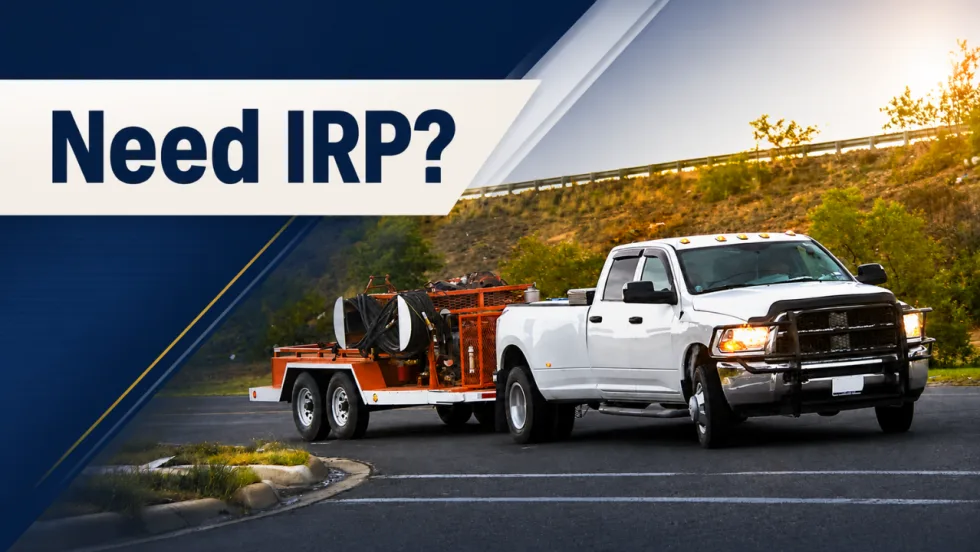
When Work Trucks Under 26,001 Pounds Need IRP Registration
Think trucks under 26,001 pounds are automatically in the clear when it comes to IRP? Not always. Learn where lighter vehicles can still run into trip permit, apportioned registration, and IFTA compliance requirements when crossing state or provincial lines.
Read More →
Volvo Trucks Releases New Safety Recommendations for Traveling with Pets
One of the most important recommendations for professional drivers traveling with pets is to ensure pets are properly restrained while the truck is moving. Other tips are available in the new guide from Volvo Trucks North America and Center for Pet Safety.
Read More →
API Issues Refueling Safety Guidelines
The American Petroleum Institute offers a list of safe vehicle refueling guidelines, including ways to avoid potential problems with static electricity discharges in fall, winter, and early spring.
Read More →
Winter Fleet Prep: Expert Tips to Keep Vehicles Running Smoothly
Cold weather can expose weak batteries, tires, fuel systems, and maintenance gaps fast. Use this winter fleet checklist to prepare trucks and drivers before temperatures drop.
Read More →
When a Work Truck Breaks Down, the Job Can Stop, Too
A work truck breakdown can stop more than the vehicle. Discover how payloads, jobsites, and specialty equipment change the roadside response.
Read More →
What Stronger Long-Term Fleet Service Partnerships Actually Require
Fleet service partnerships rarely fall apart all at once. Learn the three warning signs that trust is eroding and what fleets and providers can do before downtime, frustration, and lost revenue follow.
Read More →
Applause & TRUCE Software Partner to Improve Driver Safety Through AI-Powered Telematics & Employee Performance Management
Applause has integrated TRUCE driving metrics directly into its employee-first performance and safety platform that transforms mobile devices into AI-powered telematics.
Read More →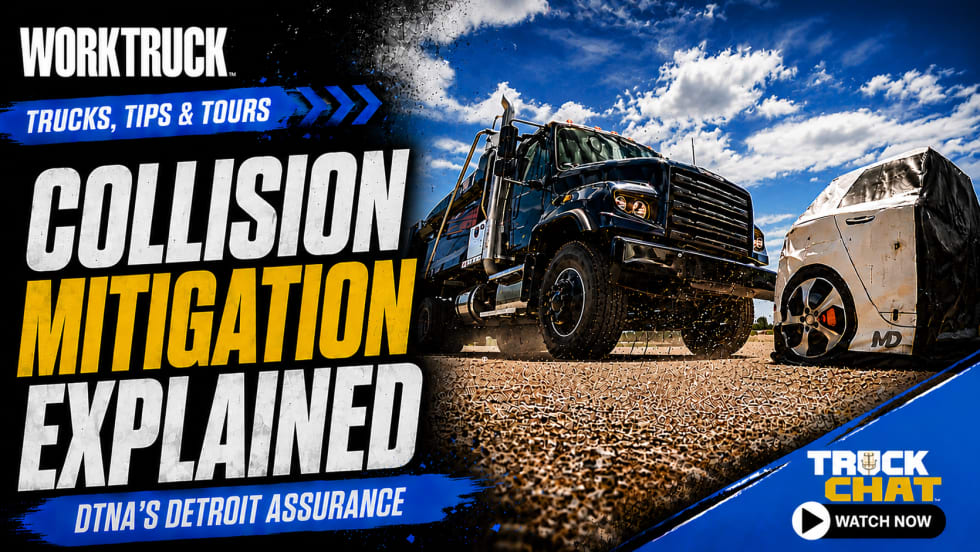
How Detroit Assurance with Active Brake Assist Works
Do you want to see what it is like to experience Detroit Assurance’s Active Brake Assist? In this video, Work Truck will put you in the cab to see how it all works and then hear more details from DTNA’s Mike Young.
Read More →
Get Left of Loss: A 5-Step Workplace Violence Prevention Framework for Fleet Operators
Violence risks do not stop at the driver’s door. Learn five practical steps fleets can take to spot threats early and protect workers before loss occurs.
Read More →
Sponsored•July 17, 2026
How Better Visibility Cut Speeding Violations by 48%
Fleet leaders don't need more data, they need clearer visibility into what the data is saying. This case study explores how one utility replaced speeding-event counts with a single metric — miles driven in violation — to strengthen safety and significantly reduce speeding violations.
Read More →